
Disgust
Disgust is the emotion quietly weaponised against mothers—especially disabled mothers—who advocate too clearly, too often, or without the expected softness. It is the recoil beneath the smile, the clipped tone in the meeting, the refusal to respond to emails written in full sentences and moral clarity. In schools, disgust often replaces dialogue when a woman refuses to perform helplessness. When she insists that her child’s disability will not vanish. When she says, again and again, that temporary success is not recovery, and that support must be sustained. This tag gathers writing on the institutional and gendered politics of disgust—how it is aimed at those who speak too fluently, grieve too visibly, or arrive already knowing.
-
Exclusion is economically irrational and the hidden costs of refusing accommodation
BC schools spend more money refusing accommodation than providing it. Learn when hiring a lawyer becomes the only fiscally rational choice for your family.
-

When schools deny support staff, they destroy the foundation of learning
Research spanning 70 years and more than 2.6 million students confirms what parents of disabled children already know through bitter experience: children learn through relationships built on trust, consistency, and support. A comprehensive meta-analysis published in February 2025 demonstrates that positive teacher-student relationships directly improve academic achievement, behaviour, executive function, motivation, and emotional wellbeing across…
-

When children write the rules
The teacher’s letter arrives home with careful reassurances about fairness, dignity, and professional expertise, yet embedded within its polite paragraphs sits a fundamental contradiction: the rules governing this seventh-grade classroom emerged from the crowdsourced preferences of twelve-year-old children rather than from pedagogical research or developmental understanding. Ah yes, the wisdom of crowds—particularly effective when the…
-
The material costs of educational harm
My son no longer attends school. He no longer wants anything the education system offers. He has taught himself programming, navigates Linux with expertise that exceeds my own knowledge, learns alone in his room because learning with others became too expensive to survive. The district asks affectionately how he is, suggests I login to their…
-

From trauma to topology: the grotesque work of quantifying institutional denial
When institutional harm accumulates in childhood—in objects confiscated, spaces denied, bodies excluded—the evidence lives first in memory and affect. The saucer eyes of a humiliated or frightened child. The sting in the sobs of a child who just wants to be with her friends at the volleyball game. The physical weight of a garbage bag…
-
Material witness: objects and architecture in the exclusion of disabled children
When schools perform inclusion while enacting exclusion, the evidence accumulates in objects and spaces, in the material culture of neurodivergent childhood, in the things that were meant to help but became instruments of control, in the architecture that promised safety but delivered abandonment. These are the objects that witnessed what happened to my children in…
-
The affective architecture of room clears
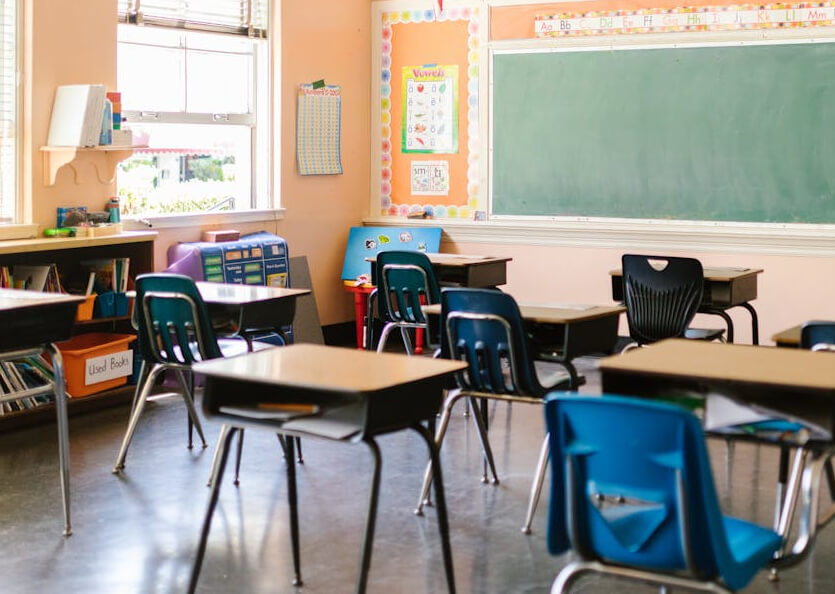
Room clears should be rare. In adequately resourced classrooms with sufficient staffing, with educational assistants trained in co-regulation, with adults who understand that compliance is not wellness and frozen silence is not calm, most crises could be prevented or held without architectural intervention. But British Columbia schools operate under manufactured scarcity, austerity politics disguised as…
-
Counting crisis: data, distrust, and the false choice between safety and inclusion
Across British Columbia, the launch of Surrey DPAC’s Room Clear Tracker has ignited a storm of debate among parents, educators, and disability advocates. Some view it as a necessary step toward transparency; others fear it will reinforce stigma or justify segregation. Beneath the surface of this argument runs a deeper fracture—between those who seek safety…
-

Fuck your independence dogma
How schools use ‘self-reliance’ to justify abandoning disabled kids. They told me my daughter needed to build her tolerance for the classroom without support. They waxed endlessly about how she wouldn’t want support in high school—ignoring that my daughter had been very clear that she does, in fact, want support. They said it with that…
-

ADHD and autism aren’t phases
We don’t expect a wheelchair user to “earn” the right to walk by graduation. We don’t tell a student with diabetes that the goal is to get off insulin. And yet, in schools across our district, support for autistic and ADHD students is treated like a ladder they’re supposed to climb once and throw away…
-
Our goals are not the same: ableism in bc public school
I want my children supported to grow and learn; schools uphold ableism by demanding they mask compliance or feign helplessness for support.
-
How do school staff survive while upholding systems that cause harm?
Freyd’s betrayal trauma theory (1996) starts with the idea that trauma is more psychologically destabilising when it comes from someone—or some system—you are dependent on and trust. Abuse by a stranger wounds, but abuse by a parent, partner, or caregiver fractures the psyche at a deeper level because it requires a split: I must ignore what…
-
Shattered pathways of parent advocacy in BC’s public schools
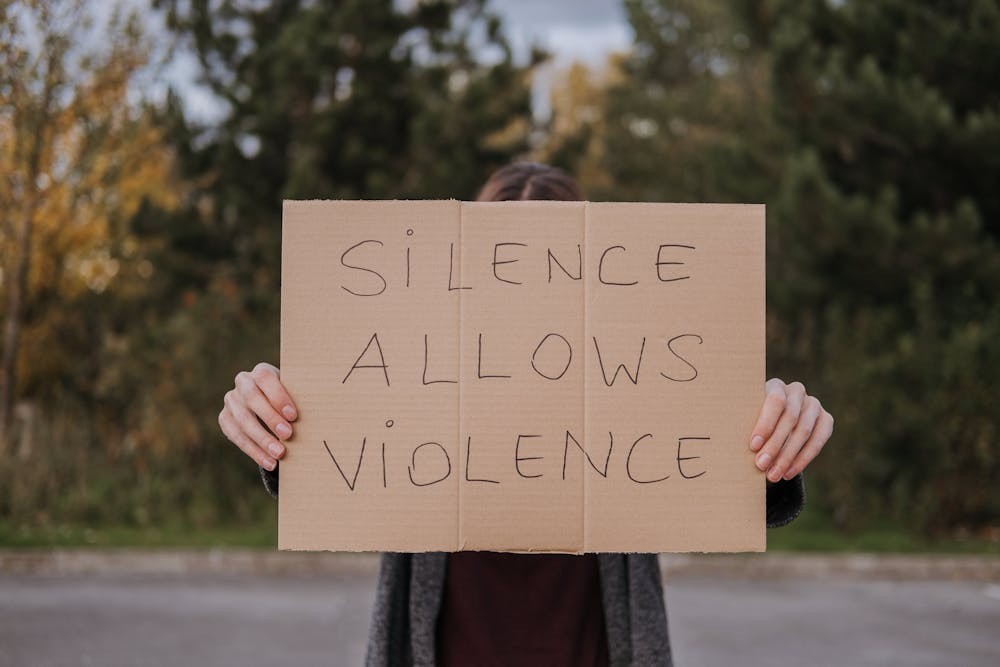
It’s time to riot in the streets. We have tried everything else and our children are still being hurt. The existing systems of appeal and escalation are ineffective, more focused on preserving the institution than delivering justice. It’s time to end the engineered scarcity in our public education system. The maze of ineffective complaint avenues…
-

Disgusted with myself: how school advocacy erodes self-compassion
Some days I feel my own face harden, the jaw locking and the air leaving my lungs in a clipped exhale, the eyes narrowing into a refusal that feels like muscle memory. It is the same recoil I have seen across the meeting table, the same signal that too much has been brought into the…
-
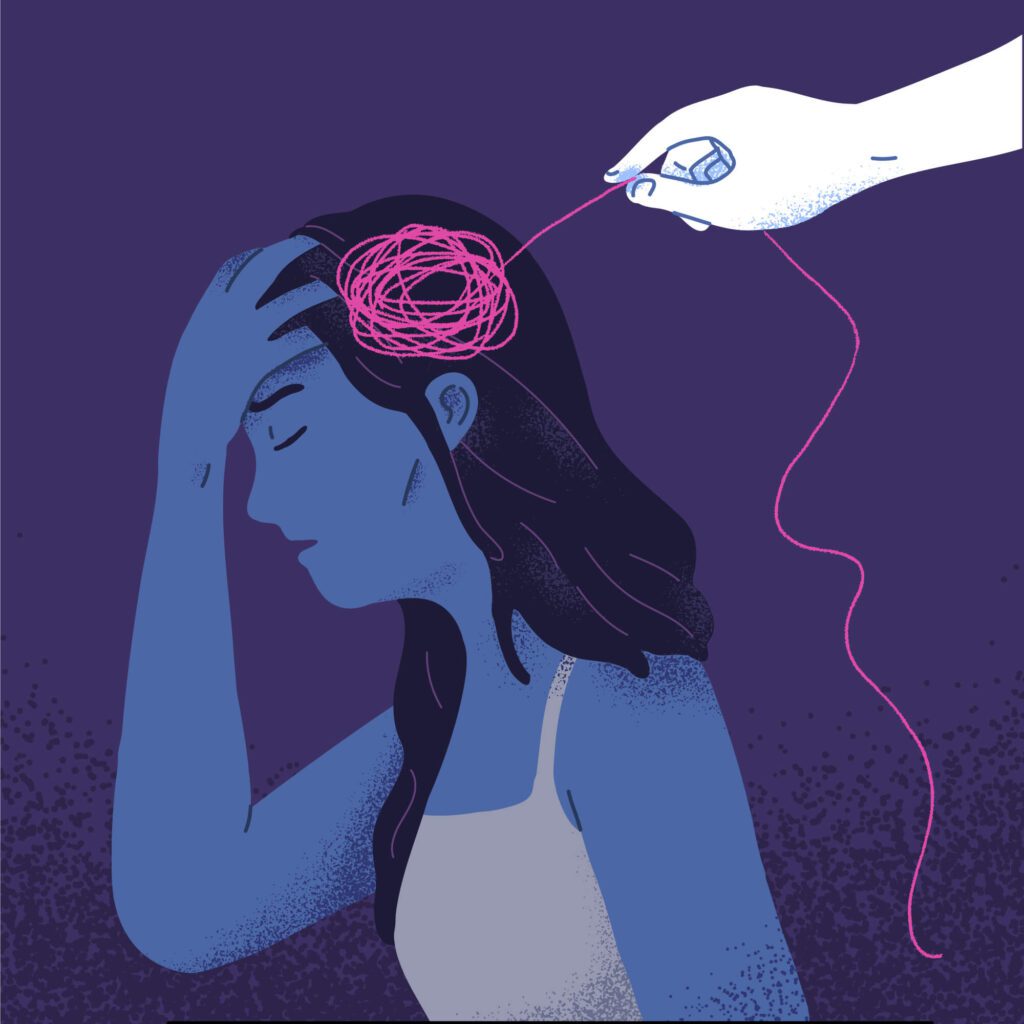
The unseen wounds of advocacy: caregiver burnout, moral injury, and embodied grief
Caregiver burnout in BC schools reflects moral injury and systemic betrayal, as mothers fight exclusion and harm while advocating for disabled children.
-
One-pager about collective punishment
If you are a teacher, a classroom assistant, a support worker, or even a school leader who still spends time in rooms with students, then you already understand how hard it is to manage a group when things begin to fall apart. You know the claustrophobic tension of a lesson unravelling before it begins. You…
-

The history of this website
What began as one mother’s refusal to accept the institutional cruelty of collective punishment has grown into a vast, strategic, and emotionally searing archive—a living infrastructure of truth-telling and resistance, built from grief, fuelled by clarity, and shared in solidarity with every family navigating harm inside a system that punishes children for being disabled.
-

Double the love, double the discrimination
Public education systems punish families of multiples by forcing impossible choices between their children—often withholding support until one child reaches visible crisis, while the other’s suffering is quietly disregarded. The statistical reality schools refuse to prepare for Schools are rarely prepared for what families of multiples often bring to the classroom: These families often arrive…
-

How do you live with yourself
Part of my neurodivergence is fatalism; part of it is hyperphantasia; part of it is the inability to look out at a beautiful landscape without imagining loss, rupture, and death, because even as a small child on the ferry to Victoria, while other people were looking out over the water and the mountains and the…
-
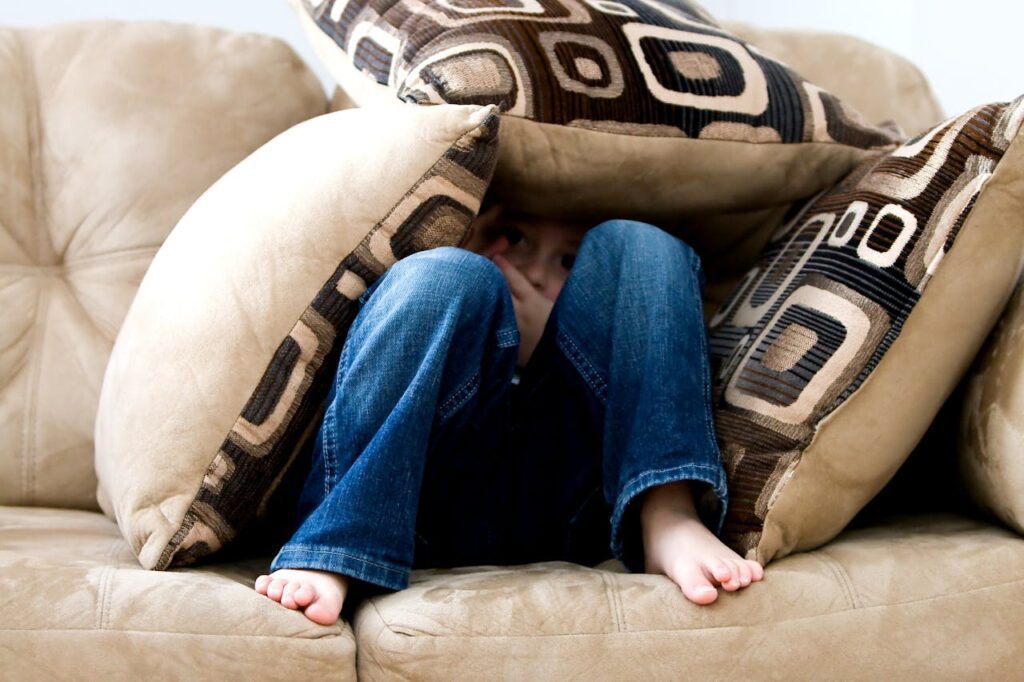
What replaced the strap in Canadian schools?
They took the strap away—or at least, they removed the physical instrument, the leather loop of institutional discipline that had once been the sanctioned mechanism of control in classrooms across the country. Even if we never felt it on our own skin, we knew what it meant; we had heard the sound of it slapped…