

Genocide
Genocide names the deliberate destruction of a protected people, including through killing, serious bodily or mental harm, forced transfer of children, and conditions designed to break collective survival. In education, the term is especially relevant to colonial schooling systems that targeted Indigenous children, families, languages, cultures, and communities under the guise of care, discipline, civilisation, or assimilation.
-

Why I won’t stop in 2026
The principal used collective punishment against my child almost two years ago, and yet I remain unreconciled to what she did. People suggest moving on, starting fresh, forgiving. Schools are obsessed with ‘fresh starts,’ framing each September as reset opportunity, as though institutional harm dissolves at arbitrary calendar boundaries. My daughter carries what happened in…
-
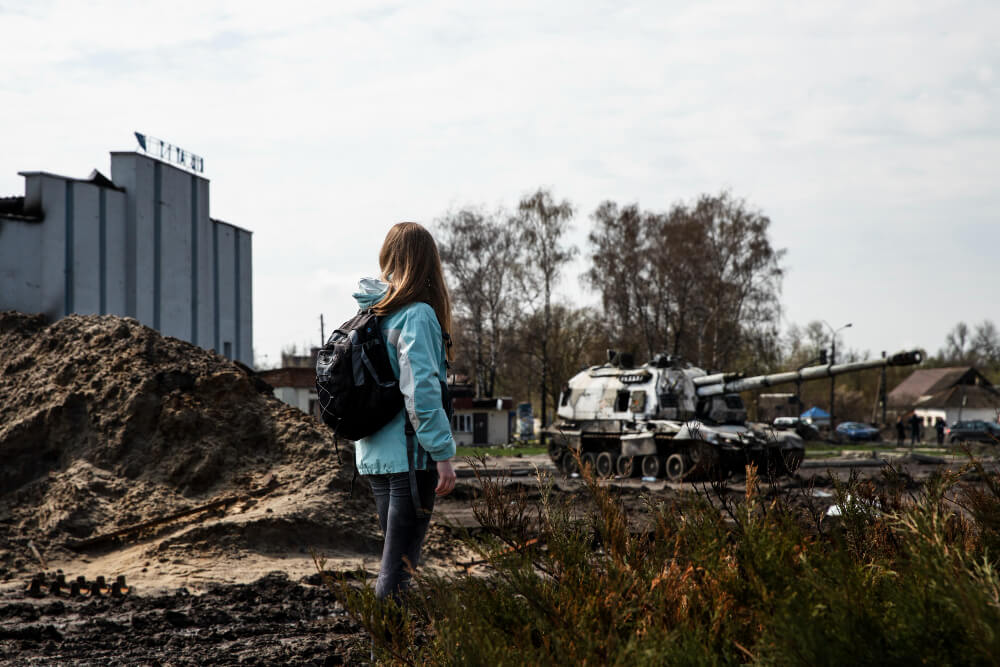
On acceptable levels of harming children
2024 marked the highest number of grave violations against children in armed conflict since monitoring began, and BC simultaneously experienced record complaints to the Human Rights Tribunal for education discrimination—both phenomena share infrastructure: scarcity ideology masquerading as resource constraint, bureaucratic mechanisms that document harm while enabling its continuation, systems that ask what amount of violence…
-

The principal’s casualness reveals authorisation to harm
When a principal cancelled my daughter’s volleyball game with bureaucratic ease, her comfort while causing harm revealed systematic institutional authorisation.
-

On children, war, and remembrance
Each November, we are asked to pause—heads bowed, hearts heavy—to remember the lives destroyed by war. Yet remembrance without reckoning becomes ritual, a polished echo of conscience that lets the same moral logic continue unchallenged. Every essay in this series has exposed a fragment of that logic: how endurance became virtue, how obedience replaced empathy,…
-
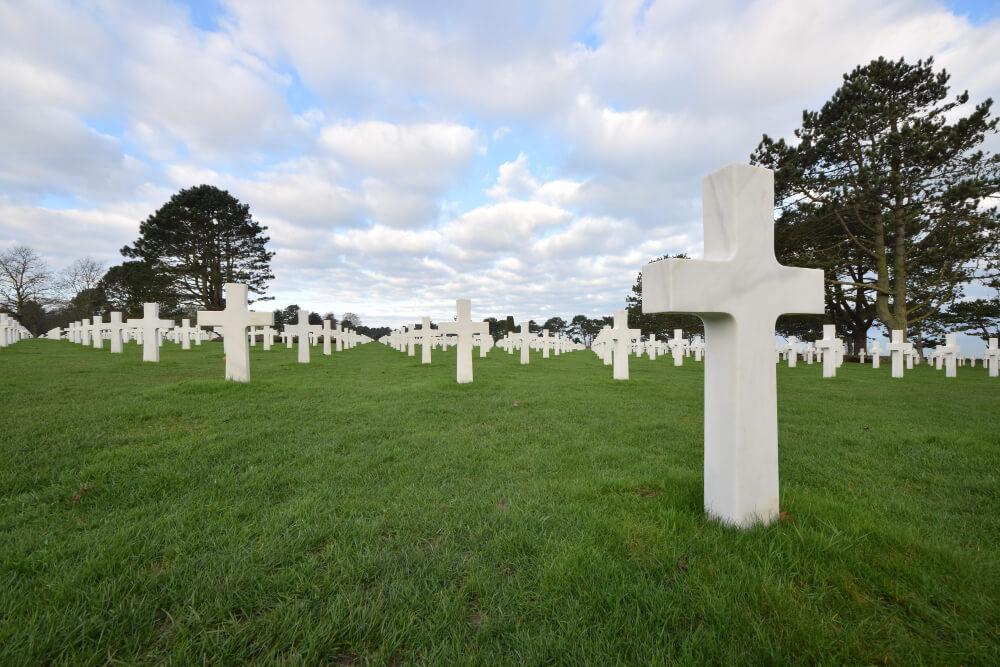
Counting the wounded: how complaint systems and data bureaucracies erase harm
The same patterns of attrition described in The Ombudsperson and the war of attrition also define how governments manage harm in military and veterans’ systems. Delays in compensation, endless investigations, and deferrals justified as ‘process’ reveal that administrative time itself functions as an instrument of harm. What appears as prudence operates as quiet abandonment—an institutional strategy that…
-

Bootcamp for mothers: how to send your disabled child to school
Each year around Remembrance Day, I find myself thinking about what it means to live inside a culture that trains endurance as its highest virtue. Across this series, I have been writing about how the language of war has infiltrated the spaces that claim to protect children. In genocide and the classroom examined how distress becomes procedural; The…
-

Collective punishment in war and school
Every empire writes its morality through the safety of the bodies of children. Whether on the battlefield or in the classroom.
-

A war on joy: discipline, obedience, and the disabled body
An examination of how education absorbs military and capitalist values—discipline, endurance, and efficiency—until joy becomes a threat to order. This piece argues that the rationing of joy for disabled students is both an ethical and structural failure, transforming learning into control and endurance into a false measure of worth.
-
The false economies of war and schooling
A critique of austerity as a governing principle. This essay argues that Canada’s education and defence systems share a moral and strategic collapse: both confuse restraint with wisdom and endurance with strength. It exposes how underfunding education produces economic waste, social decay, and moral injury across generations.
-

PTSD and moral injury in war and the classroom
An analysis of how bureaucratic obedience erodes conscience. Drawing on moral injury research from military and healthcare contexts, this essay reframes teacher burnout as institutional betrayal. It shows how educators are trained to suppress empathy and how that suppression mirrors the psychic injuries of combat.
-

In genocide and the classroom: the routinising of distress
A meditation on how institutions train people to ignore suffering—how desensitisation, scarcity, and forced optimism erode empathy and make harm seem ordinary.
-
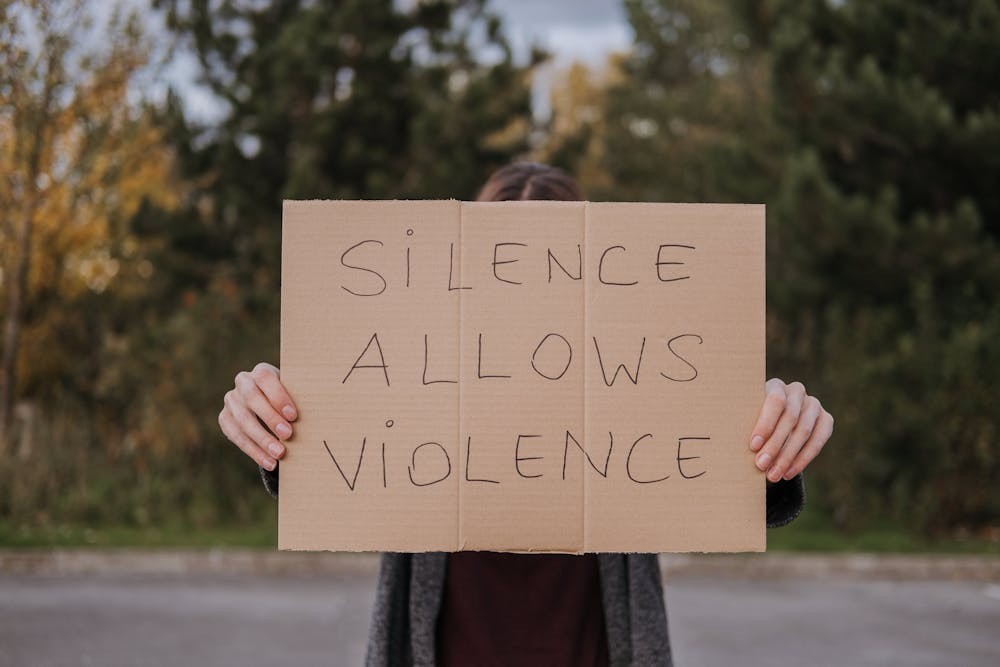
A primer on truth for youth
If you’d told me last year that a man would feel emboldened to stand up in the UN and call the UN special rapporteur a witch and accuse her of trying to ‘curse Israel with lies and hatred’ I would have Googled to see if it was fake news! But then with the second presidency…
-

The orange shirt I folded
I was folding laundry late one night, brain running on the kind of background grief that rarely quiets, when my hand closed around the orange shirt. I moved to set it aside—automatically, instinctively—because I remembered September was coming, school would be starting, and Orange Shirt Day would follow quickly after. That shirt would be needed…
-

The long shadow: A history of punishment in Canadian schools
Public education in Canada is often conceptualised as a progressive force—an equaliser, a promise of inclusion. But beneath the surface of this narrative lies a long, often unbroken history of exclusion, coercion, and punishment. Canadian schools have long been sites of control, where discipline was not merely corrective, but foundational to how institutions understood their…
-
Collective punishment in schools: global history and harm
Explore the global history of collective punishment: how it has been defined, justified, resisted, and remembered across cultures and time.
-
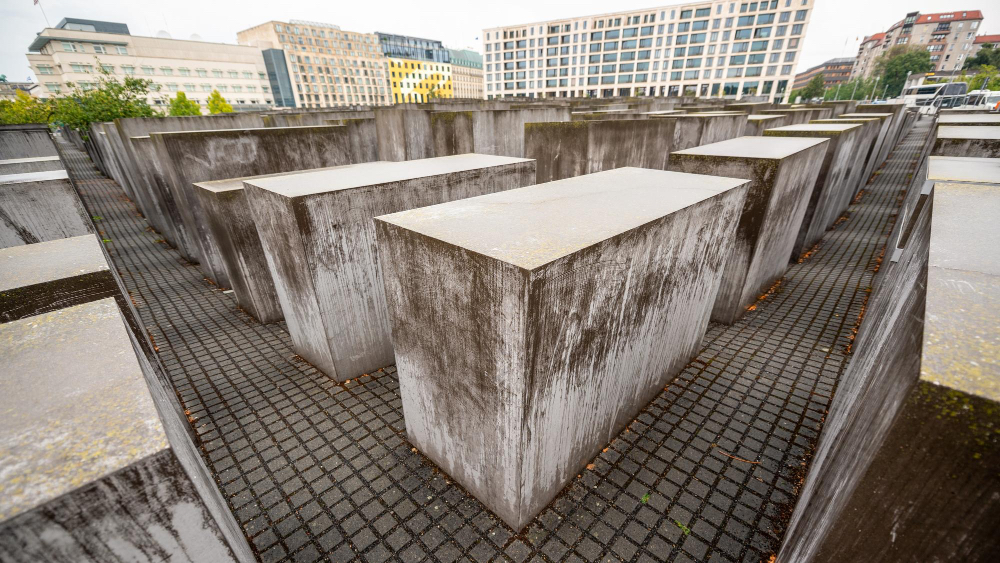
The history of collective punishment
Collective punishment emerged in a time when people were not understood as individuals, but as extensions of the family, the clan, the village. Responsibility was held in common. Honour was shared. So was shame. In such systems, if one person broke a social norm or committed a crime, the entire group was held accountable. Not…
-

Data tracking in the residential school system
The Canadian Residential School system (circa 1870s–1990s) was a network of church-run boarding schools funded by the government to forcibly assimilate Indigenous children. In theory, such a large system might have been guided by careful data collection – tracking student health, education outcomes, and well-being. In reality, government officials prioritized ideological goals and cost-saving “optics” over…
-

Why i started this campaign
As a solution architect and parent of disabled children, I’ve seen the public education system from both sides. What I’ve found is not a system in crisis—it’s a system functioning exactly as designed: rewarding compliance, punishing difference, and quietly discarding those who don’t fit. This post explores how exclusionary practices like collective punishment persist in…