
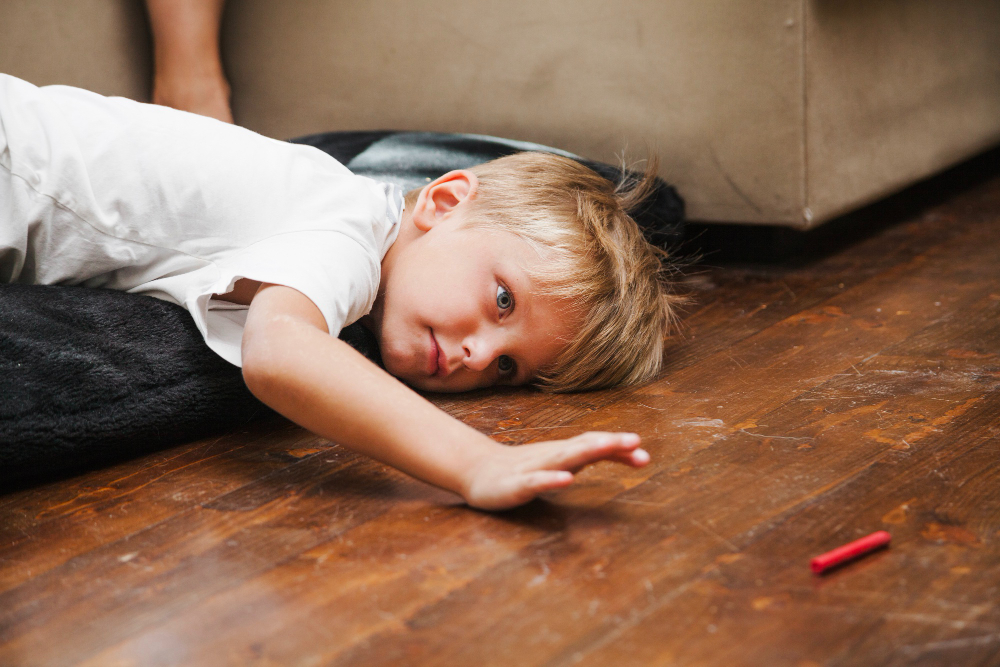
Institutional Harm
When harm is built into policy and procedure—not an accident, but an outcome.
-
Starving the future: how underfunding and poor education policy are functionally eugenics
From the safety of our northern vantage, it is easy to feel heartbroken and a little superior when we watch the dismantling of the American social welfare state—when we see libraries defunded, schools privatised, and healthcare withdrawn with brutal efficiency. We shake our heads at the cruelty of it, believing ourselves buffered by decency or…
-

The promise of continuity when transitioning to a new school
Every September, education administrators assure families that the transition to middle or high school will be smooth, that each Individual Education Plan will follow the student like a guiding light through the unfamiliar corridors, that the new teachers will arrive prepared and informed. For parents of disabled or neurodivergent children, those assurances carry the weight…
-

No accidents left to excuse
When I first read the Canary Collective’s Systemic Abuse in Education: Breaking the Cycle and Kim Block’s companion essay Is this Systemic Oppression or Systemic Abuse?, I did not feel revelation so much as recognition. I have called what happens to disabled and neurodivergent children in British Columbia’s schools abuse for years, because the word fits the scale…
-
The Ombudsperson and the war of attrition with systems of escalation
This essay is in response to the closure of my complaint by the Office of the Ombudsperson of British Columbia. It documents my family’s experience navigating the education complaint system, the Teacher Regulation Branch, and the Ombudsperson itself. It exists to show how a system meant to protect fairness becomes one that delays, deflects, and…
-
The long tail of Covid: on disability and school absences
I would like to acknowledge the shared labour of our community, because this interpretation arises from absorbing the stories that circulate within our community, where families describe the daily calculus of parenting, the emotional and physical toll of mornings, and the persistent hope that someone will finally recognise the scale of labour required simply to…
-

Incident Ipsum: decoding the bureaucratic poetry of school emails
It began, as so many things do, with a friend forwarding an email she could hardly parse. The first message made little sense; the follow-up from a case manager arrived dense with jargon, couched in performative empathy, and copied unnecessarily to a wider audience. The tone was professional. The effect was punitive. The email accomplished…
-
UIP and the business of education
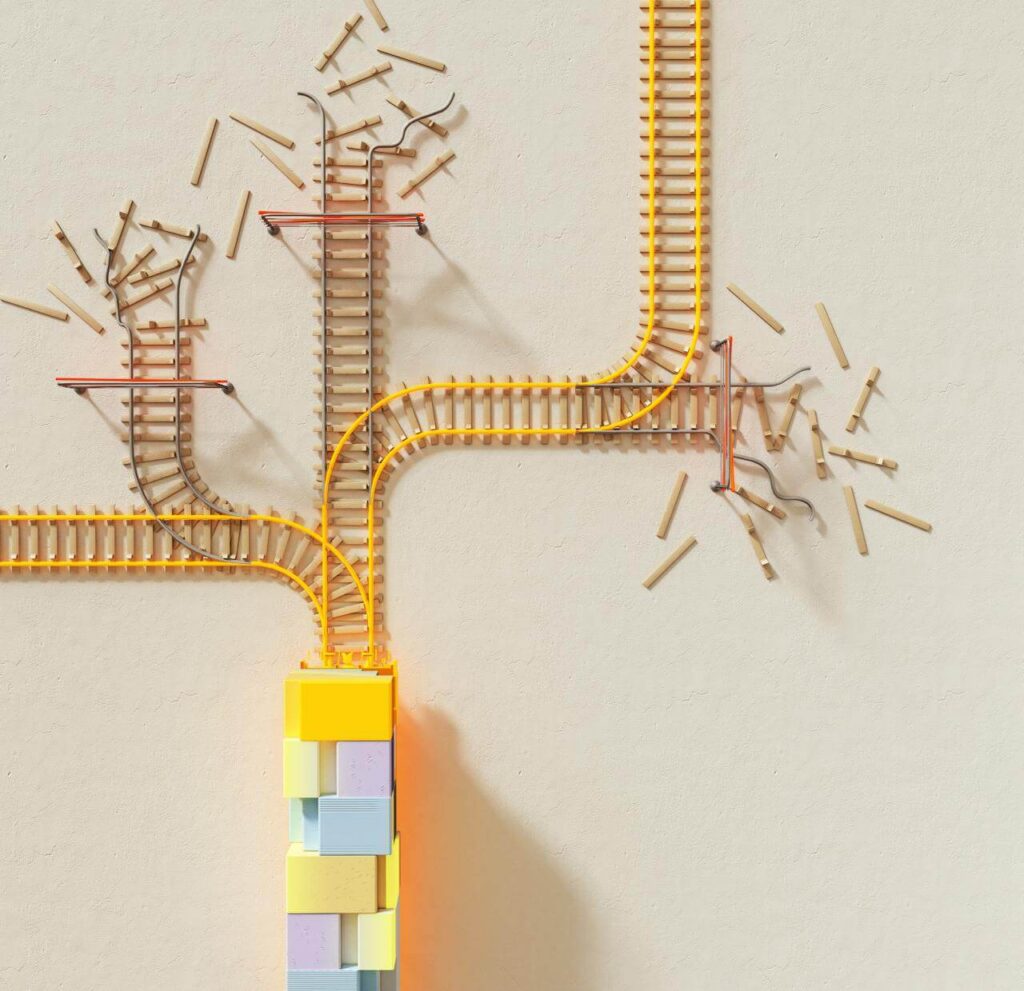
Vancouver’s Urgent Intervention Process—once called the Multi-Disciplinary Intervention Support Team, or MIST—was designed to respond when schools reached the limits of their capacity to support a child in crisis. The name once suggested a circle of professionals surrounding a child with care. As the system evolved, it became the Urgent Intervention Program, still implying at least a budget, a…
-

UIP, the good, the bad, the ugly
We’ve had good and bad experiences with the Urgent Intervention Process. The good ones feel like brief glimpses of the world that could exist if the school meant what it said about inclusion—moments when a skilled worker steps in and the air clears, when everyone remembers the child at the centre of all this. The…
-
Bearing witness to truth
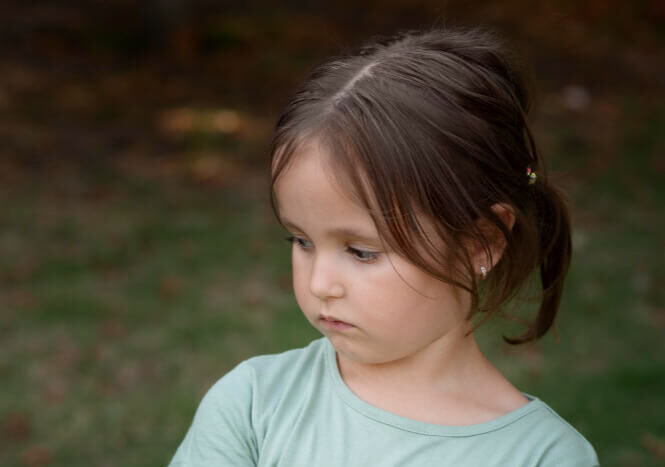
Every once in a while, a piece of writing crystallises what thousands of parents have been living for years — the quiet collapse of public education as a place of belonging for disabled children. Kim Block, Chair of BCEdAccess, has written such a piece. Her essay, published on October 18, 2025 and reprinted by the…
-

Coats, care, and control: microaggressions, ableism, and the moral surveillance of mothers
Every autumn, as the rain returns and hallways fill with dripping boots, an unremarkable genre of school communication re-emerges: the gentle reminder, the kind note, the message of concern about whether a child has a coat. The tone, perfectly calibrated, performs care while enacting surveillance. “I hope your child had a good rain jacket, umbrella,…
-

Parents are responsible for the collapse of discipline ideology at school
The dominant narrative in staff rooms and comment sections insists that discipline has collapsed because parents no longer “back up the school.” This explanation comforts institutions and shames families, yet it misunderstands the architecture that once made discipline appear effective. What is collapsing is not parenting. What is collapsing is the total environment that once…
-

North Okanagan-Shuswap (SD83): a neurodiversity-informed policy critique
School District 83’s Policy 310 Student Code of Conduct, amended December 14, 2021, presents itself as a framework for “safe, respectful, and inclusive learning and working environments for all members of its school communities.” The policy commits to restorative approaches, acknowledges that consequences should be “preventative and restorative in nature,” and states explicitly that “appropriate…
-
Keeping vigil
I live as though in a vigil, waiting for my child to heal from the slow injuries of school, which for many people represents a place of nurture and discovery, yet for him became an arena of exhaustion where survival eclipsed joy and the aftermath has demanded a long convalescence that feels almost like watching…
-

Care and support for children with disabilities within the family
Children thrive when their caregivers thrive. The Special Rapporteur reminds us that the well-being of children with disabilities is bound to the well-being of their families—especially mothers, who carry most of the invisible labour. When schools fail to support families, they create conditions that push children toward exclusion or even institutionalisation. Families are often forced…
-
Institutional responses to complaint
I have been reading Sara Ahmed’s Complaint! and it almost feels as though I have been working backwards. I wish I had the insights in this book before my children entered kindergarten. Perhaps, I would have been spared years of confusion, exhaustion, and grief, and perhaps my children would have been spared some of the deepest harms…
-
Coerced care, gendered neglect, and the reframing of family collapse
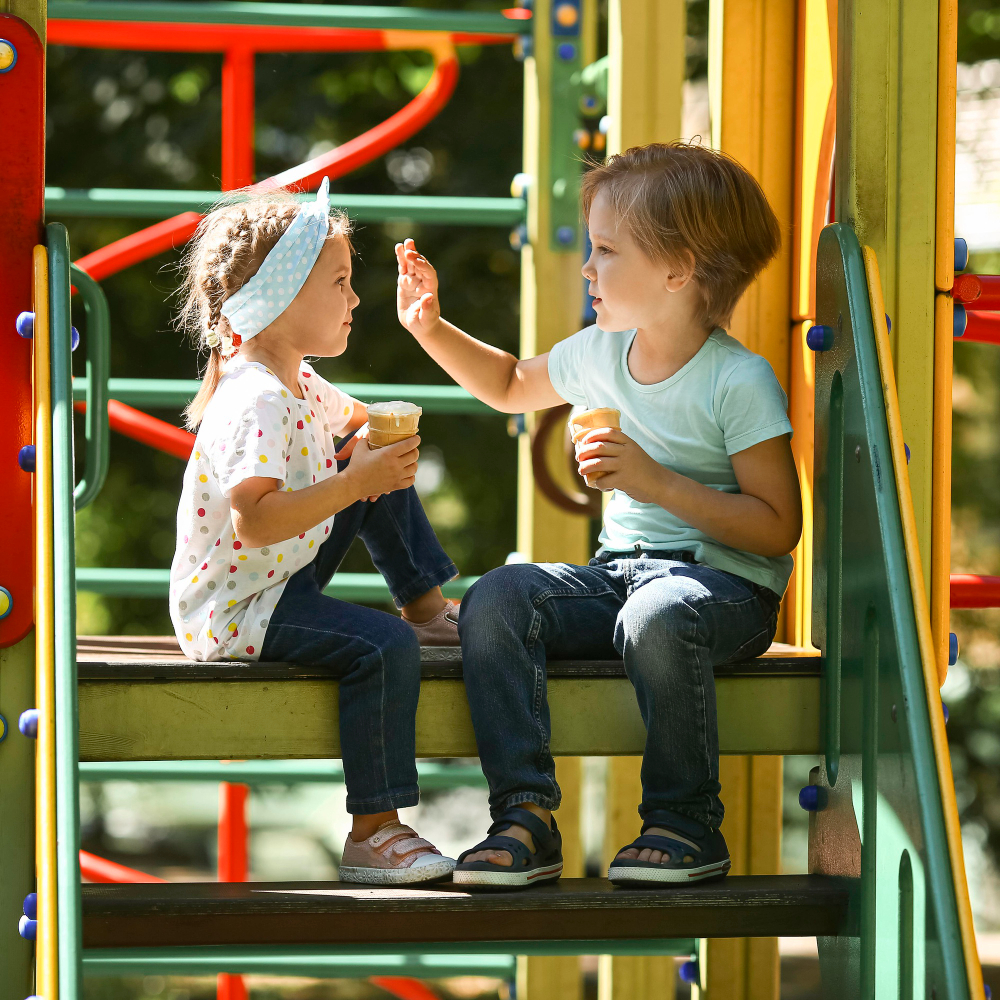
It began with daily incidents that were anything but small. My son repeatedly hugged my daughter against her will, pressing into her space while she pulled away, asking for it to stop. She reported that when she turned to supervision aides for help, they told her it was fine because they were siblings. Staff framed…
-
Advocacy in BC schools: a comprehensive guide for parents
When your child experiences harm in a British Columbia public school—when they are excluded, punished unjustly, denied accommodations, or subjected to practices that violate their dignity—you enter a landscape designed to exhaust rather than resolve, to defer rather than repair, to protect institutional reputation rather than protect children. This guide maps that terrain, naming the…
-
The cancellation
When the principal cancelled the volleyball game, she did more than remove an afternoon of play from a group of eager children, she transformed what should have been a moment of joy and collective affirmation into despair and humiliation, converting what should have been an opportunity to connect and excel as a team into a…
-
Serpentine Heights Elementary (SD36): a neurodiversity-informed policy critique
Serpentine Heights presents its Code of Conduct as an affirmation of safety, inclusion, and communal care. The opening commitments describe a school that values belonging, co-constructed routines, and dignity for every learner, offering a vision of education rooted in relational safety and shared citizenship (p. 1) . This framing gestures toward a caring culture, one…
-
On anhedonia and institutional harm
Anhedonia is defined as the loss of interest, enjoyment, or pleasure in life’s experiences. You may lose the desire to be with others or to do the things that once brought delight. It is often listed as a symptom, as though it arrives like a visitor rather than being summoned by the conditions of your…