

Positive Behavioural Interventions and Supports (PBIS)
Positive behavioural interventions and supports (PBIS) is a school-wide behaviour framework that uses expectations, teaching, reinforcement, data, and tiered interventions to shape student behaviour. In theory, PBIS is meant to create predictable environments and reduce punitive discipline by teaching expected behaviours and supporting students before problems escalate.
In practice, PBIS can become harmful when it treats distress, disability, trauma, sensory overload, communication difficulty, or unmet access needs as behaviour to be managed. Rewards, points, charts, consequences, compliance goals, and “expected behaviour” language can make schools look supportive while still pressuring children to mask, perform, or suppress distress.
For neurodivergent and disabled students, the central question is whether PBIS is being used to understand what the child needs, or to make the child easier for the institution to manage. A framework that rewards compliance without addressing barriers can turn accommodation failure into a child-level problem.
-

Lies, damned lies, and ABA evidence: a prescription for greed
Imagine being told your child needs a treatment. Then imagine learning that the research used to sell that treatment was written, overwhelmingly, by people who make money from the treatment continuing. Now imagine that most of those researchers said they had no conflict of interest. That is the problem sitting underneath ABA. A new Psychology Today article highlights…
-
Bad medicine: ABA is a poison in the bloodstream of public education
The evidence is no longer merely emerging. It is converging. A national study of privately insured autistic youth in the United States matched 17,120 autistic children and youth who received applied behaviour analysis with 17,120 autistic children and youth who did not. The study found that ABA receipt was associated with 30% higher odds of mental…
-

PBIS and oh, the places you’ll go
Remember that Dr. Seuss book promising unlimited potential? Oh, the places you’ll go! Well, PBIS has places to take your kid too. And you’re not going to like where this journey ends. It started with good intentions (it always does) Schools adopted Positive Behavioural Interventions and Supports to reduce suspensions. To build better communities. To…
-
Manitoba’s “positive behaviour agreements” and BC’s PBIS infrastructure
Jillian Enright identifies the central contradiction in Manitoba Education Minister Tracy Schmidt’s 2025 announcement of “positive, student-centred approaches” grounded in what the province calls positive behaviour agreements: these agreements present themselves as collaborative documents created between students and staff, yet the power imbalance renders genuine collaboration structurally impossible, leaving students to validate pre-determined behavioural expectations…
-

Positive behavioural interventions and supports: a behaviourist rebrand
Positive behavioural interventions and supports circulates through British Columbia’s public schools with a gentle, polished confidence, offering administrators the comfort of matrices and fidelity tools, offering families soothing language about positivity and predictability, and presenting itself as an enlightened evolution of schoolwide discipline, yet what I see each time I study its structure is the…
-
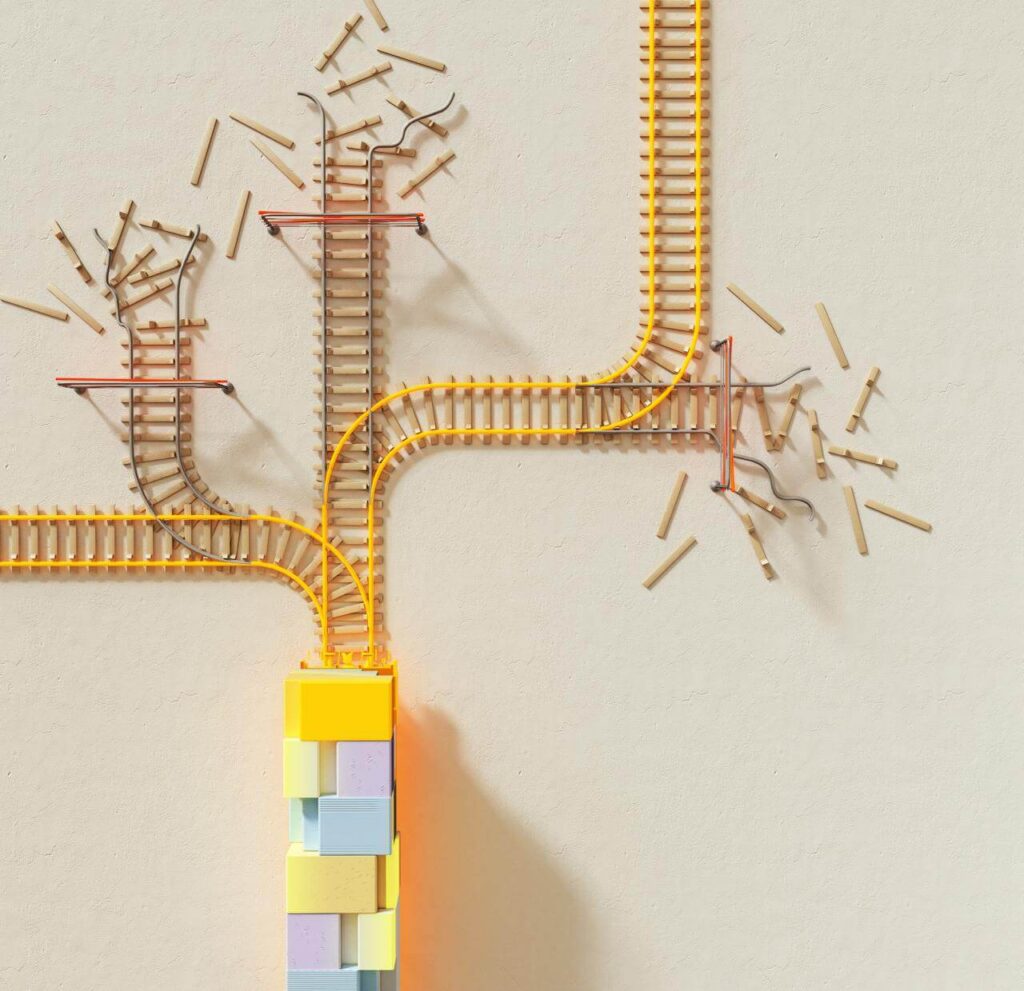
The behaviourist spine of BC’s urgent-response systems
In Urgent behaviour intervention teams in major BC school districts I shared research which identified the intervention teams in many of the larger districts in BC, describing their processes and roles, mostly in the language that they describe their services. This essay attempts to analyse those systems through a disability-justice lens, revealing how roles, processes,…
-

Urgent behaviour intervention teams in major BC school districts
Across British Columbia, many school districts have developed internal teams or programs designed to respond to urgent behavioural situations—such as elopement, aggression, or significant dysregulation—particularly when students are perceived as posing a safety risk or disrupting the learning environment. While these interventions are often framed as supportive or inclusive, families report that they can feel…
-

Non-coercive, trauma-informed alternatives to PBS/ABA in BC schools
Positive Behaviour Support (PBS) and Applied Behaviour Analysis (ABA) are behaviourist approaches widely used in schools to manage student behaviour. However, a growing chorus of neurodivergent advocates, educators, and researchers highlight that these methods often prioritise compliance and “normalising” behaviour over student well-being rcpsych.ac.uk. By focusing on making neurodivergent children appear neurotypical (meeting neuronormative standards), traditional PBS/ABA can…
-

Resist the urge: A student’s call to end collective punishment
Sometimes, the clearest truths are spoken by those closest to the harm, and in this compelling public speaking presentation, one student delivers a simple, resonant message with unmistakable clarity: resist the urge to punish everyone for one person’s mistake. Across just eight minutes, this speaker distils the emotional cost, logical failure, and enduring relational harm caused…