
Residential Schools
Residential schools were state-funded, church-run institutions created to forcibly assimilate Indigenous children by removing them from their families, communities, languages, cultures, lands, and systems of care. In Canada, they operated for more than a century and were central to colonial policy.
Children in residential schools were often punished for speaking their languages, separated from siblings, denied family connection, subjected to neglect and abuse, and taught to see their own cultures as inferior. Many children died. Many survivors carried lifelong trauma, and the harms continue across generations through family separation, language loss, grief, poverty, child welfare involvement, education distrust, and health impacts.
-
Why BC publishes data on Indigenous students but hides data on restraint and seclusion
Every fall the BC Ministry of Education and Child Care releases an annual Aboriginal Report – How Are We Doing? covering Indigenous (First Nations, Métis, Inuit) student outcomes in public schools. For example, the 2023/24 edition (dated November 2024) tracks graduation rates, test scores, course marks, special education designations, survey results, and related indicators for Indigenous and…
-
The Cowichan case, land-title hysteria, and the unfinished work of justice in public education
I have been reflecting on the public reaction to the Cowichan case findings, and the deeper I look, the more I notice similar patterns emerging across conversations about reconciliation and disability justice in public schools: the tendency to get stuck in the T part of “Truth and Reconciliation” and to only have the T be…
-
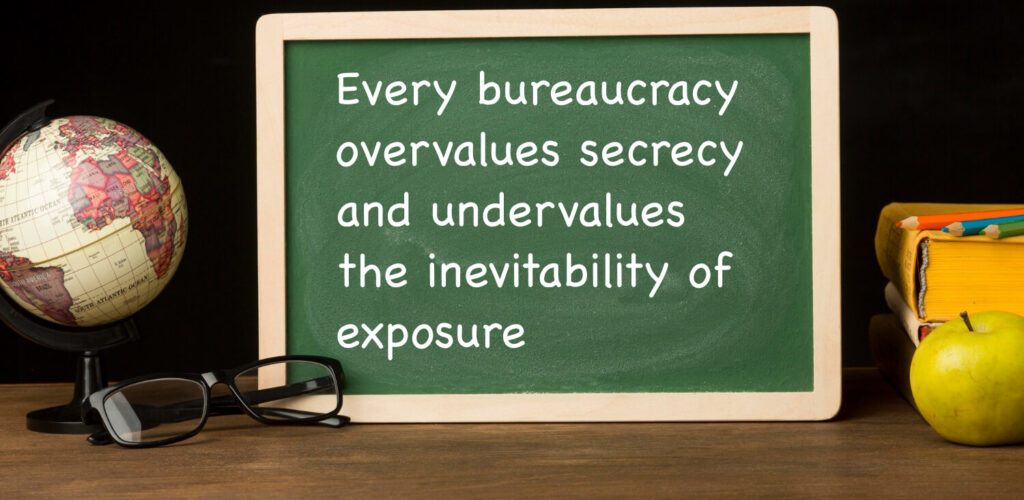
Every bureaucracy overvalues secrecy and undervalues the inevitability of exposure
Bureaucracies function through layers of reporting and review, and these layers create an administrative environment where information moves upward in controlled pathways that privilege institutional interests, because officials rely on curated datasets to demonstrate capability, and these curated datasets shape public understanding. The structure rewards leaders who present clean numbers and reassuring summaries, and this…
-
The orange shirt I folded
I was folding laundry late one night, brain running on the kind of background grief that rarely quiets, when my hand closed around the orange shirt. I moved to set it aside—automatically, instinctively—because I remembered September was coming, school would be starting, and Orange Shirt Day would follow quickly after. That shirt would be needed…
-
Procedural policing of pain: what happens if I keen?
Keening—the sad, piercing wails often heard at a funeral for a child—is a human expression, older than the rules we follow or the schools we enter. It is what happens when grief overwhelms language, when memory floods muscle, when there is nothing left but pain. It is not shouting. It is not rage directed at…
-
Punished for bed wetting
I’ve woken up in the middle of the night to help my children when they’ve wet the bed—perhaps after a bad dream or too much water before bedtime. I remember helping them change their clothes, stripping the bed, telling them gently: it’s okay. It happens. It’s a small moment that reminds me what care looks…
-
What happened to your child is wrong
I didn’t learn about collective punishment as a teenager—reading about war crimes. I remember the moment vividly: the language was clinical, the violations horrific. Among the acts prohibited under the Geneva Conventions, there it was—collective punishment. The targeting of a group for the actions of one. It was described as a violation so clear, so…
-
When harm comes from those entrusted to protect
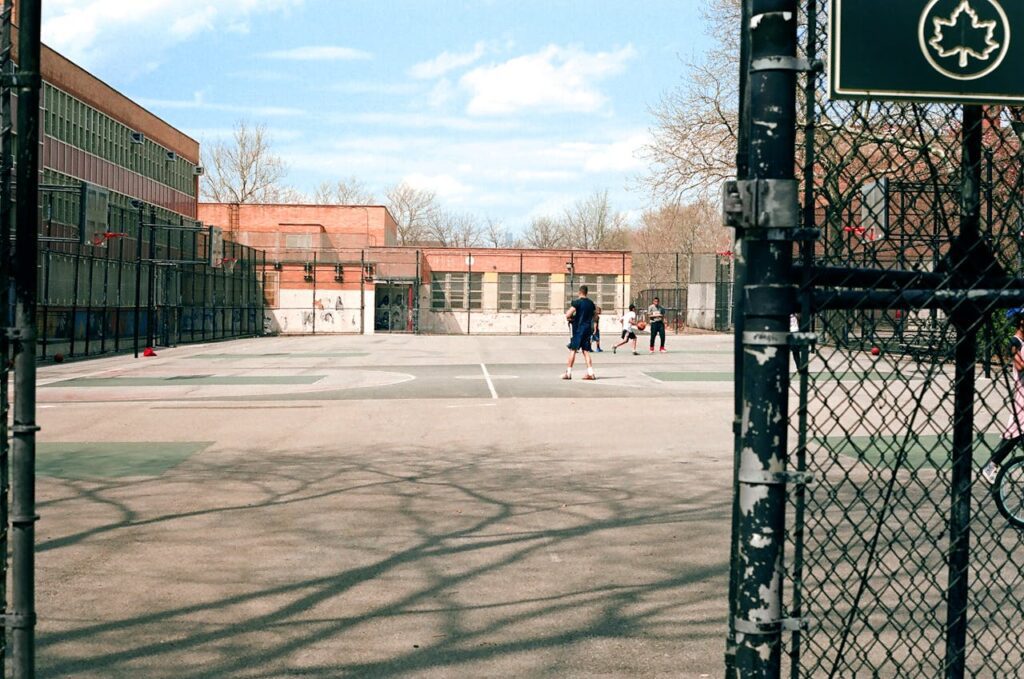
The May 2025 consent resolution involving B.C. principal Pehgee Aranas offers a sobering reminder of the work that remains to make education safe, equitable, and trustworthy for all children—especially those from communities that have been historically harmed by the very institutions meant to support them. When a young First Nations student was physically punished by…
-
The children were made to punish the children
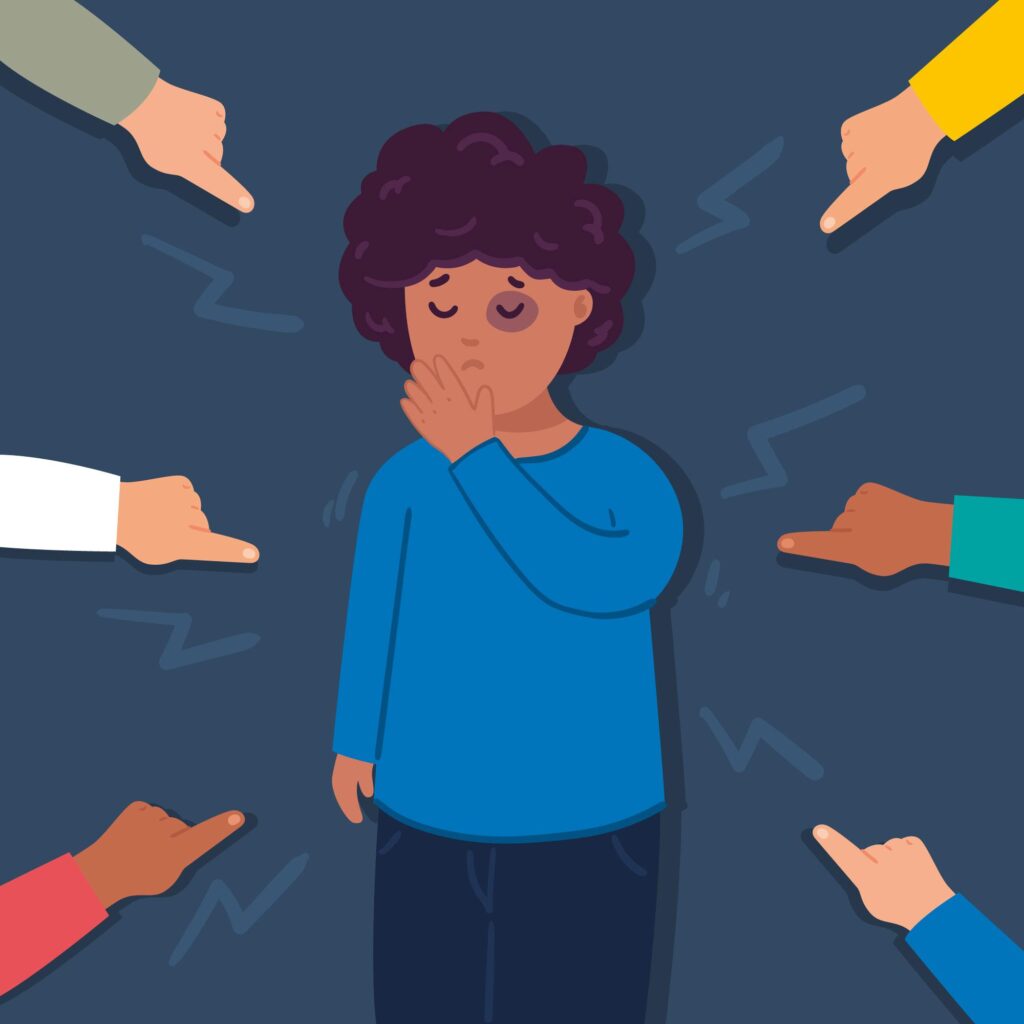
In Canada’s residential schools, older children were instructed to punish the younger ones—to hit them, isolate them, report them for infractions defined by an institution that sought to erase who they were. The adults gave the orders. The children were conscripted to carry them out. This was not incidental. It was structural. It was framed…
-
The long shadow: A history of punishment in Canadian schools
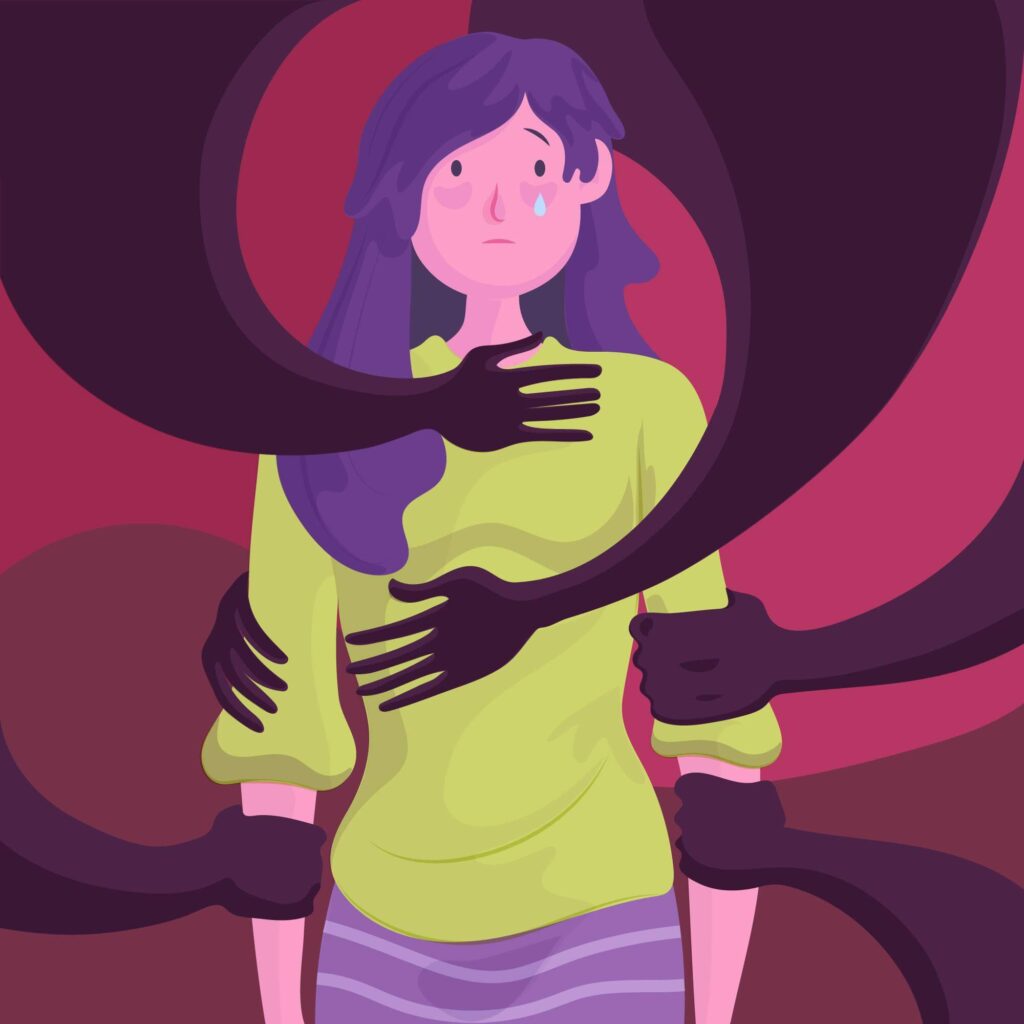
Public education in Canada is often conceptualised as a progressive force—an equaliser, a promise of inclusion. But beneath the surface of this narrative lies a long, often unbroken history of exclusion, coercion, and punishment. Canadian schools have long been sites of control, where discipline was not merely corrective, but foundational to how institutions understood their…
-
Collective punishment in schools: global history and harm
Explore the global history of collective punishment: how it has been defined, justified, resisted, and remembered across cultures and time.
-
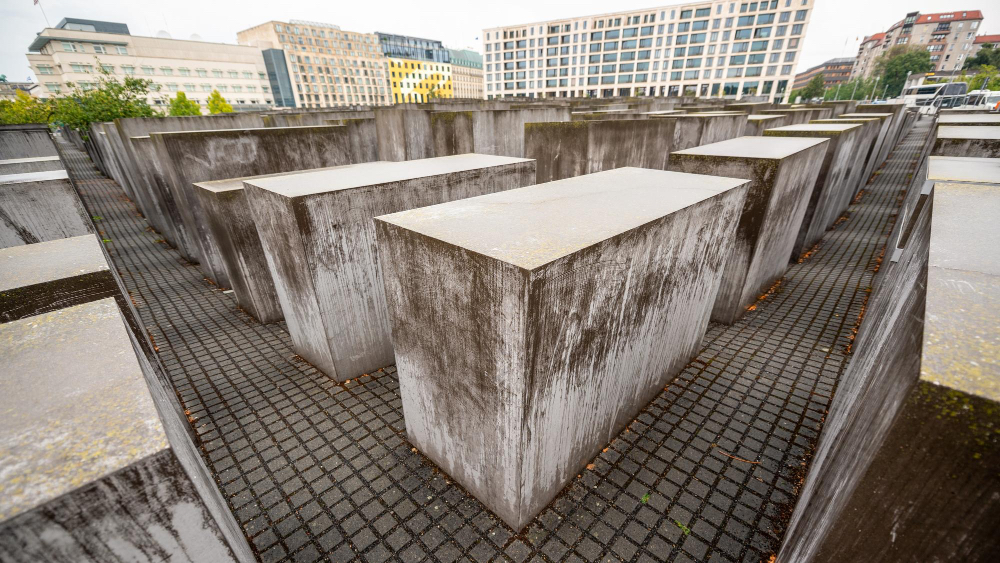
The history of collective punishment
Collective punishment emerged in a time when people were not understood as individuals, but as extensions of the family, the clan, the village. Responsibility was held in common. Honour was shared. So was shame. In such systems, if one person broke a social norm or committed a crime, the entire group was held accountable. Not…
-

Erased voices: mothers and the schoolhouse
Imagine a mother pleading at a school meeting, desperate for support for her child, only to be met with suspicion. In today’s BC schools, some mothers say they’ve been branded “too emotional” or even unfit for fighting for their kids. Instead of solutions, educators have been known to shift blame onto parents: a BC resource…
-
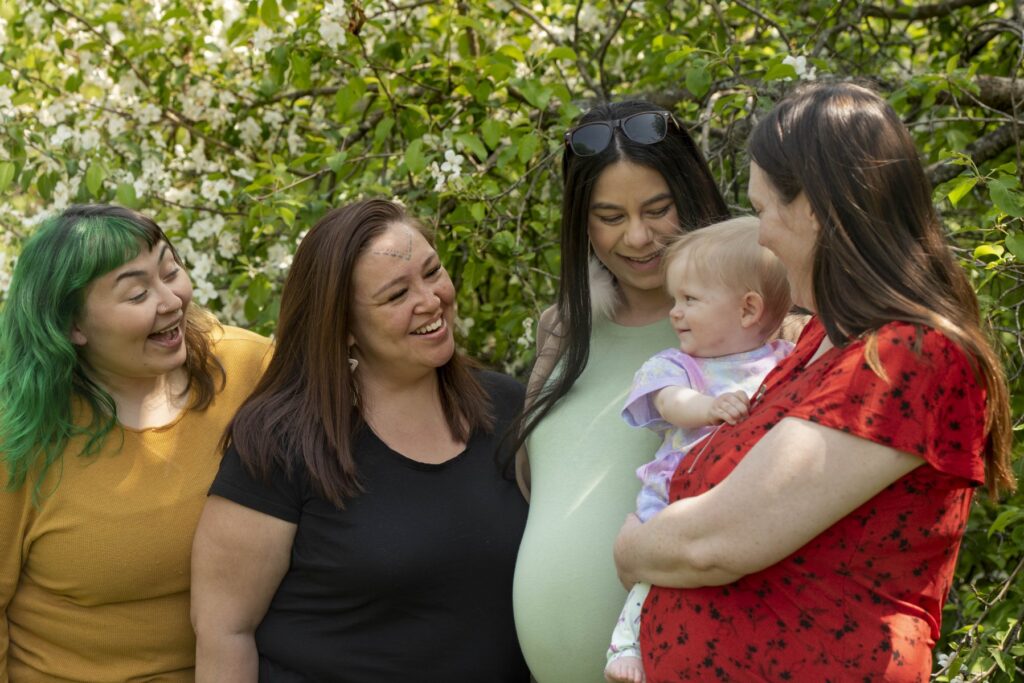
Reconciliation demands that we put collective punishment aside
Collective punishment in residential schools did more than punish children—it shattered the bonds between parents and children. For many parents who survived, the fear, shame, and trauma they endured complicated their ability to nurture trust in their own parenting. Emotional disconnection and disrupted parenting Adults who attended residential schools often struggle to form secure attachments…
-

Data tracking in the residential school system
The Canadian Residential School system (circa 1870s–1990s) was a network of church-run boarding schools funded by the government to forcibly assimilate Indigenous children. In theory, such a large system might have been guided by careful data collection – tracking student health, education outcomes, and well-being. In reality, government officials prioritized ideological goals and cost-saving “optics” over…
-
Why i started this campaign
As a solution architect and parent of disabled children, I’ve seen the public education system from both sides. What I’ve found is not a system in crisis—it’s a system functioning exactly as designed: rewarding compliance, punishing difference, and quietly discarding those who don’t fit. This post explores how exclusionary practices like collective punishment persist in…