

Safety Plans
Safety plans frame institutional responses to disabled children’s distress as protective intervention, documenting procedures for managing moments when the child’s behaviour is determined to pose risk to themselves, peers, or staff. The plans appear in IEP meetings as collaborative problem-solving, presented to families as evidence the school takes their child’s needs seriously, yet the mechanisms authorised within safety plans—room clears, physical restraint, seclusion, immediate parent pickup, partial day attendance—function as pre-approved exclusion that allows schools to remove disabled children from educational spaces without acknowledging the removal as discipline.
The language of safety obscures the reality that these plans rarely make disabled children safer; they make schools more comfortable with exclusionary responses to disability, providing administrative cover for practices that would otherwise require justification as punishment. A safety plan that authorises staff to clear the classroom treats the disabled child’s presence among peers as conditional, something that can be revoked when adults determine the child has crossed the threshold into unmanageability. A safety plan that includes physical restraint gives institutional permission for adults to control a child’s body in moments of distress, framing force as care and treating the child’s autonomy as negotiable when their behaviour becomes illegible to neurotypical interpretation.
Families experience safety plans as the moment the school stops trying to include their child and starts managing the liability their child’s disability represents, the point where accommodation language shifts to risk mitigation and the child becomes a problem requiring containment protocols rather than a student requiring support.
-
PTSD, big reactions, and school’s responsibility for care
The presence of PTSD—whether diagnosed formally or manifesting in trauma-linked behaviours—does nothing to diminish a student’s legal right to safety, dignity, and education. Schools are bound by law to provide accommodations and proactive support to every student, including those whose distress may surface as loud, sudden, or intense reactions. PTSD can be the direct result…
-
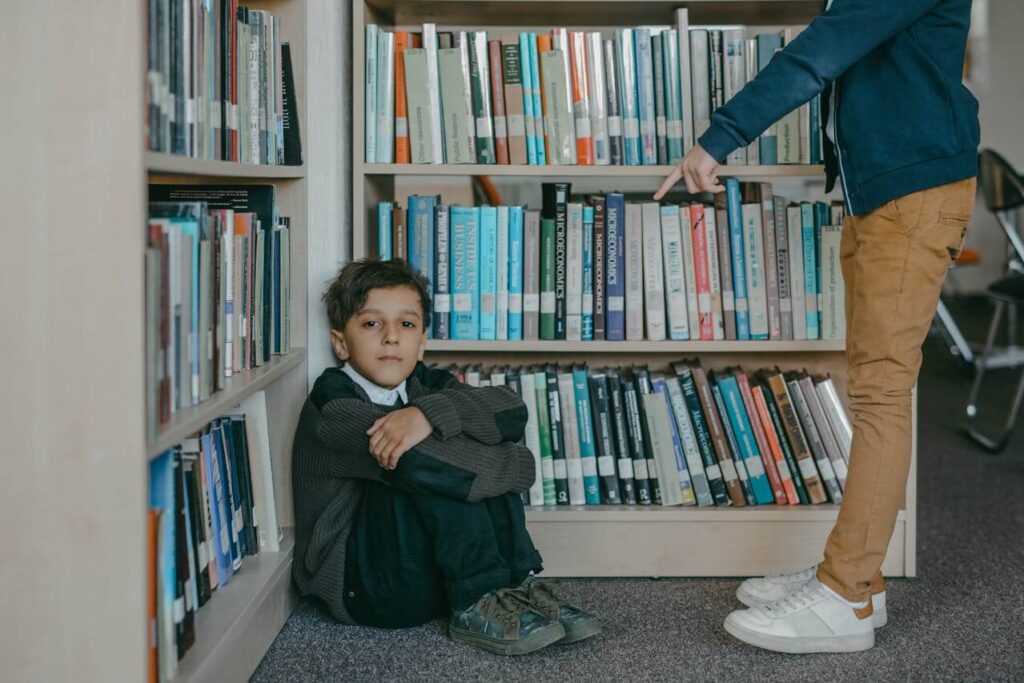
When schools say a child went from “zero to sixty”
Let’s rip the mask off this polite, professional charade: when schools say a child went from “zero to sixty,” they are lying to protect themselves. They are covering for the adults who ignored every warning, missed every signal, and left a child to be harassed, baited, and humiliated until their nervous system screamed for survival.…
-
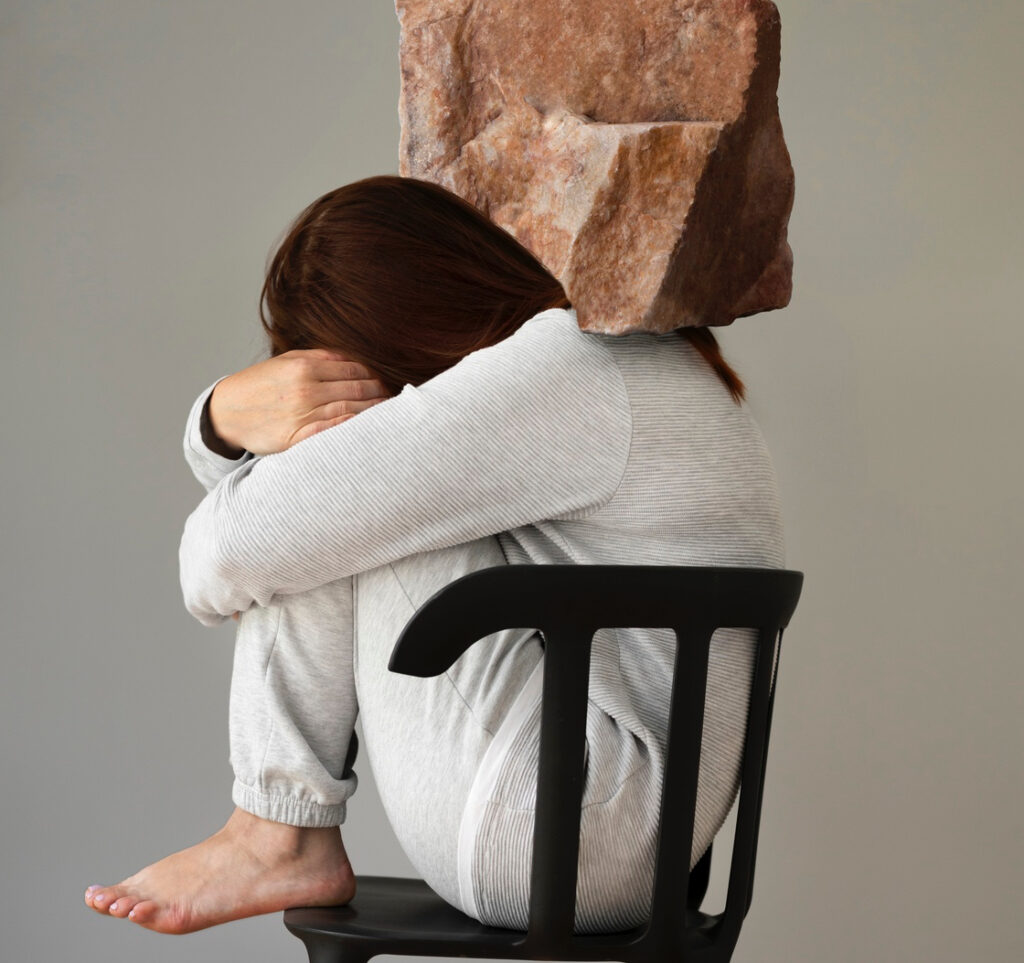
The collective punishment of delayed care
There is a particular cruelty in delayed care, of watching a child falter for weeks or months while teams gather data, debate thresholds, and cite process. It is the cruelty of waiting for collapse before responding, of constructing intervention around crisis instead of prevention. And when the child finally does break, when their distress spills…
-
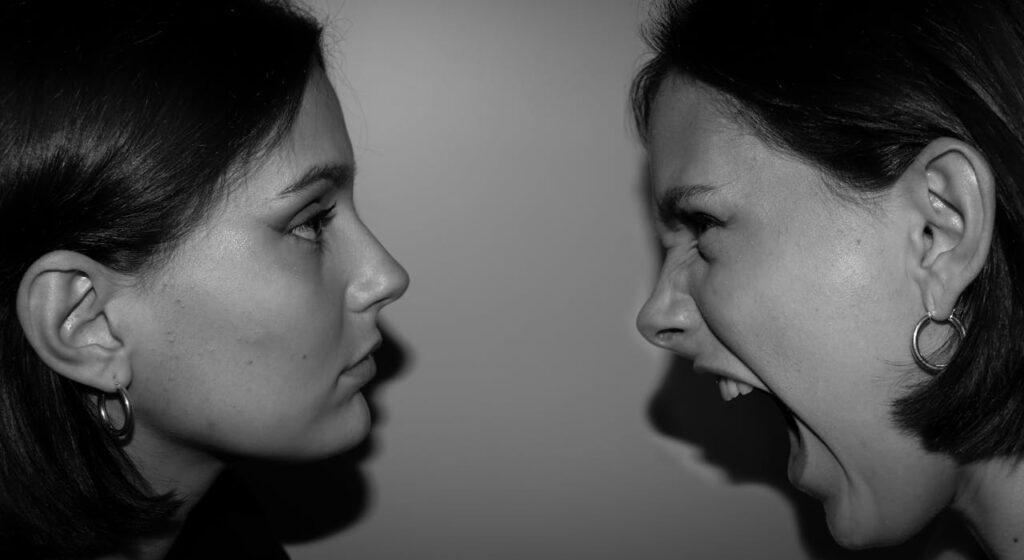
Where do the ideas come from?
You already have the material. The moment your brain caught fire after a school meeting, the voice note you whispered in your car, the email thread that hollowed you out—these fragments hold more power than you realise. This post is a guide to naming those moments, structuring them into posts, and recognising that your rage…
-

How do you live with yourself
Part of my neurodivergence is fatalism; part of it is hyperphantasia; part of it is the inability to look out at a beautiful landscape without imagining loss, rupture, and death, because even as a small child on the ferry to Victoria, while other people were looking out over the water and the mountains and the…
-
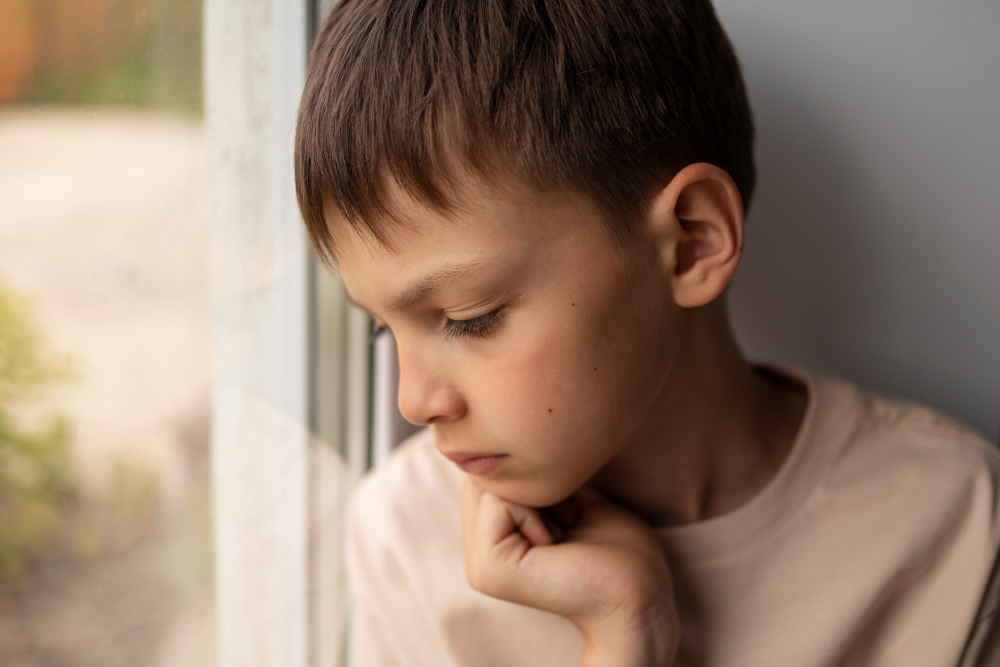
Wait and see: a mother’s warning
Before kindergarten began, we told them—unequivocally, painstakingly, with as much specificity as we could muster—that our son had been harmed in daycare, that he had a long line of diagnoses and was awaiting an autism assessment, that his nervous system was thrashed, and that he would require sustained, full-day relational support in order to experience…
-

Drawn and quartered: Sibling trauma, institutional containment, and the erasure of care for families with multiples
When you are the parent of twins—especially autistic/ADHD twins—you learn very quickly that the education system can’t hold both of them at once. Support is rationed. Attention is rationed. Empathy is rationed. The school system does not say this aloud, of course. It claims to treat every child as an individual. But as soon as…
-
There’s no such thing as unexpected behaviour
This piece was hard to write. It holds my grief. It documents not only what happened to my child, but how systems made it worse by pretending to be surprised. I share it because too many families are made to carry this alone. Every time I see the phrase unexpected behaviour in a school document, a safety…
-

A dictionary of euphemisms in BC ed
A lexicon for decoding the language that makes cruelty sound like care. British Columbia’s education system speaks in a vocabulary of tenderness that conceals its machinery of exclusion. Policies shimmer with words like inclusion, collaboration, and safety, each one polished smooth through repetition until its original meaning dissolves. Beneath the surface lies a structure of governance that relies…
-
No school at all is better than what he endured
No school at all is better than what he endured. That’s the truth I need to say out loud.The harm was not abstract. It was daily, specific, institutional. The classroom was a place where his distress was normalised.Where his needs were pathologised, and his presence was treated as a problem to be managed.He was punished…
-

He doesn’t go from zero to sixty
“He’s not a car,” I said, exasperated, after someone described Robin as going from zero to sixty. The withering look I received in return was pure disgust—as though I had interrupted a sacred adult ritual, as though I may as well have had a huge boil in the middle of my forehead, oozing pus. But…
-

Maternal scream: embodied rage in a system that punishes and smiles
This rage didn’t appear in a vacuum. It was not spontaneous. It is the inevitable consequence of a system that harms children while demanding that mothers smile back. It is what happens when a process is engineered to fail your child and then punishes you for noticing. They built the conditions. You simply refused to…