

Student Exclusion
When children are pushed out of classrooms through isolation, suspension, or informal removals.
-

Why the SD23 suspensions report matters for exclusion analysis
While I was looking for more disclosures from school districts to the Ombudsperson, I stumbled on this older document that summarises suspensions in School District 23. The document offers a valuable complement to the exclusion data disclosed by other districts, because it reveals how disciplinary frameworks operate alongside accommodation-framed removals, and this pairing creates a…
-
What research says about school conduct codes and disabled students
This explainer summarises what a small but influential group of scholars have shown about school discipline policies, student codes of conduct, and how these frameworks disproportionately harm disabled and neurodivergent students. It draws especially on the work of Catherine K. Voulgarides, Russell J. Skiba, Daniel J. Losen, David Osher, and Edward Fergus. Where possible, citations…
-
Rocky Mountain School District (SD) inclusion education update
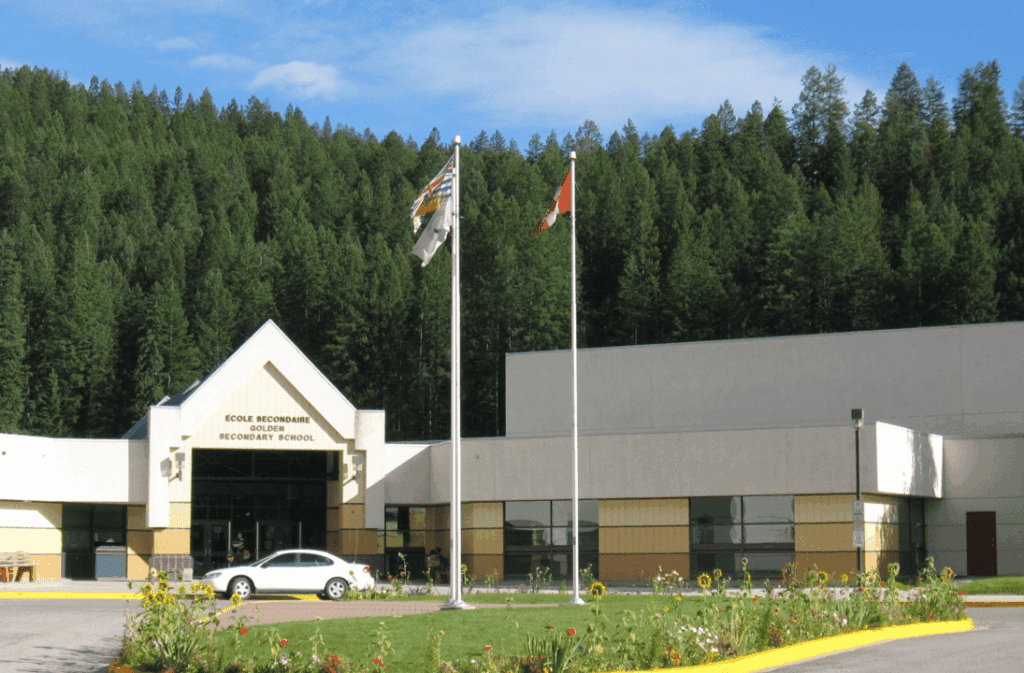
I found an update in the October 14, 2025 board meeting package, starting on page 45. The update opens by outlining the provincial model so trustees and families understand the constraints shaping services. BC uses a model created more than twenty years ago, which places most learning support funding into the general per-student allocation. Only…
-

Pacific Heights Elementary School (SD36): a neurodiversity-informed policy critique
The Pacific Heights Elementary Code of Conduct positions the school as a community of “learners (curiosity, humility, engagement, wonder, delight, creativity, collaboration, passion)” and emphasises “care for self, others, and the environment,” framing positive relationships as “foundational to learning.” This aspirational preface signals a relational ethos. Yet the operational sections reveal a blend of restorative…
-
North Surrey Secondary (SD36): a neurodiversity-informed policy critique
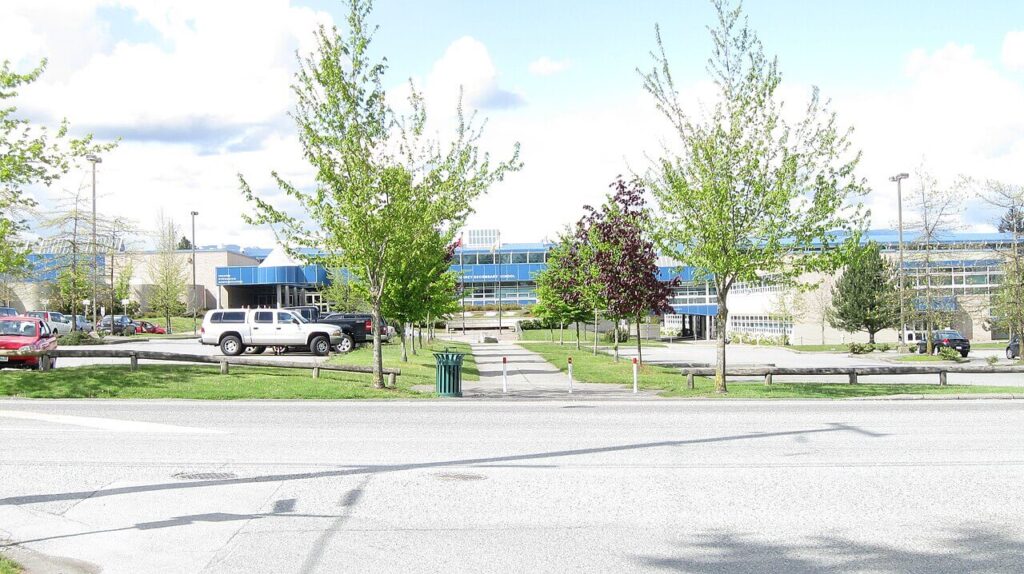
North Surrey Secondary’s 2024–25 Parent/Student Handbook presents itself as a practical guide to daily school operations, but its conduct code reveals a disciplinary framework anchored in behavioural control, punctuality, and compliance. Its language reflects a pre-neuroscience understanding of student behaviour, one that frames regulation as obedience, distress as misconduct, and support as conditional upon conformity.…
-
Why disabled kids are missing more school than peers
Tara Carman recently wrote an article about rising absences from school and suggested that the trend may be linked to a growing mental health crisis: Why are so many kids calling in sick for school? That explanation captures part of the reality, yet it overlooks a parallel and far more specific pattern that many families…
-

Partial exclusion, full harm
The Tribunal’s decision in Student Y by Grandparent S v. Board of Education of School District No. X, 2024 BCHRT 353, with refusing the application to dismiss, affirms that partial school days, repeated over months or years, operate as a sustained pattern of exclusion that shapes a child’s developmental trajectory, erodes educational access, and profoundly alters the…
-

A data story from Southeast Kootenay District
I lived in Nelson as a child. The racial diversity was low. I know it has increased over time, yet it remains a small community, and when a young child arrives from another country and is visibly a person of colour, that presence remains noticeable across the Kootenays. This context matters when reading district records.…
-

The architecture of responsibility in systems that harm
When a system produces predictable, patterned harm — exclusion, restraint, academic abandonment, institutional gaslighting, attrition framed as “choice,” disability-based discrimination — that harm arises from the structural design of the system itself, because structures generate outcomes with the same reliability that rivers carve their beds, and structures reveal the priorities of the province long before…
-
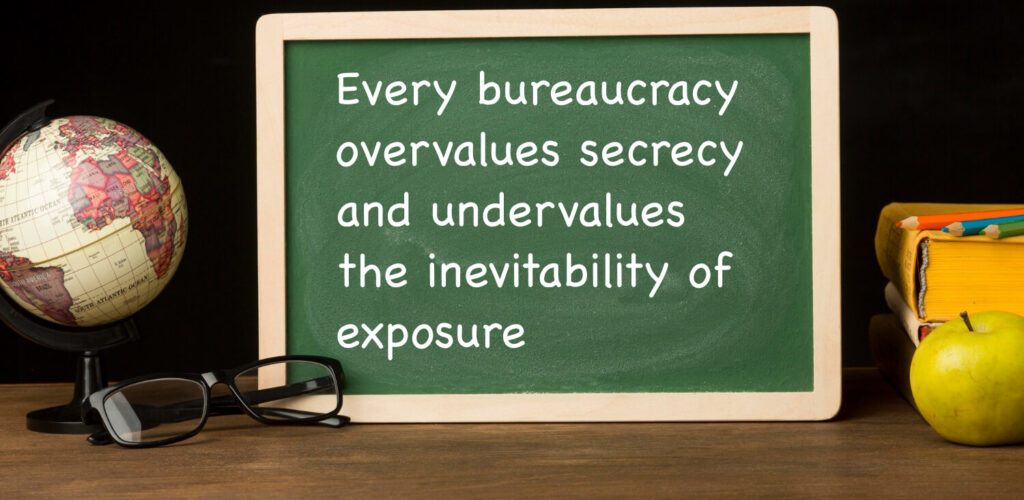
Every bureaucracy overvalues secrecy and undervalues the inevitability of exposure
Bureaucracies function through layers of reporting and review, and these layers create an administrative environment where information moves upward in controlled pathways that privilege institutional interests, because officials rely on curated datasets to demonstrate capability, and these curated datasets shape public understanding. The structure rewards leaders who present clean numbers and reassuring summaries, and this…
-

The ethics of counting crisis
I have been packing boxes between paragraphs, writing this series while selling my home—a process shaped by exclusion and the loss of stability that followed my children’s experiences in the Vancouver School District. I approach this work from a lifelong love of data and technology, aware that the same tools I value can create harm…
-

BCEdAccess on Room Clear Tracker
The BCEdAccess post about the Surrey classroom-clear tracker is a dire and necessary warning. Parents are raising concerns that come from lived experience, not abstract theory. They have seen how data about vulnerable children, even when anonymised, can expose them to harm. Their argument is simple: tools meant to improve safety can easily become tools…
-

The architecture of blame
Before my kids were hurt at school and i was left to pick up the pieces, I tried to make things easier for everyone—packing lovely lunches, remembering birthdays, sending notes to teachers, keeping the peace. I thought that being organised and kind could protect us. I thought that if I stayed composed, things would stay…
-
Bootcamp for mothers: how to send your disabled child to school
Each year around Remembrance Day, I find myself thinking about what it means to live inside a culture that trains endurance as its highest virtue. Across this series, I have been writing about how the language of war has infiltrated the spaces that claim to protect children. In genocide and the classroom examined how distress becomes procedural; The…
-

Controversy over Room Clear Tracker
When we first shared the launch of Surrey’s Room Clear Tracker, we saw it as a potential step toward long-overdue transparency. For many families, including my own, the absence of data about classroom evacuations has preserved the illusion of safety while concealing the scale of harm. The idea that someone, finally, was counting felt like…
-
Surrey parents launch classroom crisis tracking tool
In Surrey, British Columbia, a new parent-led initiative is bringing long-needed visibility to a silent crisis in public education: classroom evacuations when a student experiences distress. The Surrey District Parents Advisory Council (DPAC), in partnership with the Surrey Teachers’ Association and CUPE 728, has launched a tool to track these classroom clearings, documenting how often…
-

Kelly Gallagher-Mackay on the future of public education
In On Student Absences, Race-Based Data, Private Schools and More, education scholar Kelly Gallagher-Mackay reminds us that public schooling in Canada remains one of the few institutions still striving for equality, even as it strains under chronic absenteeism, inequity, and mental-health collapse. She notes that the share of students missing over ten percent of classes…
-
When righteousness and safety diverge
Every parent who becomes an advocate stands at the threshold between justice and protection. We enter the arena to make things better, yet the fight itself can wound the very children whose pain brought us here. There is always a moment—quiet, terrible—when the pursuit of systemic change begins to scrape against the body of a…
-

After Moore: why winning didn’t fix public education
When the Supreme Court of Canada ruled in favour of Jeffrey Moore and his family in 2012, affirming that meaningful access to public education was not a luxury but a legal right for disabled students, it seemed as though the tide had turned. The Court’s decision, rooted in the BC Human Rights Code and later…
-

No accidents left to excuse
When I first read the Canary Collective’s Systemic Abuse in Education: Breaking the Cycle and Kim Block’s companion essay Is this Systemic Oppression or Systemic Abuse?, I did not feel revelation so much as recognition. I have called what happens to disabled and neurodivergent children in British Columbia’s schools abuse for years, because the word fits the scale…