
Truth and Reconciliation
The legacy of residential schools and colonial policy continues to influence public education in British Columbia. It reflects on the challenges of addressing systemic racism, exclusion, and unequal access for Indigenous students within existing school structures. Content includes responses to the Truth and Reconciliation Commission’s Calls to Action, with a focus on identifying policy gaps, documenting harm, and amplifying voices.
-
CBC covers SD8’s elimination of Indigenous Education teachers
Earlier this week we wrote about School District 8’s decision to cut all Indigenous Education teacher positions from its elementary and middle schools, replacing them with support workers — a role with no instructional authority and no capacity to lead the cultural programming these teachers built over years. CBC’s Amber Wang has now published a…
-
Save Indigenous Education teachers in SD8
Kootenay Lake School District is moving toward a staffing change in Indigenous Education that families say will remove teacher-led Indigenous Education from elementary and middle schools and replace the teacher with Indigenous Support Worker positions. On paper, this may look like a staffing model change. One role is removed. Other roles are added. A budget…
-
Why BC publishes data on Indigenous students but hides data on restraint and seclusion
Every fall the BC Ministry of Education and Child Care releases an annual Aboriginal Report – How Are We Doing? covering Indigenous (First Nations, Métis, Inuit) student outcomes in public schools. For example, the 2023/24 edition (dated November 2024) tracks graduation rates, test scores, course marks, special education designations, survey results, and related indicators for Indigenous and…
-
The Cowichan case, land-title hysteria, and the unfinished work of justice in public education
I have been reflecting on the public reaction to the Cowichan case findings, and the deeper I look, the more I notice similar patterns emerging across conversations about reconciliation and disability justice in public schools: the tendency to get stuck in the T part of “Truth and Reconciliation” and to only have the T be…
-
The orange shirt I folded
I was folding laundry late one night, brain running on the kind of background grief that rarely quiets, when my hand closed around the orange shirt. I moved to set it aside—automatically, instinctively—because I remembered September was coming, school would be starting, and Orange Shirt Day would follow quickly after. That shirt would be needed…
-
Punished for bed wetting
I’ve woken up in the middle of the night to help my children when they’ve wet the bed—perhaps after a bad dream or too much water before bedtime. I remember helping them change their clothes, stripping the bed, telling them gently: it’s okay. It happens. It’s a small moment that reminds me what care looks…
-
When harm comes from those entrusted to protect
The May 2025 consent resolution involving B.C. principal Pehgee Aranas offers a sobering reminder of the work that remains to make education safe, equitable, and trustworthy for all children—especially those from communities that have been historically harmed by the very institutions meant to support them. When a young First Nations student was physically punished by…
-
The children were made to punish the children
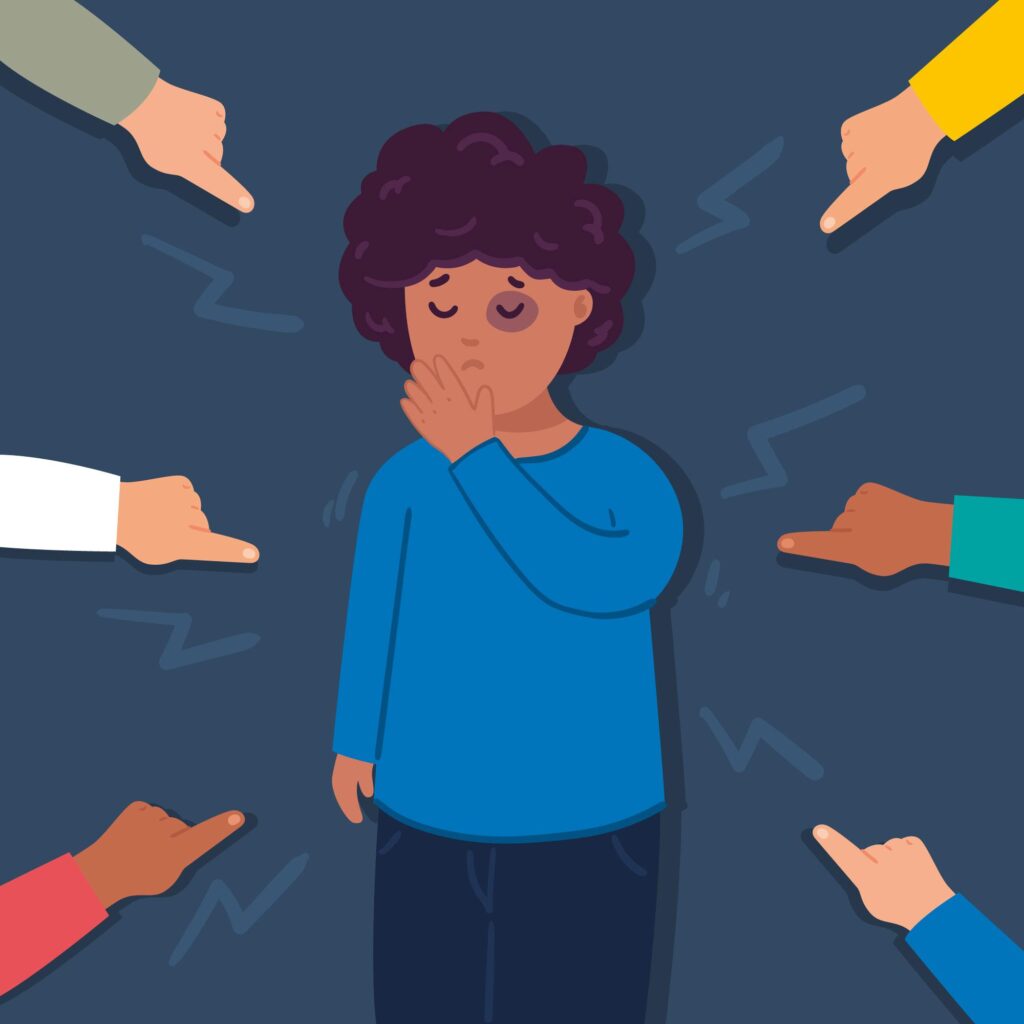
In Canada’s residential schools, older children were instructed to punish the younger ones—to hit them, isolate them, report them for infractions defined by an institution that sought to erase who they were. The adults gave the orders. The children were conscripted to carry them out. This was not incidental. It was structural. It was framed…
-
A landmark case for educational justice in BC
The May 2025 decision from the BC Human Rights Tribunal in Parent obo Student v. BC Ministry of Education and another, 2025 BCHRT 112 carries profound implications for families fighting systemic discrimination in education—particularly those challenging collective punishment, exclusion, and partial-day attendance programs imposed on disabled students. While the complaint against the Ministry was dismissed, the Tribunal…
-
Reconciliation demands that we put collective punishment aside
Collective punishment in residential schools did more than punish children—it shattered the bonds between parents and children. For many parents who survived, the fear, shame, and trauma they endured complicated their ability to nurture trust in their own parenting. Emotional disconnection and disrupted parenting Adults who attended residential schools often struggle to form secure attachments…
-
Data tracking in the residential school system
The Canadian Residential School system (circa 1870s–1990s) was a network of church-run boarding schools funded by the government to forcibly assimilate Indigenous children. In theory, such a large system might have been guided by careful data collection – tracking student health, education outcomes, and well-being. In reality, government officials prioritized ideological goals and cost-saving “optics” over…
-

Help please: call for Indigenous perspectives on collective punishment in BC schools.
We are seeking contributions from Indigenous scholars, knowledge-keepers, writers, parents, educators, and community leaders on discipline, punishment, exclusion, and accountability in British Columbia’s public schools. This project began from a concern that some school discipline practices — including collective punishment, exclusion, surveillance, public shaming, and informal removal — may sit within longer histories of colonial…