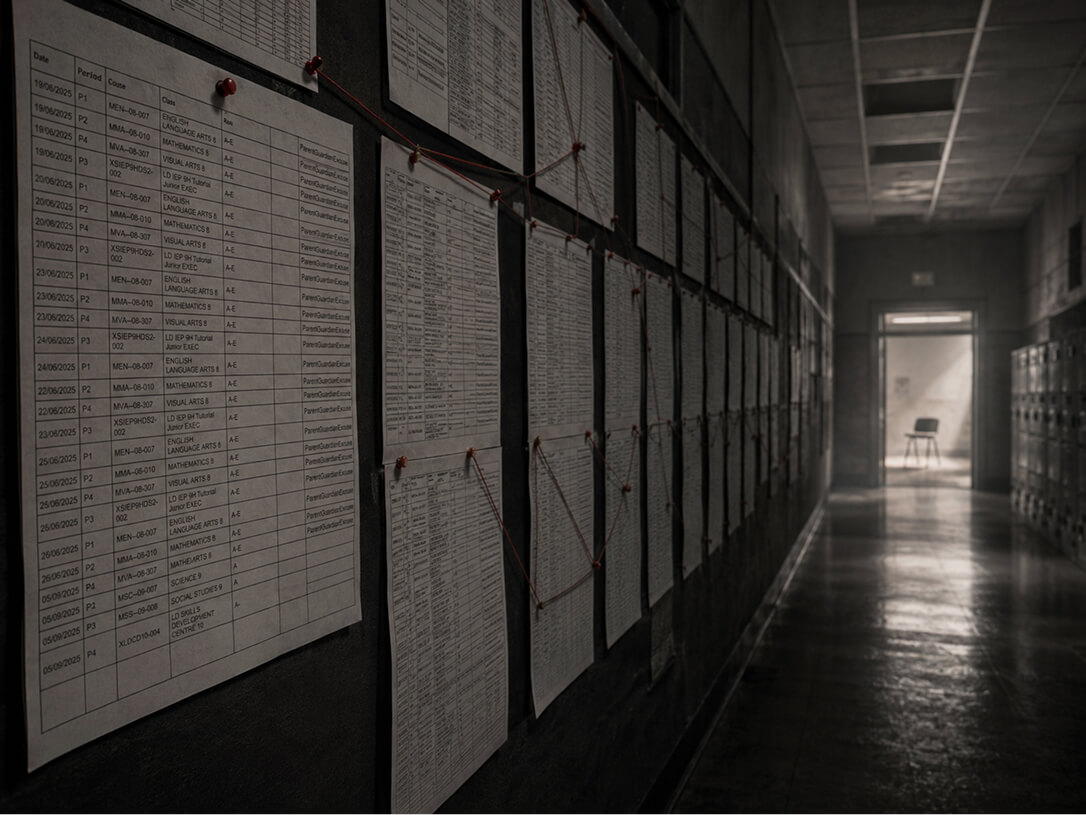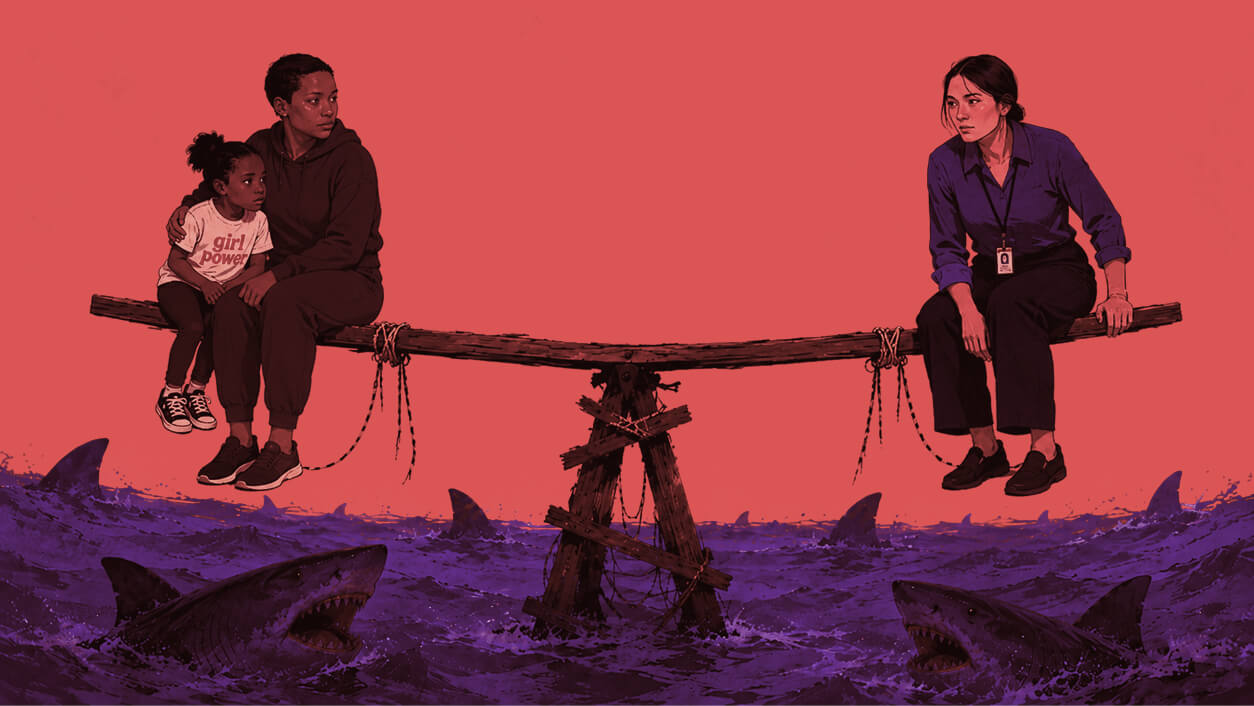
Institutional betrayal refers to the pain and disorientation that arise when an institution charged with care or protection—such as a public school—becomes the source of harm. This betrayal is often layered: not just the initial failure to support a student, but the denial, deflection, or cover-up that follows. For families of disabled or neurodivergent children, it often feels like being gaslit by an entity that claims to be inclusive.
Examples include schools that ignore parent concerns until there’s a crisis, rewrite the narrative to protect staff, or pressure families into silence through appeals to ‘teamwork’ or ‘tone.’ Institutional betrayal is not simply about mistakes—it’s about harm that is embedded in structures, routines, and strategic omissions.
The impact is profound. Families may lose trust in the entire system, withdraw children, or internalise guilt and confusion. Students may learn that even when they speak up, no one will listen—or worse, that speaking up leads to retaliation. Naming this betrayal is a powerful step toward repair and prevention, but most schools are still deeply uncomfortable acknowledging it exists at all.
-

The barn, not the mother
A version of you existed before all this, and she would have been horrified. She would have watched…
-

Happy Mother’s Day, bitches
Mother’s Day for the mothers who are done being good: maternal rage, institutional failure, and why being reasonable…
-

Exclusion is economically irrational and the hidden costs of refusing accommodation
BC schools spend more money refusing accommodation than providing it. Learn when hiring a lawyer becomes the only…
-

When advocacy stops being collaboration
You’re dealing with a school district, and a recognition is starting to settle: advocacy will not going to…
-

Navigating school meetings without losing your mind
School meetings occupy a particular kind of hell where institutional power performs collaboration while enacting control, where districts…
-
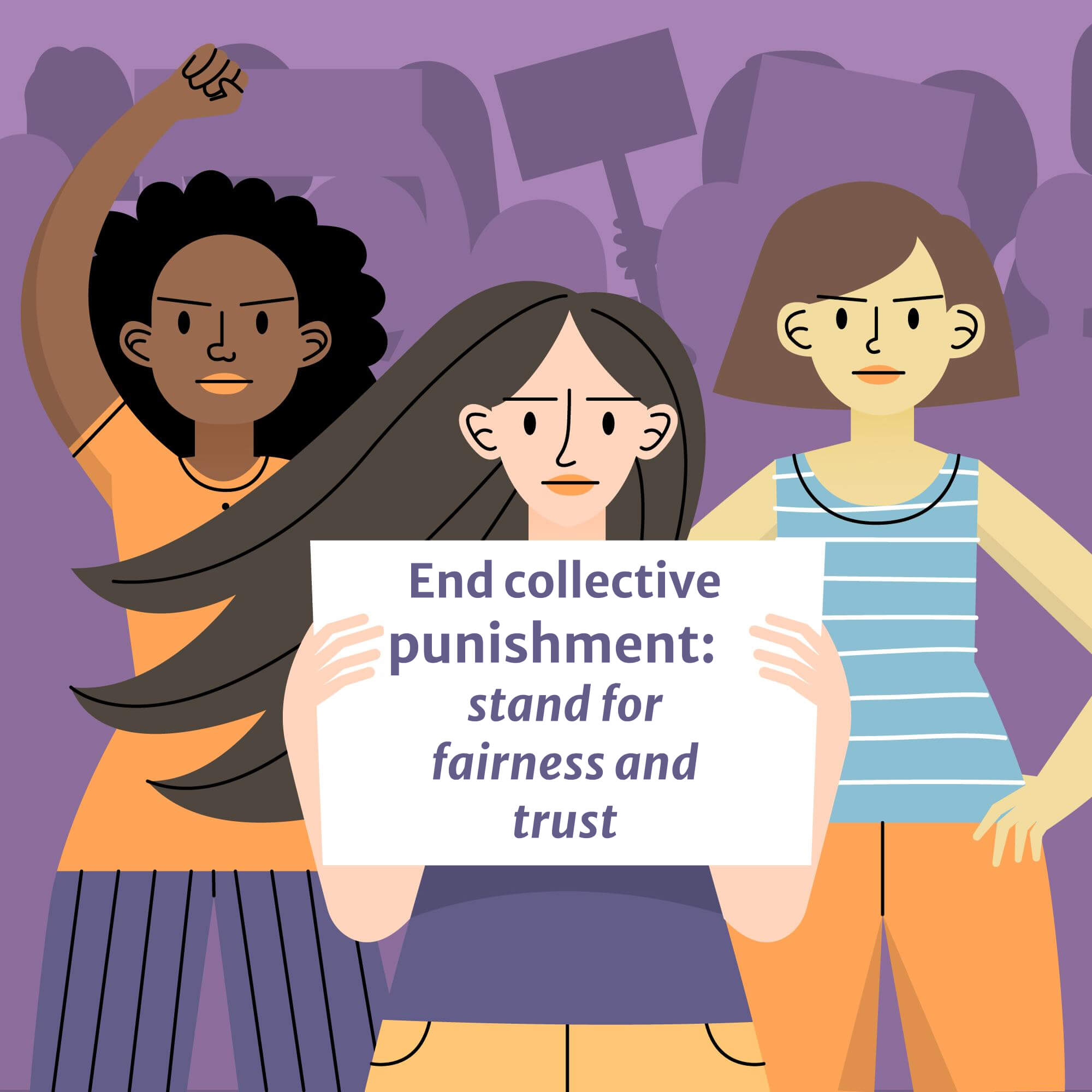
The internet has spoken: collective punishment in schools is wrong
When teachers punish entire classrooms for the actions of one student—when recess disappears because someone talked, when rewards…
-

POPARD’s PDA doublespeak
I noticed that POPARD is advertising another workshop on Pathological Demand Avoidance (PDA) in April 2026, titled Pathological Demand…
-

Why the evolving understanding of childhood terrifies systems built on scarcity
Children now arrive at school shaped by homes that honour physiology over performance, autonomy over obedience, and co-regulation…
-
Institutional responses to complaint
I have been reading Sara Ahmed’s Complaint! and it almost feels as though I have been working backwards. I wish…
-

Advocacy in BC schools: a comprehensive guide for parents
When your child experiences harm in a British Columbia public school—when they are excluded, punished unjustly, denied accommodations,…