

Advocacy and resistance
Advocacy, organising and resistance names the work families and communities do to challenge school harm and build collective power. It includes parent-led advocacy, public pressure, evidence-gathering, storytelling, campaigns, coalition work, and the refusal to let institutional narratives define children’s suffering as normal, inevitable, or deserved.
-
Comparison of Provincial and Territorial rules on collective punishment in schools
Across Canada, policies on student discipline vary widely—but only one province, Nova Scotia, has taken the decisive step of explicitly banning collective punishment in schools. In April 2025, Nova Scotia revised its Provincial School Code of Conduct Policy to require individualised responses to student behaviour, affirming that group-based discipline is not just ineffective but unjust.…
-

Grievability and legitimacy in BC Schools
Disabled children are being pushed out of public education—and their families are picking up the pieces. This post examines who is seen as worthy of support, what it costs when systems abandon care, and why the quiet exodus from schools is not a choice, but a failure of justice.
-
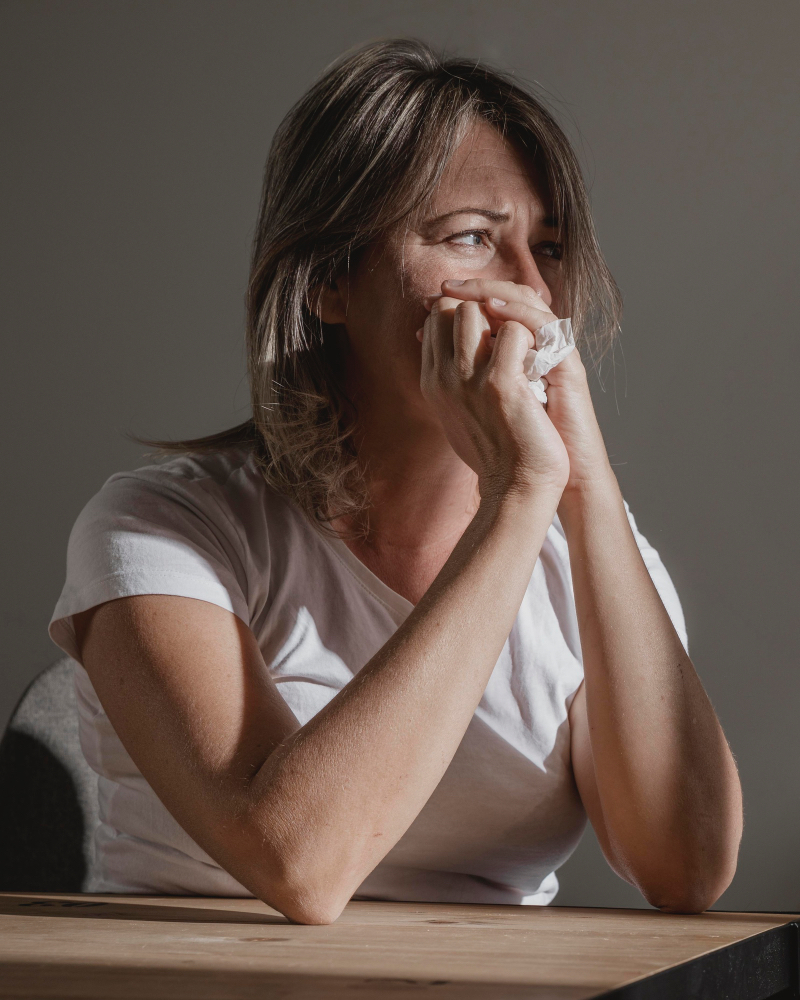
The politics of politeness: how tone-policing silences parent advocates
When a parent dares to speak plainly about harm—especially when that harm is systemic, ongoing, and inflicted upon a disabled child—they are swiftly met with a familiar response: watch your tone.
-
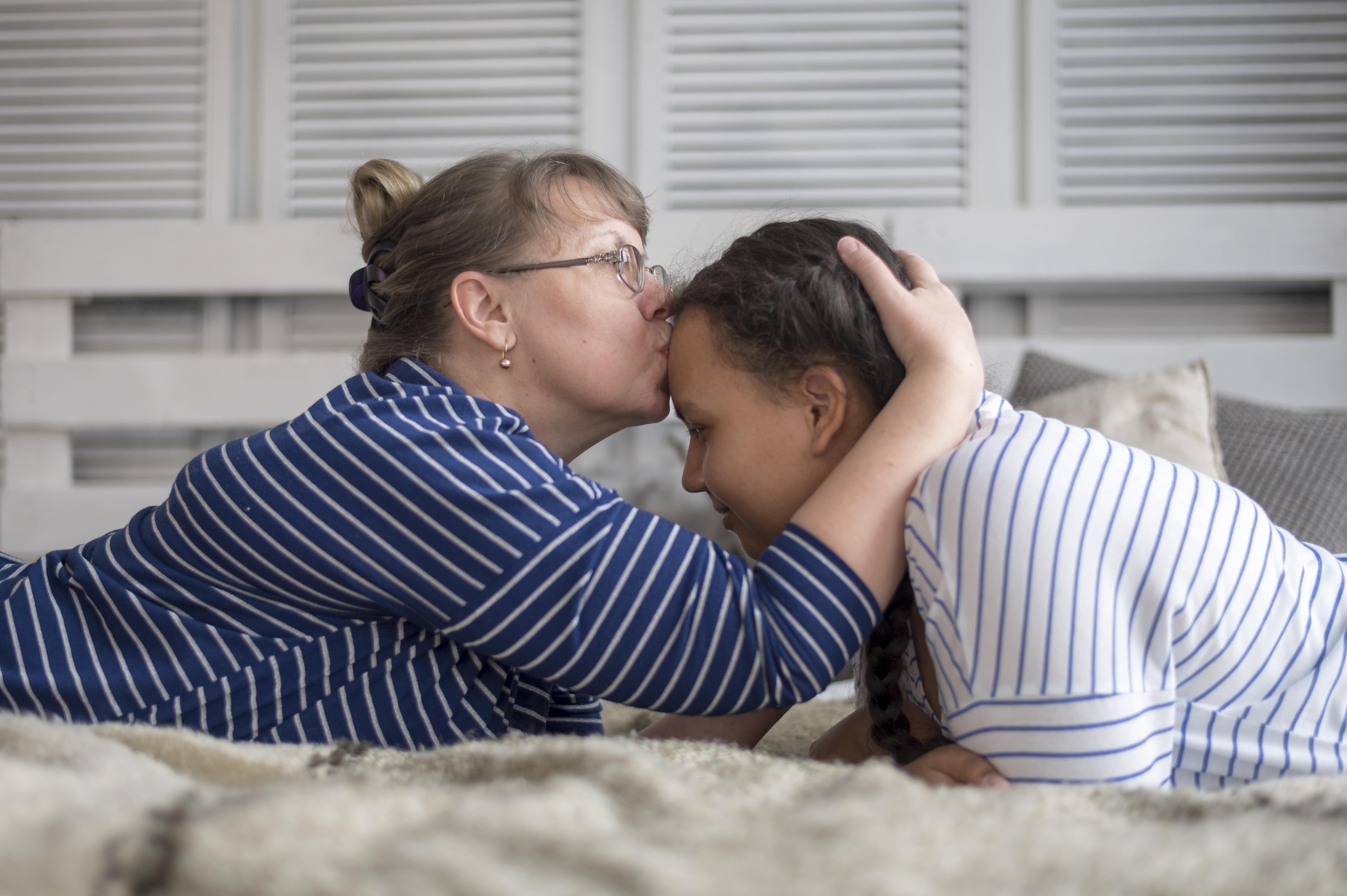
You’re not wrong: reflections on motherhood and advocacy
This piece is for the mothers who have become unrecognisable to themselves in the crucible of advocacy—those who perform calm while their bodies tremble with rage, who write polite emails through tears, who scream in the car and smile in the meeting. It is for the women whose clarity was framed as aggression, whose persistence…
-
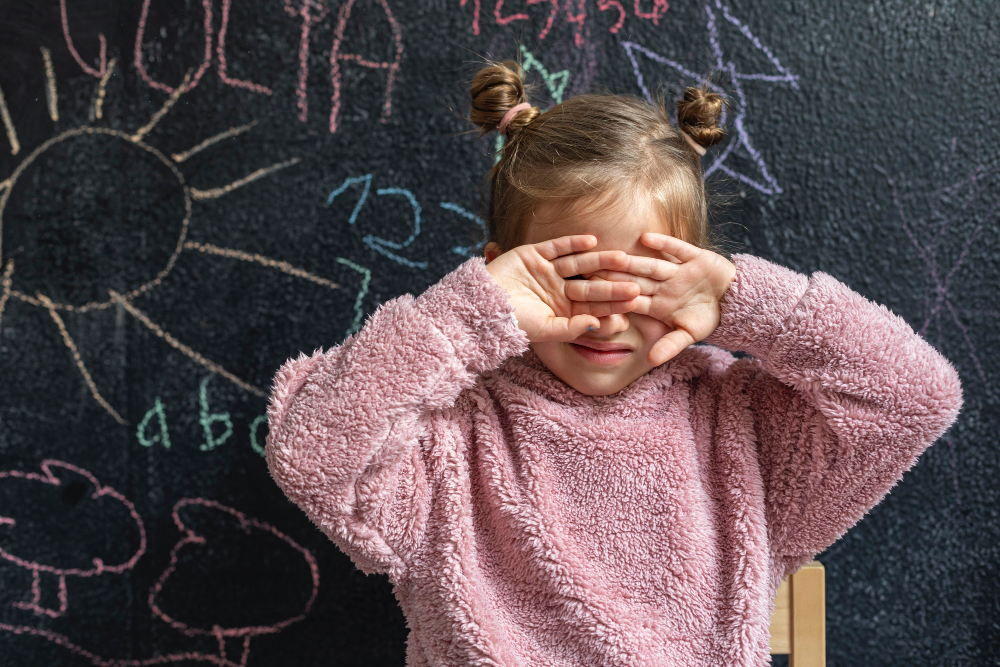
The ABCs of regressive punishment
Discipline in schools is rarely neutral. For neurodivergent students, it often takes the form of quiet harm—masked as structure, delivered as shame. From exclusion and forced apologies to behaviour charts and the denial of recess, regressive punishment practices remain embedded in our classrooms. They don’t teach accountability. They teach fear, isolation, and the high cost…
-

Petition to end collective punishment in BC Schools
Collective punishment in schools continues in British Columbia, where children are still punished for things they didn’t do—or because others near them did something wrong. Under international law, including Article 33 of the Geneva Conventions, collective punishment is prohibited. It is considered unjust in times of war. But in our schools, it continues under the…
-
Collective punishment: a focal point of injustice
Collective punishment, the practice of disciplining a whole group for the misdeeds of one or a few, is widely recognised as unjust and counterproductive. Children know it’s wrong Even children intuitively grasp its unfairness. In one famous case, an 11-year-old student in the UK bluntly told her teacher that “collective punishment… is not fair on the…
-

Neurodiversity-affirming IEP goals that build accountability and reduce burnout
When classrooms become overwhelmed, the strain doesn’t just fall on adults—it radiates through the entire learning environment. Neurodivergent students, in particular, often act as emotional barometers—canaries in the classroom. They feel the tension, chaos, and unpredictability more acutely than their peers. When co-regulation breaks down, or when expectations are unclear, these students are often the…
-

A dictionary of euphemisms in BC ed
A lexicon for decoding the language that makes cruelty sound like care. British Columbia’s education system speaks in a vocabulary of tenderness that conceals its machinery of exclusion. Policies shimmer with words like inclusion, collaboration, and safety, each one polished smooth through repetition until its original meaning dissolves. Beneath the surface lies a structure of governance that relies…
-
How to lodge an education appeal in British Columbia
Filing an appeal in the Vancouver School District is not for the faint of heart. It’s like falling on glass slowly. Emotionally draining by design. But for some families, it is the only path left. I’ve filed several myself. Sometimes, my child got a little more support. Other times, I walked away empty-handed but still…
-

“Urgent: Third Request” — what to do when schools ignore your emails
You write the email. You name the problem. You describe, in detail, what your child is experiencing and what they need to be able to participate. You’re respectful, clear, and solution-focused. And then—you wait. For many families, especially those raising disabled or neurodivergent children, this scenario is far too familiar. The moment you speak up—especially…
-
Regulation isn’t colouring a box: how neurotypical emotion models can harm autistic kids
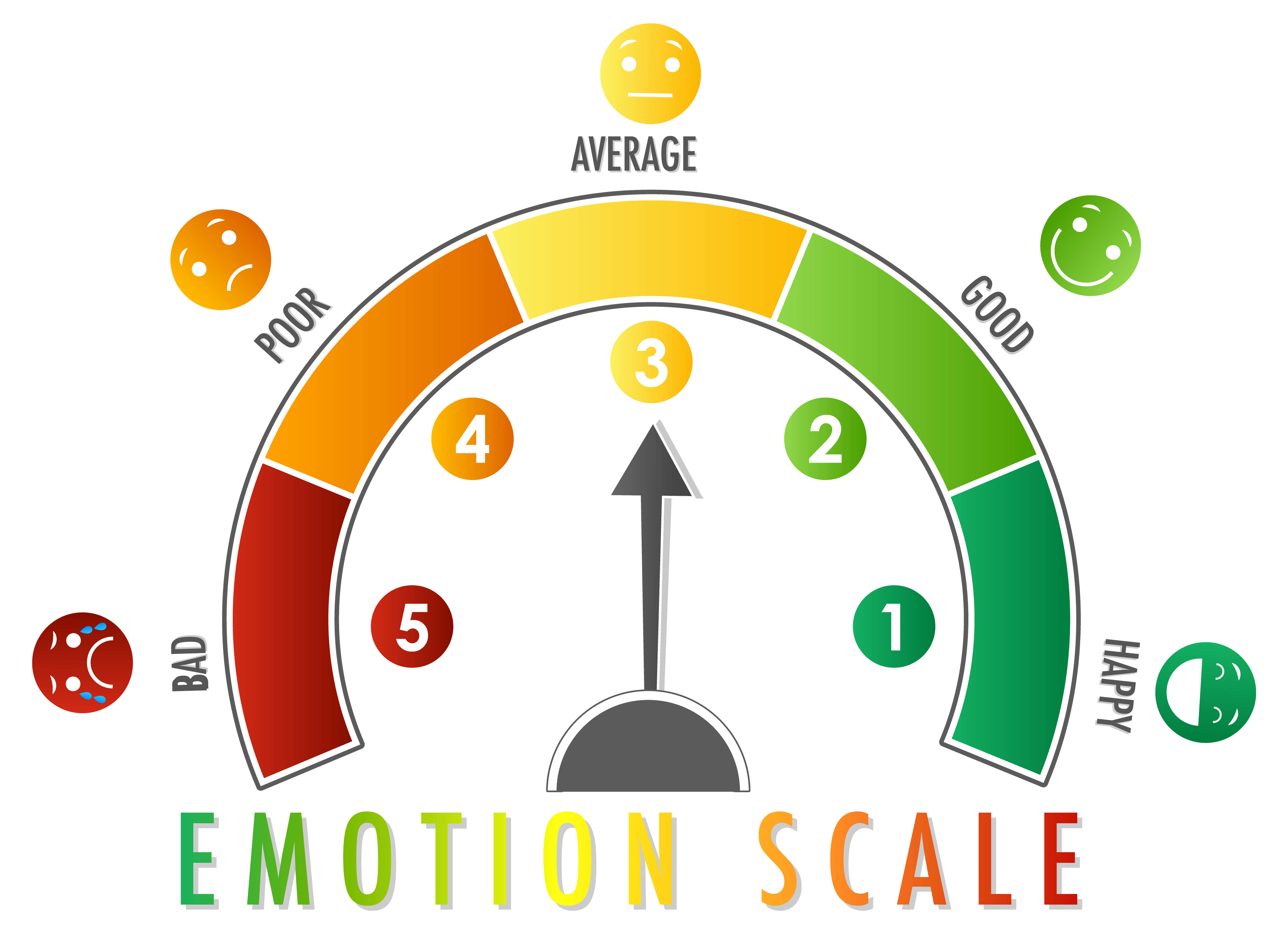
The Zones of Regulation chart is made of four tidy boxes—blue, green, orange, red—a short list of emotions, each offering the illusion of clarity, simplicity, legibility. It’s a system that looks soft, friendly, and progressive, but that often functions as a mechanism for shaping children’s expressions to fit the comfort and control needs of adults,…
-
When they call distress the baseline
When a principal told me, “his baseline is dysregulated,” I realised how far we had drifted from care. This was not a description. It was a dismissal. Distress had become so familiar in the classroom that it was no longer seen as a signal—but as who he was. But my child is not born of…
-
Protecting children’s dignity and safety in a broken system
We should be able to expect a system where no child sits in wet clothes all day, and no child is changed alone by a single staff member behind closed doors. These are basic, non-negotiable standards for dignity and safety, not optional aspirations. While we can all acknowledge that the system is under immense strain,…
-
Disgusted by my advocacy
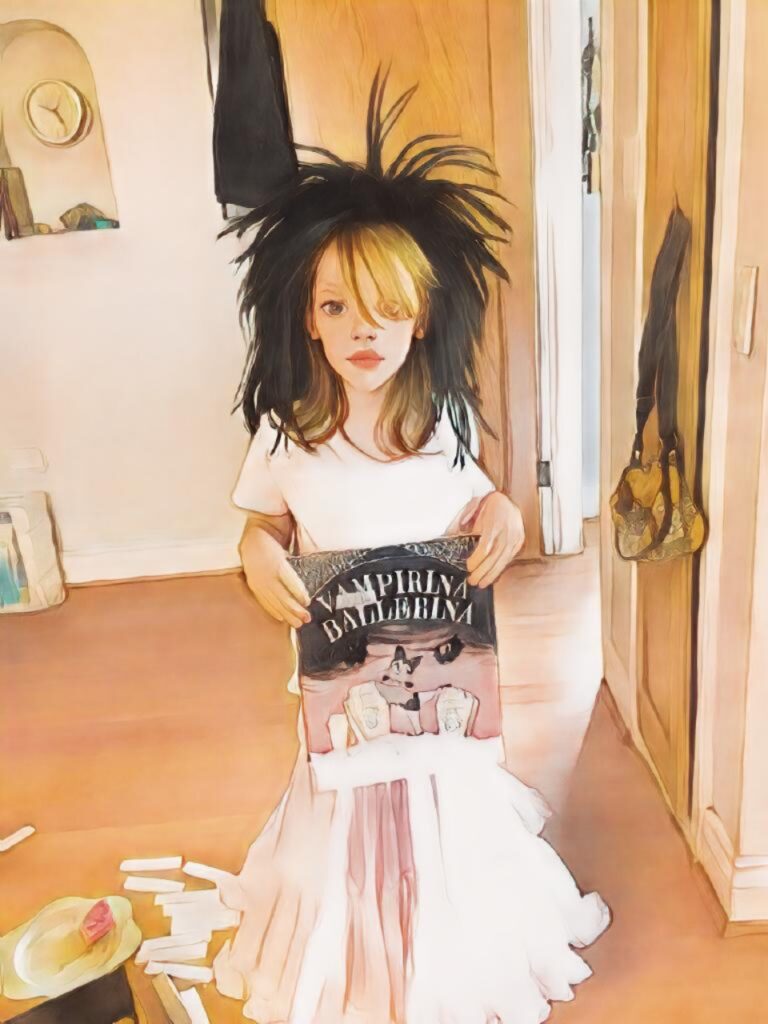
I have become hyper-attuned to the particular curl of a staff member’s lip, the slight recoil in their chair, the clenched tone when I insist—again—that my child deserves continued support. These micro-expressions, often passed off as stress or surprise or bureaucratic irritation, are not neutral. They are expressions of disgust. And for families like mine,…
-

Nova Scotia bans collective punishment
Nova Scotia’s Provincial School Code of Conduct Policy underwent a significant update in April 2025, marking a substantial revision of the previous 2015 policy. The updated policy, set to take effect in September 2025, introduces clearer definitions of unacceptable behaviours, delineates new responsibilities for all school community members, and emphasises support for those affected by…
-
Fighting for transparency via FOI requests
For parents of disabled children, the struggle for transparency often feels like fishing in murky waters, straining for glimpses of the truth beneath a bureaucratic surface designed to obscure, rather than reveal. It was this feeling that drove me to file a Freedom of Information (FOI) request for records pertaining to my children at their…
-
Recent BCHRT decisions expose systemic failures
After reading through a couple of of the recent BC Human Rights Tribunal findings, here are some thoughts: Ongoing delays erode trust Several rulings show how procedural deadlines and scheduling gaps thwart families seeking essential supports. In one decision the Tribunal dismissed parents’ allegations about inadequate consultation and discontinued specialist services because the events in 2017 and 2018 fell…
-
Teacher speaks out on exclusion
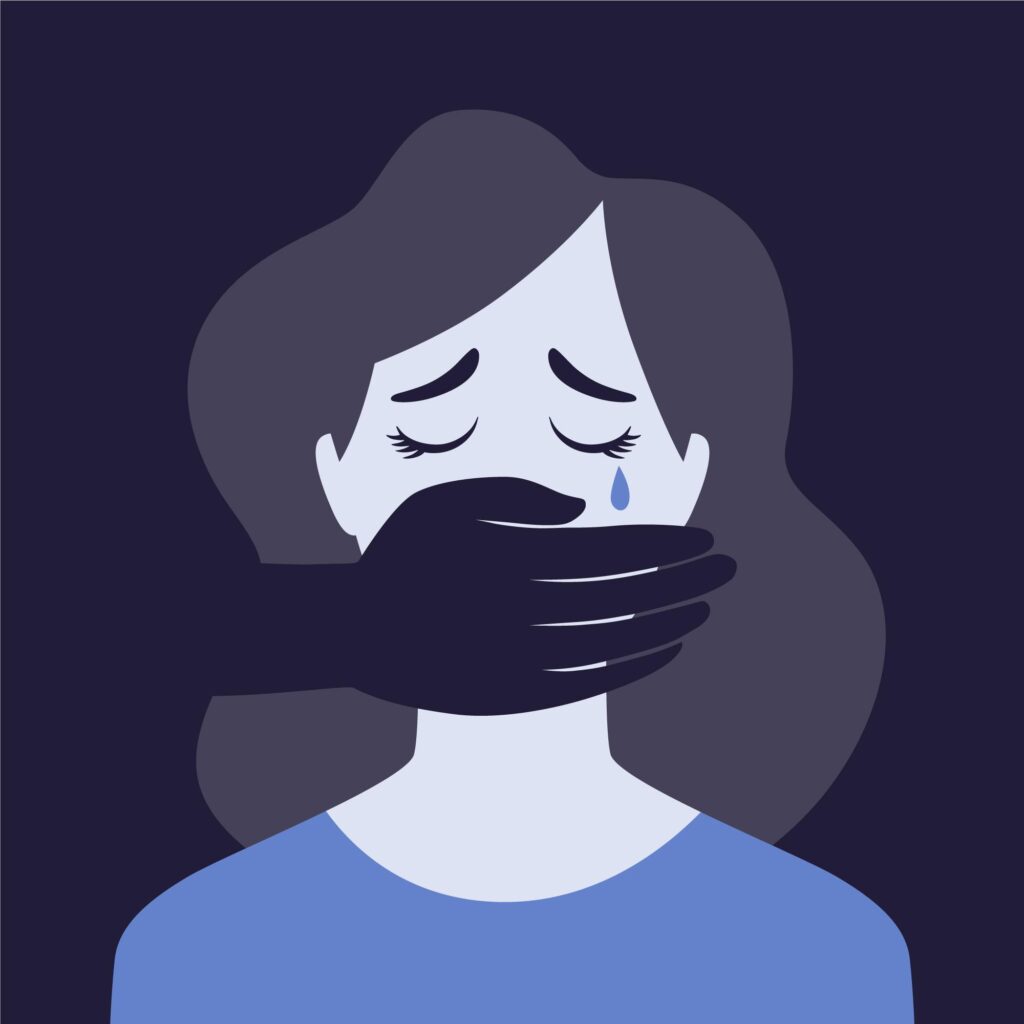
An experienced teacher alleges that her school punished her for exposing how it pushes vulnerable students out of class. She claims administrators send students with disabilities home early, force them onto reduced schedules, and isolate them without formal suspension or notifying families. She says that when she reported those illegal, unethical practices, administrators investigated her,…
-

Not nothing: on being a parent with feelings in a system that asks for self-erasure
I have spent years trying not to take up space. Years trying not to be “one of those parents”—too loud, too emotional, too self-involved. I have been careful with my tone, careful with my words, careful not to name the hurt when my child was excluded, neglected, or harmed. I told myself: focus on the…