
Advocacy and resistance
Advocacy, organising and resistance names the work families and communities do to challenge school harm and build collective power. It includes parent-led advocacy, public pressure, evidence-gathering, storytelling, campaigns, coalition work, and the refusal to let institutional narratives define children’s suffering as normal, inevitable, or deserved.
-
Lawyers over learning: how much is VSB paying Harris & Co
As a parent of two children with learning challenges, I found myself deep in the Vancouver School Board’s appeals process. Early on, I heard officials say our children would be supported with “inclusive” classroom resources. In reality, every step felt like an uphill battle. For example, during our Level 1 appeal meeting the board’s own summary…
-

The slow boil: delayed support and collective punishment
I think a lot about lobsters, wrestled from the sea and placed in cold water that slowly heats—do they wonder if it’s getting hot in there? How do they decide where the line is and begin to panic? Is it a thought or pure instinct? In kindergarten, my son arrived with a history of trauma…
-
The problem with the appeals process
When something goes wrong at school—when a child is excluded, harmed, or unsupported—families are told to “work it out with the school first.” That sounds reasonable on paper. But in practice, it’s vague, unstructured, and often retraumatising. I’ve gone through the Vancouver School Board (VSB) appeals process more times that I’d wish upon anyone. Here’s…
-

A glossary of conditional care
This is a field guide—a survival text for parents who’ve sat through too many meetings where care was promised, repackaged, and quietly withdrawn. These aren’t just phrases. They’re policies. They’re structural violence written in the language of care. They mark the edges of institutional comfort—the places where support ends, and spin begins. They’re the terms…
-
Every year we start over
We arrive at the school gates each September with anxiety rising in my chest, knowing that the forms, reports, and professional recommendations assembled over years have already demonstrated what is required for my child’s success; and yet, year after year, he steps across the threshold into an environment that has failed to prepare for him.…
-
He doesn’t go from zero to sixty
“He’s not a car,” I said, exasperated, after someone described Robin as going from zero to sixty. The withering look I received in return was pure disgust—as though I had interrupted a sacred adult ritual, as though I may as well have had a huge boil in the middle of my forehead, oozing pus. But…
-

Dear other mom, I’ve got a few things to say
I know you’re trying not to make it worse. You write the careful email. You show up composed. You give everyone the benefit of the doubt. You try to keep the tone warm, even when your stomach turns. You’re doing everything you can to stay in the conversation—because you believe that if you’re reasonable, they…
-

Support is a bridge
What happens when schools pretend the bridge is whole. The appearance of help “She gets check-ins from the area counsellor once a week.”“We’ve made sure the classroom teacher is aware of her IEP.”“We’re doing everything we can within the current resources.” These are the phrases they recite—softly, professionally, as though reassurance were a substitute for…
-

Parenting through gaslighting and grief
In the early days, our relationship was luminous, almost feverishly bright with attention and agreement and what I understood then as love—its intensity, its precision, the way it seemed to reach for every part of me, even the parts I kept hidden, even the ones I feared were too strange or fragile to show. I…
-

Help please: call for Indigenous perspectives on collective punishment in BC schools.
We are seeking contributions from Indigenous scholars, knowledge-keepers, writers, parents, educators, and community leaders on discipline, punishment, exclusion, and accountability in British Columbia’s public schools. This project began from a concern that some school discipline practices — including collective punishment, exclusion, surveillance, public shaming, and informal removal — may sit within longer histories of colonial…
-
Timelines matter
Advocating for a child’s right to an education should not feel like an uphill battle! Yet for some families navigating school exclusion across British Columbia, every step of the process can seem designed to delay, deflect, and deny necessary support. When schools fail to meet the needs of students—particularly those with disabilities or diverse learning requirements—families are…
-
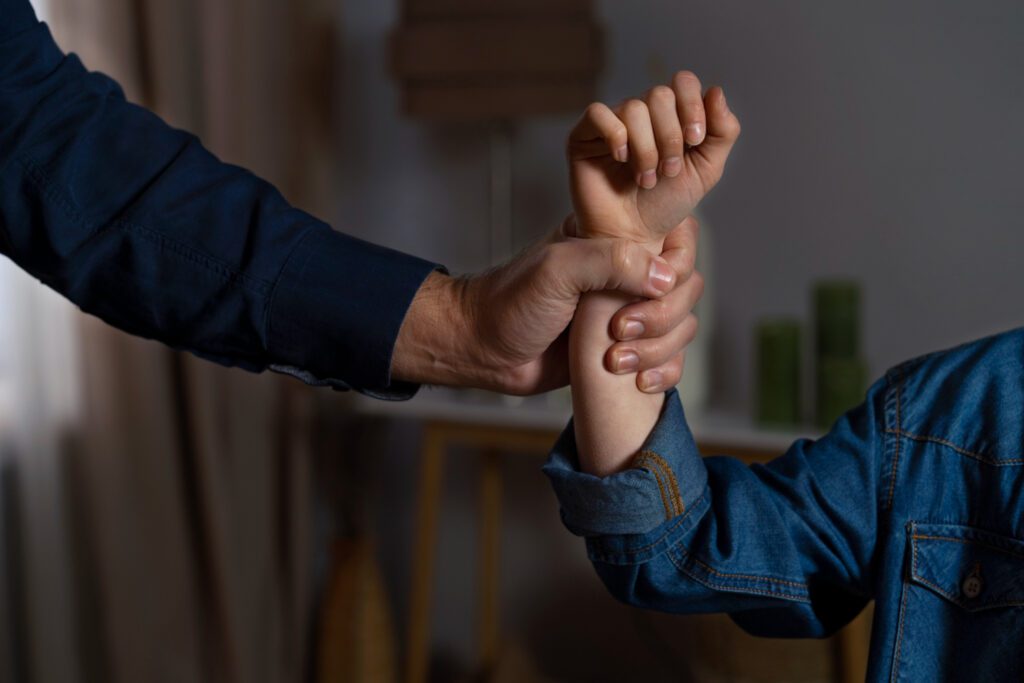
Restraint and isolation in British Columbia schools
Physical restraint and isolation—sometimes termed “seclusion”—remain legally unregulated in British Columbia schools, even as provincial guidelines seek to limit their use to moments of extreme risk. Physical restraint is defined as any method of restricting a student’s freedom of movement to maintain safety, while seclusion involves involuntary confinement in a space from which the student…
-
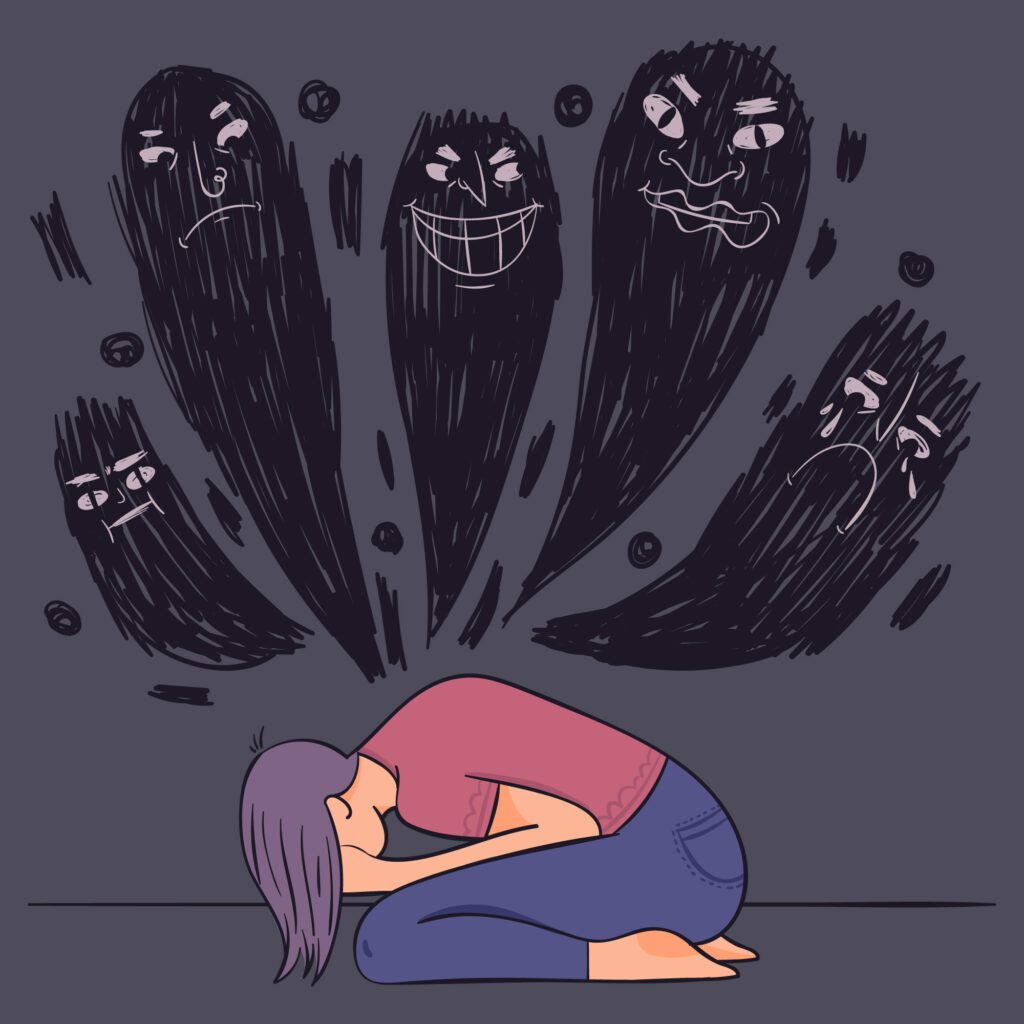
When autistic girls fawn and schools look away
They told her to be polite while she was being harmed. Now they call her difficult for saying no. Jeannie never screamed—never yelled or stormed out or flipped a desk or tore paper into confetti; instead, she froze, and in that freezing, she vanished from their view. No one interrupted the boy when he joked…
-

What families learn from the inside of exclusion
We weren’t trained for this. We were not briefed, warned, or prepared. We entered the public school system, bright-eyed and bushy-tailed, like most parents do—with trust, with hope, and with a belief, however weathered, in the promise that schools would try to do right by our children. What we didn’t understand was how quickly that…
-
To the kid looking for answers about collective punishment
Hey, If you found your way here, maybe it’s because something happened at school that didn’t sit right. Maybe you searched for “why did my whole class get punished” or “it wasn’t my fault but we all lost recess.” Maybe a grown-up sent you here. Or maybe you just wanted to understand. If so—hi. I’m…
-

Too many left behind
The Representative for Children and Youth (RCY) has released a powerful new report, Too Many Left Behind, highlighting the critical need for better services and support for children and youth with disabilities in British Columbia. According to Representative Jennifer Charlesworth, more than 83,000 young people in B.C. are not receiving adequate care, leaving families at…
-

Report highlights barriers to inclusion in Vancouver Schools
he Inclusive Education Working Group (IEWG) has released an important new report, Advocating for Equity: A Caregiver-led Examination of Inclusive Education in Vancouver Public Schools, shedding light on the systemic challenges faced by students with disabilities in Vancouver schools. The 2023–2024 school year was marked by critical shortages in both resource teachers and educational assistants,…
-
Why i started this campaign
As a solution architect and parent of disabled children, I’ve seen the public education system from both sides. What I’ve found is not a system in crisis—it’s a system functioning exactly as designed: rewarding compliance, punishing difference, and quietly discarding those who don’t fit. This post explores how exclusionary practices like collective punishment persist in…
-
She’s agonised inside and that doesn’t count?
Much of this unfolded in 2022 and 2023, during a period when my daughter remained undiagnosed as autistic, unsupported in any formal way, and largely invisible to the school system. The patterns described here continue to shape our lives. In this essay, you’ll hear the cautious hope I carried—that a formal diagnosis would unlock the…