
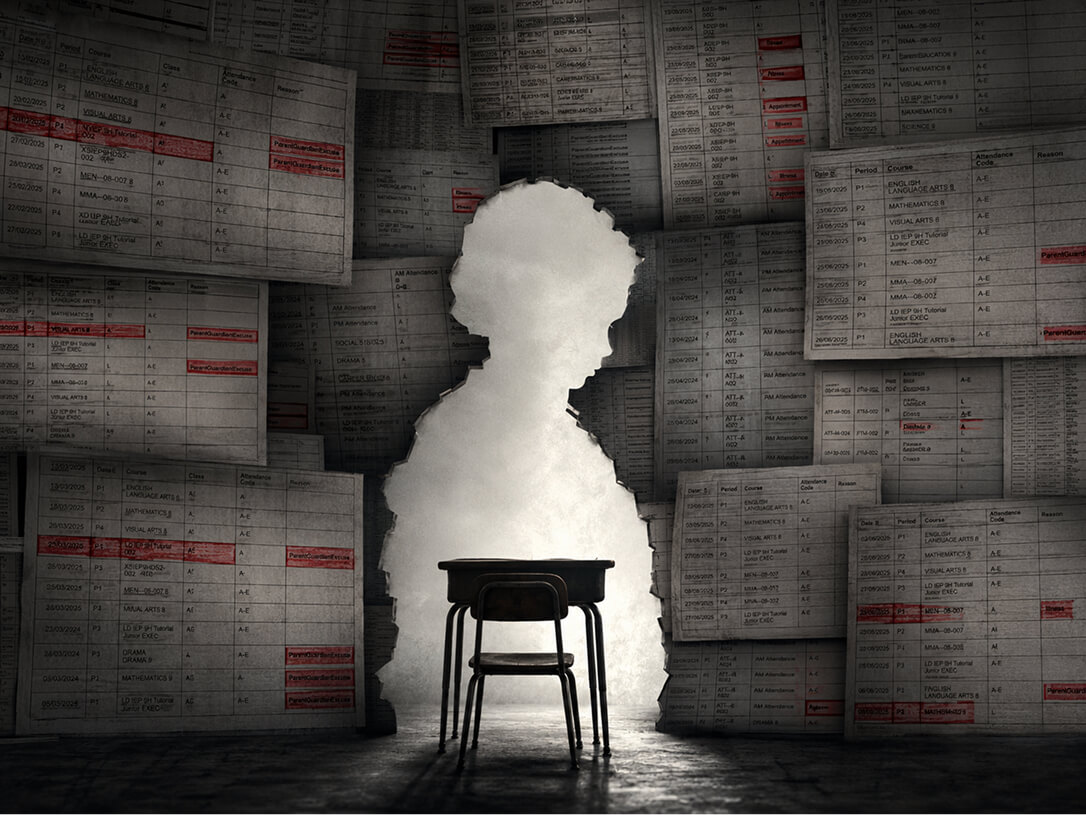
Advocacy and resistance
Advocacy, organising and resistance names the work families and communities do to challenge school harm and build collective power. It includes parent-led advocacy, public pressure, evidence-gathering, storytelling, campaigns, coalition work, and the refusal to let institutional narratives define children’s suffering as normal, inevitable, or deserved.
-
Rage poety
Sometimes you read something and you just have such a big reaction and no place to put it. That is when I reach for a rage poetry: Welcome You can be Autistic,but don’t have a meltdown. You can be Autistic,but don’t hate the lights. You can be Autistic,but don’t speak your heartwithout thinking how we’ll…
-

When back to school means staying in bed
Children will soon be going back to school… well, some children. Stores are already filled with lunch kits, backpacks, and brightly coloured displays of school supplies. Parents are checking whether indoor shoes still fit. Social media will soon fill with first-day photographs: children standing beside front doors, holding signs with their grade and what they…
-
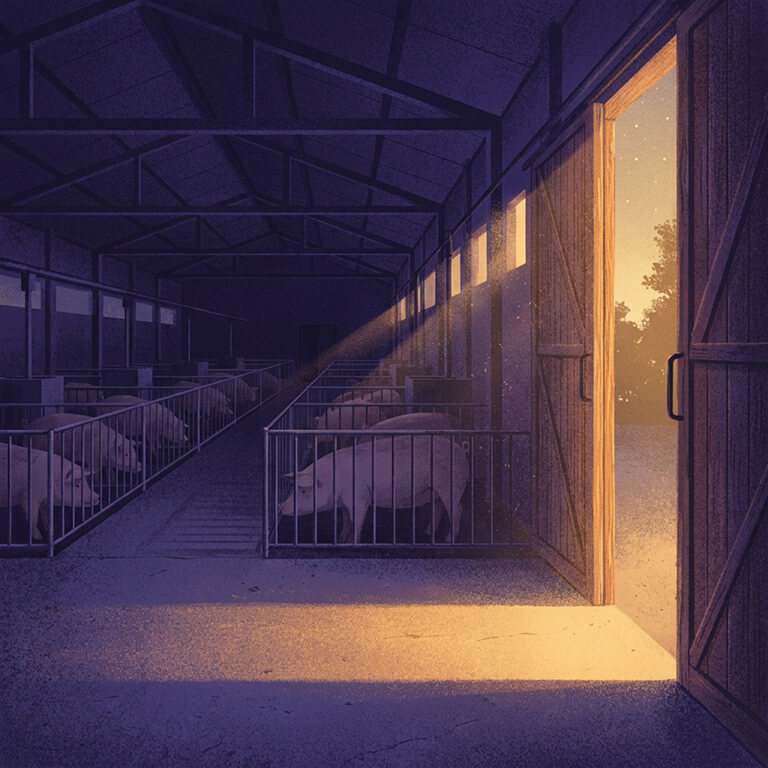
The barn, not the mother
A version of you existed before all this, and she would have been horrified. She would have watched you zip up that backpack, drive them to school, walk them to the door, and she would have known what you were doing: handing your child directly to the building that will hurt them today. Maybe the…
-

Transparency systems must themselves be transparent: FOI revelations
FOI is supposed to help the public hold government accountable. In schools, families often use it to learn what was never recorded, or what was hidden behind redactions. A new FIPA process analysis report raises concerns about how consistent and transparent that process really is.
-
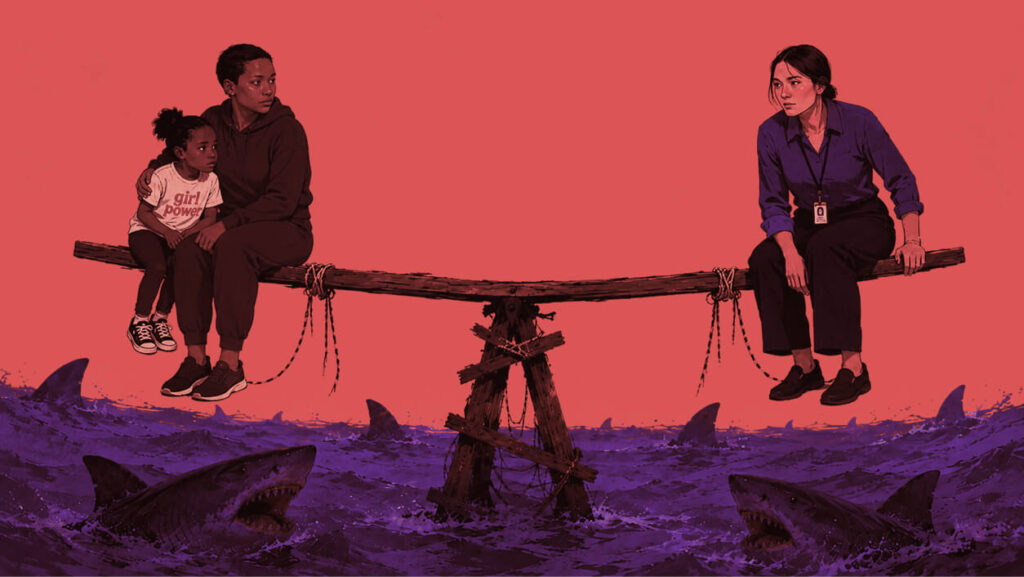
On opposite sides of the same door in BC schools
Families and teachers are describing the same failure from two positions inside it. The system survives by keeping them from recognising each other.
-

A summer reading list for education leaders
The Canary Collective went upstream this week, and the gloves came off. In “Delay, Distract, and Deny”, Wren takes the old public-health parable about pulling bodies from a river and turns it into an indictment: while families stand waist-deep in the current keeping disabled children afloat, almost no one walks up the bank to ask who…
-

Be pleasant so others won’t get upset
What a twelve-year mortality study measured, and what it accidentally wrote down: the code of conduct every district hands a mother on her way into the room. You learn it in your hands before you learn it anywhere else. At the table you fold them in your lap, you soften your face into the shape…
-

Too many tongues: how schools turn caregiver testimony into threat
How schools turn caregiver testimony into threat — and why the monstrous advocate is made by the institution that fears her memory.
-
PEI’s education minister just told you exactly how data suppression works
A motion passed unanimously in the PEI legislature this month, calling on the province to track student absences caused by bullying. Green MLA Karla Bernard brought it forward after years of families reporting that their children are staying home — and the system recording nothing about why. Education Minister Robin Croucher’s response is a masterclass in the…
-
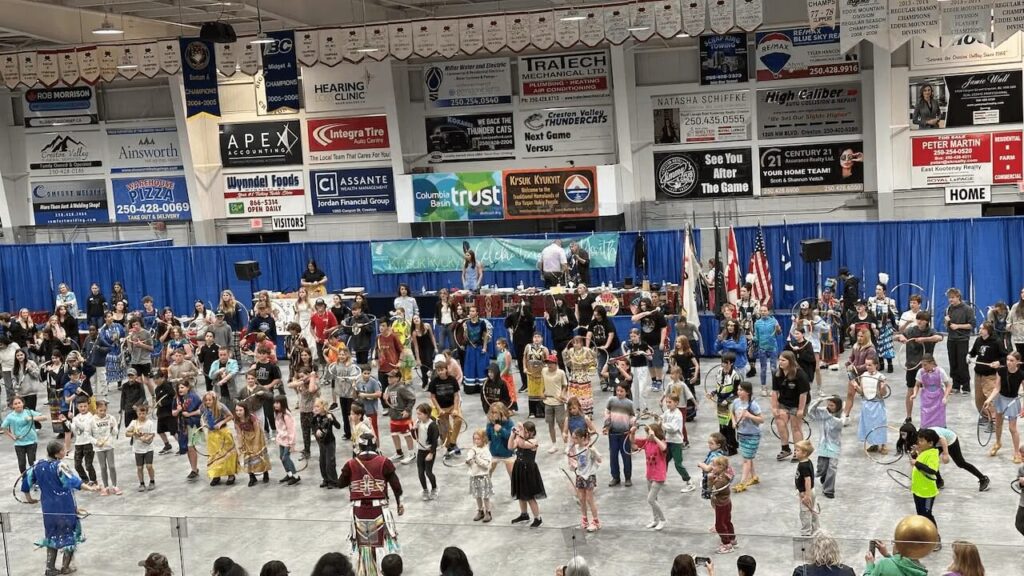
CBC covers SD8’s elimination of Indigenous Education teachers
Earlier this week we wrote about School District 8’s decision to cut all Indigenous Education teacher positions from its elementary and middle schools, replacing them with support workers — a role with no instructional authority and no capacity to lead the cultural programming these teachers built over years. CBC’s Amber Wang has now published a…
-

The most reasonable parent
On the impossible calibration mothers perform when advocacy collides with coercive control A child loses access to education. A mother loses trust in her own perception. A family fractures along lines the institution helped deepen. Yet everyone acted reasonably. The harm that accumulates inside families and institutions often looks benign in isolation. The people involved…
-
One day, everyone will have always been against this
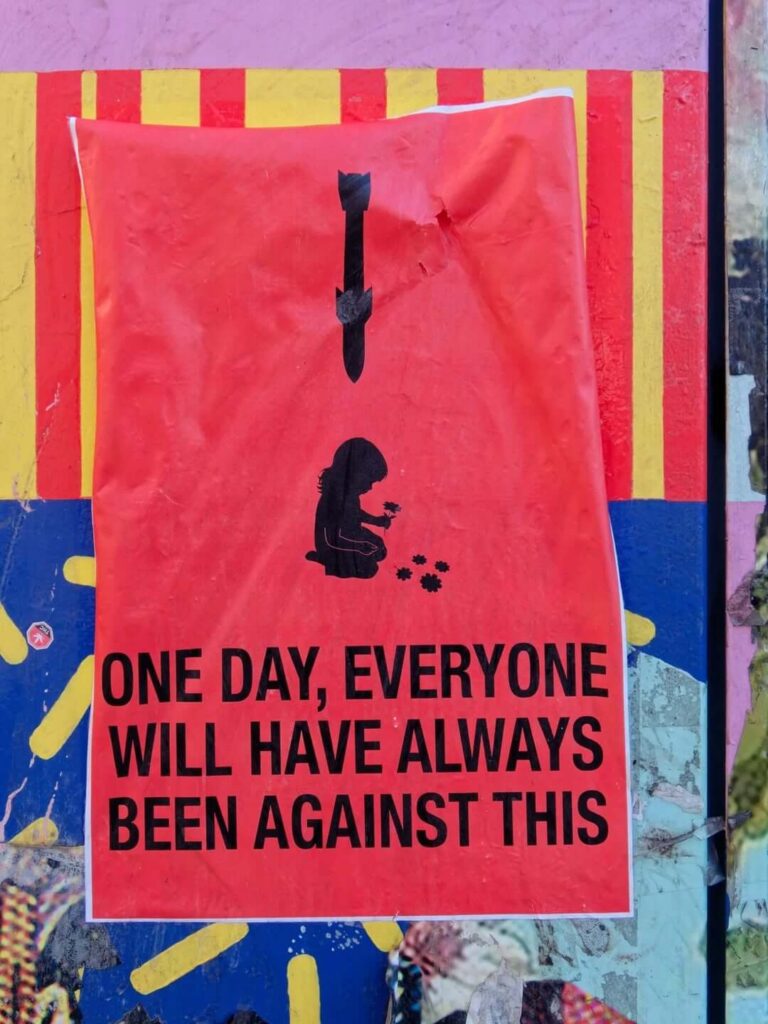
There is a piece of street art circulating depicting a small child crouched beneath a descending bomb, gathering flowers from the ground, and beneath her the words: one day, everyone will have always been against this. That phrase — “one day, everyone will have always been against this” — comes from Omar El Akkad, reflecting…
-

The masking tax: how autistic girls absorb bullying invisibly in BC schools
Autistic girls in B.C. schools often develop sophisticated masking or camouflaging strategies to hide their autism in order to fit in and avoid bullying. In the short term this can make them appear “fine” – leading teachers and administrators to assume no support is needed – but the “masking tax” is high. Decades of invisible stress and exclusion build up as girls…
-

The cost of defending scarcity: moral injury and the exhaustion economy
The BC education system spends extraordinary resources defending scarcity while positioning that defence as fiscal responsibility, generating an exhaustion infrastructure that operates across every population the system touches—teachers, families, disabled children, administrators, support staff—all labouring to maintain stories that protect individual dignity within conditions designed to make moral action impossible. A recent analysis on Fund…
-

Meltdown monster: how exclusion makes bullying worse
I often think back to the school principal telling me that when kids see my son, they don’t see an autistic child, they just see a child being mean. When a disabled child melts down at school—after sensory overload, social stress, academic pressure, and chronic misattunement—schools rarely ask what led up to the crisis. Instead,…
-
Bullying of disabled children: a human rights issue requiring accommodation
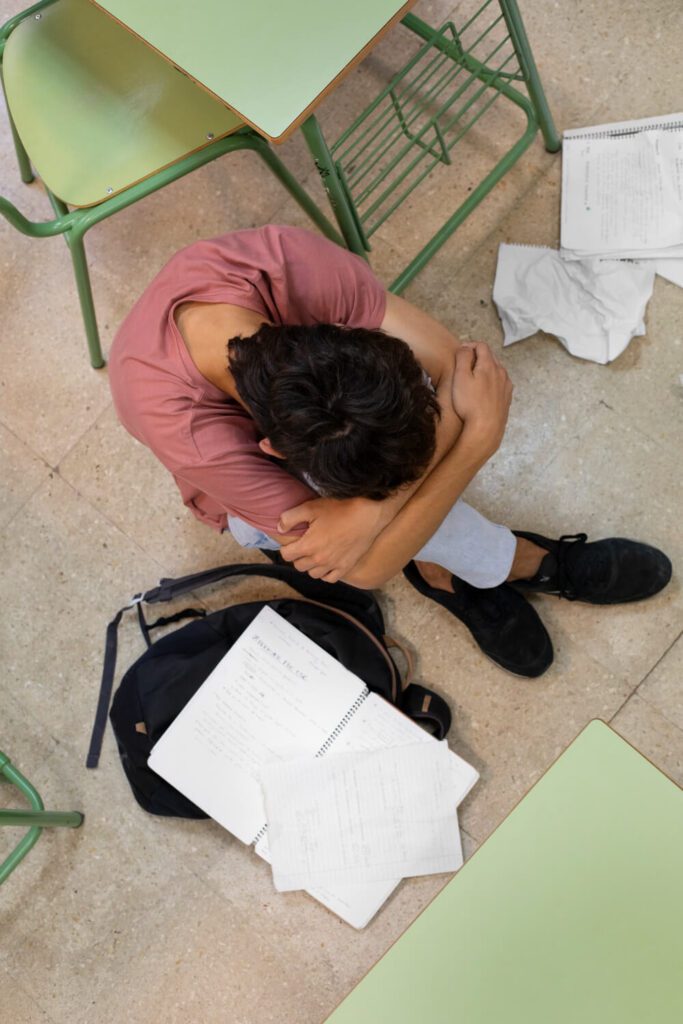
Bullying emerges when power differentials enable repeated harm, when one child or group systematically targets another through physical aggression, verbal degradation, social exclusion, or digital harassment. BC’s ERASE framework describes bullying as “a persistent pattern of unwelcome or aggressive behaviour intended to harm or humiliate a person”, language that obscures the particular vulnerability of disabled children…
-
Advocacy is too hard and schools expect too much
The BC Ministry of Education directs families to file complaints through their school district’s K12 system when schools violate policy, deny accommodations, or harm disabled children through exclusionary discipline. The process presents itself as accessible redress, a pathway families can navigate while managing the daily crisis of a child being room cleared, partially scheduled, or…
-

Exclusion is economically irrational and the hidden costs of refusing accommodation
BC schools spend more money refusing accommodation than providing it. Learn when hiring a lawyer becomes the only fiscally rational choice for your family.
-

What 8 years of advocacy took from our family
I advocate because I love my children and I want them to be well. Because I know the accommodations they require are entirely tenable, requiring only modest shifts in how adults think and respond. Because it is unbearable to watch them be slowly debilitated by a system that insists their needs are excessive and their…
-

When one child’s support becomes everyone else’s denial
I bring Robin his meals now. I pour a bath periodically, and coax him in, when too many days have elapsed and a funk has grown pungent from him avoiding the sensory assault or the water on his skin. I manage mess, hygiene, and feeding, even though he is a teenager who should be developing…