
Collective Punishment
Discipline strategies that penalise whole groups for the actions of one or a few, including lost recess, public shaming, and group rewards.
-
Sir Richard McBride Annex (SD39): a neurodiversity-informed policy critique
Sir Richard McBride Annex’s Code of Conduct, reviewed June 19, 2024, commits to fostering a “safe and inclusive place for all,” aligning with the VSB District Code (AP 350). It affirms the BC Human Rights Code, outlines community-wide expectations, and recognizes that “special considerations may apply to students with special/diverse needs” when they “are unable to comply… due to having…
-
Beyond blame: reimagining discipline in a trauma-informed world
Collective punishment is neither effective nor ethical. It disciplines the group for the actions of one, eroding trust and reinforcing the very dynamics of power and fear that trauma-informed practice seeks to heal. In its place, we need something older and deeper—an approach to discipline rooted in relationship, regulation, and repair. Indigenous teachings and relational…
-
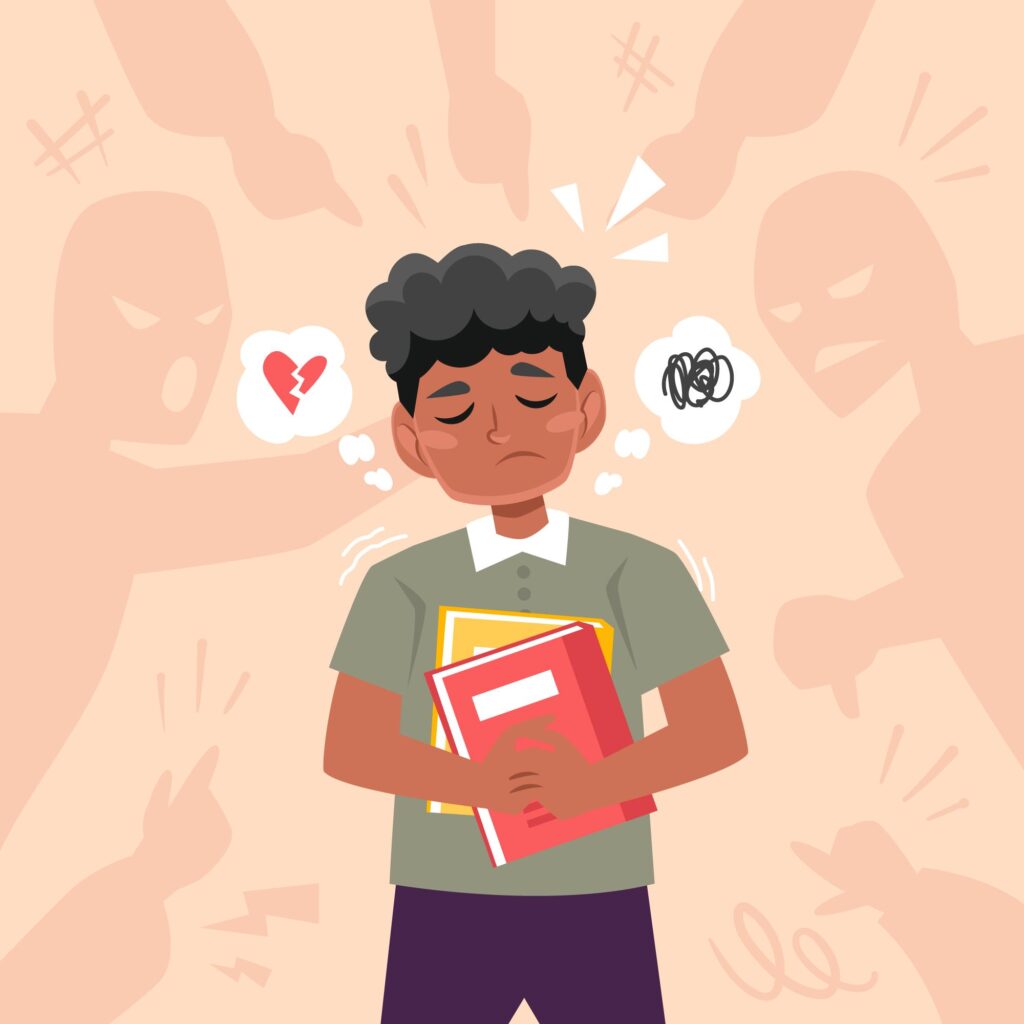
Why we built the BC School Districts collective punishment database
When we began writing about collective punishment in schools, we searched for district policies—something public, something clear. What we found instead were Reddit threads and Facebook comments. And where formal documentation did exist, it was buried in long policy PDFs filled with abstract values—fairness, accountability, safe and caring schools—but almost nothing concrete about what happens…
-

Engineered famine in public education
In British Columbia schools today, we are not facing a behaviour crisis—we are facing a famine of care. This essay weaves together personal memory, systemic critique, and deep empathy for teachers and families alike to ask why our schools are starving the very relationships that children need to learn and thrive. It calls for an…
-

A landmark case for educational justice in BC
The May 2025 decision from the BC Human Rights Tribunal in Parent obo Student v. BC Ministry of Education and another, 2025 BCHRT 112 carries profound implications for families fighting systemic discrimination in education—particularly those challenging collective punishment, exclusion, and partial-day attendance programs imposed on disabled students. While the complaint against the Ministry was dismissed, the Tribunal…
-

“I didn’t even do anything wrong”: student voices on collective punishment
Collective punishment in schools often silences individual experiences. Yet, platforms like Reddit provide a space where students share their stories candidly. Below are excerpts from various Reddit threads that illuminate the real-world effects of collective punishment.
-
Rethinking accessibility leadership, training, and labour in BC public education
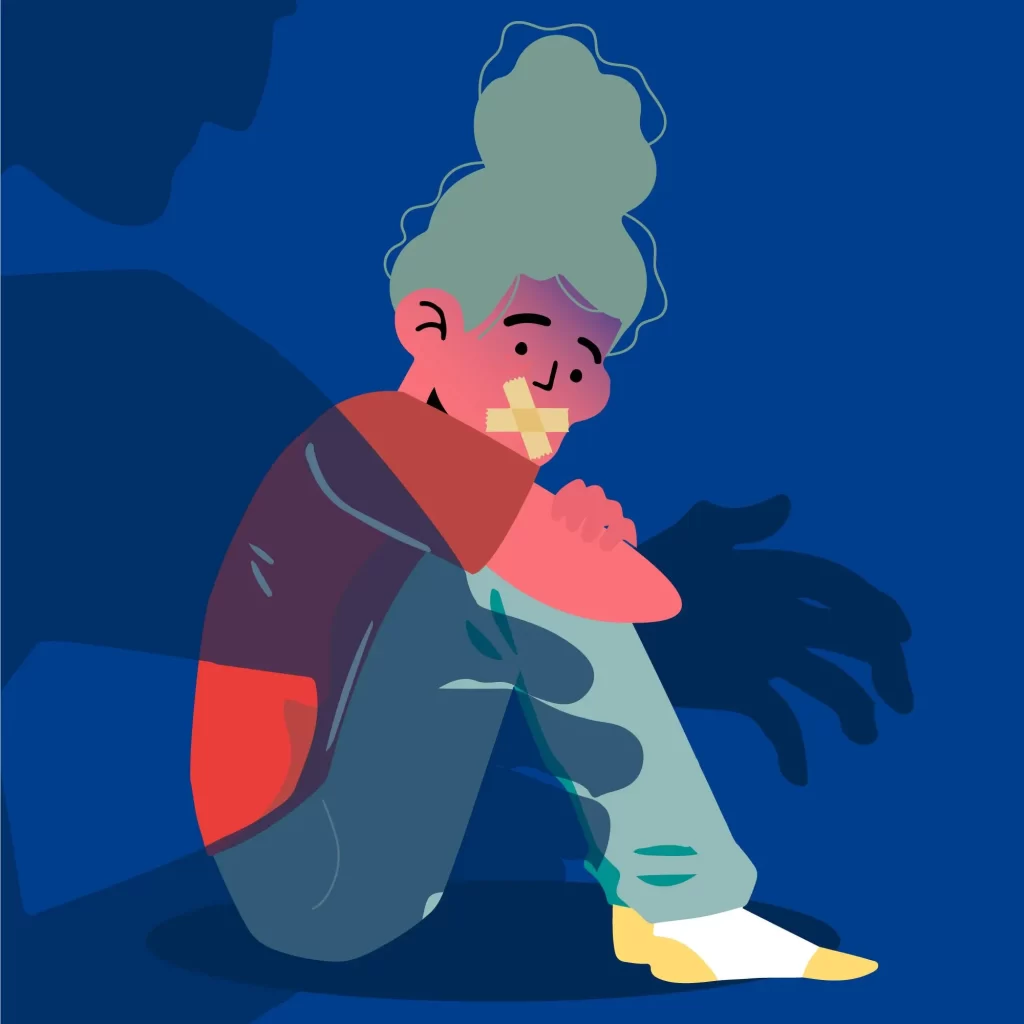
In accessibility work, most transformative insights come directly from disabled people. Lived experience is primary data; manuals and metrics are, at best, secondary literature. In schools, teachers are experts in pedagogy, yet few are trained in disability or neurodivergence. That absence is not incidental—it is engineered, and the consequences are everywhere. The current failure—and promise—of…
-

Performative accessibility in British Columbia public education
Too often, accessibility in schools is performance, not practice. Symbolic gestures and endless buzzwords cannot replace the courage to name harm, take responsibility, and commit to structural change. Until then, access plans remain brochures—and inclusion a stage set.
-

Grievability and legitimacy in BC Schools
Disabled children are being pushed out of public education—and their families are picking up the pieces. This post examines who is seen as worthy of support, what it costs when systems abandon care, and why the quiet exodus from schools is not a choice, but a failure of justice.
-
We did everything right, but we were failed
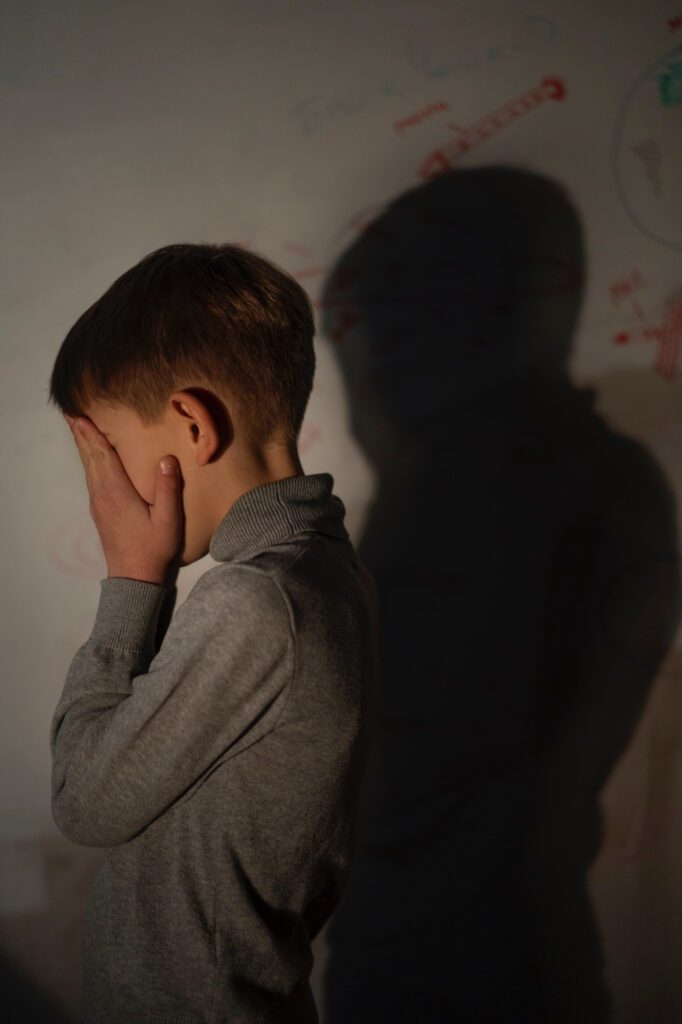
Introducing Robin’s story and the cost of manufactured scarcity In British Columbia, the promise of public education is being quietly dismantled. Not with headlines, not with declarations—but with slow erosion, strategic omission, and institutional neglect.
-
You’re not wrong: reflections on motherhood and advocacy
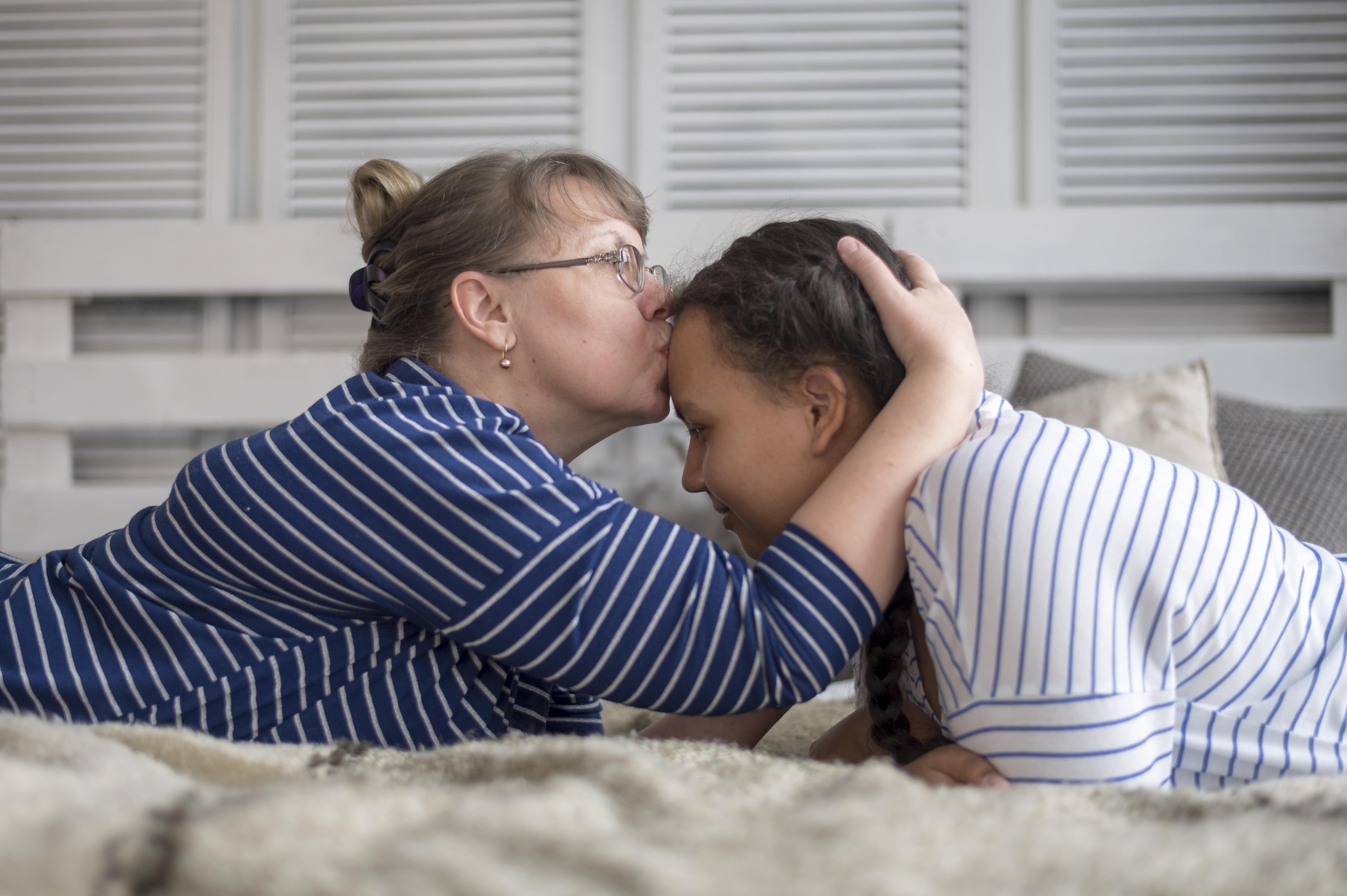
This piece is for the mothers who have become unrecognisable to themselves in the crucible of advocacy—those who perform calm while their bodies tremble with rage, who write polite emails through tears, who scream in the car and smile in the meeting. It is for the women whose clarity was framed as aggression, whose persistence…
-
The ABCs of regressive punishment
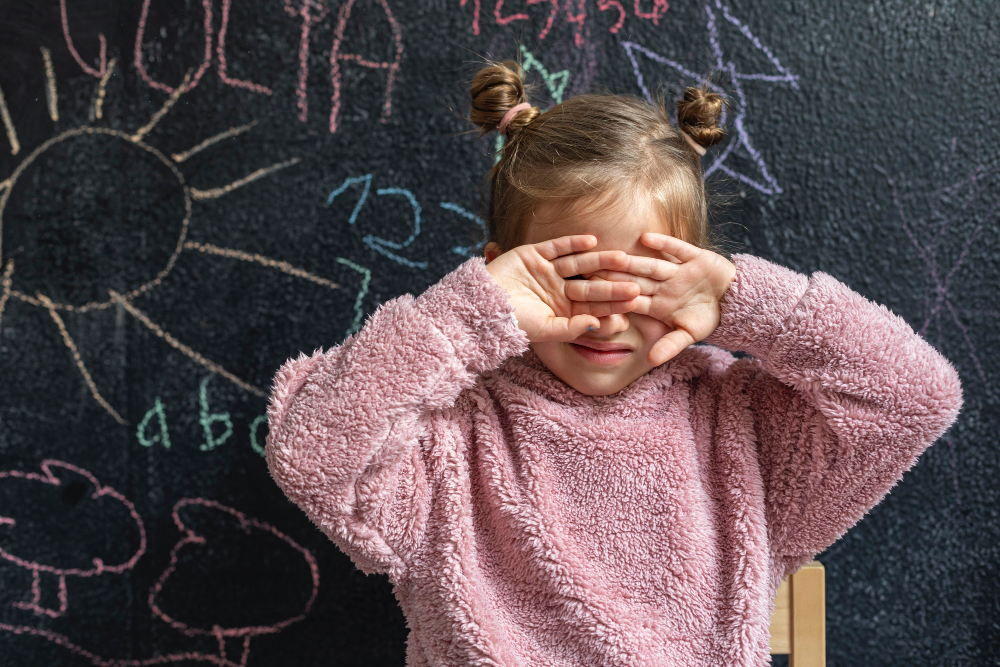
Discipline in schools is rarely neutral. For neurodivergent students, it often takes the form of quiet harm—masked as structure, delivered as shame. From exclusion and forced apologies to behaviour charts and the denial of recess, regressive punishment practices remain embedded in our classrooms. They don’t teach accountability. They teach fear, isolation, and the high cost…
-

Petition to end collective punishment in BC Schools
Collective punishment in schools continues in British Columbia, where children are still punished for things they didn’t do—or because others near them did something wrong. Under international law, including Article 33 of the Geneva Conventions, collective punishment is prohibited. It is considered unjust in times of war. But in our schools, it continues under the…
-

Vancouver School District (SD39) district code of conduct: a neurodiversity-informed critique
The Vancouver School Board’s District Student Code of Conduct (AP 350) is an expansive and methodically constructed document. It commits to fostering safe, inclusive, and nurturing schools; it recognises systemic discrimination, promotes restorative practices, and articulates a detailed suspension framework with multiple levels of review. The document outlines procedural guidance for school leaders, provides template…
-

Vernon School District (SD22) progressive discipline and suspension guidelines: a neurodiversity-informed critique
The SD22 progressive discipline and suspension guidelines begin with a clear statement of intent: to maintain a safe, caring, and healthy environment for all members of the school community. They emphasise functional assessment, procedural safeguards, privacy protections under FIPPA, and the possibility of restorative or reparative responses. Formal consequences are structured to follow only when…
-

A neurodiversity-affirming critique of the BC Ministry’s guide to school conduct
The BC Ministry of Education’s guide presents itself as a blueprint for positive school climates. Yet beneath its conciliatory language, it reinforces behavioural conformity and institutional authority over student autonomy. It fails to address the structural and sensory barriers faced by neurodivergent students, and in doing so, undermines its own claims to safety and care.…
-

Neurodiversity-affirming IEP goals that build accountability and reduce burnout
When classrooms become overwhelmed, the strain doesn’t just fall on adults—it radiates through the entire learning environment. Neurodivergent students, in particular, often act as emotional barometers—canaries in the classroom. They feel the tension, chaos, and unpredictability more acutely than their peers. When co-regulation breaks down, or when expectations are unclear, these students are often the…
-

Building safer schools through restorative justice and neurodiversity-informed practices
When children are dysregulated the response from educators is too often punitive. For neurodivergent students in particular, the cost of these responses is high: shame, trauma, social exclusion, and a deep erosion of trust. But it doesn’t have to be this way. Restorative justice offers a path forward. Not as a one-time circle or a…
-

Yukon schools under scrutiny for using restraint and seclusion on students with disabilities
The Yukon government says it is working to make schools safer after families raised serious concerns about the use of restraint and seclusion—particularly involving students with disabilities. Education Minister Jeanie McLean acknowledged that these practices have caused harm and stated that a review is underway to develop clearer policies and alternatives grounded in trauma-informed approaches.…
-

Signs your child’s teacher uses collective punishment (and what it does to them)
Your child might not have the language to name what’s happening, might not recognize collective punishment as a specific practice with a specific name, might only know that something at school feels deeply unfair and that their effort no longer seems to matter. Parents often notice the effects before they identify the cause: children who…