
Collective Punishment
Discipline strategies that penalise whole groups for the actions of one or a few, including lost recess, public shaming, and group rewards.
-
What would it really cost to fix the problem?
We talk so much about the cost of inclusion—as if it’s indulgent, optional, something that must be justified—but we rarely talk about the cost of exclusion. And those costs are everywhere: in emergency rooms, in overburdened case files, in classrooms where distress goes unseen. When schools can’t support disabled students, families fall apart trying to…
-
What happened to your child is wrong
I didn’t learn about collective punishment as a teenager—reading about war crimes. I remember the moment vividly: the language was clinical, the violations horrific. Among the acts prohibited under the Geneva Conventions, there it was—collective punishment. The targeting of a group for the actions of one. It was described as a violation so clear, so…
-

On graduation and the grievability of disabled children
I’ll try to be normal at my daughter’s graduation, even as I grieve a system that quietly erased her twin and expects no one to notice.
-

Advocacy toolkit: resources for families navigating school harm
Some of us arrived at advocacy slowly—one red flag at a time. Some of us were pushed into it suddenly, when everything fell apart. Some of us have been writing emails in our heads for years. Some of us are just now finding the words. Wherever you are in the process, this toolkit is for…
-
If I could: A letter to my daughter before another school meeting
If I could catch you before you fall, I would. If I could make them understand—make them see you as you truly are—I would. You are doing so well, in so many ways. If I could make you feel the pride you deserve, the pride I feel when I look at you, I would. But…
-

Galiano Community School (SD64): a neurodiversity-informed policy critique
The 2022–23 Code of Conduct for Galiano Community School is unusually rich in aspirational language. It describes a community of care rooted in mutual respect, emotional development, and responsive teaching. It affirms the BC Human Rights Code, references Positive Behaviour Support, and anchors its behavioural framework in the values of SOLE—Respect and Care for Self, Others,…
-
Language to start a revolution
Our library of tips offers a concise, alphabetically organised toolkit for recognising and challenging the systemic forces that shape student experiences in British Columbia’s public schools.
-
When harm comes from those entrusted to protect
The May 2025 consent resolution involving B.C. principal Pehgee Aranas offers a sobering reminder of the work that remains to make education safe, equitable, and trustworthy for all children—especially those from communities that have been historically harmed by the very institutions meant to support them. When a young First Nations student was physically punished by…
-
Revoking recess as a form of collective punishment
Rules intended for safety become instruments of collective punishment when they erase unstructured play from the school day, compounding distress for children who rely on movement, predictability and sensory regulation. this post examines the disproportionate impact on neurodivergent learners and proposes targeted interventions that preserve every child’s right to play and learn.
-
No apple pie for you!
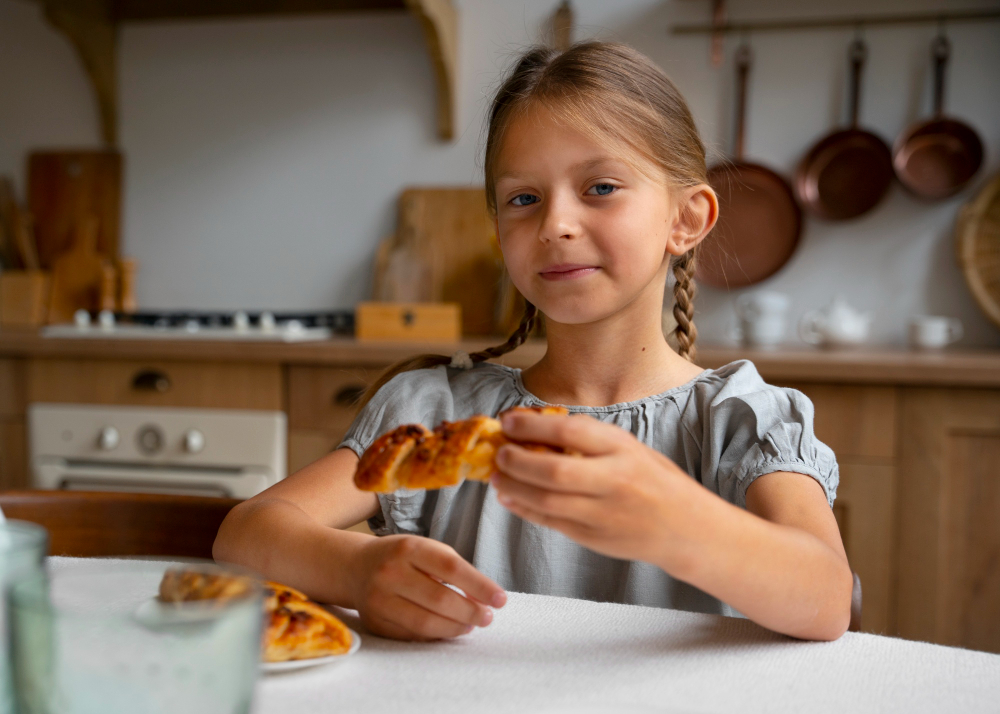
School is exhausting when you are autistic. The noise of kids and shouting makes it hard to focus. The bright lights in hallways and classrooms overwhelm me and break my brain. When someone speaks, each word feels like a puzzle I must solve. Sometimes it feels like I’m communicating through a sheet of ice! A…
-

“Too much”: on allergy, autism, and the systemic erasure of care
There is a quiet solidarity among parents whose children are considered too much for school. Some of us carry medical kits. Others carry binders of psychological assessments. But all of us carry the same invisible burden: a system that treats our children’s needs as optional—and our vigilance as overreaction. This is the story of two…
-
Introducing the school finder: making it easier to act
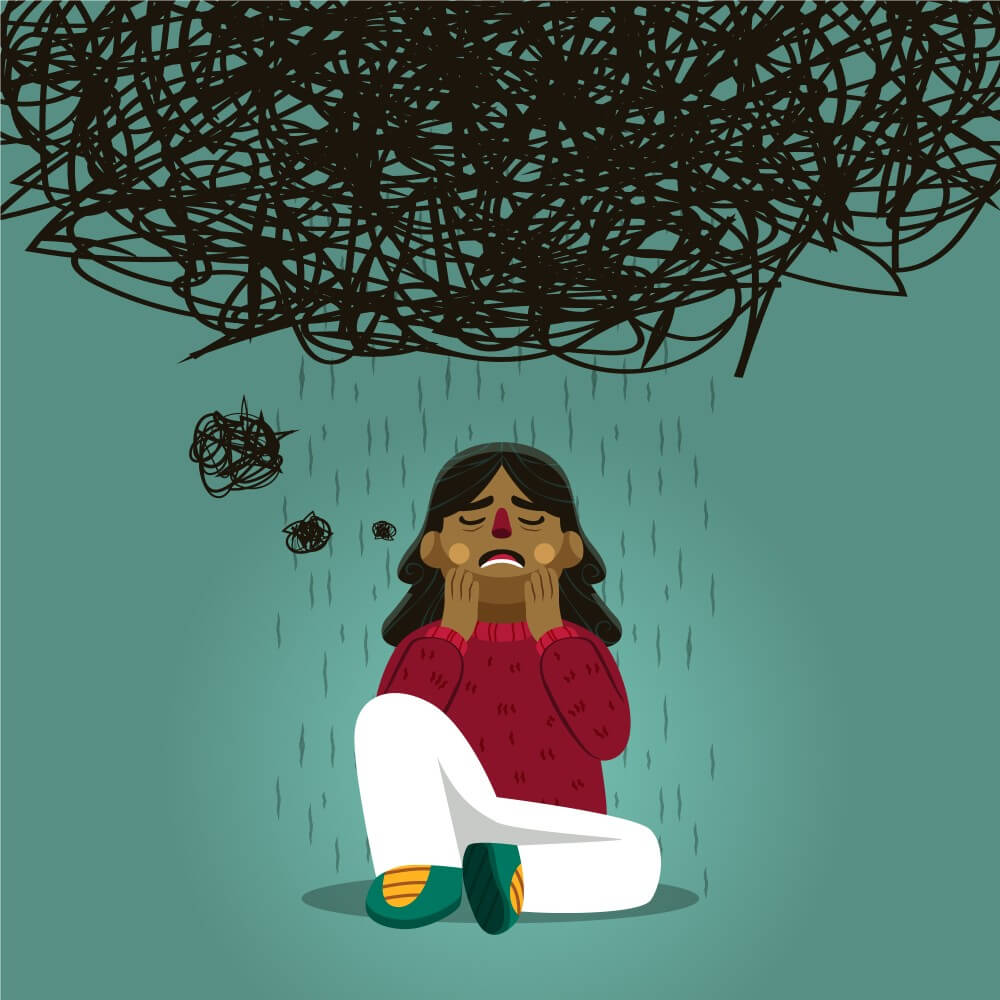
If you’ve had more than enough of your child coming home crying due to collective punishment, we have a solution: today, we are launching a new tool designed to help families, advocates, and educators challenge collective punishment in British Columbia schools. The school finder makes it easy to search for your child’s school and take immediate action.…
-
Don’t get stuck in ‘working it out’ purgatory
Time is money, as they say—but in the world of school advocacy, it’s mostly mothers paying the bill. They spend their work breaks writing emails. Their nights gathering documents. Their weekends holding their children together after another week of being failed. They do this unpaid, unsupported, and unseen. The cost isn’t just measured in hours—it’s…
-
The scarcity script: how manufactured famine shapes public education
British Columbia’s public schools are not suffering from a natural shortage—they are operating under a system of manufactured scarcity. This blog explores how austerity, rationing logic, and institutional self-preservation create harm for disabled students and their families. Drawing on thinkers like David Graeber, Wendy Brown, Ruth Wilson Gilmore, and Mariana Mazzucato, it reveals how scarcity…
-

Arrow Lakes School District (SD10): a neurodiversity-informed policy critique
The Arrow Lakes School District’s Policy 310, “Expectations for Student Conduct,” presents a succinct framework grounded in the language of safety, mutual respect, and orderly environments. It affirms the importance of rights-based protection against discrimination and sets the expectation that all schools will maintain up-to-date, locally developed codes of conduct. It allows for discretion, acknowledges…
-

I brought my lunches in yoghurt containers
I brought my lunches in yoghurt containers—garlicky stir-fries, bright with tamari and heat—and sat beside children with white bread and bologna, quietly learning that normalcy was measured in silence, sameness, and smelllessness. I wasn’t bullied. I was strange. And strangeness, in childhood, is its own kind of exile.
-
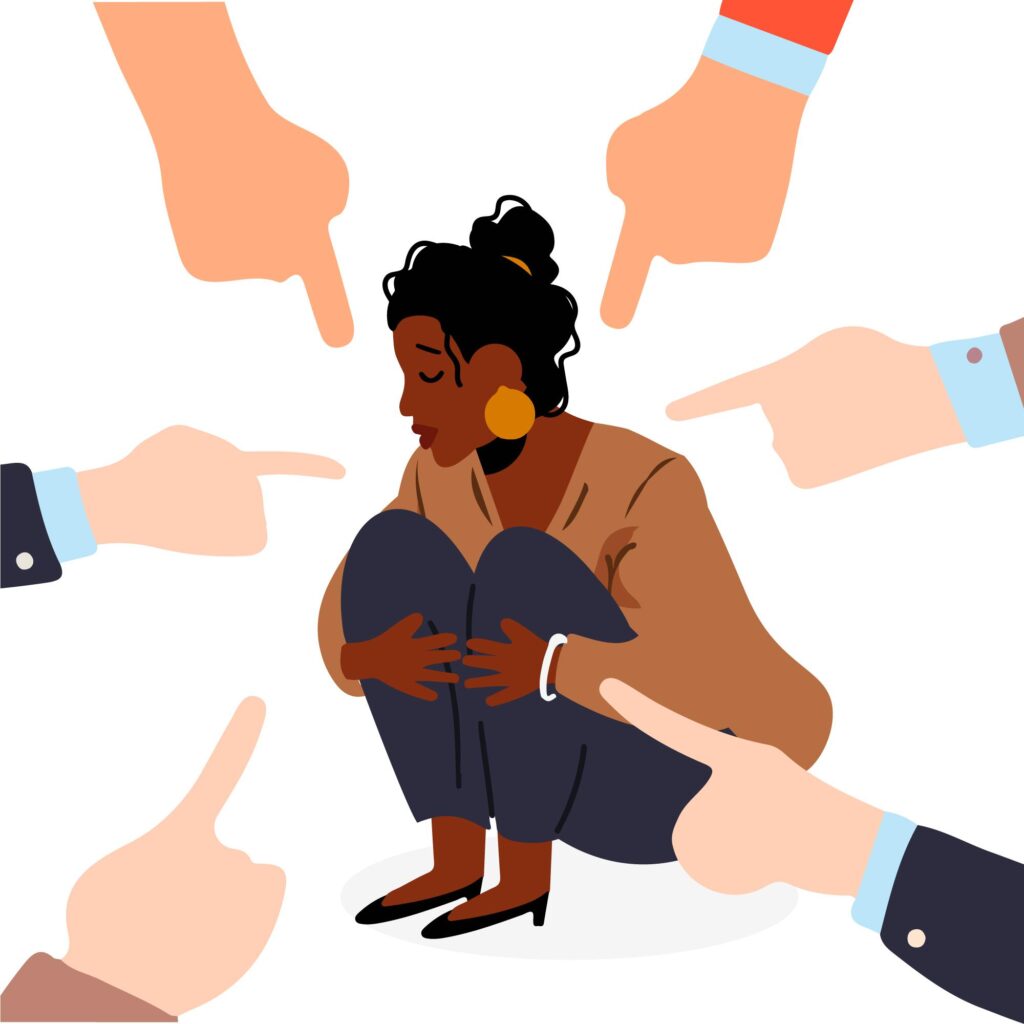
Trust undone: how collective punishment breaks the heart of the school
There is a kind of harm we don’t always name. Not bruises. Not bad grades. Not exclusion on paper. It is the slow unravelling of something more fragile—trust. The felt safety between a student and their teacher. The invisible thread between classmates. The quiet assumption that school is a place where fairness lives. Collective punishment…
-
Inviting collaboration on repairing trust after collective punishment
A practical guide for educators seeking to repair harm after using collective punishment. If you’ve used collective punishment—like taking away recess from an entire class, cancelling an activity because one student was dysregulated, or using peer pressure to enforce compliance—you’re not alone. These practices are still common in Canadian classrooms. But they cause real and…
-
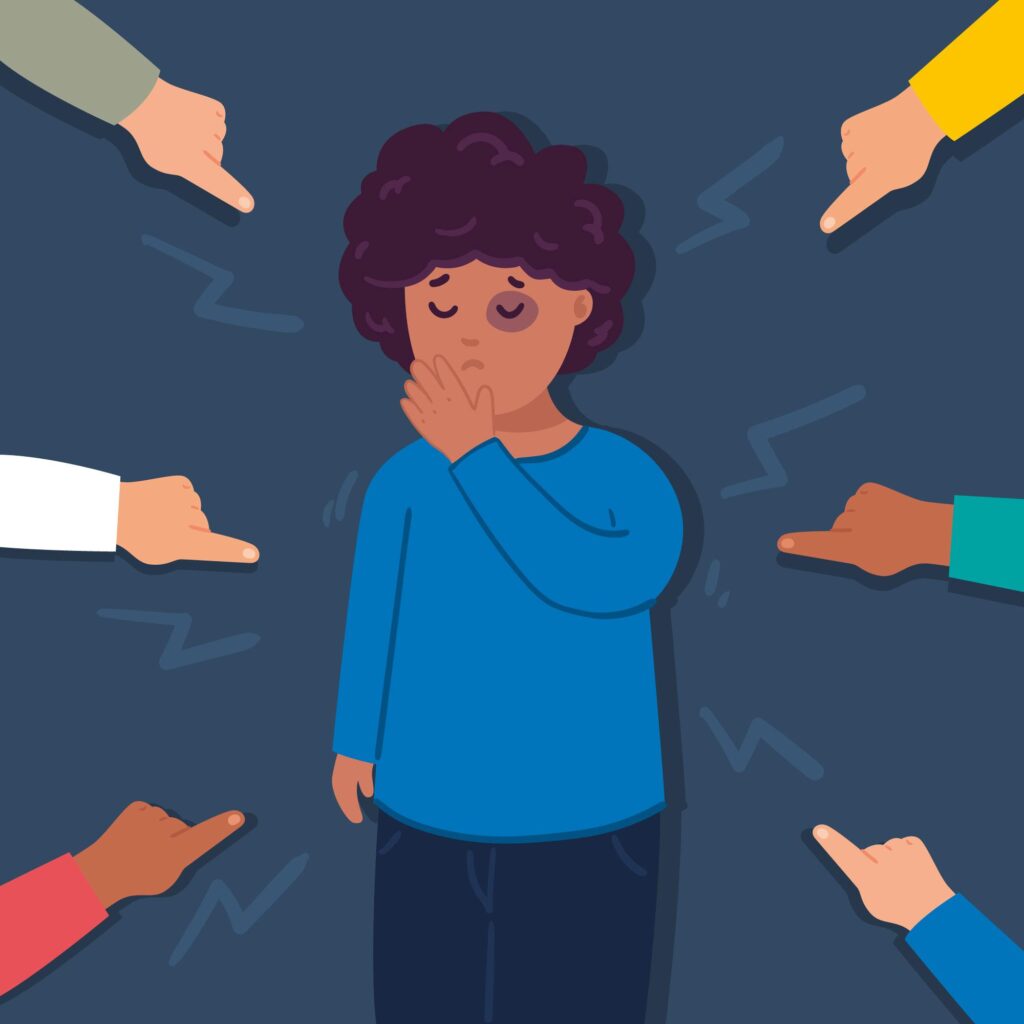
The children were made to punish the children
In Canada’s residential schools, older children were instructed to punish the younger ones—to hit them, isolate them, report them for infractions defined by an institution that sought to erase who they were. The adults gave the orders. The children were conscripted to carry them out. This was not incidental. It was structural. It was framed…
-

The long shadow: A history of punishment in Canadian schools
Public education in Canada is often conceptualised as a progressive force—an equaliser, a promise of inclusion. But beneath the surface of this narrative lies a long, often unbroken history of exclusion, coercion, and punishment. Canadian schools have long been sites of control, where discipline was not merely corrective, but foundational to how institutions understood their…