
Discipline ideology
The latest findings, academic studies, or reports related to collective punishment, education, and behavioural psychology.
-
Neural evidence exposes the steep cost of sacrificing vulnerable children to punitive myths
Neural evidence from Altered Neural Responses to Punishment Learning in Conduct Disorder offers a precise account of how punitive school discipline collides with the neurodevelopmental profiles of vulnerable children, because the study shows that punishment learning relies on the anterior insula’s capacity to transform discomfort into behavioural adjustment, and this capacity expresses irregular patterns in the children…
-
Punishment is not a good learning tool
In Altered Neural Responses to Punishment Learning in Conduct Disorder, researchers examined how young people learn from punishment and reward using fMRI and computational modelling, and the findings show that punishment-based approaches produce weak and unreliable learning signals in a significant subset of youth. The study followed 174 young people (ages 9–18) who completed a…
-

In genocide and the classroom: the routinising of distress
A meditation on how institutions train people to ignore suffering—how desensitisation, scarcity, and forced optimism erode empathy and make harm seem ordinary.
-

Parents are responsible for the collapse of discipline ideology at school
The dominant narrative in staff rooms and comment sections insists that discipline has collapsed because parents no longer “back up the school.” This explanation comforts institutions and shames families, yet it misunderstands the architecture that once made discipline appear effective. What is collapsing is not parenting. What is collapsing is the total environment that once…
-

North Okanagan-Shuswap (SD83): a neurodiversity-informed policy critique
School District 83’s Policy 310 Student Code of Conduct, amended December 14, 2021, presents itself as a framework for “safe, respectful, and inclusive learning and working environments for all members of its school communities.” The policy commits to restorative approaches, acknowledges that consequences should be “preventative and restorative in nature,” and states explicitly that “appropriate…
-

Urgent behaviour intervention teams in major BC school districts
Across British Columbia, many school districts have developed internal teams or programs designed to respond to urgent behavioural situations—such as elopement, aggression, or significant dysregulation—particularly when students are perceived as posing a safety risk or disrupting the learning environment. While these interventions are often framed as supportive or inclusive, families report that they can feel…
-
Safety plans, billion-dollar scripts, and the harm they keep in place
When a parent hears the words safety plan, there is often a breath held in the chest — a brief hope that the school has recognised the reality of the child’s distress, that they have stepped back to consider what would truly help, that they are inviting the parent to build something together that will let…
-

This isn’t a unique case, is it?
My children’s father said in a meeting: “Surely you’ve dealt with this before and you have a solution? This isn’t a unique case, is it?” The question hung in the air, simple and devastating, exposing in one breath the entire pretence on which school leadership rests. The question matters because it cuts through bureaucratic delay…
-
The children don’t see autism, they see meanness
How schools weaponise ableism through gendered care expectations. Harm amplified by systemic ableism The principal once told me, almost as an aside, that the children “don’t see autism, they see meanness.” It was meant as an explanation, but to me it landed as an indictment of a school culture—to let that ableist misunderstanding stand unchallenged.…
-
The fallout of regressive discipline: from community trust to mental health
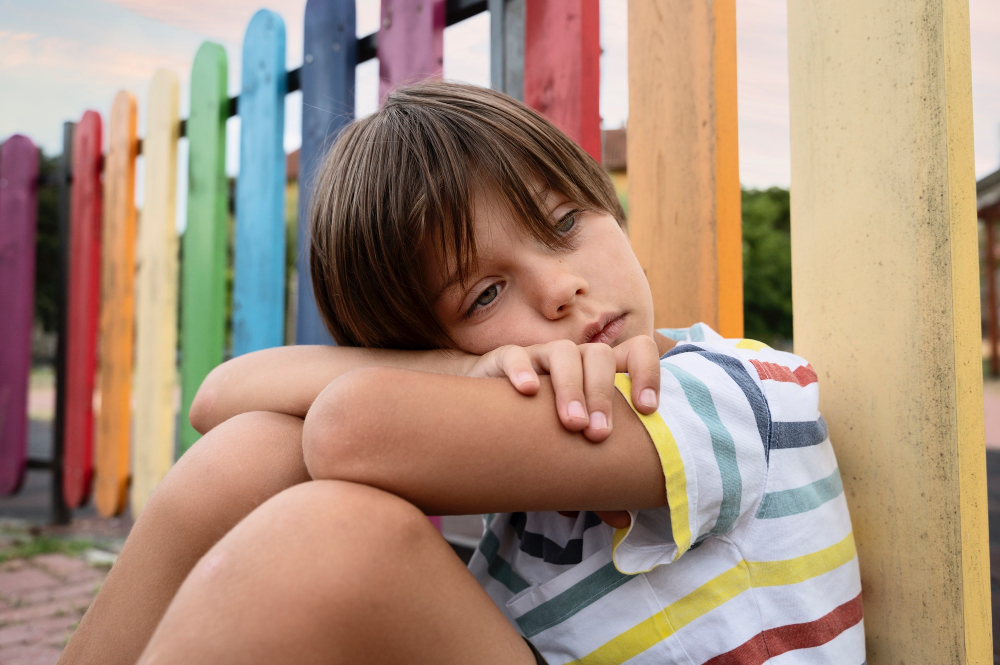
In schools across British Columbia and beyond, discipline often unfolds not as a considered intervention tailored to individual needs, but as a blunt, collective act that seeks to restore order quickly by suspending joy or opportunity for all. The cancellation of recess, the revocation of a field trip, the withholding of an earned privilege—all for…
-

Fraser Cascade School District (SD78): a neurodiversity-informed policy critique
The updated 2024 Code of Conduct for SD78 arrives in the context of a newly adopted Diversity, Equity, and Inclusion policy that promises proactive protection for students across multiple identity dimensions. At first glance, the Code carries forward much of the language from its 2017 predecessor—including commitments to prevention, fairness, and restorative practice—and now adds a new section…
-
When schools say a child went from “zero to sixty”
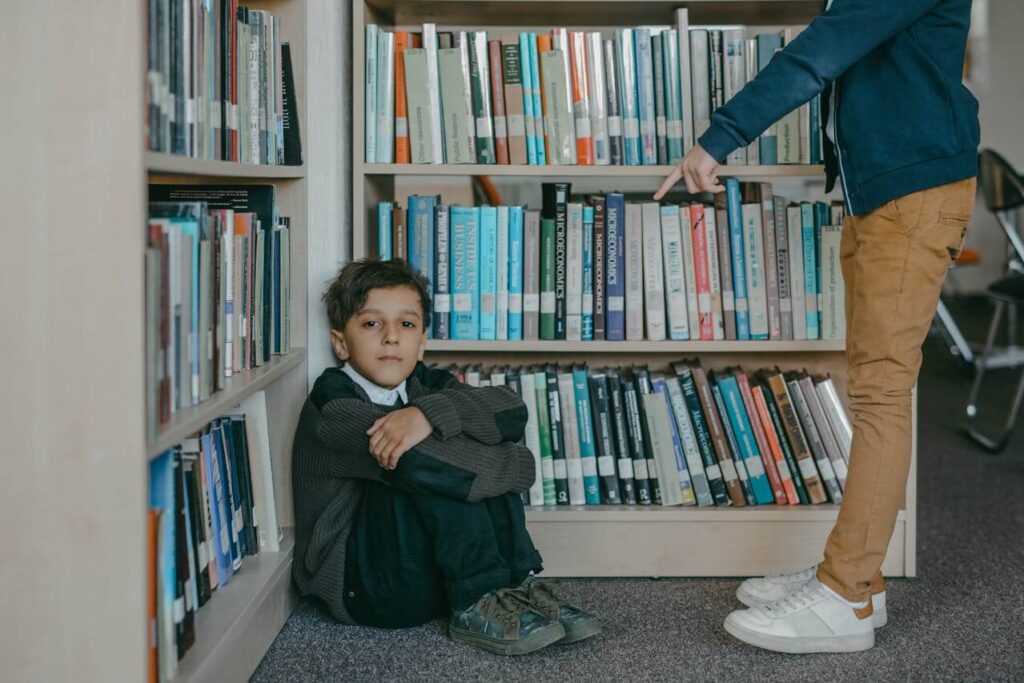
Let’s rip the mask off this polite, professional charade: when schools say a child went from “zero to sixty,” they are lying to protect themselves. They are covering for the adults who ignored every warning, missed every signal, and left a child to be harassed, baited, and humiliated until their nervous system screamed for survival.…
-

25 signs that your IEP team is disabling your child
In the space where families gather with school teams to shape a child’s Individual Education Plan, the language often carries more weight than paper can bear, for each phrase can open a door toward inclusion or quietly plant the seeds of exclusion, and the difference lies in whether the plan nourishes capacity or erodes it.…
-

12 ways to tell when a crisis at school is really a failure of support, supervision, or repair
The hardest moments to navigate are often the ones that happen in seconds—but have been building for months. A single moment can change everything. A shove on the playground. A child running out the door. A sharp word or a sudden slap. To someone looking in from the outside, these moments can seem like they…
-

Collective punishment: how schools displace guilt, erase harm, and preserve the collective
One of the things that was so traumatising about the collective punishment that was callously perpetrated against my daughter was the light and evasive tone of the principal. She said that the punishment had to be “swift.” I frequently wondered about the choice to psychologically wound disabled children while treating the infliction of that wound…
-
Cultural bias and collective punishment: why school systems resist feedback
Across cultures and institutions, punishment is often mischaracterised as a neutral or corrective act—something that emerges in response to wrongdoing, rather than something shaped by norms, loyalties, and group dynamics. But when we look closely at how people learn to punish (and more importantly, whom they choose to punish), a very different picture emerges—one that…
-

How do school staff survive while upholding systems that cause harm?
Freyd’s betrayal trauma theory (1996) starts with the idea that trauma is more psychologically destabilising when it comes from someone—or some system—you are dependent on and trust. Abuse by a stranger wounds, but abuse by a parent, partner, or caregiver fractures the psyche at a deeper level because it requires a split: I must ignore what…
-

Joy is rationed for disabled kids in school
When disabled children are excluded from field trips, they are being punished for their needs. These joyful, formative experiences become conditional—offered only to those who mask well, follow rules, and cause no disruption. In British Columbia, this widespread practice violates both law and conscience. Inclusion that ends when the bus departs is not inclusion at…
-

Confident Parents, Thriving Kids—unless you’re autistic
Why school systems should reject behaviourist programs disguised as mental health support. Our daughter was melting down almost every day after school. She would cling to me at drop-off like she was drowning—like she had to hold onto me or she would lose herself, unable to breathe, unable to bear it. She was already telling…
-
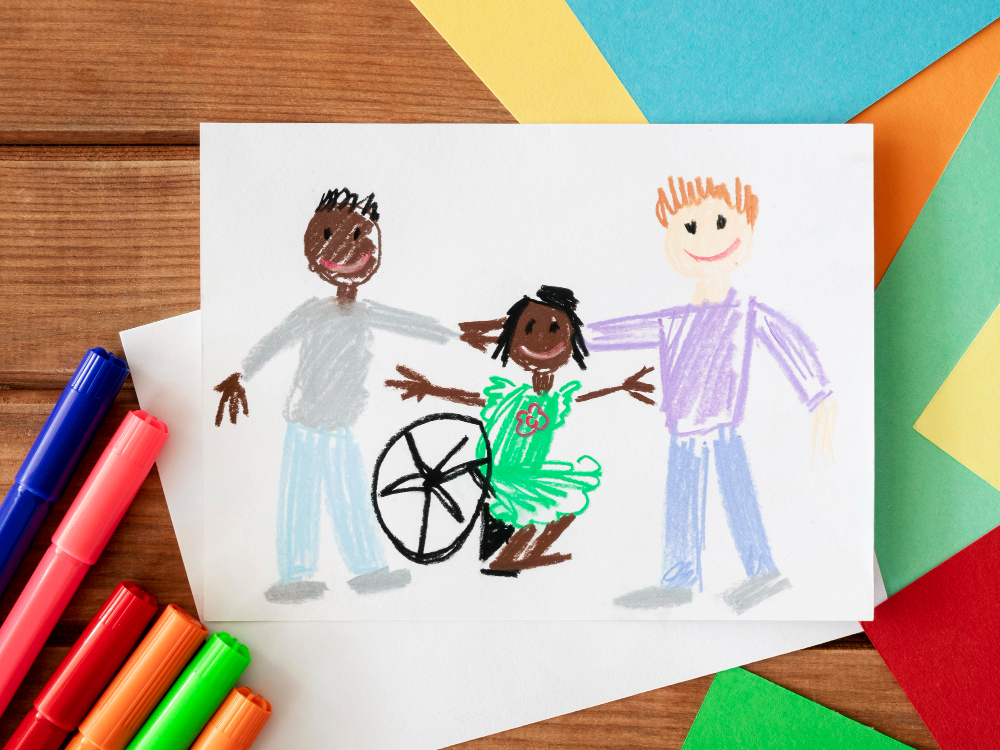
Compliance discourse vs. disability justice in BC’s education system
Official VSB documents reveal an emphasis on student compliance and disciplinary consequences, with little mention of disability accommodations. For example, the VSB’s District Code of Conduct underscores “a fair and consistent range of consequences, including suspension and change in educational programming, for student misconduct” media.vsb.bc.ca. The Code enumerates expected student behaviours and infractions (e.g. attending regularly,…