
Discipline ideology
The latest findings, academic studies, or reports related to collective punishment, education, and behavioural psychology.
-
Fierce is fair: when institutional tone policing meets legal obligation
There comes a moment when a parent begins to speak in plain terms, with no softening edge, no accommodating smile, no fear of being perceived as uncooperative. It’s when you realise that you won’t be liked, no matter how hard you try, because your advocacy positions you as inherently unlikable by schools with their current…
-

What looks like a reward is often a repair
When a child returns from the office with gummy worms or a cartoon, it may look like a reward—but often, it is a repair. In a system built on scarcity, the smallest gesture of care is mistaken for indulgence. This essay reframes the narrative around “rewarding bad behaviour” to reveal what is actually happening beneath…
-
Against our will: When ‘support’ becomes institutionalised coercion
I said no. I said it plainly, early, repeatedly. I said it in writing, I said it on the phone, I said it from a place of trembling grief and exhausted clarity. I said it as a mother who had already tried everything. I said it after describing the diagnostic framework, after explaining what worked,…
-

Non-coercive, trauma-informed alternatives to PBS/ABA in BC schools
Positive Behaviour Support (PBS) and Applied Behaviour Analysis (ABA) are behaviourist approaches widely used in schools to manage student behaviour. However, a growing chorus of neurodivergent advocates, educators, and researchers highlight that these methods often prioritise compliance and “normalising” behaviour over student well-being rcpsych.ac.uk. By focusing on making neurodivergent children appear neurotypical (meeting neuronormative standards), traditional PBS/ABA can…
-

The budget is the behaviour
These responses do not aim for diplomacy. They carry the clarity earned through harm. Most families hold them quietly—unspoken but vivid—because many relationships still require us to perform gratitude after exclusion. These sentences arise from moments when a decision was made to withhold care, to rename harm as misunderstanding, to value budget over belonging—and families…
-

The history of this website
What began as one mother’s refusal to accept the institutional cruelty of collective punishment has grown into a vast, strategic, and emotionally searing archive—a living infrastructure of truth-telling and resistance, built from grief, fuelled by clarity, and shared in solidarity with every family navigating harm inside a system that punishes children for being disabled.
-

The collective punishment of delayed care
There is a particular cruelty in delayed care, of watching a child falter for weeks or months while teams gather data, debate thresholds, and cite process. It is the cruelty of waiting for collapse before responding, of constructing intervention around crisis instead of prevention. And when the child finally does break, when their distress spills…
-

Structuring your site when your thoughts feel chaotic
A guide to emotional architecture: building a site that honours your spiralling thoughts and empowers your audience. You don’t need to organise your pain into neat folders to begin.
-

A one-day suspension for this?
According to the consent resolution agreement published by the BC Commissioner for Teacher Regulation, secondary school teacher Todd Erin Graham engaged in multiple forms of misconduct over the 2022–23 school year. These included racially and culturally demeaning comments to an Indigenous student, public disparagement of a diverse learner, inappropriate physical contact with female students, unsolicited…
-
Tell the Ministry: end collective punishment in BC schools
BCEdAccess recently reminded us that if families don’t speak up, the system assumes everything is fine. Writing letters to the Ministry of Education and Child Care is one way we can make our children’s experiences count—especially when those experiences involve exclusion, loss of support, or group-based discipline that punishes kids for behaviours linked to unmet…
-

I am just me: What it costs to show up
If I could have walked away from this institution, I would have—but I couldn’t, and so I came, and the price of showing up was almost everything I had left to give. Showing up is not the beginning—it is the aftermath By the time I appear on your committee call or log into your engagement…
-

Suspending justice: What ethics can (and can’t) teach us about school discipline
In 1993, educator Martha Johnson conducted a simple but telling experiment. During a professional development session for principals and vice-principals in southern Alberta, she handed out a fictional case study: a student, suspended. Participants were asked to reflect on whether the decision was ethical—before and after being introduced to an ethical decision-making framework. What changed wasn’t the facts…
-
Why I’m reviewing school codes of conduct
To the student who found this page because you typed something scared or confused or angry into a search bar—something like “are teachers allowed to take away recess?” or “can I be suspended for a meltdown?” or “why did my teacher say I wasn’t trying hard enough when I couldn’t stop crying”—this is for you.…
-
What replaced the strap in Canadian schools?
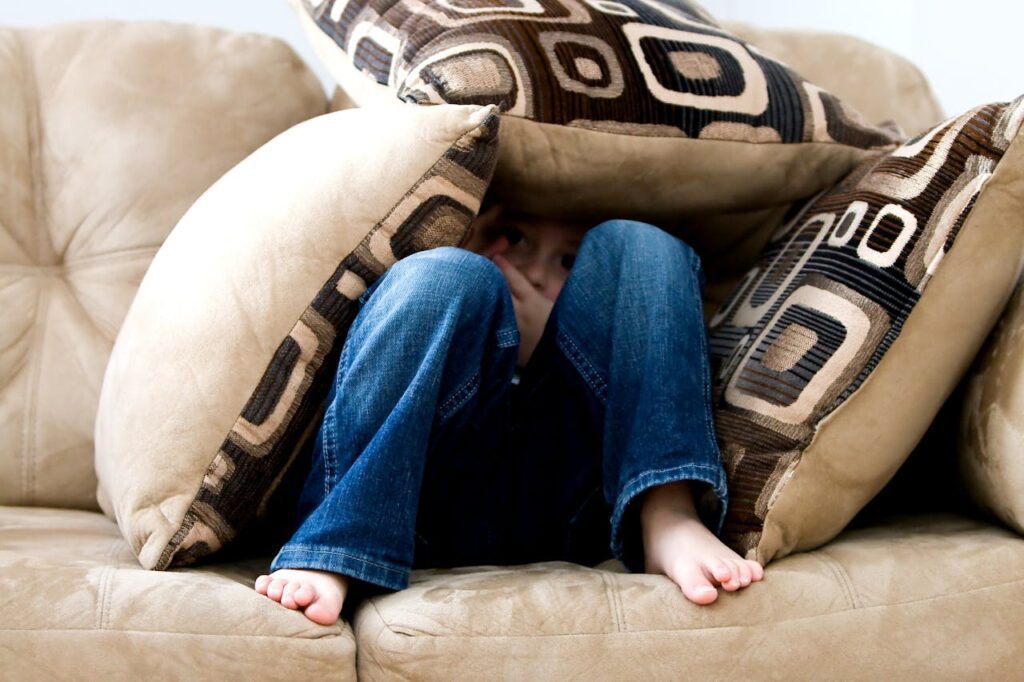
They took the strap away—or at least, they removed the physical instrument, the leather loop of institutional discipline that had once been the sanctioned mechanism of control in classrooms across the country. Even if we never felt it on our own skin, we knew what it meant; we had heard the sound of it slapped…
-
The architecture of exclusion: how schools erase, silence, and wear down families
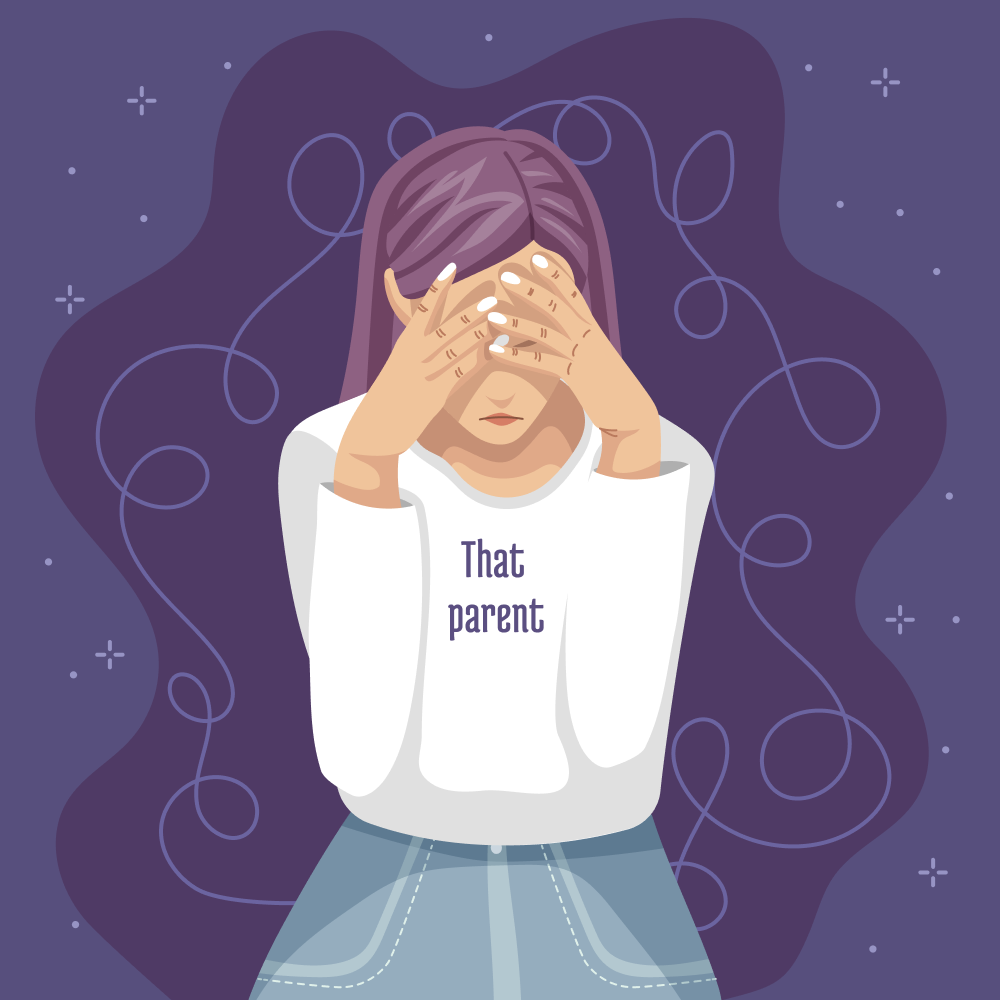
Schools are supposed to be spaces of inclusion and support—but for many families, especially those raising disabled or neurodivergent children, advocacy is met with a wall of politeness, professionalism, and performative listening that hides a deeper violence: rhetorical control. One of the most common tactics is tone policing: the redirection of attention from a parent’s concern…
-
Punished for bed wetting
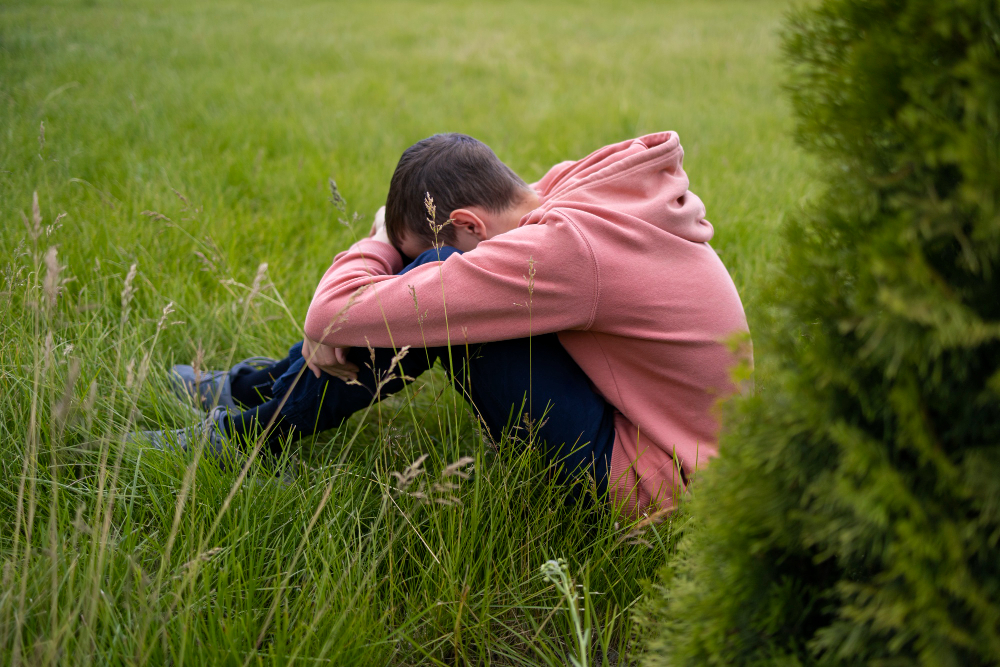
I’ve woken up in the middle of the night to help my children when they’ve wet the bed—perhaps after a bad dream or too much water before bedtime. I remember helping them change their clothes, stripping the bed, telling them gently: it’s okay. It happens. It’s a small moment that reminds me what care looks…
-

Forgiveness, or whatever comes after disbelief
A friend asked me recently why I hadn’t filed more external complaints—human rights complaints, formal grievances, legal action. And it’s true. I should have. There were so many moments where I could have, where I had grounds to. And I believe deeply in the importance of external complaints. I’ve written about them. I’ve supported other…
-

How to talk about collective punishment: a conversation guide
This guide is for anyone who wants to help shift thinking around collective punishment in schools. It includes practical, respectful ways to respond when you see or hear something troubling — even if you’re not in a position of authority. Use it to plant seeds, ask good questions, and name harm without assigning personal blame.…
-

How it broke me open: the unbearable clarity of seeing things as they are
I know another reason the collective punishment incident was so devastating for me, like truly sent-me-spiralling kind of devastating, wasn’t just because of what was done to the kids (although yes, obviously that too), but because of what it broke in me, in how I’d been holding things together for so long with this scaffolding of…
-

The cost of being careful: how punishment rewires the brain for fear, not learning
There are classrooms where children learn to think, and there are classrooms where children learn to be careful. Too often, we pretend they are the same. But when punishment—especially collective or public punishment—dominates the emotional tone of a learning space, what emerges is not intellectual risk-taking or social responsibility. What emerges is fear. Surveillance. A…