

Educational harm
The emotional, cognitive, and academic consequences of exclusion, burnout, unsupported needs, and systemic discrimination in school settings.
-
Apparently, starving yourself isn’t a serious mental health condition in VSB
There is a kind of harm that unfolds slowly — a hunger that accumulates across weeks and months, tucked beneath the surface of routines and well-meaning systems. My daughter is autistic, has ADHD, and a feeding disorder called ARFID. She eats quietly, cautiously, in ways that make sense to her nervous system. Her paediatrician recommended…
-

The bait and switch: What inclusion really looks like at the VSB
Every September, I walk into school meetings with the same cautious hope. We’ve done everything right. The diagnoses are up to date. The IEP is in place. The reports are filed — more than thirty of them over the years, from audiologists, psychiatrists, speech-language pathologists, behaviour consultants, and occupational therapists. You’d think that would mean…
-

A costly legal habit at the Vancouver School Board
As families fight for inclusive education and basic classroom support, the Vancouver School Board is pouring millions into legal fees—more than triple what it spent just a few years ago. Public records reveal a dramatic spike in payments to Harris & Company, the district’s longtime law firm, coinciding with a high-profile property lawsuit and growing…
-

The poison of silence: on complicity, healing, and speaking the truth
I had so much pain stuck in my chest and throat. Cancelled screams. Unsaid truths. Every meeting where I stayed quiet, every time I swallowed my words to seem reasonable, every time I hoped that portraying myself a certain way might stop my children from being harmed—those moments didn’t disappear. They got stuck. I stopped…
-

Grace and the weight of a meeting
I felt so hopeless in that meeting. Underneath all the patronising words and well-meaning smiles, I could feel the same machinery at work—the one that asks disabled children to be gracious in the face of dismissal, polite in the face of erasure, composed in the face of harm. “We’d ask if Jeannie could show a…
-

We shouldn’t be enemies
I took my daughter for a manicure this week. She’s graduating from grade 7. A milestone. A moment that felt almost ordinary—slideshow, applause, plastic chairs, nervous grins—and yet there was nothing ordinary about what it took to get there. Vocabulary for what happened Class change She spent seven months of this school year outside the…
-

Advocacy toolkit: resources for families navigating school harm
Some of us arrived at advocacy slowly—one red flag at a time. Some of us were pushed into it suddenly, when everything fell apart. Some of us have been writing emails in our heads for years. Some of us are just now finding the words. Wherever you are in the process, this toolkit is for…
-

If I could: A letter to my daughter before another school meeting
If I could catch you before you fall, I would. If I could make them understand—make them see you as you truly are—I would. You are doing so well, in so many ways. If I could make you feel the pride you deserve, the pride I feel when I look at you, I would. But…
-

Galiano Community School (SD64): a neurodiversity-informed policy critique
The 2022–23 Code of Conduct for Galiano Community School is unusually rich in aspirational language. It describes a community of care rooted in mutual respect, emotional development, and responsive teaching. It affirms the BC Human Rights Code, references Positive Behaviour Support, and anchors its behavioural framework in the values of SOLE—Respect and Care for Self, Others,…
-

Drawn and quartered: Sibling trauma, institutional containment, and the erasure of care for families with multiples
When you are the parent of twins—especially autistic/ADHD twins—you learn very quickly that the education system can’t hold both of them at once. Support is rationed. Attention is rationed. Empathy is rationed. The school system does not say this aloud, of course. It claims to treat every child as an individual. But as soon as…
-
IEP goals that don’t mean ‘don’t be autistic’
Too many IEPs include goals like “will self-regulate” or “will self-advocate”—goals that sound supportive, but often mean “will not disrupt,” “will not need help,” or “will not act autistic at school.” This post explores how seemingly neutral language can become a tool for erasure, and offers concrete, neurodiversity-affirming alternatives that centre support, access, and dignity—so…
-

Not everyone gets a slideshow
He should have been graduating too, but he isn’t. After years of support that never arrived, of being punished for distress instead of helped through it, my son left school quietly—while the world carried on with its ceremonies, its slideshows, its celebrations of children who were never forced to disappear in order to survive.
-
Language to start a revolution
Our library of tips offers a concise, alphabetically organised toolkit for recognising and challenging the systemic forces that shape student experiences in British Columbia’s public schools.
-
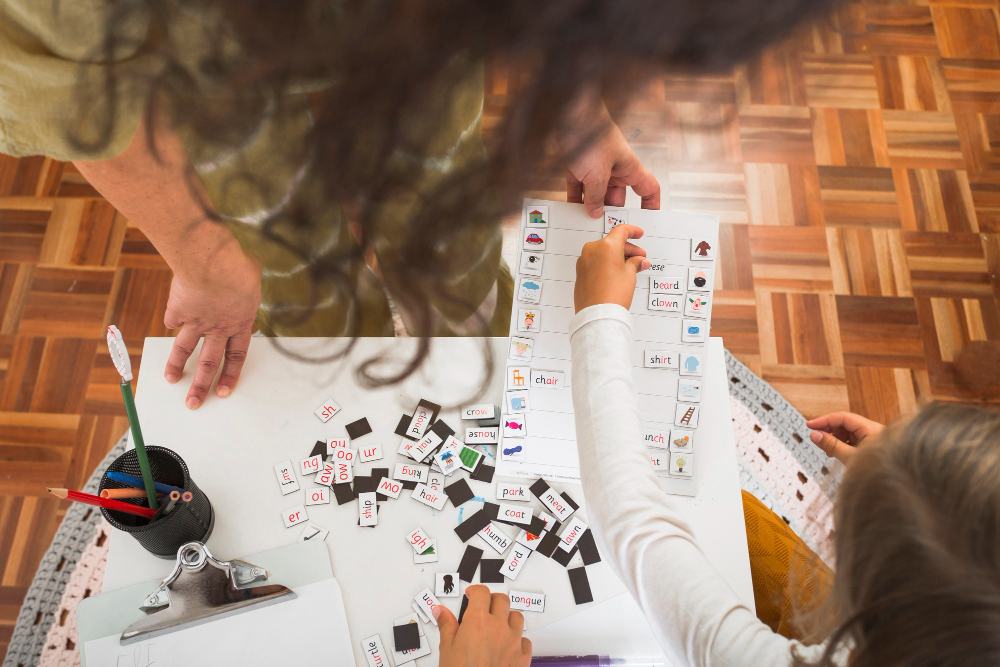
Why sticker charts fail
Sticker charts and other incentive-based systems promise to motivate children through tangible rewards, yet they too often undermine genuine engagement by teaching students to focus on external validation rather than on the inherent value of learning or participation. When a child’s behaviour is redirected toward earning stickers or tokens, the activity becomes a transaction instead…
-

Cariboo–Chilcotin School District (SD27): a neurodiversity-informed policy critique
Cariboo-Chilcotin is one of the most geographically dispersed and demographically complex districts in British Columbia. Spanning small rural towns and remote Indigenous communities—including sites of historic and intergenerational trauma—SD27 faces significant challenges in providing consistent, inclusive, and safe environments for all learners. In June 2024, the Board adopted Policy 390: Safe and Caring School Communities, replacing…
-
Maybe tomorrow: reflections on goal post shifting and the economics of access
There were accommodations on paper and endless lip-service meetings. But none of it happened in the classroom. And every time we did what was asked—another intake, another form, another plan—the goalpost moved again. We weren’t asking for miracles. We were asking to be seen as disabled. And instead, we were told to be more positive,…
-
Revoking recess as a form of collective punishment
Rules intended for safety become instruments of collective punishment when they erase unstructured play from the school day, compounding distress for children who rely on movement, predictability and sensory regulation. this post examines the disproportionate impact on neurodivergent learners and proposes targeted interventions that preserve every child’s right to play and learn.
-

“Too much”: on allergy, autism, and the systemic erasure of care
There is a quiet solidarity among parents whose children are considered too much for school. Some of us carry medical kits. Others carry binders of psychological assessments. But all of us carry the same invisible burden: a system that treats our children’s needs as optional—and our vigilance as overreaction. This is the story of two…
-
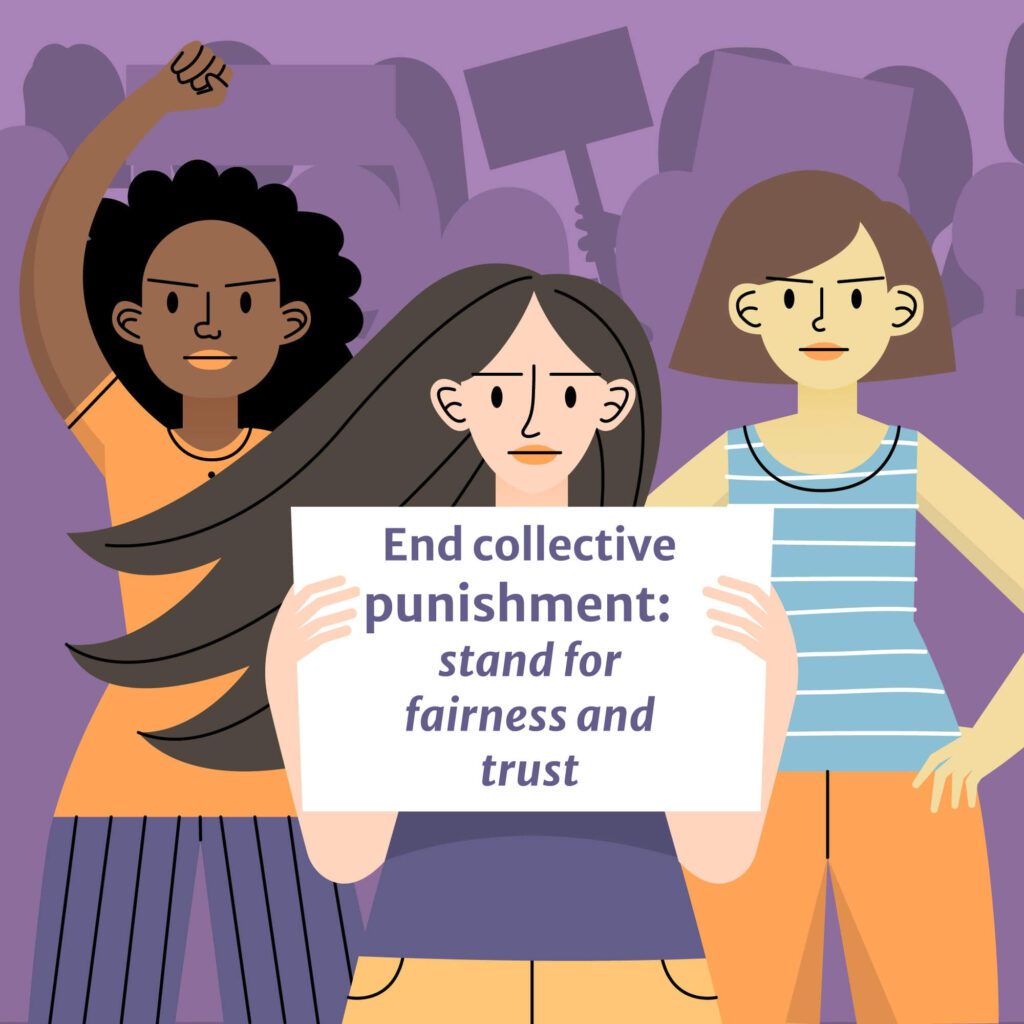
Right to no discrimination
Every child has the right to learn and belong at school without being treated unfairly because of who they are. In British Columbia (B.C.), this Right to No Discrimination means public schools must welcome all students on equal terms, regardless of their race, Indigeneity, colour, ancestry, place of birth, religion, family background, sex, sexual orientation, gender identity, disability,…
-
How narcissism and PDA collide in the wreckage of trust
Some children refuse control because control has always felt like violence. Because control has worn the face of love and left behind a residue of shame. Because adults said, “this is for your own good” while ignoring tears, violating autonomy, and insisting that compliance was safety. For these children, especially those with a PDA profile,…