
Educational harm
The emotional, cognitive, and academic consequences of exclusion, burnout, unsupported needs, and systemic discrimination in school settings.
-
Institutional gaslighting of caregivers
You refuse to forget, because forgetting would mean abandoning your child’s reality—and you have already watched too many adults do that with a straight face and a professional tone. You refuse to downplay what has happened, because the harm is not theoretical—it lives in your child’s nervous system, in her school avoidance, in her refusal…
-

Food, rewards, and collective punishment in the classroom
It might seem harmless. A teacher stands before a class with a box of lollipops or a bag of Freezies, offering them as a reward for good behaviour. But there’s a catch: everyone only gets one if everyone behaves. What appears—on the surface—as a treat, quickly becomes a threat. For neurodivergent children, food-based group rewards…
-
Wait and see: a mother’s warning
Before kindergarten began, we told them—unequivocally, painstakingly, with as much specificity as we could muster—that our son had been harmed in daycare, that he had a long line of diagnoses and was awaiting an autism assessment, that his nervous system was thrashed, and that he would require sustained, full-day relational support in order to experience…
-

We stand with BC teachers
The BC Teachers’ Federation (BCTF) has launched a new ad campaign ahead of the provincial election to spotlight BC’s worsening teacher shortage and demand urgent government action. The campaign, titled Hire More Teachers, features TV and digital ads showing the real impact on students and calls for a fully funded workforce strategy similar to health…
-
What replaced the strap in Canadian schools?
They took the strap away—or at least, they removed the physical instrument, the leather loop of institutional discipline that had once been the sanctioned mechanism of control in classrooms across the country. Even if we never felt it on our own skin, we knew what it meant; we had heard the sound of it slapped…
-
Summer school blues: on being excluded from the gifted program
In the spring of 2018, I applied to the Vancouver School Board’s summer Gifted/Challenge Program for my twins, Jeannie and Robin, who had just finished kindergarten and were, in different ways, already outpacing the curriculum. Robin was already captivated by the ancient world—particularly Egypt, with its pyramids, its rituals, its mythologies of death and continuity,…
-

She called the police and the principal told them not to come
They used to be friends—Jeannie and Adam, two children who grew up side by side, navigating the same schoolyards, chaotic birthday parties, playdates, and a sense that their differences were both misunderstood. They went to the reptile show together and settled into the rhythm of primary school routines, and the kind of familiarity shared by…
-
On free IVF: love and systemic neglect
BC is funding IVF, but not the care children need once they’re born. Love is enough. The system isn’t. This is betrayal dressed as hope.
-
Punished for bed wetting
I’ve woken up in the middle of the night to help my children when they’ve wet the bed—perhaps after a bad dream or too much water before bedtime. I remember helping them change their clothes, stripping the bed, telling them gently: it’s okay. It happens. It’s a small moment that reminds me what care looks…
-
Fight flight fawn freeze: surviving school
There are children who throw chairs when cornered, children who slip quietly out the door or hide behind the portable, children who don’t speak for hours, who go limp, who answer every question with “I don’t know,” and children who nod and smile and say “okay” to everything—until they collapse at home, trembling and broken,…
-
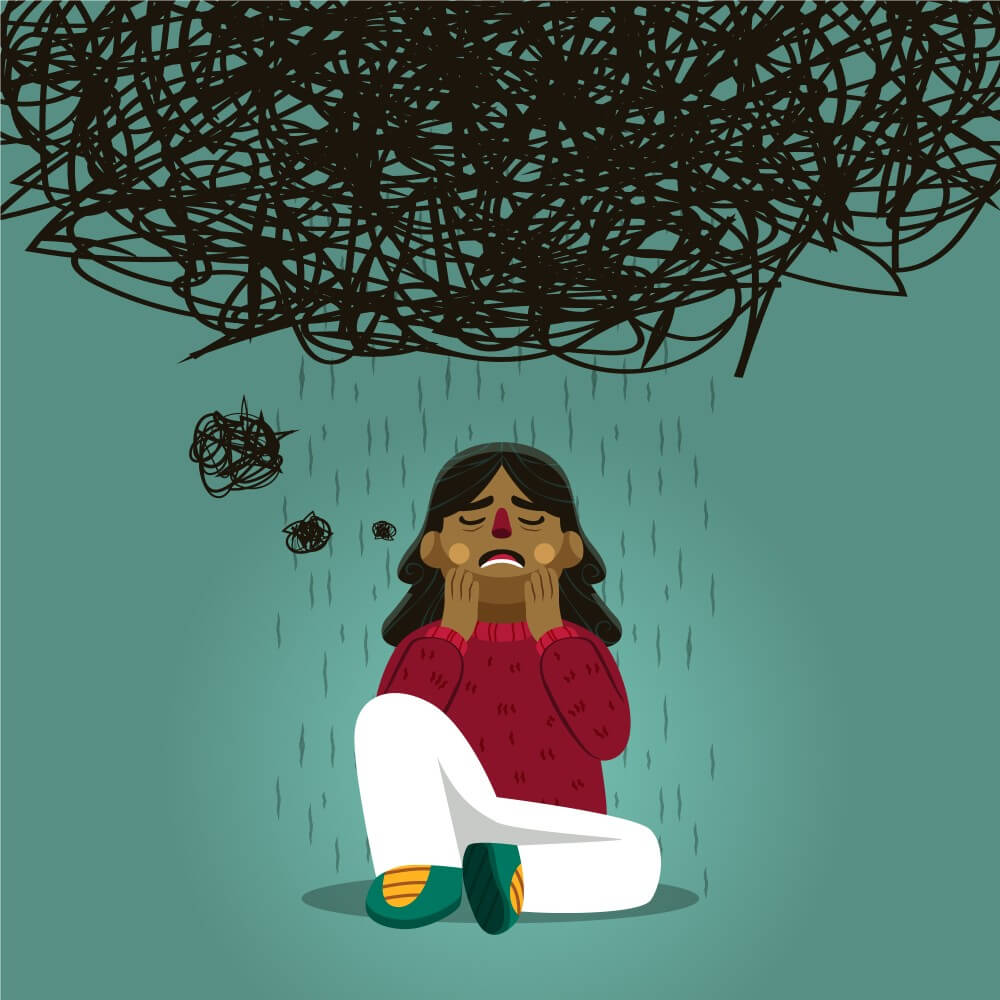
Anxiety is not an overreaction: why neurodivergent distress demands a different response
There is a kind of anxiety that rises up like a wave—not sudden, not irrational, not the result of faulty thinking or poor coping, but steady, cumulative, and earned. A body that has learned the world is not safe, not soft, not designed for it. A body that has been punished for asking for help,…
-
When they knew it hurt, and did it anyway
I was clear. I was specific. I was unwavering. I told the Vancouver School Board that I believed behaviourist strategies were harmful, violated my child’s dignity, and contradicted our family’s ethics—and that continuing to use them without consent would cause further harm. They used them anyway. Over and over, the school district returned to strategies…
-
Forgiveness, or whatever comes after disbelief
A friend asked me recently why I hadn’t filed more external complaints—human rights complaints, formal grievances, legal action. And it’s true. I should have. There were so many moments where I could have, where I had grounds to. And I believe deeply in the importance of external complaints. I’ve written about them. I’ve supported other…
-

How to talk about collective punishment: a conversation guide
This guide is for anyone who wants to help shift thinking around collective punishment in schools. It includes practical, respectful ways to respond when you see or hear something troubling — even if you’re not in a position of authority. Use it to plant seeds, ask good questions, and name harm without assigning personal blame.…
-
How it broke me open: the unbearable clarity of seeing things as they are
I know another reason the collective punishment incident was so devastating for me, like truly sent-me-spiralling kind of devastating, wasn’t just because of what was done to the kids (although yes, obviously that too), but because of what it broke in me, in how I’d been holding things together for so long with this scaffolding of…
-
How we change culture: From ashtrays to accountability in BC schools
Once, we smoked in office buildings. Not just on breaks or in private spaces—at desks, in meeting rooms, on airplanes. The haze of other people’s choices was something you had no right to escape. That was just how things were. Until it wasn’t. Now, the idea of someone lighting a cigarette during a staff meeting…
-

Columneetza Junior Secondary (SD27 Cariboo‑Chilcotin): a neurodiversity‑informed conduct critique
Columneetza Junior Secondary School 2024-2025 Code of Conduct affirms a mission of fostering respect, individual growth, and a sense of belonging within both school and community. It names safety, caring, and order as essential conditions for “purposeful learning.” The document outlines rights, responsibilities, and behavioural expectations for students and broader school actors, including parents and…
-

Trust as performance: when schools want deference, not dialogue
One of the most infuriating parts of being gaslit by my children’s elementary school was the repeated suggestion that I simply didn’t trust them enough. That the reason my child was struggling wasn’t because support was missing, or harm had occurred—but because I had failed to signal trust. Failed to pretend everything was fine. As…
-
The moral cost of leaving children in fight-or-flight
Robin was eleven the day he fell and came up swinging. It was recess, and something had happened—a misstep, a bump, a collision on uneven ground. His body hit the pavement. And when he rose, disoriented and humiliated, the first thing in his path was his best friend. So he struck him, over and over.…
-
How schools misuse disability designations to deny support
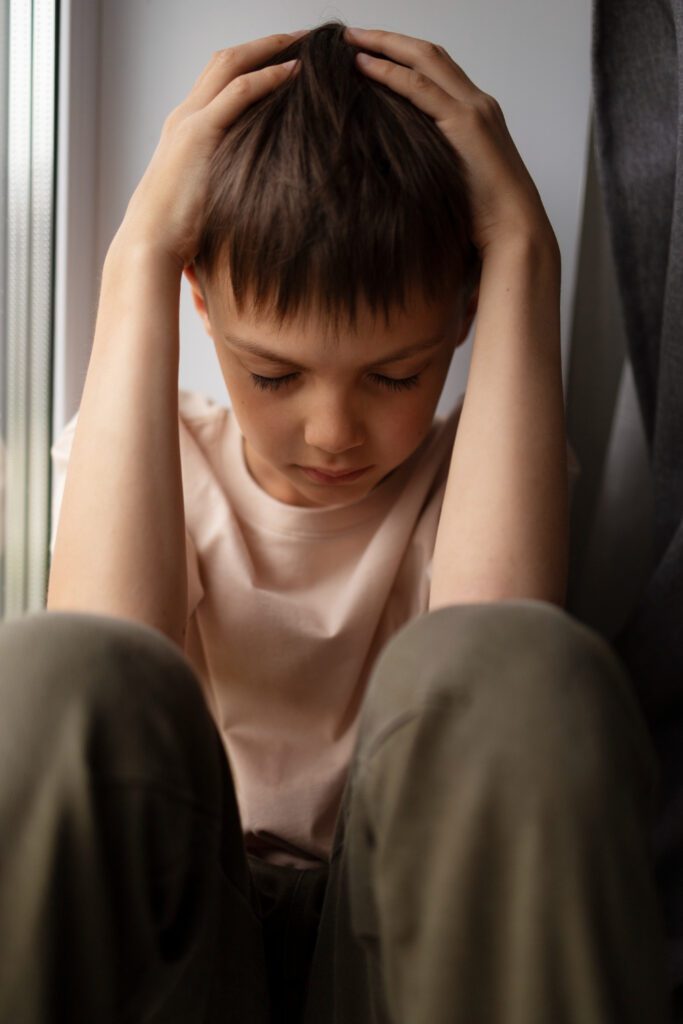
When I asked why my child couldn’t have full-day support—the kind that made the difference between attending school and refusing to enter the classroom—I was told, “He’s not eligible.” Eligible only for part-time. Eligible only for half-days. Eligible, it turned out, to fall apart quietly in the coatroom, so the system could pretend he was…