

Educational harm
The emotional, cognitive, and academic consequences of exclusion, burnout, unsupported needs, and systemic discrimination in school settings.
-

Structuring your site when your thoughts feel chaotic
A guide to emotional architecture: building a site that honours your spiralling thoughts and empowers your audience. You don’t need to organise your pain into neat folders to begin.
-
Where do the ideas come from?
You already have the material. The moment your brain caught fire after a school meeting, the voice note you whispered in your car, the email thread that hollowed you out—these fragments hold more power than you realise. This post is a guide to naming those moments, structuring them into posts, and recognising that your rage…
-

A one-day suspension for this?
According to the consent resolution agreement published by the BC Commissioner for Teacher Regulation, secondary school teacher Todd Erin Graham engaged in multiple forms of misconduct over the 2022–23 school year. These included racially and culturally demeaning comments to an Indigenous student, public disparagement of a diverse learner, inappropriate physical contact with female students, unsolicited…
-
Tell the Ministry: end collective punishment in BC schools
BCEdAccess recently reminded us that if families don’t speak up, the system assumes everything is fine. Writing letters to the Ministry of Education and Child Care is one way we can make our children’s experiences count—especially when those experiences involve exclusion, loss of support, or group-based discipline that punishes kids for behaviours linked to unmet…
-
When compensation is mistaken for capacity: why I support Dyslexia BC
In every school, there are those children—gifted and hyper-conscientious—who stay behind after the bell has rung, who do the homework even when no one collects it, who chase perfection out of a desperation to stay afloat in a system that offers no life raft for those who do too well to be noticed. These are…
-
I only asked for gentleness: on parenting a PDA child in a punishing world
There is a certain kind of child—intuitive, emotionally articulate, wired with a startling perceptiveness about power and tone, about coercion and choice, about the invisible terms of adult authority—whose presence in the classroom becomes, almost immediately, a threat to the institution’s rhythm, a disruption to its hierarchy, a mirror held up to its limitations.
-
Insults I could have slung
The gaping mouth of motherhood finally open in a scream. Do you know that feeling—two hours after the meeting, after the disciplinary debrief, after the hallway humiliation—when you finally start to breathe again and suddenly, the sentence arrives? The thing you wish you had said while they were weaponising tone and clipping your sentences short,…
-
Introductions are an access issue
Every structure carries weight. And when you ask us to begin with a name and a smile, but offer no container for safety, you are asking us to choose between authenticity and self-preservation. What seems simple is often a site of harm For people whose presence in institutional space is routine and unremarkable—those whose titles…
-
On teachers, trust, and the long unravelling of support
When my children were in kindergarten, they had a teacher who specialised in what I can only describe as an extremely curated performance of niceness—a kind of plasticky, high-fructose charm that made my skin crawl and my muscles tense from the moment I entered the room. Her voice slowed to a sing-song drawl as she…
-
I am just me: What it costs to show up
If I could have walked away from this institution, I would have—but I couldn’t, and so I came, and the price of showing up was almost everything I had left to give. Showing up is not the beginning—it is the aftermath By the time I appear on your committee call or log into your engagement…
-
Ego has no place in accessibility
This work requires transformation, not performance. Your legacy is not what you protected. Your legacy is what you changed when you were told it was failing. Leave your laurels at the door Accessibility work is not about legacy preservation. It is not about titles or tenure or whether your department once won an innovation award…
-
We must start with an acknowledgement of harm
Before we talk about solutions, or even feelings, we must name what has been done. We begin in the wreckage When an institution convenes a committee to explore accessibility, equity, inclusion, or anything vaguely shaped like justice, it often opens with a bright, empty cheerfulness—a blurb about building community, a land acknowledgement read like punctuation,…
-

Poise as pedagogy
There is a cost to composure that institutions never count. When schools reward mothers for staying calm in the face of harm, they turn grace into a gatekeeping tool and punish those who dare to grieve out loud.
-
The meeting was on their birthday
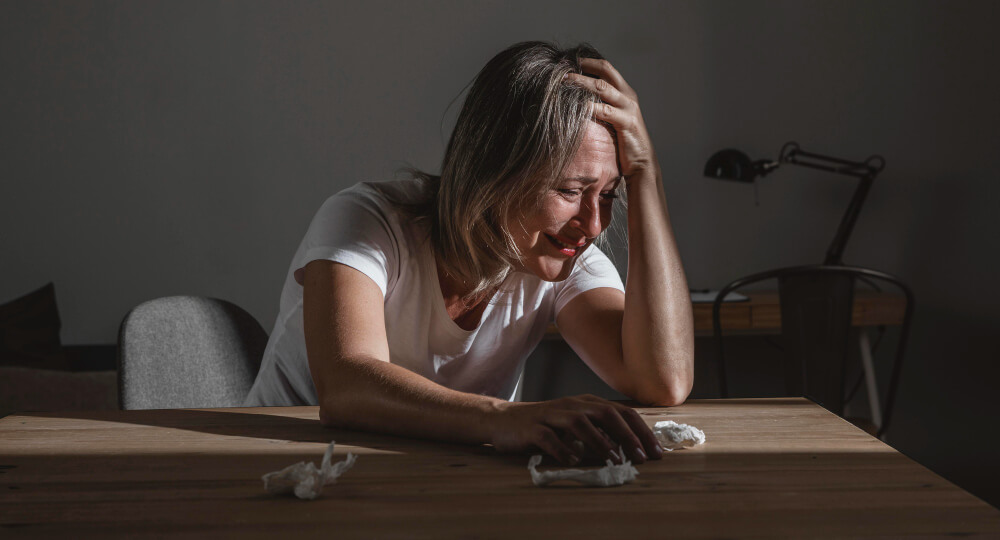
It was the twins’ birthday party day and I was meant to be somewhere soft. I was meant to be preparing a cake, or folding small clothes, or breathing in the warm scent of their hair in that quiet way mothers sometimes do when the day still belongs to them. But instead I was seated…
-
Bound by blood
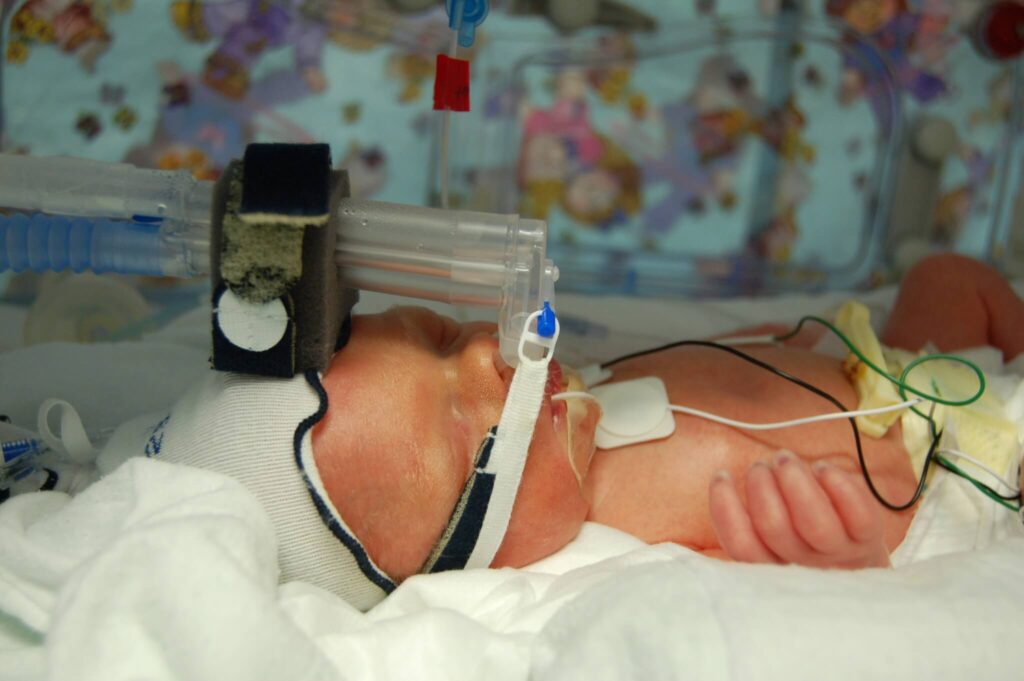
Maternal embodiment and the unbearable violence of institutional disbelief. We were once one body There is a biological, emotional, and moral reality so fundamental that no policy manual can contain it, and no professional training can domesticate it—my child once lived inside me. His limbs pressed against my ribs before they ever touched the outside…
-
Too competent to help, too angry to believe
The impossible performance of grace in systems that harm our children. Holding two pieces in tension This essay is written alongside a truth that cannot be softened. A truth that spills out, unsanitized, unmanageable, and fully lived. A truth that takes the form of intrusive thoughts, violent imagery, desperate poise, and carefully practiced restraint. That…
-

How do you live with yourself
Part of my neurodivergence is fatalism; part of it is hyperphantasia; part of it is the inability to look out at a beautiful landscape without imagining loss, rupture, and death, because even as a small child on the ferry to Victoria, while other people were looking out over the water and the mountains and the…
-
I have thought about writing her a letter
I have thought about writing her a letter—something long and deliberate, something shaped by memory and moral clarity, something that names what occurred and places it in her hands before the door finally closes. The idea moves through me with a kind of gravitational pull, neither urgent nor calm, just pressing and circling. I return…
-
Why I’m reviewing school codes of conduct
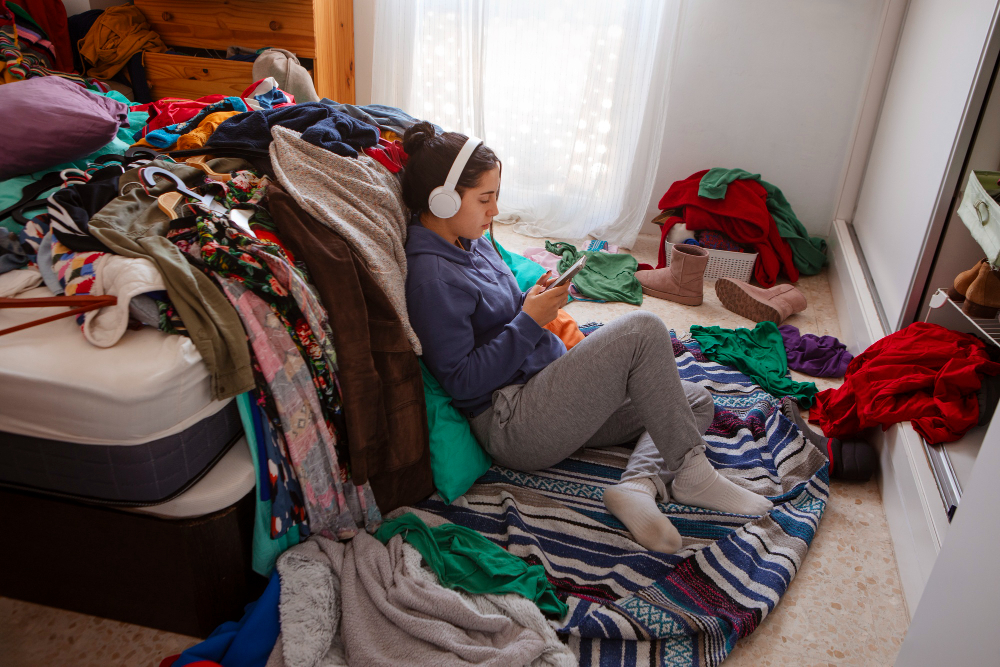
To the student who found this page because you typed something scared or confused or angry into a search bar—something like “are teachers allowed to take away recess?” or “can I be suspended for a meltdown?” or “why did my teacher say I wasn’t trying hard enough when I couldn’t stop crying”—this is for you.…
-
Institutional gaslighting of caregivers
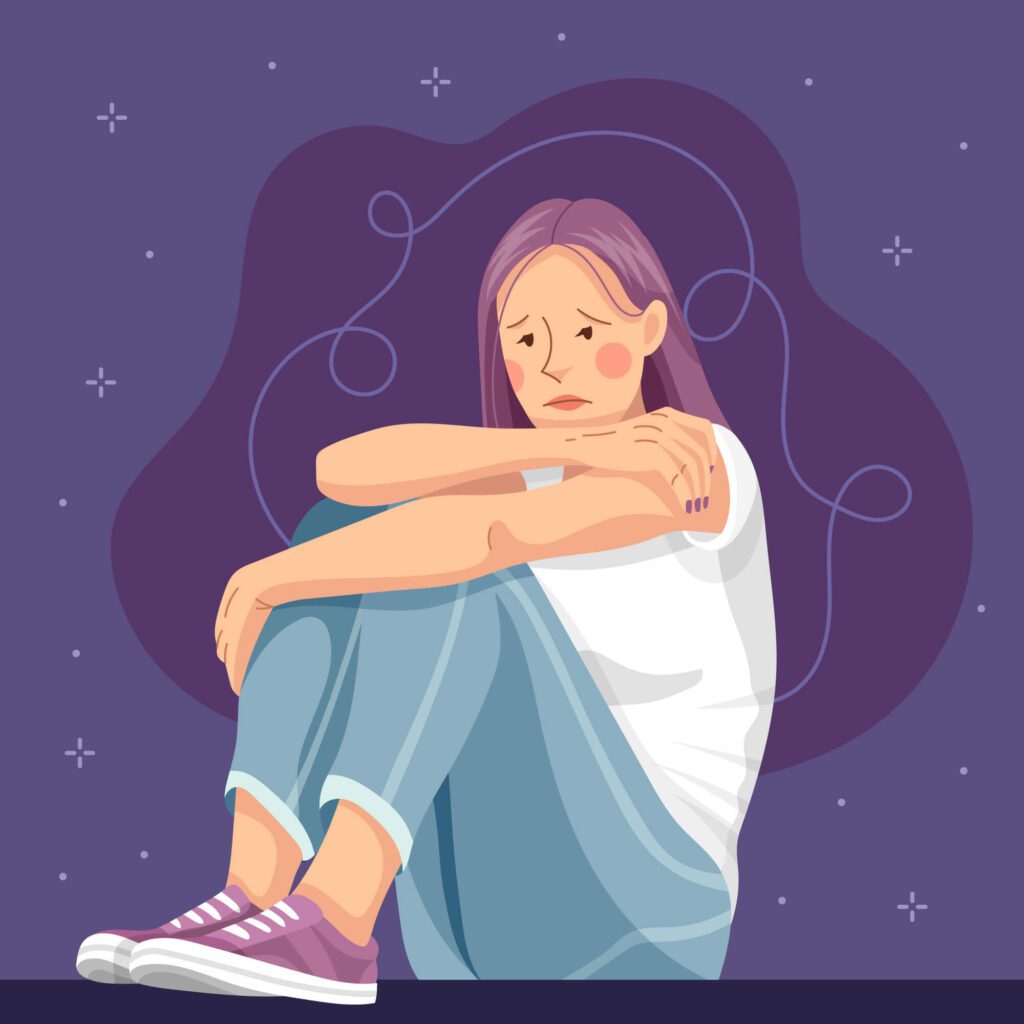
You refuse to forget, because forgetting would mean abandoning your child’s reality—and you have already watched too many adults do that with a straight face and a professional tone. You refuse to downplay what has happened, because the harm is not theoretical—it lives in your child’s nervous system, in her school avoidance, in her refusal…