

Educational harm
The emotional, cognitive, and academic consequences of exclusion, burnout, unsupported needs, and systemic discrimination in school settings.
-
The architecture of absence data in Canada
A CBC investigation maps the landscape of what we choose to measure and what we choose to obscure, revealing a system where the simple act of knowing why children disappear from classrooms becomes an exercise in bureaucratic endurance calibrated toward opacity rather than understanding. The cost of transparency The investigation documents a routine that families, journalists, and…
-

Justice and dignity too expensive for BC NDP
In 2018, experts told BC exactly how to fix special education funding. The government has spent five years “consulting” instead. Meanwhile, your child sits in hallways. The 192% problem nobody wants to fund Between 2015 and 2024, autism designations in BC schools exploded by 192%. Total student enrolment? Up just 11.6%. The province knows this. They…
-

When delay becomes policy: British Columbia’s strategic abandonment of disabled students
In 2018, an independent panel reviewed how British Columbia funds kindergarten through grade twelve education and recommended a prevalence model for special education funding, a shift that would allocate resources based on statistical prevalence of disability within the general student population rather than on individual diagnostic designation. The proposal threatened to expose what the existing system carefully…
-

Children as witnesses in institutional spaces
Children do not match the institutional fantasy of the perfect witness. Schools expect crisp chronology, tidy sequencing, and emotion-free narration. What children offer is perception—sharp, immediate, and grounded in the sensory truth of what happened. I learned this when my daughter was still in elementary school, when a playground supervisor grabbed her arm, twisted it…
-
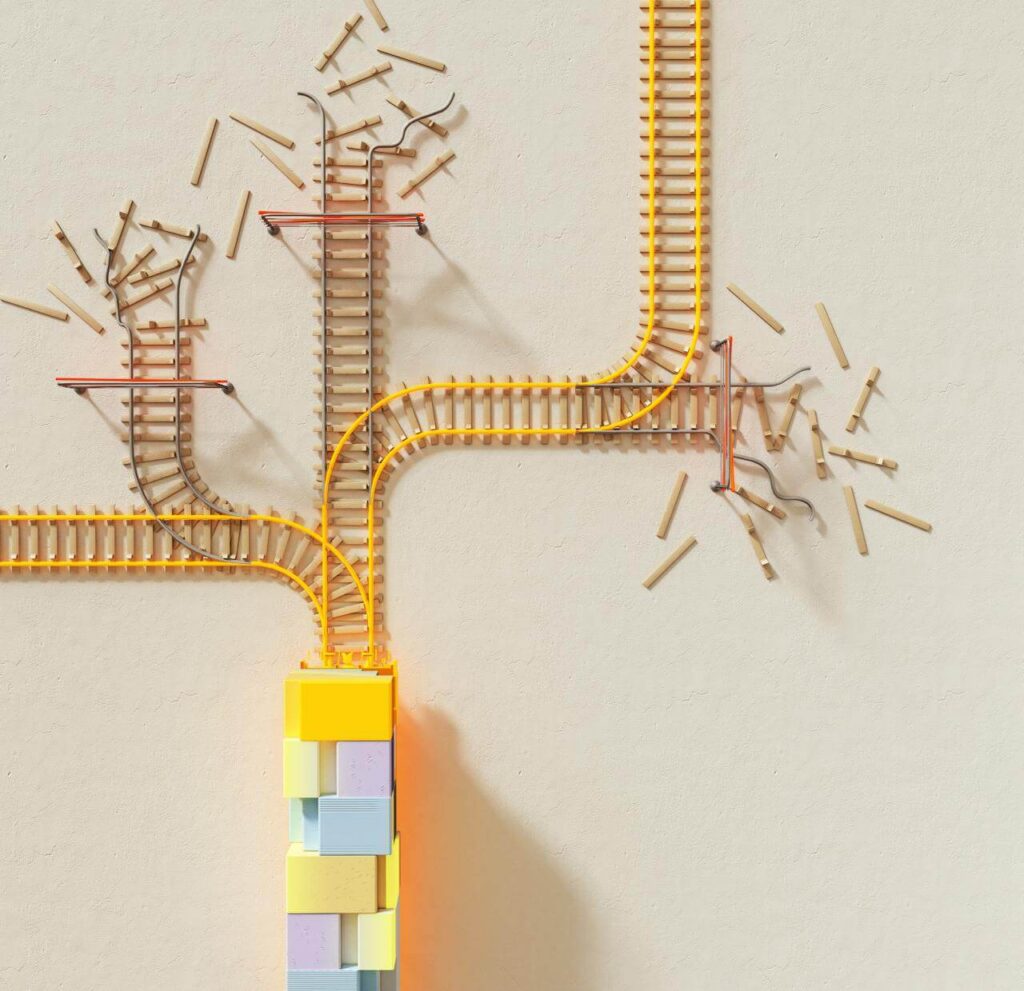
The behaviourist spine of BC’s urgent-response systems
In Urgent behaviour intervention teams in major BC school districts I shared research which identified the intervention teams in many of the larger districts in BC, describing their processes and roles, mostly in the language that they describe their services. This essay attempts to analyse those systems through a disability-justice lens, revealing how roles, processes,…
-

Why the SD23 suspensions report matters for exclusion analysis
While I was looking for more disclosures from school districts to the Ombudsperson, I stumbled on this older document that summarises suspensions in School District 23. The document offers a valuable complement to the exclusion data disclosed by other districts, because it reveals how disciplinary frameworks operate alongside accommodation-framed removals, and this pairing creates a…
-
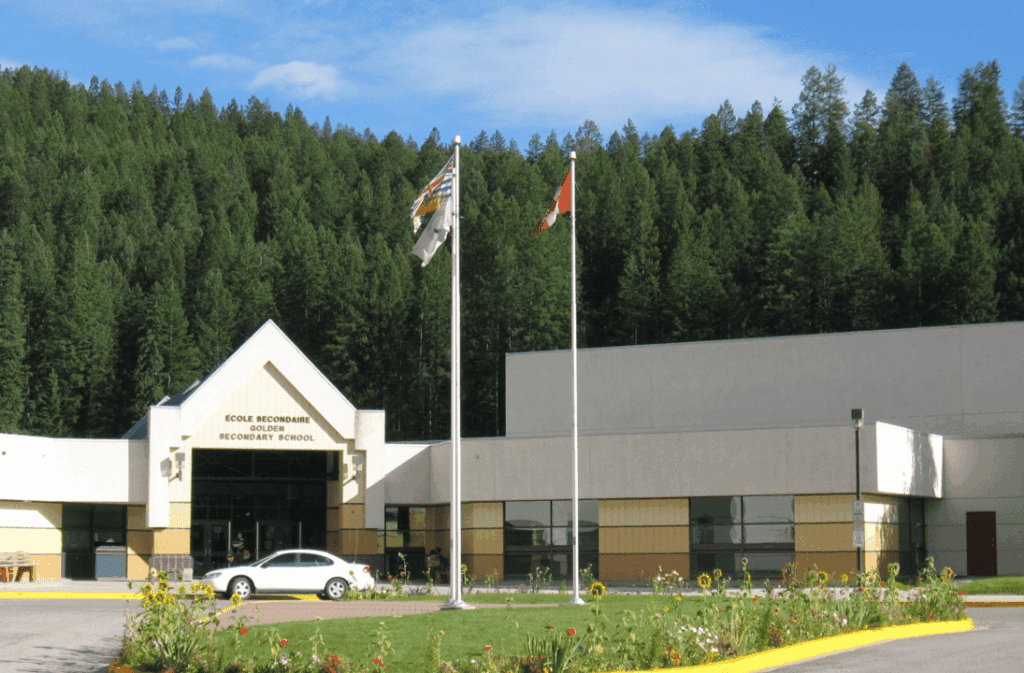
Rocky Mountain School District (SD) inclusion education update
I found an update in the October 14, 2025 board meeting package, starting on page 45. The update opens by outlining the provincial model so trustees and families understand the constraints shaping services. BC uses a model created more than twenty years ago, which places most learning support funding into the general per-student allocation. Only…
-
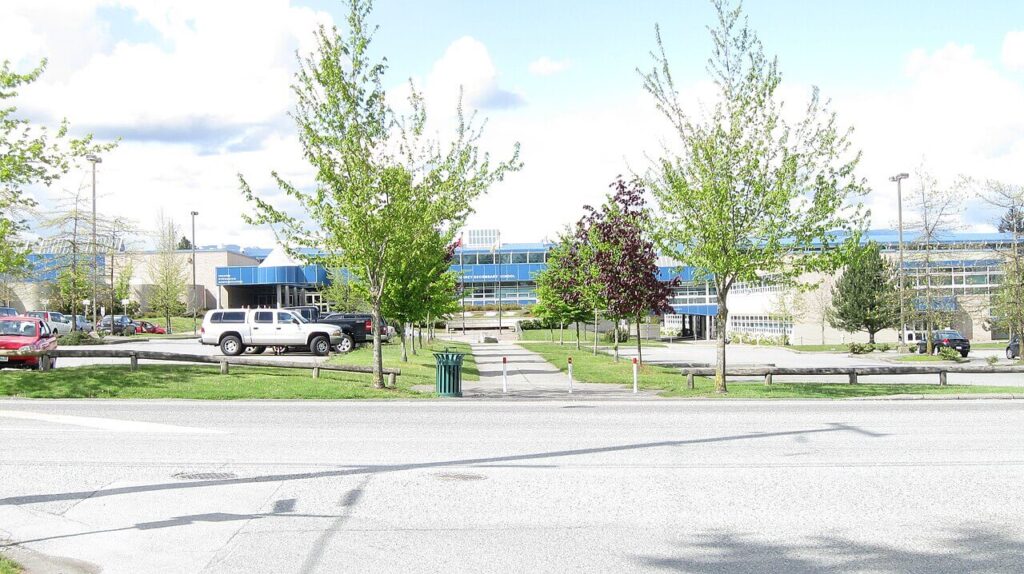
North Surrey Secondary (SD36): a neurodiversity-informed policy critique
North Surrey Secondary’s 2024–25 Parent/Student Handbook presents itself as a practical guide to daily school operations, but its conduct code reveals a disciplinary framework anchored in behavioural control, punctuality, and compliance. Its language reflects a pre-neuroscience understanding of student behaviour, one that frames regulation as obedience, distress as misconduct, and support as conditional upon conformity.…
-
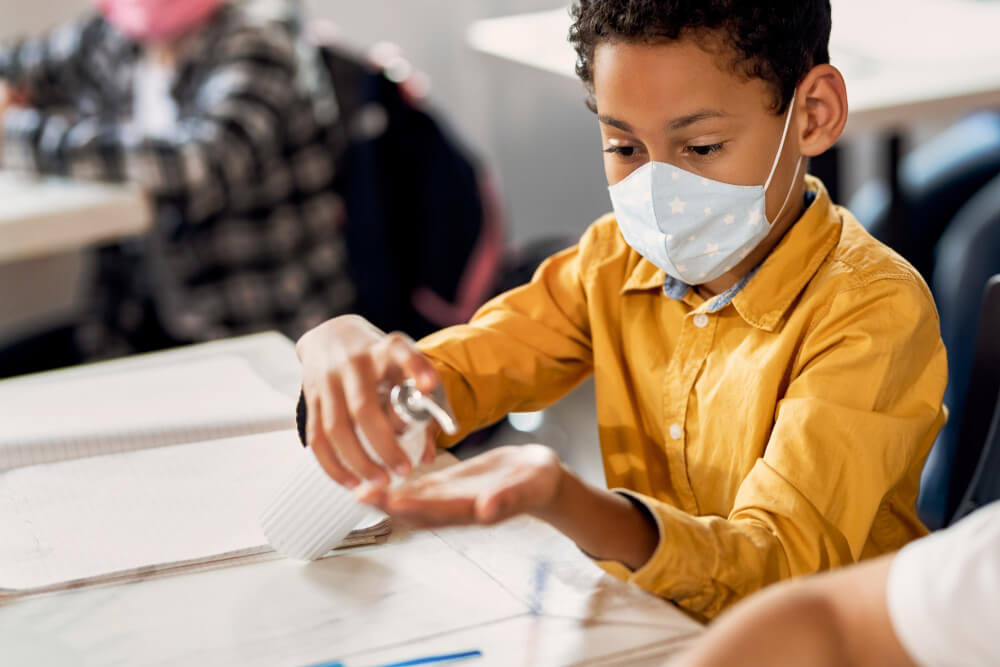
Why disabled kids are missing more school than peers
Tara Carman recently wrote an article about rising absences from school and suggested that the trend may be linked to a growing mental health crisis: Why are so many kids calling in sick for school? That explanation captures part of the reality, yet it overlooks a parallel and far more specific pattern that many families…
-

The architecture of responsibility in systems that harm
When a system produces predictable, patterned harm — exclusion, restraint, academic abandonment, institutional gaslighting, attrition framed as “choice,” disability-based discrimination — that harm arises from the structural design of the system itself, because structures generate outcomes with the same reliability that rivers carve their beds, and structures reveal the priorities of the province long before…
-
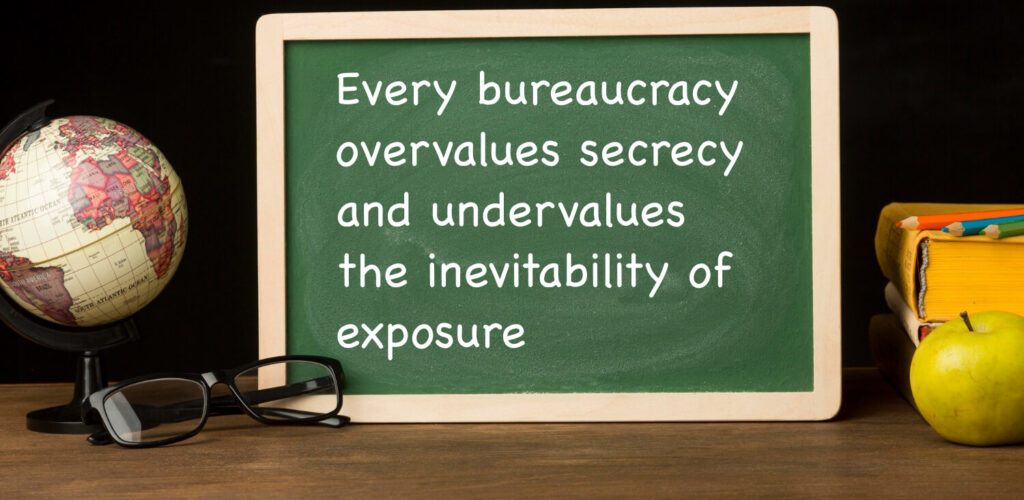
Every bureaucracy overvalues secrecy and undervalues the inevitability of exposure
Bureaucracies function through layers of reporting and review, and these layers create an administrative environment where information moves upward in controlled pathways that privilege institutional interests, because officials rely on curated datasets to demonstrate capability, and these curated datasets shape public understanding. The structure rewards leaders who present clean numbers and reassuring summaries, and this…
-

The role of infighting in maintaining scarcity, hierarchies, and exclusion
This piece is unfinished, but it feels necessary. I am still learning how to move through anger toward something that might resemble repair or solidarity. I am not writing a strategy or a manifesto; I am writing what I see, what keeps happening, and how it feels to live inside it. The truth, when spoken…
-

BCEdAccess on Room Clear Tracker
The BCEdAccess post about the Surrey classroom-clear tracker is a dire and necessary warning. Parents are raising concerns that come from lived experience, not abstract theory. They have seen how data about vulnerable children, even when anonymised, can expose them to harm. Their argument is simple: tools meant to improve safety can easily become tools…
-
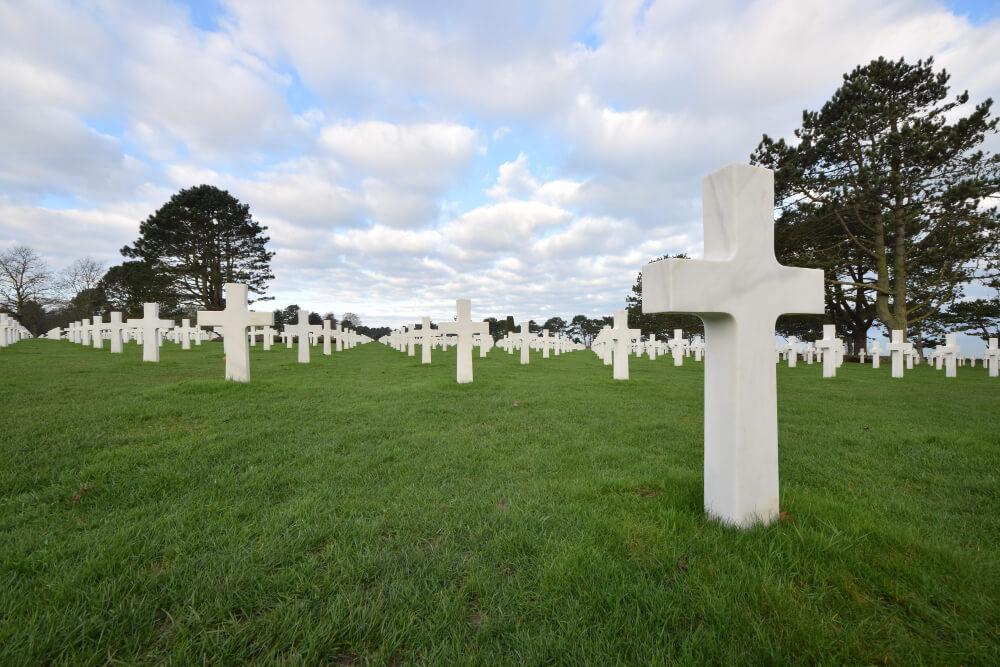
Counting the wounded: how complaint systems and data bureaucracies erase harm
The same patterns of attrition described in The Ombudsperson and the war of attrition also define how governments manage harm in military and veterans’ systems. Delays in compensation, endless investigations, and deferrals justified as ‘process’ reveal that administrative time itself functions as an instrument of harm. What appears as prudence operates as quiet abandonment—an institutional strategy that…
-

Counting crisis: data, distrust, and the false choice between safety and inclusion
Across British Columbia, the launch of Surrey DPAC’s Room Clear Tracker has ignited a storm of debate among parents, educators, and disability advocates. Some view it as a necessary step toward transparency; others fear it will reinforce stigma or justify segregation. Beneath the surface of this argument runs a deeper fracture—between those who seek safety…
-
Too afraid to see: why the BC government doesn’t track exclusion
Data is the scaffolding of democratic accountability. Without shared facts, policy becomes theatre and suffering becomes rumour. That is why regimes that fear transparency always tamper with the census, and why bureaucracies that fear criticism cling to privacy as a shield rather than as a right. When governments decline to track exclusion, they are not…
-

A war on joy: discipline, obedience, and the disabled body
An examination of how education absorbs military and capitalist values—discipline, endurance, and efficiency—until joy becomes a threat to order. This piece argues that the rationing of joy for disabled students is both an ethical and structural failure, transforming learning into control and endurance into a false measure of worth.
-

The false economies of war and schooling
A critique of austerity as a governing principle. This essay argues that Canada’s education and defence systems share a moral and strategic collapse: both confuse restraint with wisdom and endurance with strength. It exposes how underfunding education produces economic waste, social decay, and moral injury across generations.
-

PTSD and moral injury in war and the classroom
An analysis of how bureaucratic obedience erodes conscience. Drawing on moral injury research from military and healthcare contexts, this essay reframes teacher burnout as institutional betrayal. It shows how educators are trained to suppress empathy and how that suppression mirrors the psychic injuries of combat.
-

What they say when you leave the meeting
Canary Collective’s piece The Apple Doesn’t Fall Far from the Tree: What’s Said About Parents After They Leave the Room tells what often happens after parents leave a school meeting. The talk shifts away from the child and turns toward the parents. People start guessing what is “wrong” at home instead of asking what the…