

Educational harm
The emotional, cognitive, and academic consequences of exclusion, burnout, unsupported needs, and systemic discrimination in school settings.
-
Human Rights Tribunal complaints are designed to exhaust
There is a silent calculus embedded in every human rights complaint: how much of your energy, your time, your composure, and your life force are you willing to lose in order to gain a largely symbolic victory. For those of us who have faced institutional harm the question is often whether we can survive the…
-
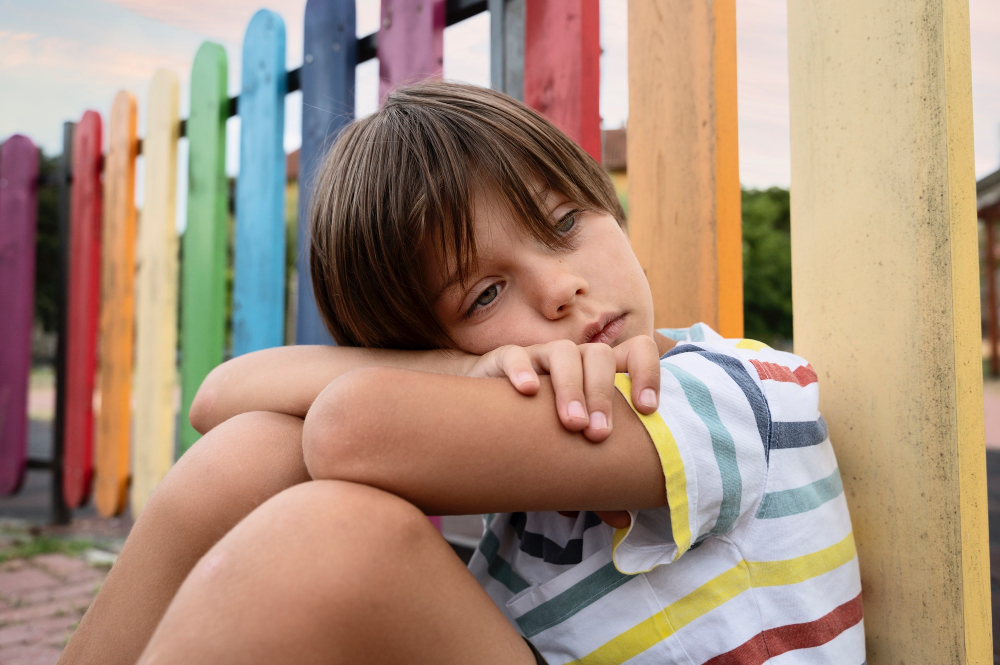
The fallout of regressive discipline: from community trust to mental health
In schools across British Columbia and beyond, discipline often unfolds not as a considered intervention tailored to individual needs, but as a blunt, collective act that seeks to restore order quickly by suspending joy or opportunity for all. The cancellation of recess, the revocation of a field trip, the withholding of an earned privilege—all for…
-

Nobody is going to thank you
Nobody tells you that you can pour every last scrap of yourself into advocacy and still feel your bond with your child begin to strain. There is a familiar story passed among parents—one in which you step in, do a little advocacy, and watch as the pieces fall into place. The children grow, the challenges…
-
They keep moving the goalposts while our kids pay the price
It began with a phone call that felt like a lifeline. A new teacher was coming, they said, and maybe this would be the one to understand. We clung to that hope. We paid for another assessment, scheduled more therapy, spent weekends in waiting rooms and weekdays in meetings where the promise of change hovered…
-

PTSD, big reactions, and school’s responsibility for care
The presence of PTSD—whether diagnosed formally or manifesting in trauma-linked behaviours—does nothing to diminish a student’s legal right to safety, dignity, and education. Schools are bound by law to provide accommodations and proactive support to every student, including those whose distress may surface as loud, sudden, or intense reactions. PTSD can be the direct result…
-
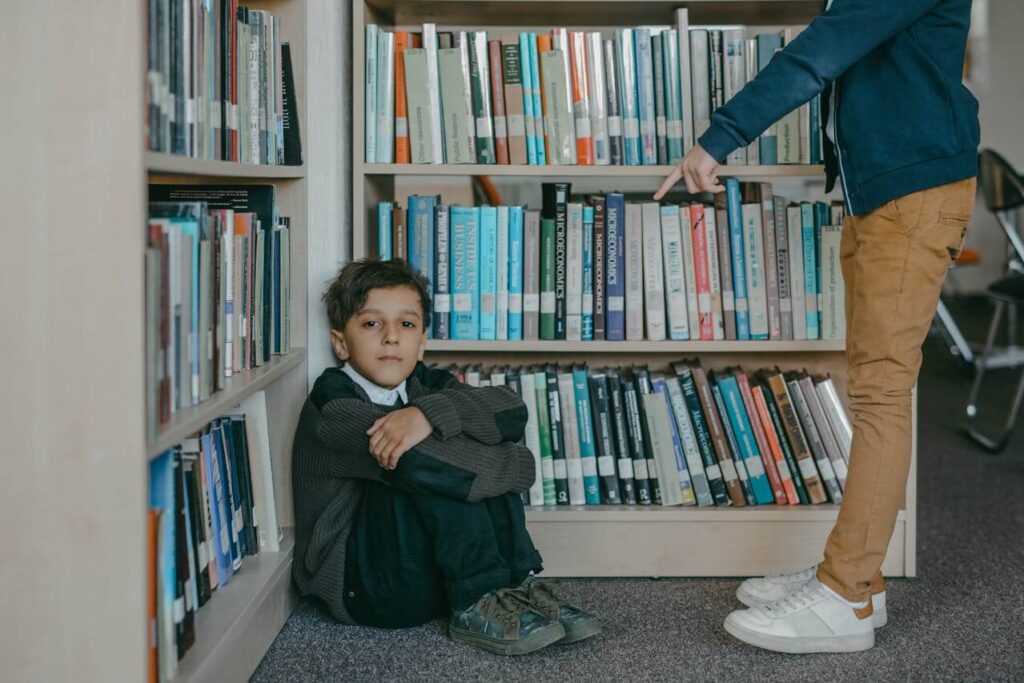
When schools say a child went from “zero to sixty”
Let’s rip the mask off this polite, professional charade: when schools say a child went from “zero to sixty,” they are lying to protect themselves. They are covering for the adults who ignored every warning, missed every signal, and left a child to be harassed, baited, and humiliated until their nervous system screamed for survival.…
-

The brutal truth about schools weaponising therapy to deny your child’s rights
Schools are weaponising therapy as a gatekeeper to support—forcing parents to “prove” worth through endless interventions while shielding systemic harm. The system is broken, not our children.
-

25 signs that your IEP team is disabling your child
In the space where families gather with school teams to shape a child’s Individual Education Plan, the language often carries more weight than paper can bear, for each phrase can open a door toward inclusion or quietly plant the seeds of exclusion, and the difference lies in whether the plan nourishes capacity or erodes it.…
-

The infection of neoliberalism in Canadian public education
The ideology of neoliberalism, with its relentless emphasis on competition, individual responsibility, and market logic, has seeped deeply into Canadian public education. It presents itself as pragmatic and modernising, promising efficiency, innovation, and responsiveness to “stakeholders.” Yet beneath this rhetoric lies a corrosion of the foundational principles of public schooling — equity, universality, and the…
-

12 ways to tell when a crisis at school is really a failure of support, supervision, or repair
The hardest moments to navigate are often the ones that happen in seconds—but have been building for months. A single moment can change everything. A shove on the playground. A child running out the door. A sharp word or a sudden slap. To someone looking in from the outside, these moments can seem like they…
-
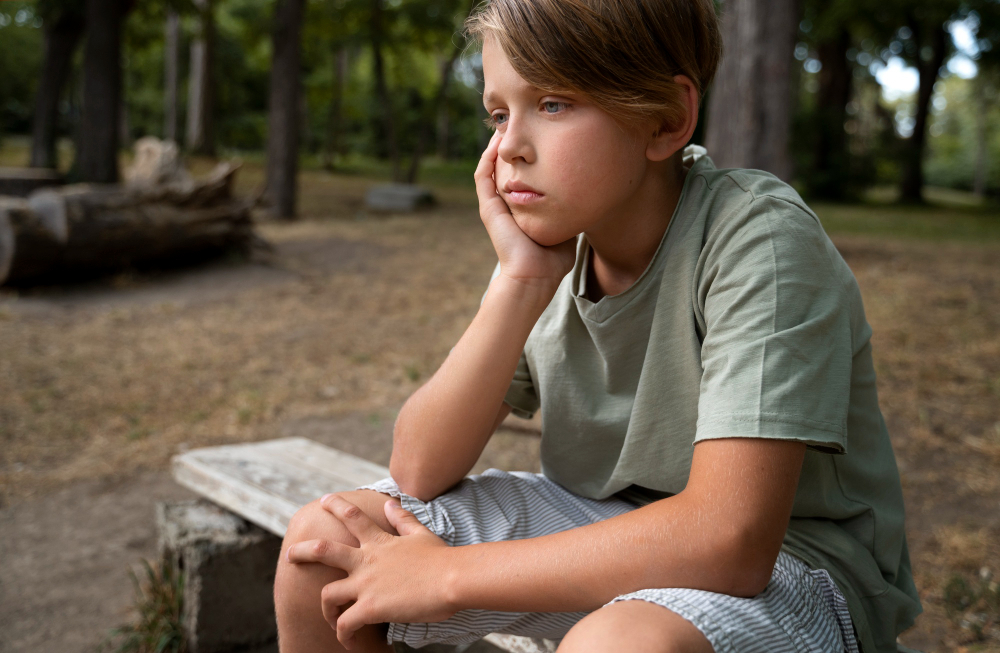
Why do teachers punish the whole class for one student?
Collective punishment is when a group is made to face the same consequence because of the actions of one person or a small number of people. In school, this can mean the entire class loses recess, an activity is cancelled, or privileges are taken away because of something one student did. The rules are applied…
-
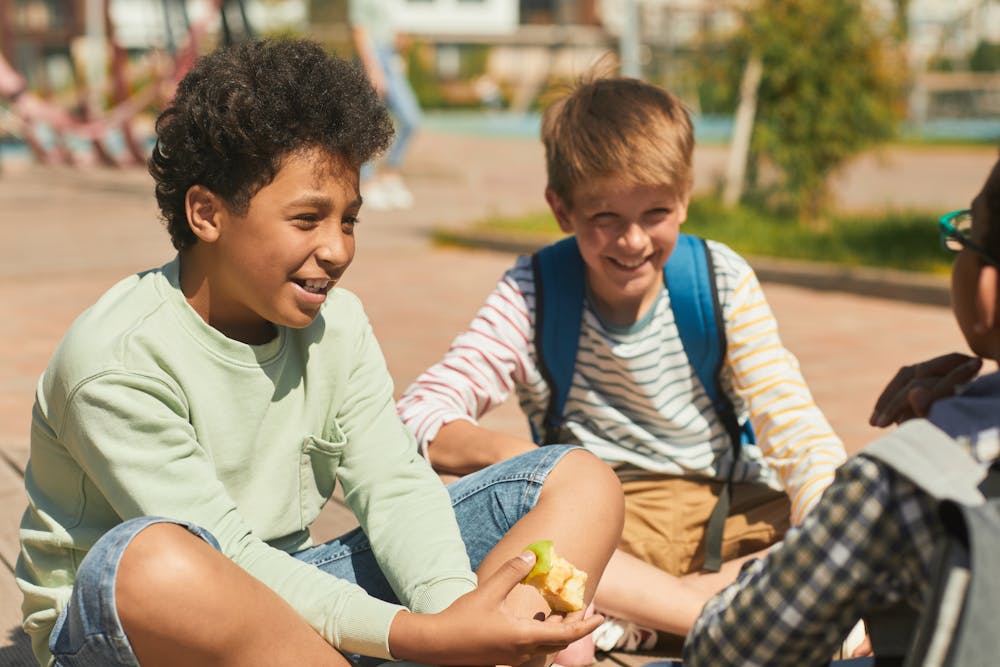
When the bell rings but the doors stay shut: why withholding recess is a breach of children’s rights
Few topics ignite as much debate as the cancellation of recess. Threads often begin with a frustrated parent describing how an entire class lost recess because of one student’s behaviour, or a teacher recounting the expectation to withhold outdoor play for incomplete work. Commenters share stories of children sitting silently at their desks while watching…
-
Why outspoken mothers face retaliation for advocacy in BC schools
Some of our articles speak in a more academic voice, especially when we are naming systems that silence or harm within BC schools. This is a sister essay to Epistemic silencing of disabled children’s primary caregivers, written as a more accessible entry point for readers who are newer to the topic or looking for clarity…
-
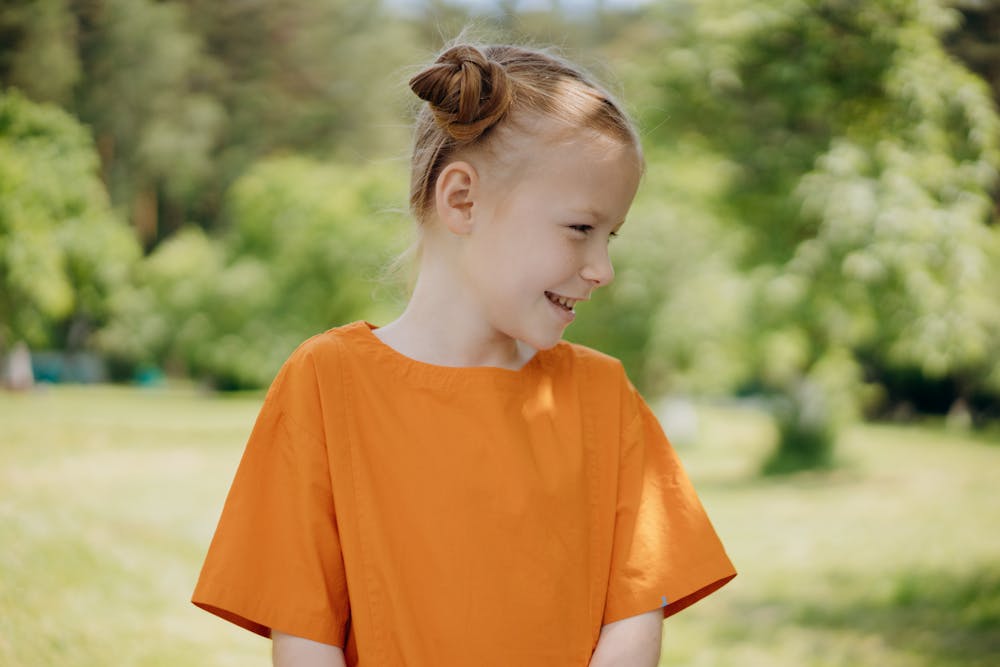
The orange shirt I folded
I was folding laundry late one night, brain running on the kind of background grief that rarely quiets, when my hand closed around the orange shirt. I moved to set it aside—automatically, instinctively—because I remembered September was coming, school would be starting, and Orange Shirt Day would follow quickly after. That shirt would be needed…
-

Procedural policing of pain: what happens if I keen?
Keening—the sad, piercing wails often heard at a funeral for a child—is a human expression, older than the rules we follow or the schools we enter. It is what happens when grief overwhelms language, when memory floods muscle, when there is nothing left but pain. It is not shouting. It is not rage directed at…
-

The compliance economy
In their article Of Sinners and Scapegoats: The Economics of Collective Punishment, J. Shahar Dillbary and Thomas J. Miceli argue that collective punishment emerges not merely as a failure of precision or fairness, but as a deliberate mechanism for preserving internal group cohesion. The scapegoat, must be non-random, visible, and different, and their suffering must be…
-

The truth shall set us free: healing from institutional violence in BC public schools
Healing doesn’t begin with massages or mindset shifts. It begins with telling the truth about what was done to us—about what it means to watch your child collapse under institutional betrayal, to be praised for your composure while they take away his lifeline. The system demands civility while delivering harm. This essay is a witness…
-

Collective punishment: how schools displace guilt, erase harm, and preserve the collective
One of the things that was so traumatising about the collective punishment that was callously perpetrated against my daughter was the light and evasive tone of the principal. She said that the punishment had to be “swift.” I frequently wondered about the choice to psychologically wound disabled children while treating the infliction of that wound…
-

Cultural bias and collective punishment: why school systems resist feedback
Across cultures and institutions, punishment is often mischaracterised as a neutral or corrective act—something that emerges in response to wrongdoing, rather than something shaped by norms, loyalties, and group dynamics. But when we look closely at how people learn to punish (and more importantly, whom they choose to punish), a very different picture emerges—one that…
-

How do school staff survive while upholding systems that cause harm?
Freyd’s betrayal trauma theory (1996) starts with the idea that trauma is more psychologically destabilising when it comes from someone—or some system—you are dependent on and trust. Abuse by a stranger wounds, but abuse by a parent, partner, or caregiver fractures the psyche at a deeper level because it requires a split: I must ignore what…