

Educational harm
The emotional, cognitive, and academic consequences of exclusion, burnout, unsupported needs, and systemic discrimination in school settings.
-
Maternal grief, public ritual, and the refusal to behave at the IEP table
I have walked into these rooms again and again—across years, with new principals, new case managers, additional complaints filed, subsequent appeals launched, IEPs dusted off and redrafted in the same language that failed last time. The faces change but the ritual remains. Seven professionals already seated, already laughing, already casually shaking off their last meeting…
-
Post-COVID rise of blended classrooms in BC elementary schools
In British Columbia’s elementary schools, multi-grade or “blended” classes (where students from different grade levels learn together) have become more prevalent in the post-COVID period. Educators report that shifting enrolment patterns and funding pressures after the pandemic have led schools to organise more combined-grade classes than before www2.gov.bc.ca. The increase in split classes is largely driven…
-
How schools weaponise growth against disabled students
In the architecture of public education, few concepts are more universally praised—or more fatally misunderstood—than independence. Cloaked in progressive language about agency, resilience, and growth, the independence mandate is often wielded less as a vision for liberation than as a strategy of withdrawal. For disabled students, particularly those who have learned to endure, mask, or…
-

Joy is rationed for disabled kids in school
When disabled children are excluded from field trips, they are being punished for their needs. These joyful, formative experiences become conditional—offered only to those who mask well, follow rules, and cause no disruption. In British Columbia, this widespread practice violates both law and conscience. Inclusion that ends when the bus departs is not inclusion at…
-
On toxic positivity, rationed support, and the betrayal of collaboration
“At the head of the table is almost always the school principal. Not a neutral facilitator, but a gatekeeper balancing limited resources, district priorities, and political pressures.” That sentence from Canary Collective landed in my body like a gavel. It captured what years of documentation, grief, strategic disillusionment, and moral injury have etched into my…
-

Her body is still hungry: when growth delay is a response to institutional harm
Jeannie was born four pounds, a premature twin, and although her brother arrived even smaller at three pounds six ounces, he now weighs over 100 pounds. She does not. At nearly fourteen, Jeannie weighs 55 pounds and has been medically assessed as biologically eleven. Her growth has stalled, her energy is low, her development delayed—and…
-

How schools plan to fail autistic girls while pretending to support them
In January 2025, my daughter’s school closed her Urgent Intervention Plan with a calm, administrative gesture that belied the violence of what had taken place—not only in the school hallways, but in the documentation itself. It came wrapped in phrases like gradual re-entry, verbal reinforcement, and classroom reintegration, but what it really contained was a careful distortion of…
-

Confident Parents, Thriving Kids—unless you’re autistic
Why school systems should reject behaviourist programs disguised as mental health support. Our daughter was melting down almost every day after school. She would cling to me at drop-off like she was drowning—like she had to hold onto me or she would lose herself, unable to breathe, unable to bear it. She was already telling…
-

My neighbour asked if I wanted to talk to her friend who is a social worker
It was meant as kindness, like she’d mistaken my roaming the neighbourhood bawling as some sort of cry for help instead of just my typical state as I sift through the details of ten years of institutional harm. I weep because I feel pain and I’ve had to trap it inside and I’m fucking done…
-
The afterlife of austerity
When public institutions are forced to survive under prolonged austerity, something deeper than budgets begins to break—something in the connective tissue of trust, of care, of the quiet, ordinary belief that systems exist to serve people. The myth of resilience—the comforting story we tell ourselves about teachers with hearts of gold and staff who always…
-
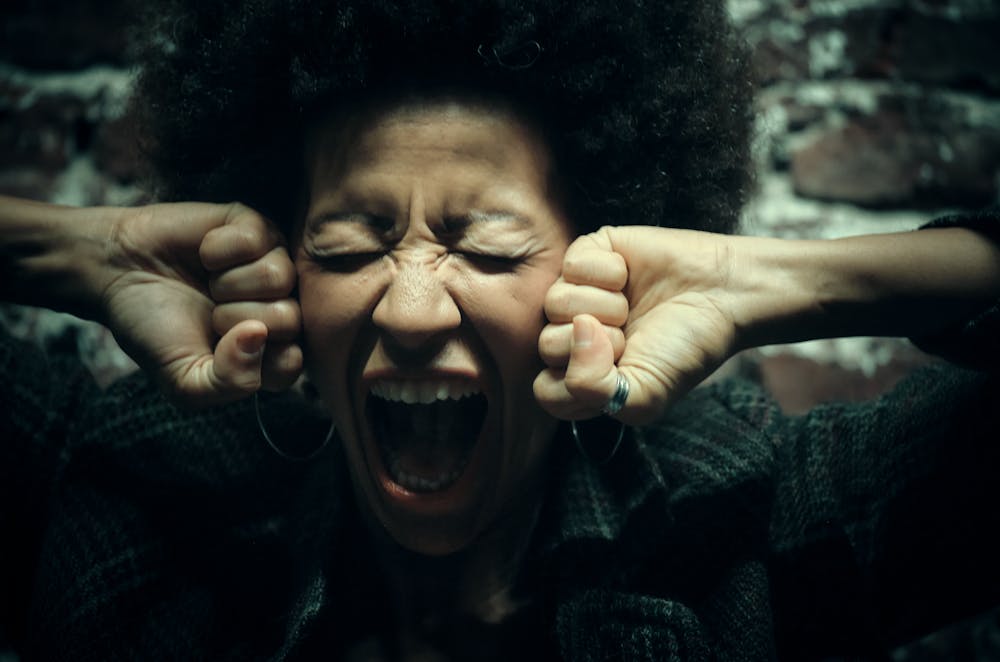
Fierce is fair: when institutional tone policing meets legal obligation
There comes a moment when a parent begins to speak in plain terms, with no softening edge, no accommodating smile, no fear of being perceived as uncooperative. It’s when you realise that you won’t be liked, no matter how hard you try, because your advocacy positions you as inherently unlikable by schools with their current…
-

Why clarity gets punished
I’ve written about documentation, tone policing, gatekeeping, gaslighting, institutional betrayal, and grievability and legitimacy separately, butsometimes it helps to see those pieces in conversation—because together, they reveal something larger. This post draws together the threads of clarity, competence, and credibility, and asks: why do systems recoil when mothers speak plainly about harm? Why does it…
-

What moves you: An invitation to reflect with Sara Ahmed’s Affective Economies
Many Canadians will recognise the Proust Questionnaire, a set of reflective prompts that began as a parlour game, gained literary gravity through Marcel Proust’s poetic answers, and later became a cultural artefact through Bernard Pivot and Vanity Fair. Though Proust did not create the format, his emotionally precise responses gave it an enduring legacy. This…
-

We’re exploring remedies for discrimination — and we want your feedback
We know that students with disabilities experience disproportionate harm in BC schools. We know that many families carry stories of exclusion, silence, loss, and survival — stories that have never been formally acknowledged, let alone repaired. We believe that no remedy can be effective unless it begins by listening. We’re considering a larger investigation into…
-

15 red flags your child’s school is running the playbook on you
How to spot coercive proceduralism before it drains your energy, your trust, and your child’s future. You may have been advocating for your child for months—attending meetings, responding to emails, following every process they set out—yet the accommodations you discussed never seem to appear in the classroom. You might notice your child’s struggles at school…
-

The history of this website
What began as one mother’s refusal to accept the institutional cruelty of collective punishment has grown into a vast, strategic, and emotionally searing archive—a living infrastructure of truth-telling and resistance, built from grief, fuelled by clarity, and shared in solidarity with every family navigating harm inside a system that punishes children for being disabled.
-

Double the love, double the discrimination
Public education systems punish families of multiples by forcing impossible choices between their children—often withholding support until one child reaches visible crisis, while the other’s suffering is quietly disregarded. The statistical reality schools refuse to prepare for Schools are rarely prepared for what families of multiples often bring to the classroom: These families often arrive…
-

The collective punishment of delayed care
There is a particular cruelty in delayed care, of watching a child falter for weeks or months while teams gather data, debate thresholds, and cite process. It is the cruelty of waiting for collapse before responding, of constructing intervention around crisis instead of prevention. And when the child finally does break, when their distress spills…
-
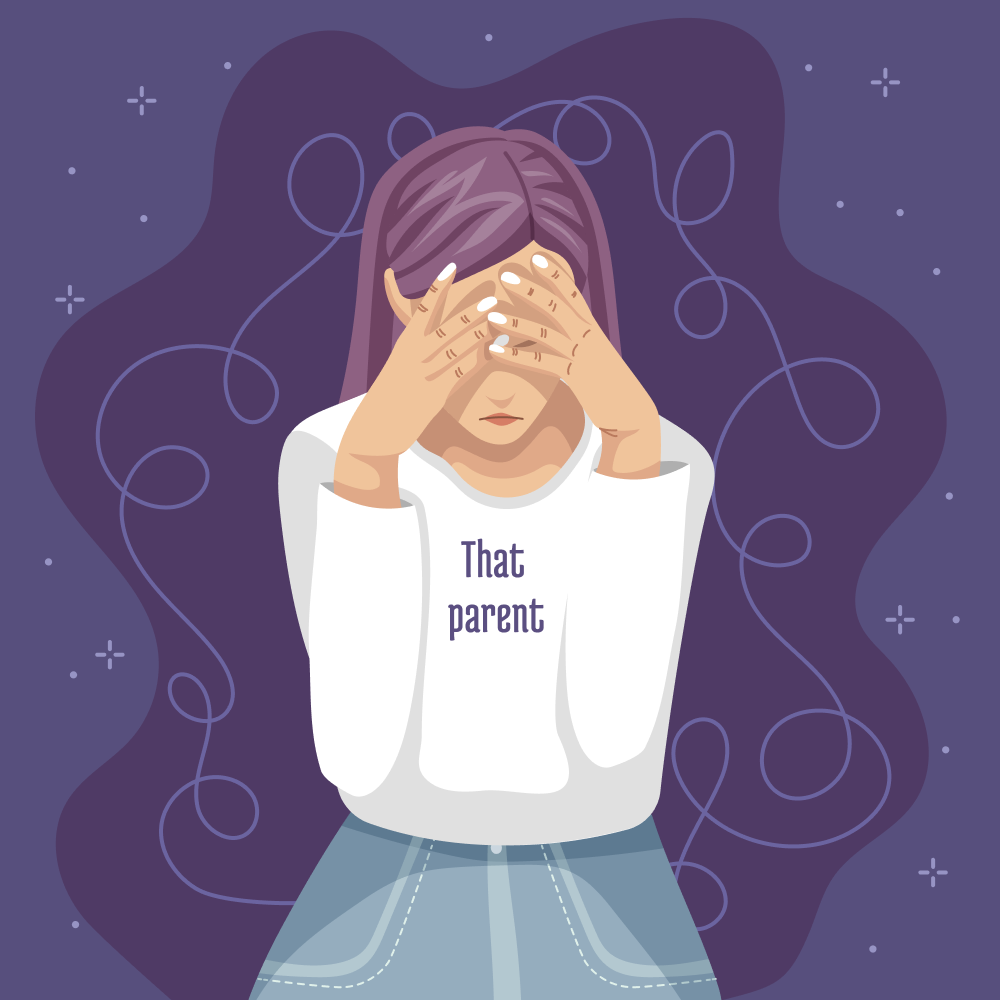
Debility is not a diagnosis: What Jasbir Puar helps us see about invisible harm in BC schools
There is a category of harm that most institutions do not name, do not track, and do not treat—because doing so would require them to admit that they caused it. This kind of harm accumulates in the body slowly, like sediment, until what once looked like coping becomes collapse. It is the product of chronic…
-
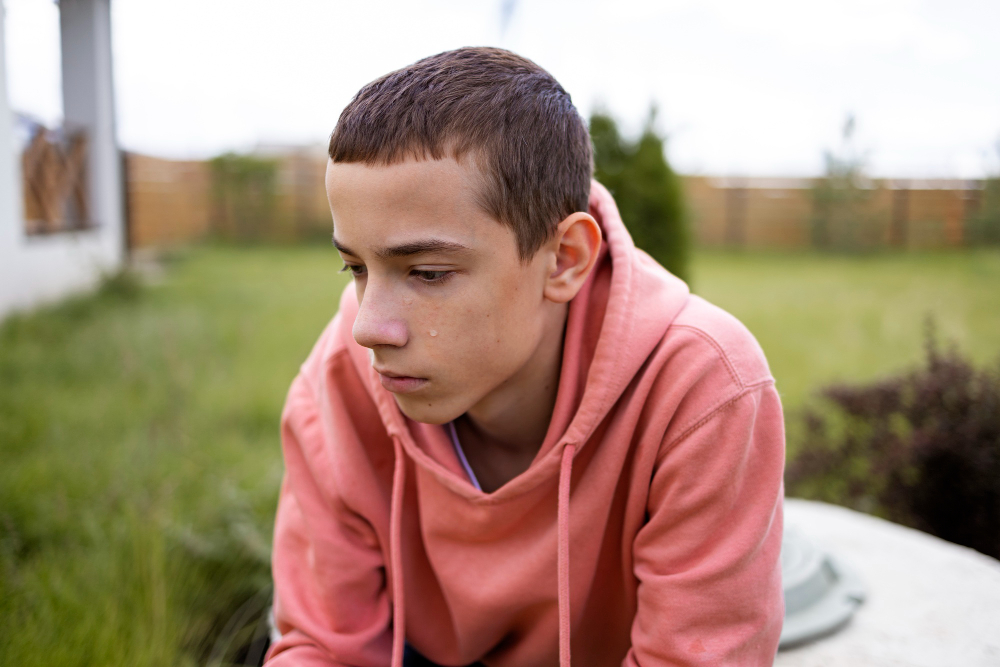
Debility versus disability: what the system cannot acknowledge
My son Robin took to bed two weeks before March break. He had been soldiering on through the aftermath of a school transfer the district assured us would help him, though his body told me otherwise from the first day he arrived. I’ve seen that kind of shutdown before—at camp, at birthday parties, in classrooms…