

Family Experience
Personal stories from families about the impact of collective punishment.
-
She graduated and this is what she learned
On raising a badass advocate, unintentionally. I didn’t set out to raise an advocate—I set out to raise a child. A child who might feel safe in her body and steady in her breath, who might look out at the world and feel drawn toward it rather than braced against it, who might trust her…
-

Repairing institutional harm after coercive control
This piece is written in memory of a friend whose life was slowly extinguished by institutional betrayal, coercive control, and the grinding weight of being unheard. When a school inadvertently contributes to coercive control, the harm may be quiet, but it is not small. For the child, it means being unprotected. For the parent, it…
-

$10K and an NDA
Would 10K and an NDA make the most excellent name for a country song? I didn’t file a Freedom of Information request to stir conflict — I filed it because nothing made sense, and I needed a clue, any thread at all, to understand what had just happened to my family. I call FOIs the…
-

Gaslighted by proxy: how schools grant coercive power to the quietest parent
When one parent advocates and the other undermines, the school almost always aligns with the one who “gets along.” Not because that parent is more informed, more accurate, or more protective—but because they are easier to accommodate. They agree easily. They stay quiet. They don’t write long emails. They rarely attend meetings. They couldn’t draft…
-
The path to justice: legal versus public record
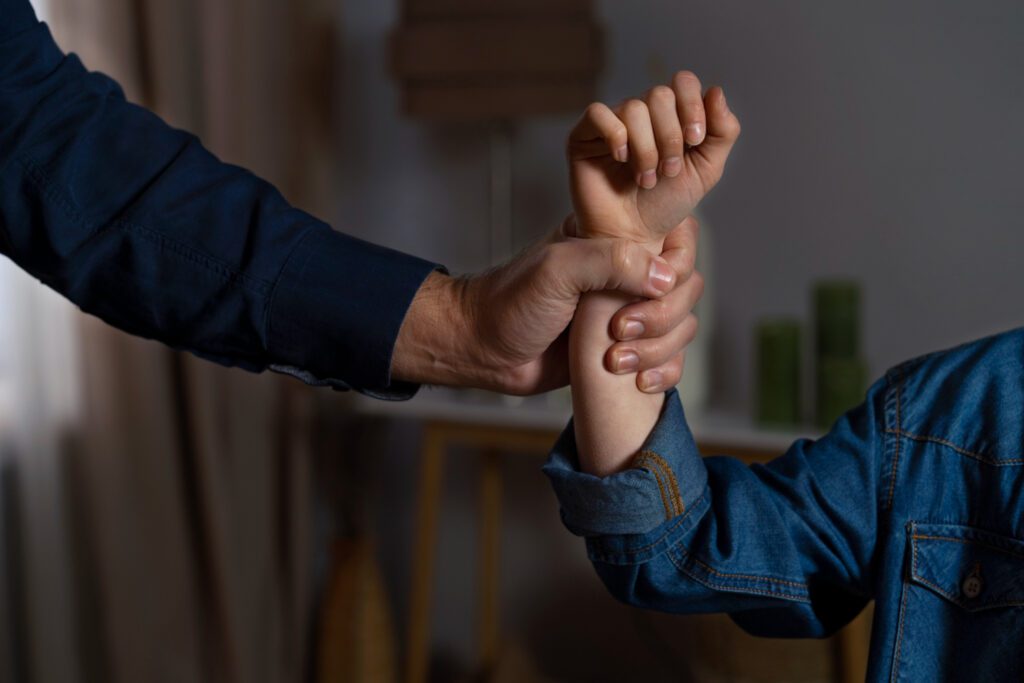
The courts may offer compensation, but rarely truth. The legal path demands silence in exchange for settlement. The public path asks you to speak while you’re still bleeding. Neither is easy. But only one builds a record that helps the next family survive.
-

Apparently, starving yourself isn’t a serious mental health condition in VSB
There is a kind of harm that unfolds slowly — a hunger that accumulates across weeks and months, tucked beneath the surface of routines and well-meaning systems. My daughter is autistic, has ADHD, and a feeding disorder called ARFID. She eats quietly, cautiously, in ways that make sense to her nervous system. Her paediatrician recommended…
-
Not sick. Not fine. Not supported. Sexism in Vancouver School Board.
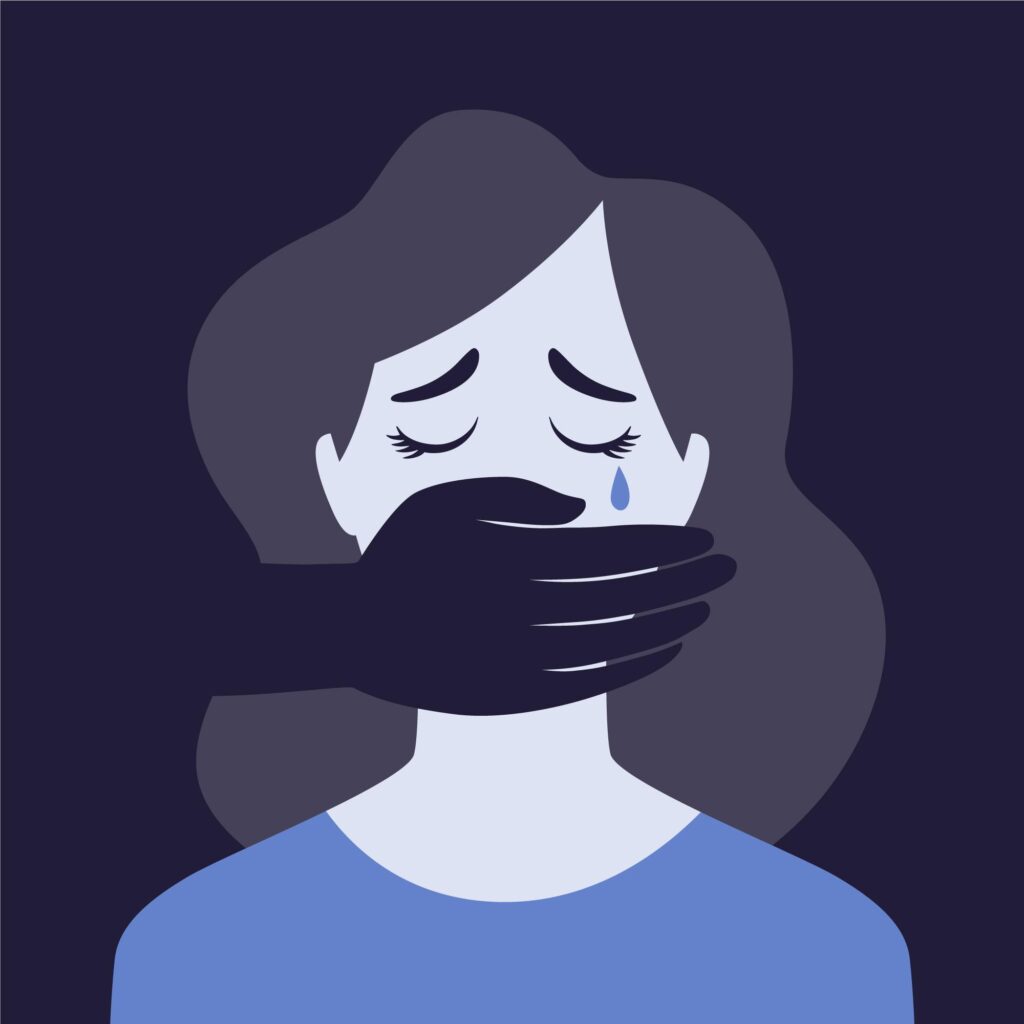
They said she was doing well. They said it with the softness of authority — that practiced tone that suggests neutrality while sidestepping consequence — a tone I’ve come to recognise as institutional, not personal, and absolutely not maternal. They said she was fine because she was quiet. Because she didn’t scream. Because she didn’t…
-

The bait and switch: What inclusion really looks like at the VSB
Every September, I walk into school meetings with the same cautious hope. We’ve done everything right. The diagnoses are up to date. The IEP is in place. The reports are filed — more than thirty of them over the years, from audiologists, psychiatrists, speech-language pathologists, behaviour consultants, and occupational therapists. You’d think that would mean…
-
I wish I had your problems
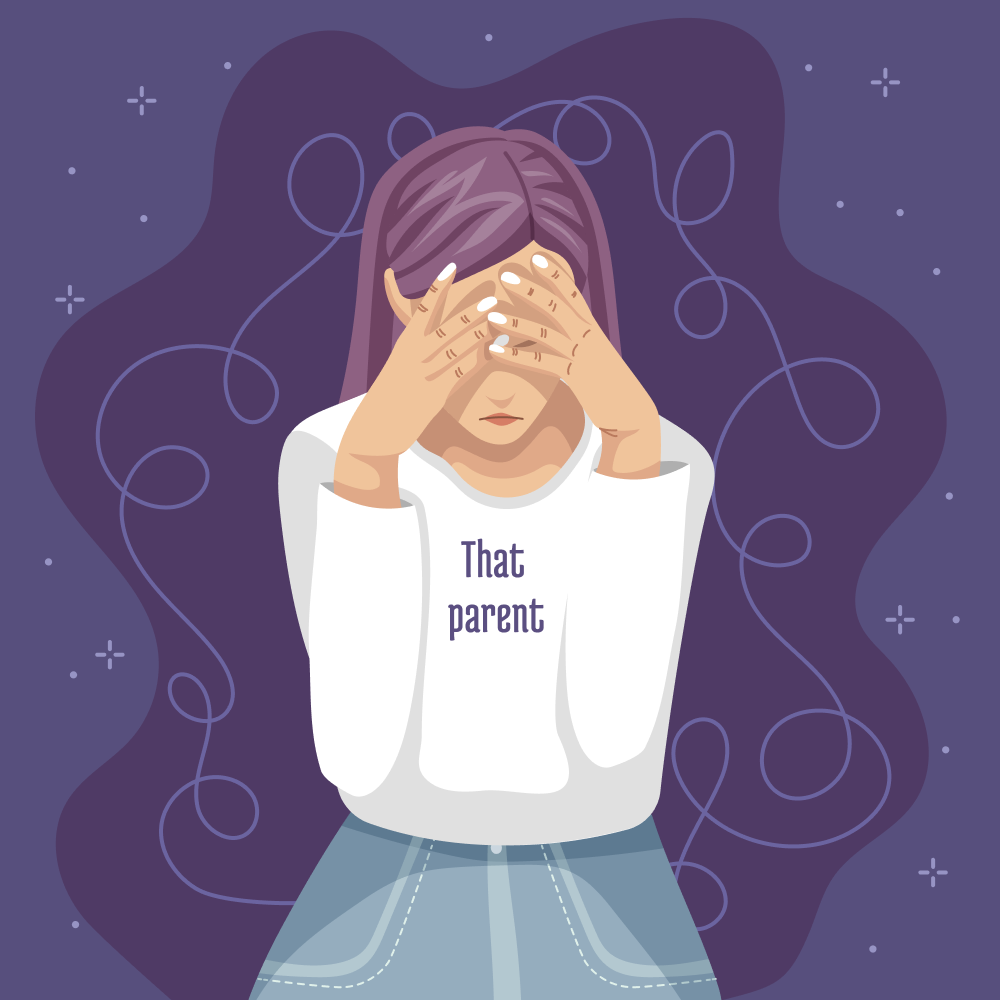
I’ve spent most of my life editing myself for other people—shaping my sentences so I won’t be seen as difficult, framing my pain in acceptable ways so no one feels accused.
-
The end of the school year never feels like a celebration
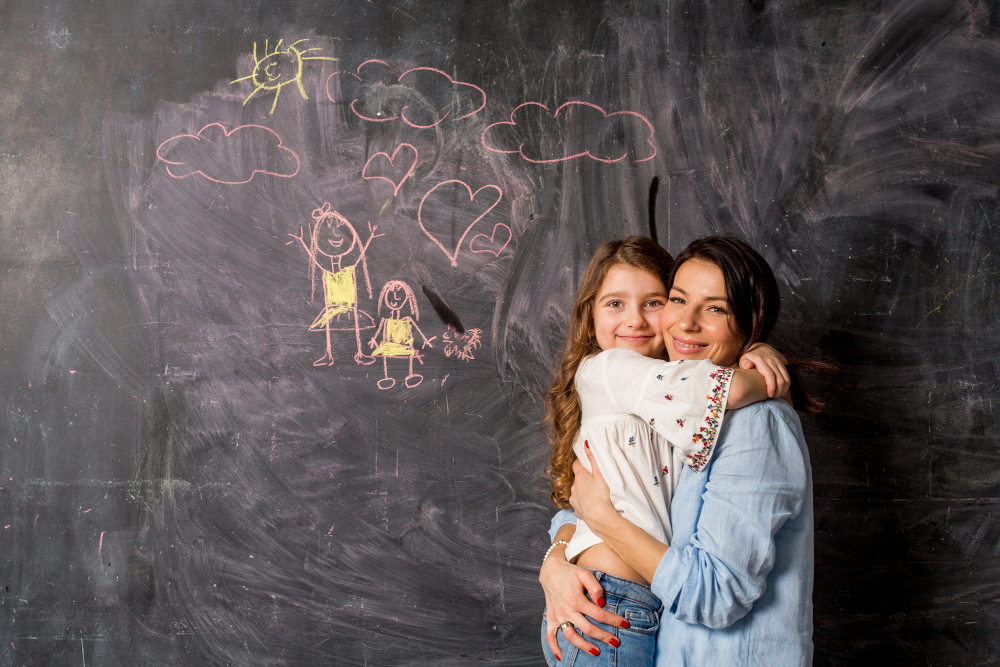
We are scouring the comments for signs that our kids are OK. Supported. Happy. Trying not to spiral when we read ‘developing’ or ’emerging’ or don’t see the words, ‘It was a pleasure to have your child in my class this year.
-

The poison of silence: on complicity, healing, and speaking the truth
I had so much pain stuck in my chest and throat. Cancelled screams. Unsaid truths. Every meeting where I stayed quiet, every time I swallowed my words to seem reasonable, every time I hoped that portraying myself a certain way might stop my children from being harmed—those moments didn’t disappear. They got stuck. I stopped…
-

We shouldn’t be enemies
I took my daughter for a manicure this week. She’s graduating from grade 7. A milestone. A moment that felt almost ordinary—slideshow, applause, plastic chairs, nervous grins—and yet there was nothing ordinary about what it took to get there. Vocabulary for what happened Class change She spent seven months of this school year outside the…
-

On graduation and the grievability of disabled children
I’ll try to be normal at my daughter’s graduation, even as I grieve a system that quietly erased her twin and expects no one to notice.
-

If I could: A letter to my daughter before another school meeting
If I could catch you before you fall, I would. If I could make them understand—make them see you as you truly are—I would. You are doing so well, in so many ways. If I could make you feel the pride you deserve, the pride I feel when I look at you, I would. But…
-

IEP goals we actually believe in mostly (even though we wish they didn’t exist)
Let’s get this out of the way: we hate IEP goals !!!! If you’re a parent who hears the phrase “IEP goals” and feels your stomach drop, you’re not alone. Most of us have seen goals that are vague, punitive, performative, or downright absurd. Goals that don’t reflect our children. Goals that seem more concerned…
-

Drawn and quartered: Sibling trauma, institutional containment, and the erasure of care for families with multiples
When you are the parent of twins—especially autistic/ADHD twins—you learn very quickly that the education system can’t hold both of them at once. Support is rationed. Attention is rationed. Empathy is rationed. The school system does not say this aloud, of course. It claims to treat every child as an individual. But as soon as…
-

IEP goals that don’t mean ‘don’t be autistic’
Too many IEPs include goals like “will self-regulate” or “will self-advocate”—goals that sound supportive, but often mean “will not disrupt,” “will not need help,” or “will not act autistic at school.” This post explores how seemingly neutral language can become a tool for erasure, and offers concrete, neurodiversity-affirming alternatives that centre support, access, and dignity—so…
-

Not everyone gets a slideshow
He should have been graduating too, but he isn’t. After years of support that never arrived, of being punished for distress instead of helped through it, my son left school quietly—while the world carried on with its ceremonies, its slideshows, its celebrations of children who were never forced to disappear in order to survive.
-
Maybe tomorrow: reflections on goal post shifting and the economics of access
There were accommodations on paper and endless lip-service meetings. But none of it happened in the classroom. And every time we did what was asked—another intake, another form, another plan—the goalpost moved again. We weren’t asking for miracles. We were asking to be seen as disabled. And instead, we were told to be more positive,…
-
Revoking recess as a form of collective punishment
Rules intended for safety become instruments of collective punishment when they erase unstructured play from the school day, compounding distress for children who rely on movement, predictability and sensory regulation. this post examines the disproportionate impact on neurodivergent learners and proposes targeted interventions that preserve every child’s right to play and learn.