
Legal and ethical
Includes the laws, policies, complaint routes, records, oversight bodies, and accountability tools families use to challenge exclusion, discrimination, delay, denial of accommodation, and procedural harm in schools.
-
Why I’m tracking exclusions no one else is measuring
I’ve been reading exclusion data that most people will never see. Two BC school districts—New Westminster (SD40) and Southeast Kootenay (SD5)—publicly released their submissions to the BC Ombudsperson’s investigation into student exclusion. SD40 reported 177 formally documented incidents over three years. SD5 reported enough partial-day programming to total approximately 3.4k+ exclusion-days. My children don’t appear…
-

Partial exclusion, full harm
The Tribunal’s decision in Student Y by Grandparent S v. Board of Education of School District No. X, 2024 BCHRT 353, with refusing the application to dismiss, affirms that partial school days, repeated over months or years, operate as a sustained pattern of exclusion that shapes a child’s developmental trajectory, erodes educational access, and profoundly alters the…
-

SD83 publicly acknowledges Ombudsperson investigation and releases updated exclusion procedure
School District 83 (North Okanagan-Shuswap) has released one of the most transparent updates to date on the BC Ombudsperson’s province-wide investigation into student exclusion. The district’s October 21, 2025 Regular Board Meeting agenda includes a full briefing under the heading Equity, Diversity, and Inclusion — Ombudsperson: Student Exclusion from School, and the details offer an unusually clear picture…
-

A data story from Southeast Kootenay District
I lived in Nelson as a child. The racial diversity was low. I know it has increased over time, yet it remains a small community, and when a young child arrives from another country and is visibly a person of colour, that presence remains noticeable across the Kootenays. This context matters when reading district records.…
-
District exclusion reasons
A review of exclusion records from New Westminster (SD40) and Southeast Kootenay (SD5) reveals a consistent pattern: the stated reasons for exclusion drift toward biography, circumstance, and administrative decisions rather than the educational factors that legitimately shape access to full-time schooling. The records describe personality traits, incidental details, and complex life contexts, while offering limited…
-
The New Westminster submission to the Ombudsperson
Kudos to New West for being the first district I’ve identified to have released their report to the Ombudsperson. The New Westminster submission provides ~three years of exclusion data incidents organised by school, grade, and duration. The tables show concentrated exclusion activity in middle-years grades, consistent reliance on Code of Conduct language, and notable variation…
-

How do we get out of this mess?
British Columbia’s education system is breaking, and Surrey’s classroom evacuations—along with the rushed creation of the Classroom Clear Tracker—show how close we stand to systemic failure. Desperate times create desperate actions, and the crisis unfolding in public education pushes people into hurried choices shaped by urgency, fear, and the belief that any action feels better…
-

The architecture of responsibility in systems that harm
When a system produces predictable, patterned harm — exclusion, restraint, academic abandonment, institutional gaslighting, attrition framed as “choice,” disability-based discrimination — that harm arises from the structural design of the system itself, because structures generate outcomes with the same reliability that rivers carve their beds, and structures reveal the priorities of the province long before…
-
The Cowichan case, land-title hysteria, and the unfinished work of justice in public education
I have been reflecting on the public reaction to the Cowichan case findings, and the deeper I look, the more I notice similar patterns emerging across conversations about reconciliation and disability justice in public schools: the tendency to get stuck in the T part of “Truth and Reconciliation” and to only have the T be…
-
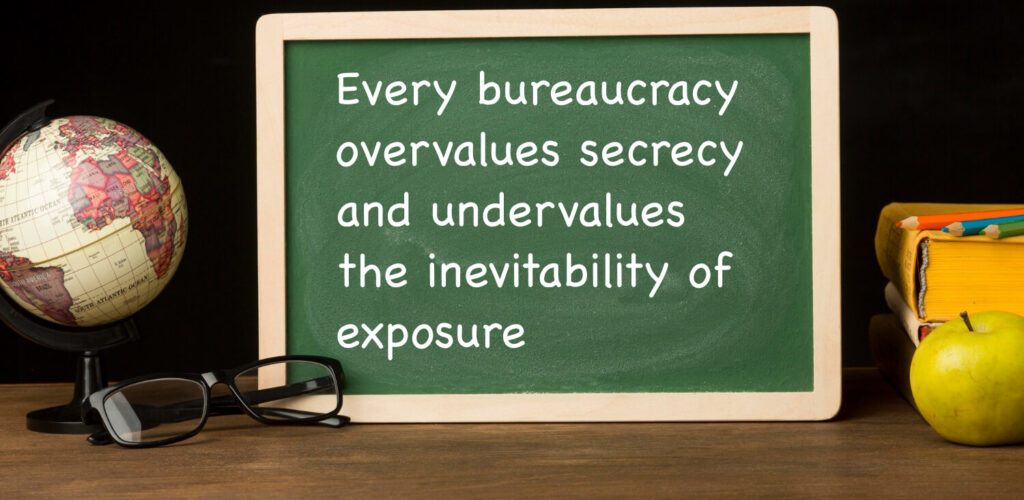
Every bureaucracy overvalues secrecy and undervalues the inevitability of exposure
Bureaucracies function through layers of reporting and review, and these layers create an administrative environment where information moves upward in controlled pathways that privilege institutional interests, because officials rely on curated datasets to demonstrate capability, and these curated datasets shape public understanding. The structure rewards leaders who present clean numbers and reassuring summaries, and this…
-

What the BC government wants us to see: data and public education
Governments build their authority through the quiet choreography of information, and educational systems refine this practice into a disciplined structure where the presence of data becomes a symbol of competence while the absence of certain measurements becomes a strategy that protects institutional dignity, and across decades of policy and public communication the pattern of what…
-
On euphemisms, PDA, and the rebranding of autism
When I look back on the early years of coming to terms with autism in our family, I understand the urge to rebrand it. The word autism lands hard at first. It sounds clinical, final, filled with sadness, injury, bad smells, and bleak prospects. In that first stage of reckoning—when your mind keeps circling what you imagined…
-

On children, war, and remembrance
Each November, we are asked to pause—heads bowed, hearts heavy—to remember the lives destroyed by war. Yet remembrance without reckoning becomes ritual, a polished echo of conscience that lets the same moral logic continue unchallenged. Every essay in this series has exposed a fragment of that logic: how endurance became virtue, how obedience replaced empathy,…
-

The role of infighting in maintaining scarcity, hierarchies, and exclusion
This piece is unfinished, but it feels necessary. I am still learning how to move through anger toward something that might resemble repair or solidarity. I am not writing a strategy or a manifesto; I am writing what I see, what keeps happening, and how it feels to live inside it. The truth, when spoken…
-

The ethics of counting crisis
I have been packing boxes between paragraphs, writing this series while selling my home—a process shaped by exclusion and the loss of stability that followed my children’s experiences in the Vancouver School District. I approach this work from a lifelong love of data and technology, aware that the same tools I value can create harm…
-

BCEdAccess on Room Clear Tracker
The BCEdAccess post about the Surrey classroom-clear tracker is a dire and necessary warning. Parents are raising concerns that come from lived experience, not abstract theory. They have seen how data about vulnerable children, even when anonymised, can expose them to harm. Their argument is simple: tools meant to improve safety can easily become tools…
-

The architecture of blame
Before my kids were hurt at school and i was left to pick up the pieces, I tried to make things easier for everyone—packing lovely lunches, remembering birthdays, sending notes to teachers, keeping the peace. I thought that being organised and kind could protect us. I thought that if I stayed composed, things would stay…
-
Counting the wounded: how complaint systems and data bureaucracies erase harm
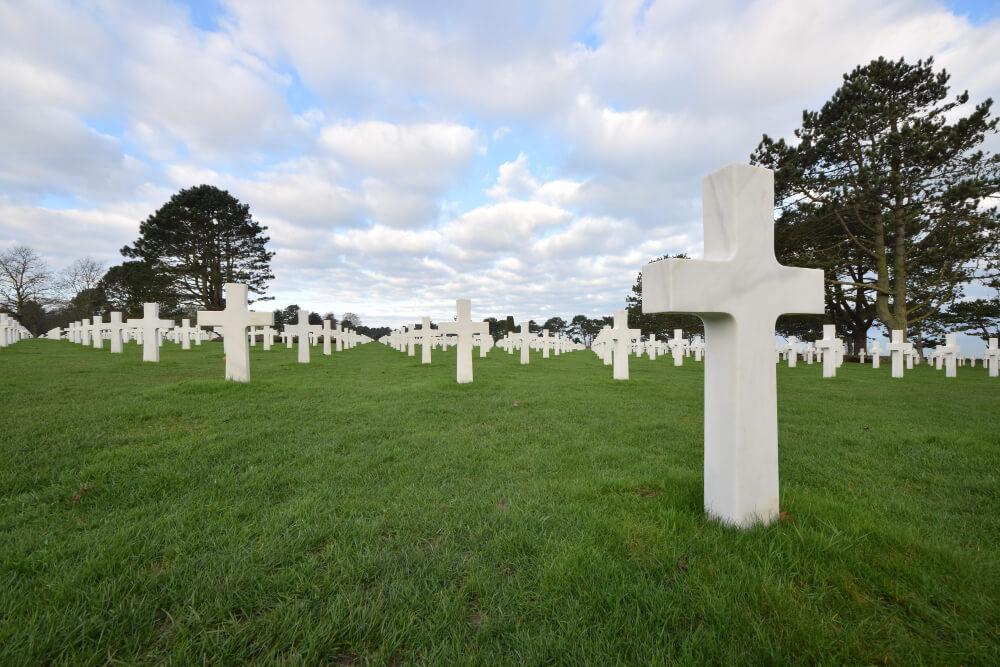
The same patterns of attrition described in The Ombudsperson and the war of attrition also define how governments manage harm in military and veterans’ systems. Delays in compensation, endless investigations, and deferrals justified as ‘process’ reveal that administrative time itself functions as an instrument of harm. What appears as prudence operates as quiet abandonment—an institutional strategy that…
-
Bootcamp for mothers: how to send your disabled child to school
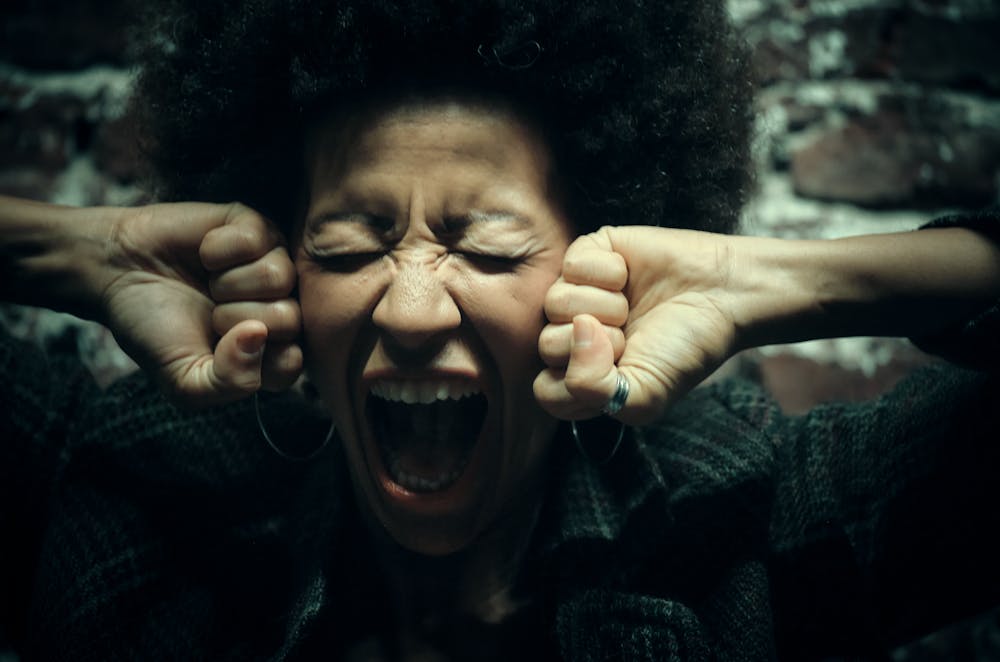
Each year around Remembrance Day, I find myself thinking about what it means to live inside a culture that trains endurance as its highest virtue. Across this series, I have been writing about how the language of war has infiltrated the spaces that claim to protect children. In genocide and the classroom examined how distress becomes procedural; The…
-

Collective punishment in war and school
Every empire writes its morality through the safety of the bodies of children. Whether on the battlefield or in the classroom.