
Legal and ethical
Includes the laws, policies, complaint routes, records, oversight bodies, and accountability tools families use to challenge exclusion, discrimination, delay, denial of accommodation, and procedural harm in schools.
-
Changes to Designation Checklists
There is a lot of discussion right now about B.C.’s new inclusive education funding checklists. Some of that discussion is useful. The forms have changed. Some requirements that were previously buried in the Ministry manual are now printed directly on the checklists. That may change how consistently districts document what they are doing. But families…
-

When back to school means staying in bed
Children will soon be going back to school… well, some children. Stores are already filled with lunch kits, backpacks, and brightly coloured displays of school supplies. Parents are checking whether indoor shoes still fit. Social media will soon fill with first-day photographs: children standing beside front doors, holding signs with their grade and what they…
-

Children already know collective punishment is unfair
Children already know collective punishment is unfair A teacher sees one student break a rule and keeps the whole class in from recess. Every parent has heard a version of this story. A 2024 study in Social Development asked the children themselves what they make of it — and the answer is clear. By age six, children…
-
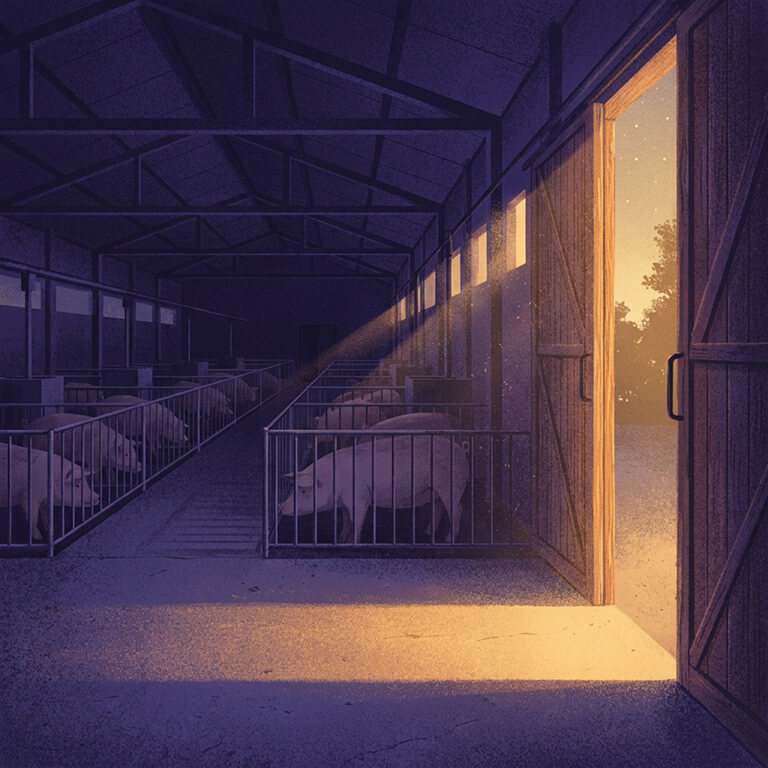
The barn, not the mother
A version of you existed before all this, and she would have been horrified. She would have watched you zip up that backpack, drive them to school, walk them to the door, and she would have known what you were doing: handing your child directly to the building that will hurt them today. Maybe the…
-
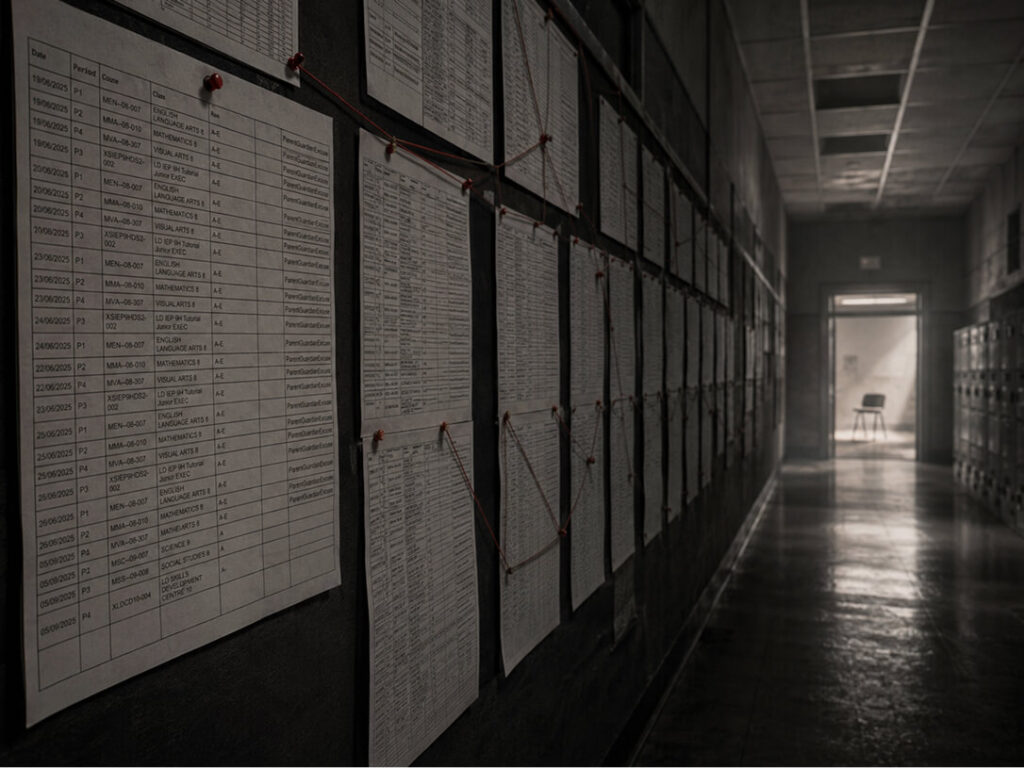
Parent Guardian Excuse: no excuse for exclusion in BC schools
The reason column in my son’s permanent record is mostly blank. When a reason survives, it’s ParentGuardianExcuse.
-

Transparency systems must themselves be transparent: FOI revelations
FOI is supposed to help the public hold government accountable. In schools, families often use it to learn what was never recorded, or what was hidden behind redactions. A new FIPA process analysis report raises concerns about how consistent and transparent that process really is.
-
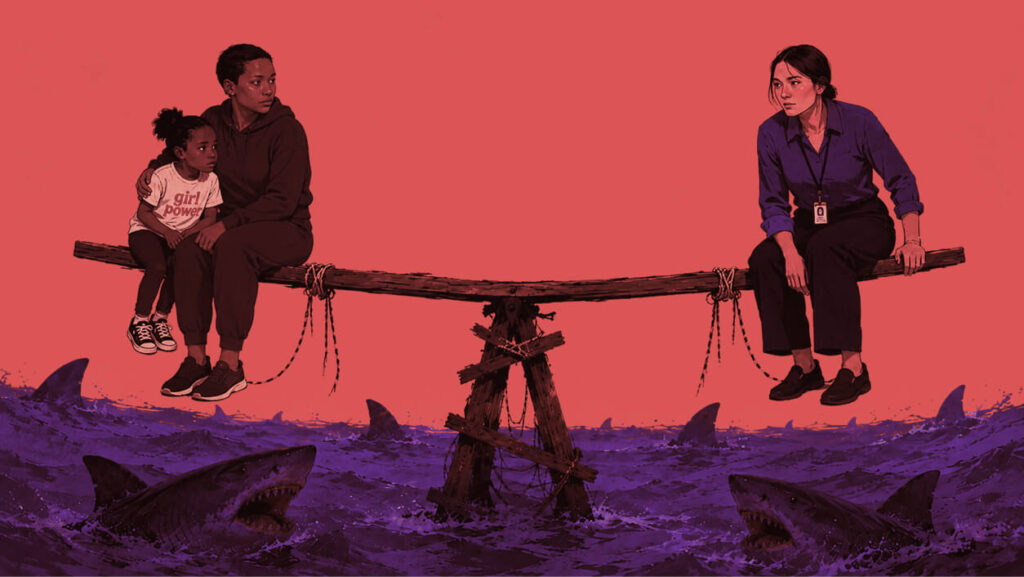
On opposite sides of the same door in BC schools
Families and teachers are describing the same failure from two positions inside it. The system survives by keeping them from recognising each other.
-

A summer reading list for education leaders
The Canary Collective went upstream this week, and the gloves came off. In “Delay, Distract, and Deny”, Wren takes the old public-health parable about pulling bodies from a river and turns it into an indictment: while families stand waist-deep in the current keeping disabled children afloat, almost no one walks up the bank to ask who…
-
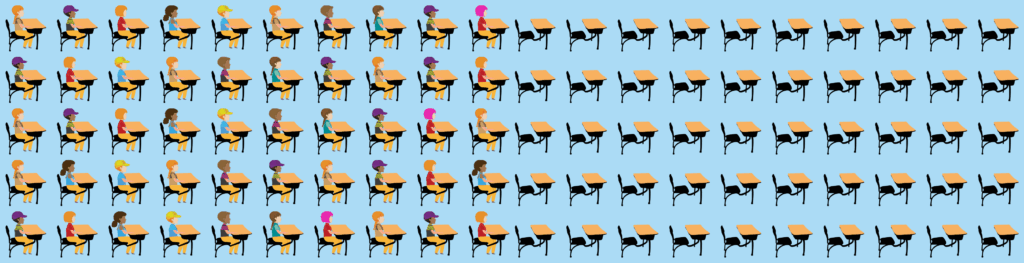
PEI’s education minister just told you exactly how data suppression works
A motion passed unanimously in the PEI legislature this month, calling on the province to track student absences caused by bullying. Green MLA Karla Bernard brought it forward after years of families reporting that their children are staying home — and the system recording nothing about why. Education Minister Robin Croucher’s response is a masterclass in the…
-
Children are not pawns: disability, private schools, and budget cost-containment
Public money should not be subsidising private advantage while public schools are told to make do with less. That is the clean version of the argument. It is intuitive, politically useful, and often true. When governments claim there is not enough money for education assistants, specialist support, safe buildings, accessible classrooms, or meaningful inclusion, it…
-
Happy belated PDA Day
I have written about Pathological Demand Avoidance (PDA) quite a bit over the past year, so for PDA Day / PDA Action Week I thought I would do a small review of the themes I keep returning to. It’s not wilful behaviour, usually Schools often read demand avoidance as refusal, manipulation, defiance, escape, or “not…
-

Lies, damned lies, and ABA evidence: a prescription for greed
Imagine being told your child needs a treatment. Then imagine learning that the research used to sell that treatment was written, overwhelmingly, by people who make money from the treatment continuing. Now imagine that most of those researchers said they had no conflict of interest. That is the problem sitting underneath ABA. A new Psychology Today article highlights…
-
Save Indigenous Education teachers in SD8
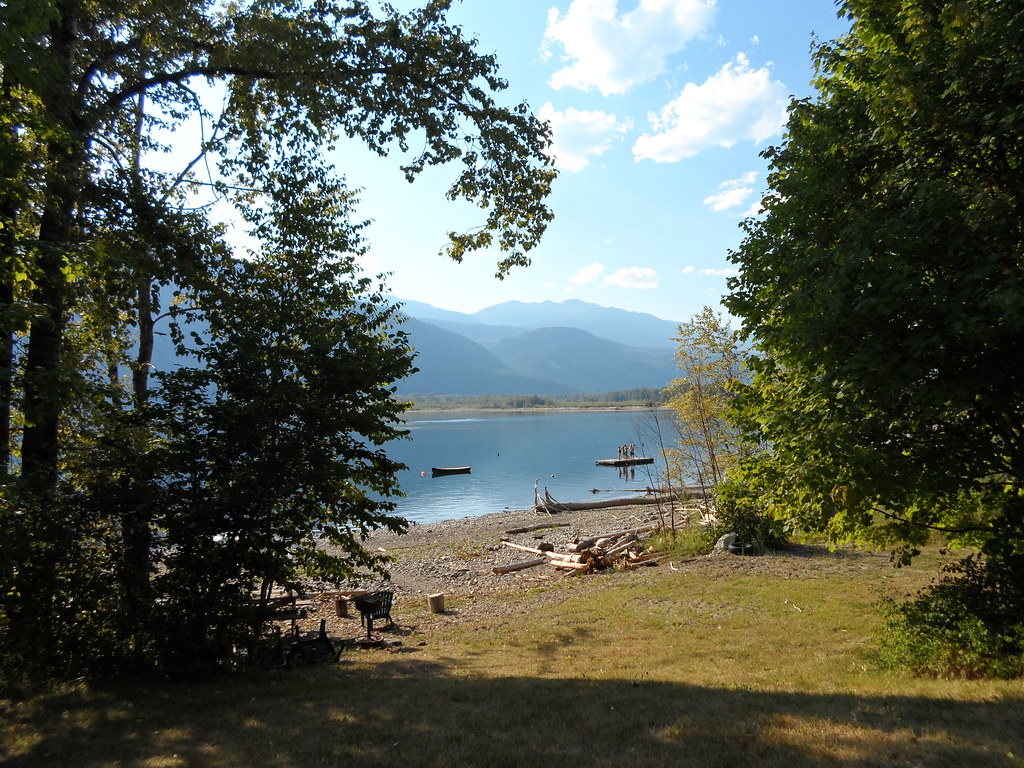
Kootenay Lake School District is moving toward a staffing change in Indigenous Education that families say will remove teacher-led Indigenous Education from elementary and middle schools and replace the teacher with Indigenous Support Worker positions. On paper, this may look like a staffing model change. One role is removed. Other roles are added. A budget…
-

Bad medicine: ABA is a poison in the bloodstream of public education
The evidence is no longer merely emerging. It is converging. A national study of privately insured autistic youth in the United States matched 17,120 autistic children and youth who received applied behaviour analysis with 17,120 autistic children and youth who did not. The study found that ABA receipt was associated with 30% higher odds of mental…
-

My Ollie is missing a lot of school
My Ollie has barely left his room since he came home exhausted from school one day last spring. He slept twenty-three hours a day for months. He barely spoke for months and had difficulty with basic hygiene. School chronically withdrew the supports he needed and pushed him to mask and comply until his nervous system…
-

The most reasonable parent
On the impossible calibration mothers perform when advocacy collides with coercive control A child loses access to education. A mother loses trust in her own perception. A family fractures along lines the institution helped deepen. Yet everyone acted reasonably. The harm that accumulates inside families and institutions often looks benign in isolation. The people involved…
-

BC schools are failing disabled students: an absence analysis
This analysis is based on a provincial FOI request to the BC Ministry of Education, file ECC-2025-52461, which was shared recently, bc BCEdAccess. The data covers absence rates, absence reasons, enrolment, and mid-year exits for BC public school students, broken down by inclusive education designation, across the 2022/23 and 2023/24 school years. This analysis focuses on…
-

Your accommodations, too
You arrive at the IEP meeting already tired. You have been awake since five, rehearsing the three sentences you practised last night; you put on something other than sweatpants, to look the part; you have swallowed the coffee that makes the morning bearable at the cost of the indigestion and tremor in your hands, which…
-

Sooke School District (SD62) secondary schools: a neurodiversity-informed policy critique
The Sooke School District secondary code of conduct opens with the steady, reassuring cadence of a district reading its own values back to itself: schools are “places for safe, purposeful learning,” conduct is “a shared responsibility of students, staff, parents / guardians and the broader community,” and every member carries an obligation to “support learning,”…
-
They still haven’t learned: POPARD and PDA
POPARD’s internal PDA training materials have been circulating through parent communities this week, released through a freedom of information request to a BC school district, and what they reveal is something more structurally damning than a policy directive to dismiss Pathological Demand Avoidance — they expose the precise mechanism by which an organisation can train…