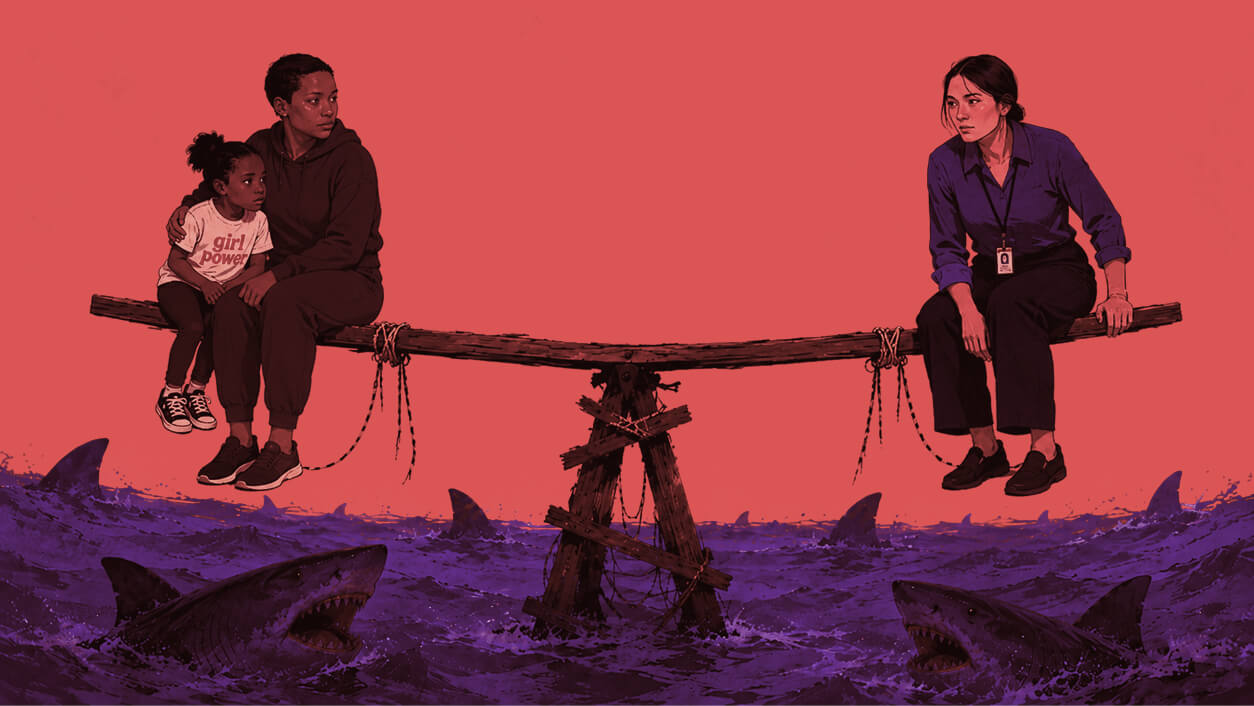
Collective punishment occurs when a group is penalised for the actions of one or a few individuals. In schools, this might look like a class losing recess because one student was disruptive, or a sports team’s game being cancelled because a few members broke the rules.
-

What is an example of collective punishment?
Collective punishment is when a group is penalised for the actions of a few, regardless of individual responsibility. This practice…
Though often justified as a way to promote accountability, collective punishment fails to teach it. It punishes the innocent, damages trust between students and educators, and fosters fear, resentment, and social division. It is not evidence-based. It is harmful.
For neurodivergent students, children with disabilities, and those facing behavioural or mental health challenges, the impacts can be especially severe. These students are often blamed, scapegoated, or further isolated. Rather than supporting self-regulation or inclusion, collective punishment reinforces control through intimidation.
There are better alternatives. Research shows that restorative and individualised approaches lead to stronger outcomes for everyone involved. It’s time we abandoned practices rooted in humiliation and replaced them with those grounded in care, evidence, and fairness.
-

Collective punishment: a focal point of injustice
Collective punishment, the practice of disciplining a whole group for the misdeeds of one or a few, is widely recognised…