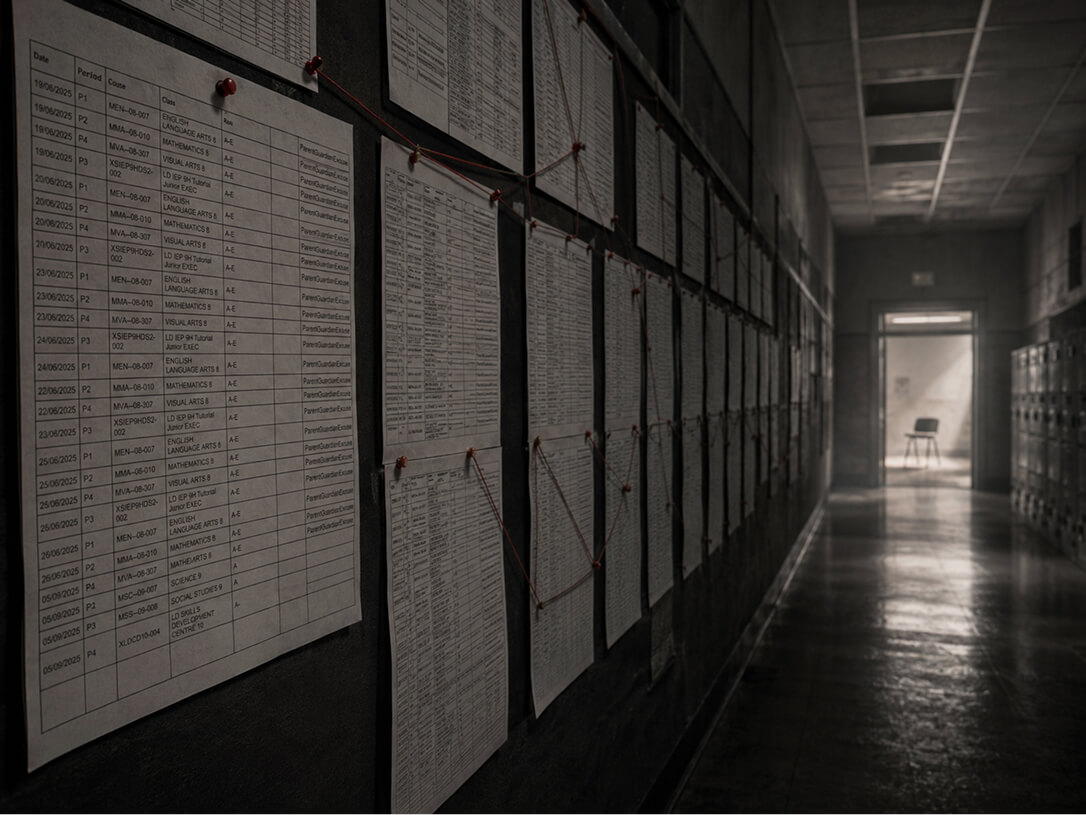
A new study by Gordon L. Porter and Andrea Cameron, The Paradox of Partial Day Schooling: Exclusion in the Era of Inclusive Education (2025), exposes a practice that is increasingly common—and deeply harmful—across Canadian schools. Despite decades of legal and policy commitments to inclusive education, students with disabilities are still being excluded through shortened school days. The authors argue that partial-day schooling is not a benign accommodation or temporary measure, but a systemic denial of students’ rights.
Partial-day schooling occurs when students are routinely sent home early or attend school for only a portion of the day, often justified by behavioural concerns, safety risks, or resource constraints. Porter and Cameron situate this practice within Canada’s obligations under Article 24 of the United Nations Convention on the Rights of Persons with Disabilities (CRPD), which guarantees the right to full, inclusive education. Their central claim is stark: partial-day schooling directly contradicts the principles of inclusion while allowing school systems to appear compliant on paper.
Drawing on policy investigations, advocacy reports, and parent testimonies from New Brunswick and British Columbia, the authors show that this is not a series of isolated decisions made by individual schools. Instead, partial-day schooling reflects structural failures—chronic underfunding, inadequate staffing, limited training, and ableist assumptions about which students “belong” in classrooms. Oversight bodies such as the New Brunswick Child and Youth Advocate and the BC Ombudsperson have documented hundreds of cases where children were effectively denied full access to education without meaningful oversight or accountability.
The consequences for students are profound. Academically, shortened days interrupt learning and deny access to instruction and support services. Socially, students miss out on peer relationships and school community life. Emotionally, many children internalise exclusion, developing negative self-concepts and heightened anxiety. The study includes heartbreaking parent accounts of children describing themselves as “bad,” “stupid,” or unwanted—language that reflects how exclusion becomes internalised over time.
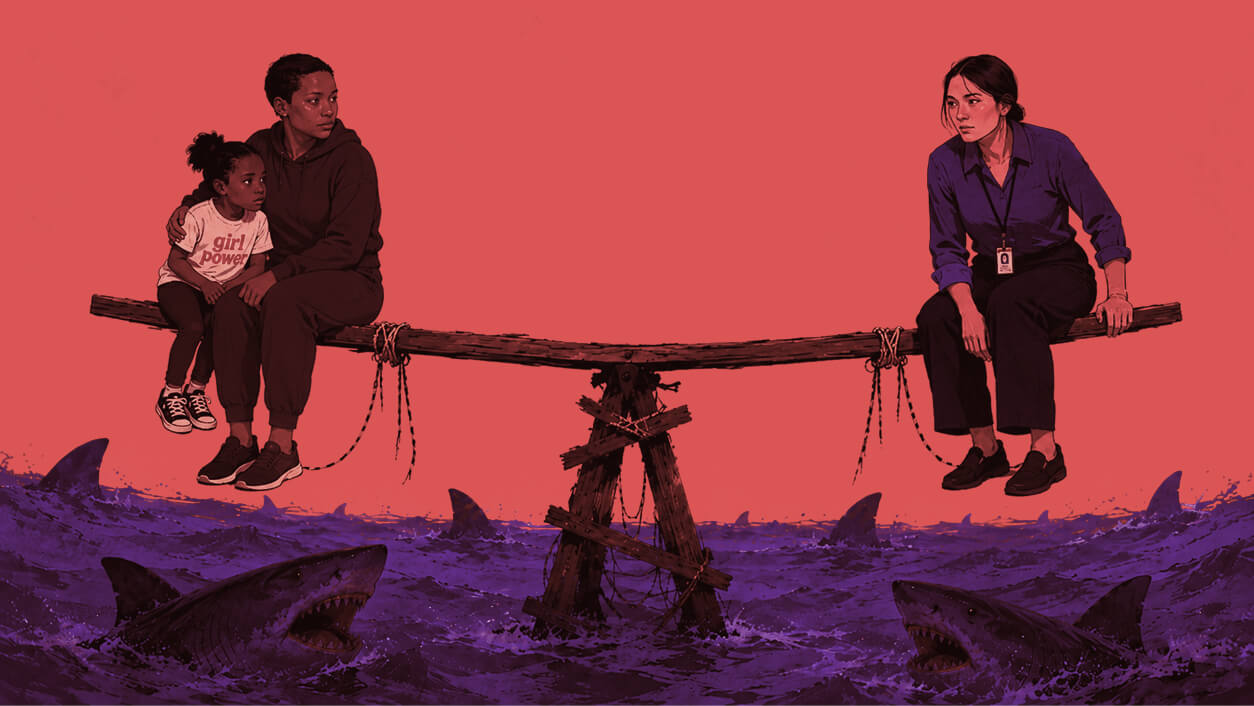
Families, meanwhile, bear enormous burdens. Parents report constant phone calls to pick up their child, sudden schedule changes, and pressure to agree to reduced days because schools lack alternatives. This often leads to lost employment, financial strain, and emotional exhaustion. Advocacy becomes a second unpaid job. As one parent described, the cumulative stress of childcare logistics, meetings, assessments, and fear of the next school crisis was “unbearable.”
Porter and Cameron emphasise that partial-day schooling often masquerades as a response to individual behaviour, while the underlying causes—insufficient supports, inappropriate environments, or unmet disability-related needs—remain unaddressed. In this way, responsibility is shifted onto children rather than systems. What is framed as flexibility or accommodation instead becomes institutionalised marginalisation.
The article also highlights the critical role of advocacy organisations such as Inclusion Canada and its provincial affiliates. These groups help families navigate complex systems, push for accountability, and translate inclusive education policy into practice. However, the authors are clear that advocacy cannot substitute for systemic leadership. The responsibility for reform rests squarely with school leaders and ministries of education.
To move beyond partial-day schooling, the authors call for clear policy prohibitions against exclusion based on behaviour alone, robust appeal mechanisms for families, investment in staffing and professional development, and the elimination of harmful practices such as seclusion and restraint. Inclusion, they argue, must be culturally embedded—not treated as optional or contingent on available resources.
The study concludes that inclusive education in Canada remains incomplete as long as partial-day schooling persists. Formal commitments are not enough. Without adequate resourcing, accountability, and a genuine shift in how schools understand disability and belonging, students with disabilities will continue to be “included” in theory while excluded in practice. Eliminating partial-day schooling is not a logistical challenge—it is a human rights imperative.
-
Shattered pathways of parent advocacy in BC’s public schools
It’s time to riot in the streets. We have tried everything else and our children are still being hurt. The existing systems of appeal and escalation are ineffective, more focused on preserving the institution than delivering justice. It’s time to end the engineered…