

Education Policy
Laws, regulations, and governance decisions that shape the daily realities of students, families, and educators. This tag includes critical analysis of ministry directives, district implementation practices, funding structures, and systemic accountability mechanisms. It also traces the dissonance between policy ideals—such as inclusion, safety, and equity—and the actual experiences of those navigating the system, particularly disabled and neurodivergent students and their caregivers.
Inclusion BC is an excellent reference—particularly for a neurodiversity-affirming, disability justice–aligned perspective on education policy in British Columbia. Their work foregrounds the rights of disabled students and families, and they consistently critique systemic ableism, segregation, and policy failures in public education. They also engage directly with provincial ministries, making them both a watchdog and a thought leader.
-

Condition 15: the ethical teacher and the collapse of collective punishment in BC schools
In Milgram’s experiment, 65 percent of people kept shocking a stranger on command. In the variation no one teaches — two authorities, one of them saying stop — the number fell to zero. One dissenting voice in the room stops the cruelty.
-
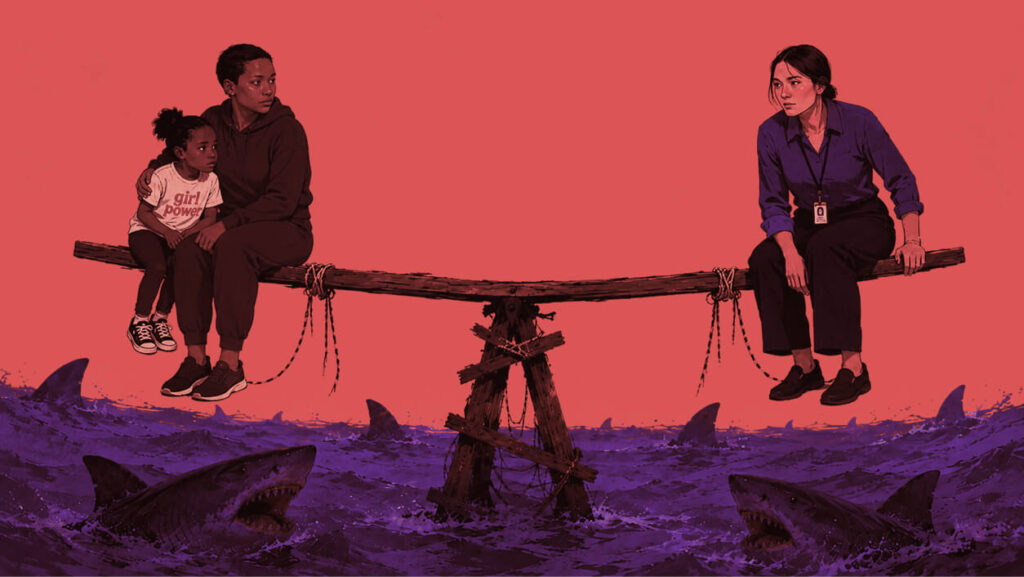
On opposite sides of the same door in BC schools
Families and teachers are describing the same failure from two positions inside it. The system survives by keeping them from recognising each other.
-

The compliance trap: why IEP goals fail PDA students
Every IEP written for a PDA student begins with the same quiet betrayal. The team gathers — parents, teacher, learning support, maybe an administrator — and the goals are drafted in language that sounds like care: manage responsibilities with support, self-advocate before becoming overwhelmed, organise materials and meet deadlines. The phrases are familiar because they…
-

My Ollie is missing a lot of school
My Ollie has barely left his room since he came home exhausted from school one day last spring. He slept twenty-three hours a day for months. He barely spoke for months and had difficulty with basic hygiene. School chronically withdrew the supports he needed and pushed him to mask and comply until his nervous system…
-

Sooke School District (SD62) secondary schools: a neurodiversity-informed policy critique
The Sooke School District secondary code of conduct opens with the steady, reassuring cadence of a district reading its own values back to itself: schools are “places for safe, purposeful learning,” conduct is “a shared responsibility of students, staff, parents / guardians and the broader community,” and every member carries an obligation to “support learning,”…
-

The masking tax: how autistic girls absorb bullying invisibly in BC schools
Autistic girls in B.C. schools often develop sophisticated masking or camouflaging strategies to hide their autism in order to fit in and avoid bullying. In the short term this can make them appear “fine” – leading teachers and administrators to assume no support is needed – but the “masking tax” is high. Decades of invisible stress and exclusion build up as girls…
-
Bullying of disabled children: a human rights issue requiring accommodation
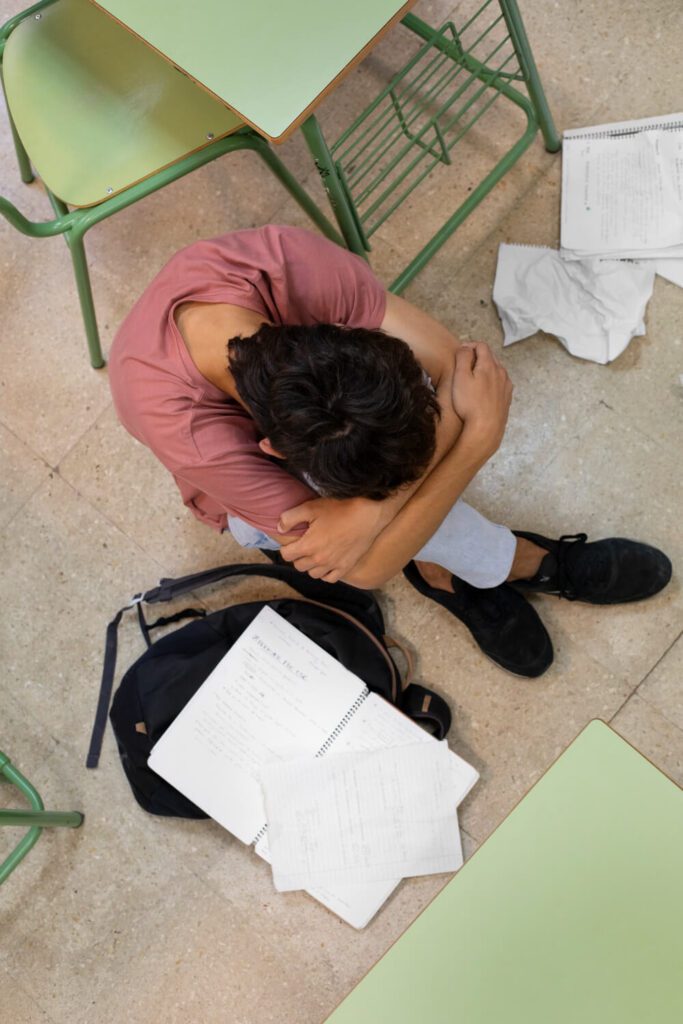
Bullying emerges when power differentials enable repeated harm, when one child or group systematically targets another through physical aggression, verbal degradation, social exclusion, or digital harassment. BC’s ERASE framework describes bullying as “a persistent pattern of unwelcome or aggressive behaviour intended to harm or humiliate a person”, language that obscures the particular vulnerability of disabled children…
-

Exclusion is economically irrational and the hidden costs of refusing accommodation
BC schools spend more money refusing accommodation than providing it. Learn when hiring a lawyer becomes the only fiscally rational choice for your family.
-

What 8 years of advocacy took from our family
I advocate because I love my children and I want them to be well. Because I know the accommodations they require are entirely tenable, requiring only modest shifts in how adults think and respond. Because it is unbearable to watch them be slowly debilitated by a system that insists their needs are excessive and their…
-

When one child’s support becomes everyone else’s denial
I bring Robin his meals now. I pour a bath periodically, and coax him in, when too many days have elapsed and a funk has grown pungent from him avoiding the sensory assault or the water on his skin. I manage mess, hygiene, and feeding, even though he is a teenager who should be developing…
-

The business process trap
I’m a business analyst by trade, so I naturally wanted to understand how things work in schools, but resist the temptation to let schools draw you in!!! School districts speak a language designed to obscure accountability, using administrative complexity as armour against obligation, converting urgent need into bureaucratic procedure, and replacing immediate legal duty with…
-

When advocacy stops being collaboration
You’re dealing with a school district, and a recognition is starting to settle: advocacy will not going to be easy! Meetings feel uncomfortable in ways you cannot yet fully name. Promises dissolve between conversations. Your child’s needs remain unmet despite repeated requests. Decisions appear to be made elsewhere. Something about the process feels designed to…
-

Navigating school meetings without losing your mind
School meetings occupy a particular kind of hell where institutional power performs collaboration while enacting control, where districts convene parents to discuss their child’s struggles without acknowledging the system produces those struggles through inadequate accommodation, and where the meeting itself functions less as problem-solving forum than as liability management theatre, generating documentation that protects the…
-

Newfoundland and Labrador announces $11,000 investment in inclusive education
The provincial government issued a press release celebrating its distribution of $11,000 across eleven schools—$1,000 per institution—framed as demonstrable commitment to safe, caring, and inclusive learning environments. Yes, you read that right: a press release for 11k. The arithmetic speaks plainly: this measly sum, distributed across an entire province’s school system, positioned as evidence of…
-

Ministry regulations on physical restraint and seclusion in BC schools
Physical restraint and seclusion are permitted in British Columbia schools under the Ministry of Education and Childcare guidelines—despite being widely described as last-resort safety measures. When schools restrain or isolate disabled children, districts often cite the Provincial Guidelines on Physical Restraint and Seclusion in School Settings (2015) to claim compliance. Parents are told the intervention…
-

How BC education policy discourse positions institutional refusal as neutral fact
This is a methodological critique examining how dominant policy analysis systematically erases the institutional practices that produce educational exclusion while appearing rigorous, neutral, and evidence-based. Understanding this analytical apparatus matters because it shapes what counts as legitimate evidence in meetings, what research administrators cite to justify program decisions, and what policy recommendations achieve political traction.…
-
Where Surrey’s $6.3 million went
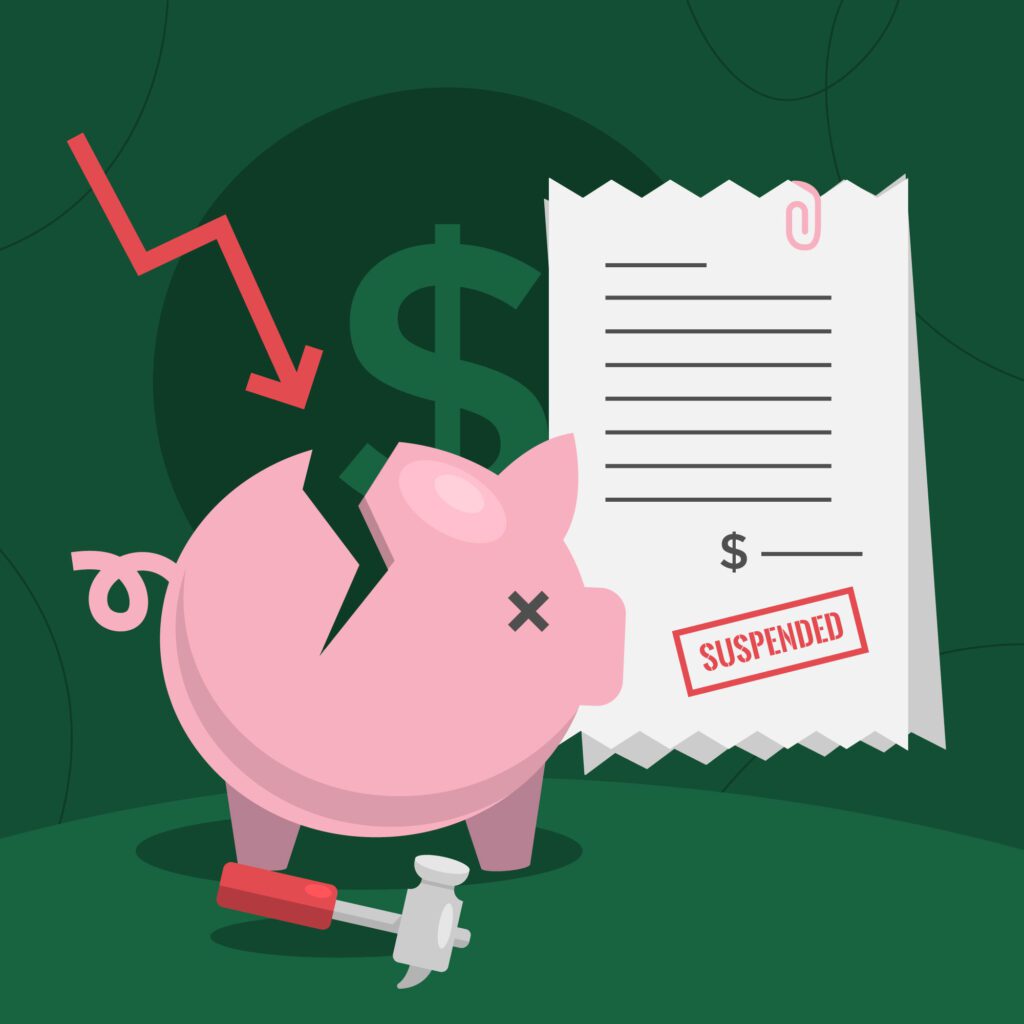
I recently reviewed the provincial budget tables and buried within Table 17 (2024/25 Amended Annual Budgeted Operating Expenditures of Program 1.10 Inclusive Education by Object) and Table 26 (2024/25 Actual Operating Expenses of Program 1.10 Inclusive Education by Object) of British Columbia’s 2024/25 operating budget documents lies evidence of what can only be described as…
-

Champlain Heights Annex School (VSB SD39): a neurodiversity-informed conduct critique
Champlain Heights Annex School’s Code of Conduct promises a safe, inclusive, equitable, welcoming, nurturing, and healthy school environment. The document aligns explicitly with Vancouver School Board’s District Student Code of Conduct (AP 350), affirms the BC Human Rights Code, and structures behavioural expectations through a three-level consequence framework extending from classroom redirection to formal suspension.…
-

Education assistants and the infrastructure of exclusion
Between 2014 and 2023, education assistants in British Columbia filed more than four times as many violence-related injury reports with WorkSafeBC than teachers, a disproportion that exposes the material reality of who absorbs classroom harm where support has been systematically withdrawn. According to WorkSafeBC data referenced in Want to Improve Schools? Education Assistants Have Ideas, teaching assistants…
-

Midwifery and inclusive education: how holistic models become public infrastructure
Midwifery offers something rare in policy discourse: a concrete, recent example of how a holistic, person-centred model of care moved from the margins into stable public funding without diluting its philosophy or abandoning its core practices. The model succeeded because practitioners organised collectively, defined clear boundaries around safe practice, and presented government with a credible,…