
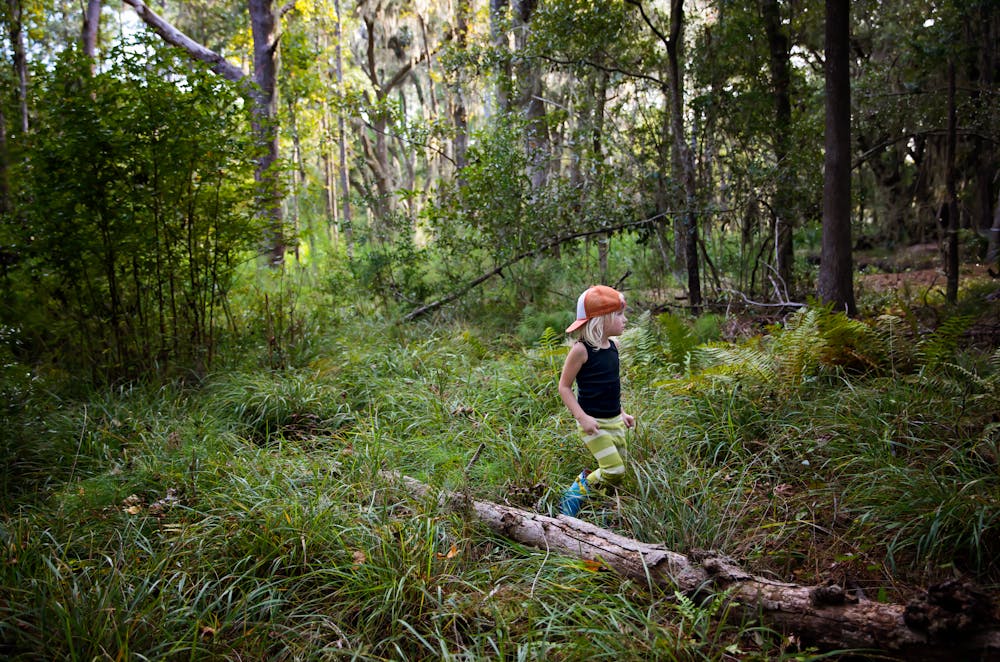
Classroom Exclusion
Informal or undocumented removal from class—such as hallway work, buddy rooms, or repeated “take-a-break” demands—often targeting students with unmet support needs.
-
Flourishing as an ethical imperative
Like many of you, I caught CBC’s Ideas episode the other day, where philosopher Angie Hobbs spoke about the ancient Greek concept of eudaimonia—a term sometimes translated as happiness or welfare, but more richly understood as human flourishing. In a world flooded by crisis, it may seem indulgent or impractical to contemplate the good life,…
-

Vancouver School Board’s Urgent Intervention Process – purpose, process, and controversy
The Urgent Intervention Process (UIP) – formerly known as the Multi-Interdisciplinary Support Team (MIST) – is a Vancouver School Board (VSB) initiative designed to provide rapid support for schools dealing with students with extremely challenging behaviours or acute needs. The program was expanded in the mid-2010s as part of VSB’s special education support model, with the stated goal…
-
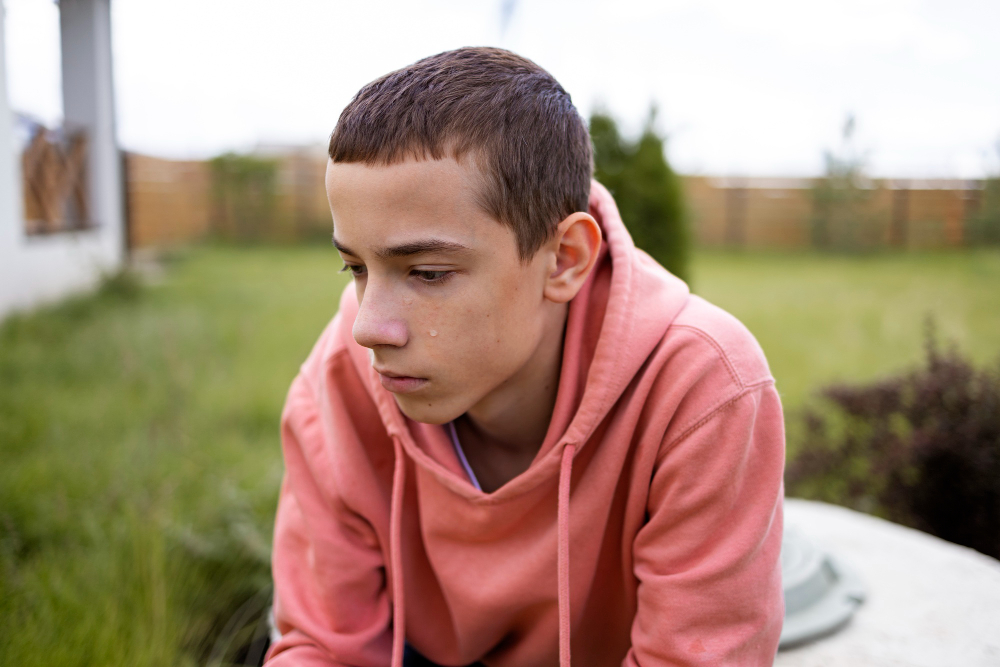
Debility versus disability: what the system cannot acknowledge
My son Robin took to bed two weeks before March break. He had been soldiering on through the aftermath of a school transfer the district assured us would help him, though his body told me otherwise from the first day he arrived. I’ve seen that kind of shutdown before—at camp, at birthday parties, in classrooms…
-
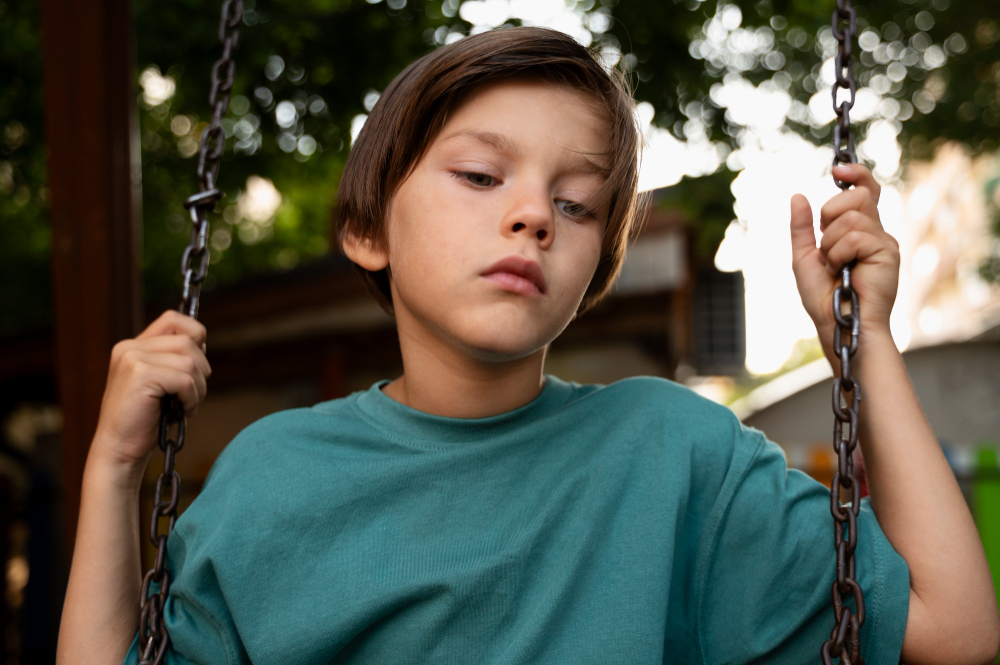
Tell the Ministry: end collective punishment in BC schools
BCEdAccess recently reminded us that if families don’t speak up, the system assumes everything is fine. Writing letters to the Ministry of Education and Child Care is one way we can make our children’s experiences count—especially when those experiences involve exclusion, loss of support, or group-based discipline that punishes kids for behaviours linked to unmet…
-
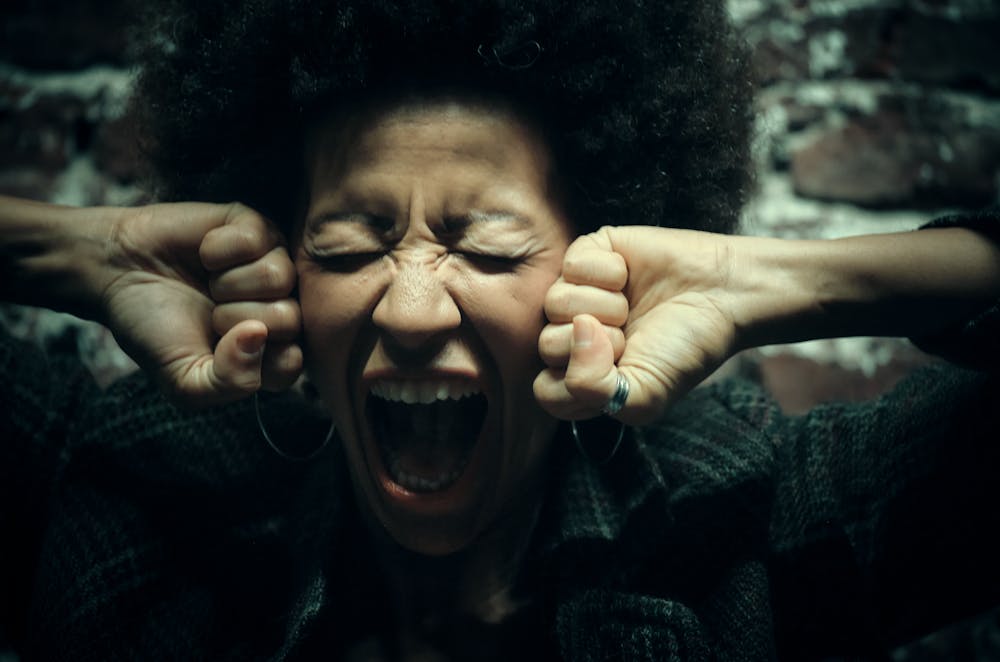
Poise as pedagogy
There is a cost to composure that institutions never count. When schools reward mothers for staying calm in the face of harm, they turn grace into a gatekeeping tool and punish those who dare to grieve out loud.
-

I have thought about writing her a letter
I have thought about writing her a letter—something long and deliberate, something shaped by memory and moral clarity, something that names what occurred and places it in her hands before the door finally closes. The idea moves through me with a kind of gravitational pull, neither urgent nor calm, just pressing and circling. I return…
-
Why I’m reviewing school codes of conduct
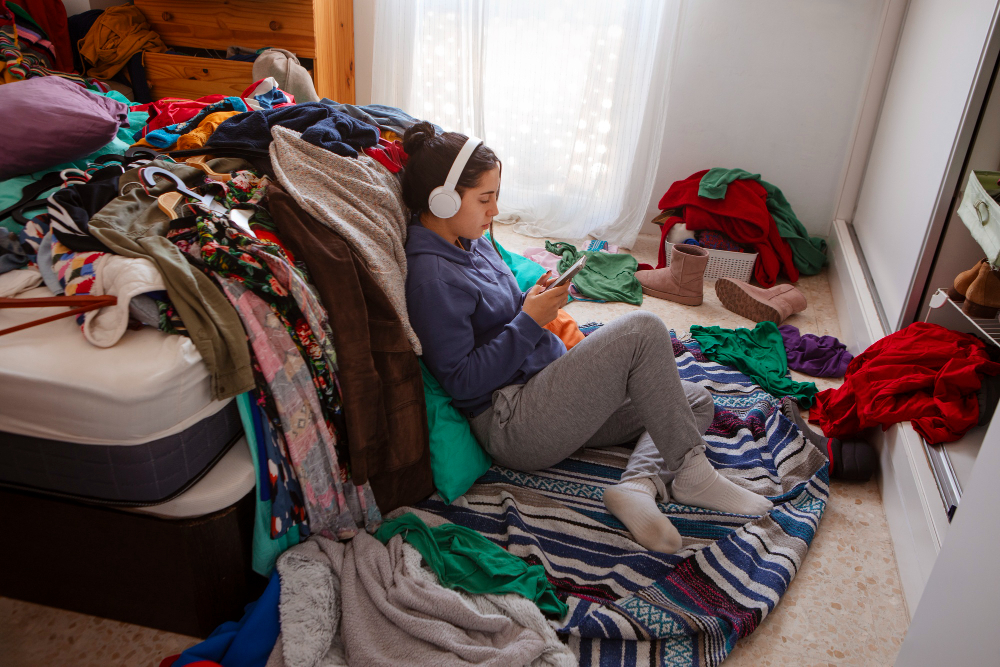
To the student who found this page because you typed something scared or confused or angry into a search bar—something like “are teachers allowed to take away recess?” or “can I be suspended for a meltdown?” or “why did my teacher say I wasn’t trying hard enough when I couldn’t stop crying”—this is for you.…
-
Wait and see: a mother’s warning
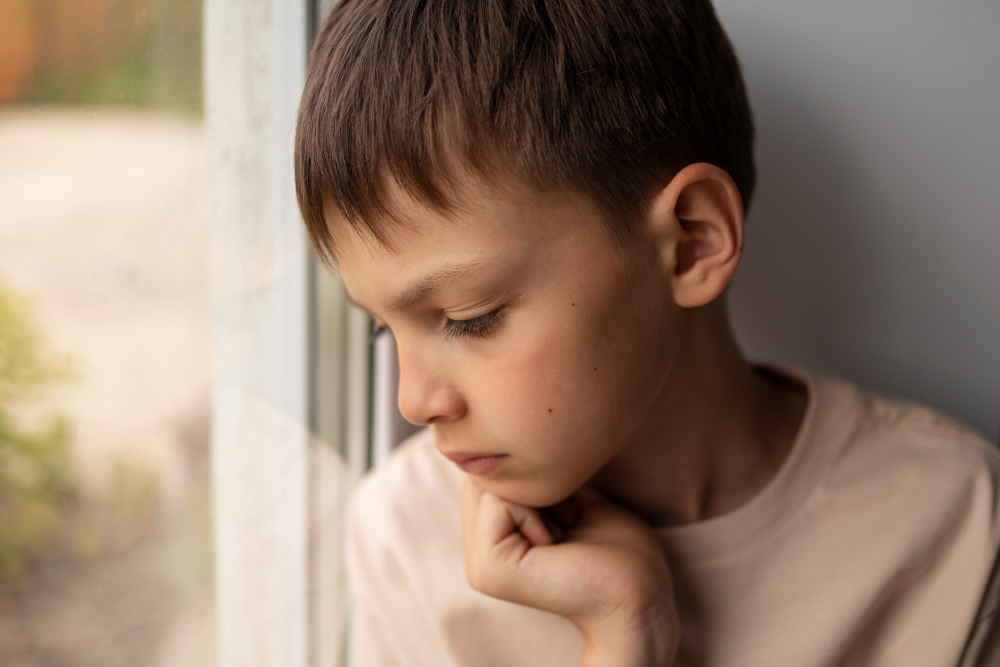
Before kindergarten began, we told them—unequivocally, painstakingly, with as much specificity as we could muster—that our son had been harmed in daycare, that he had a long line of diagnoses and was awaiting an autism assessment, that his nervous system was thrashed, and that he would require sustained, full-day relational support in order to experience…
-
The architecture of exclusion: how schools erase, silence, and wear down families
Schools are supposed to be spaces of inclusion and support—but for many families, especially those raising disabled or neurodivergent children, advocacy is met with a wall of politeness, professionalism, and performative listening that hides a deeper violence: rhetorical control. One of the most common tactics is tone policing: the redirection of attention from a parent’s concern…
-

Summer school blues: on being excluded from the gifted program
In the spring of 2018, I applied to the Vancouver School Board’s summer Gifted/Challenge Program for my twins, Jeannie and Robin, who had just finished kindergarten and were, in different ways, already outpacing the curriculum. Robin was already captivated by the ancient world—particularly Egypt, with its pyramids, its rituals, its mythologies of death and continuity,…
-
On free IVF: love and systemic neglect
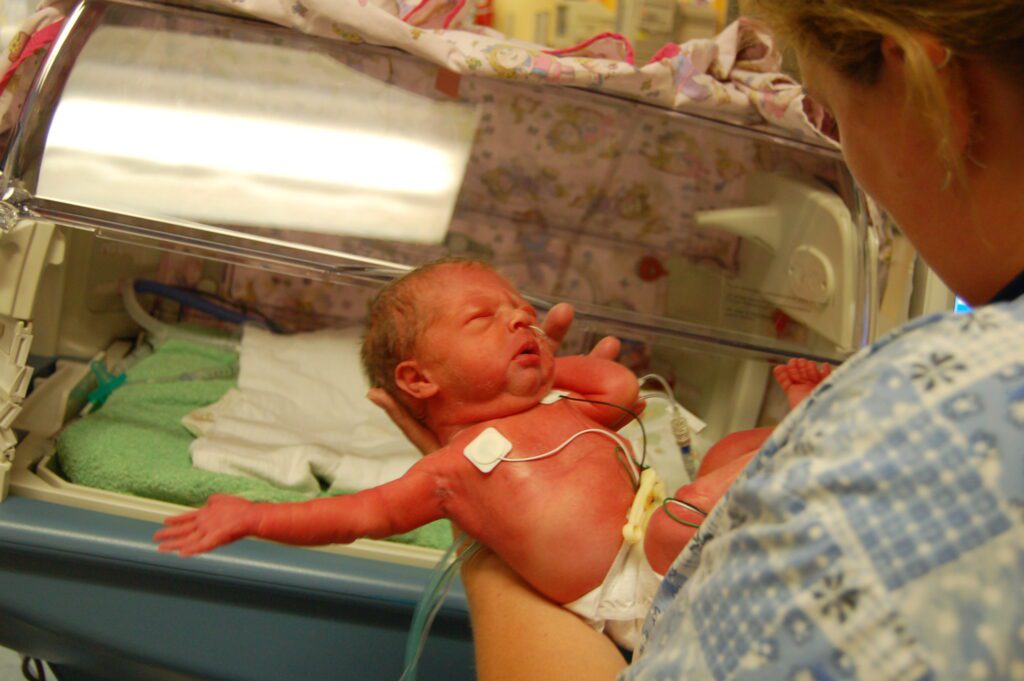
BC is funding IVF, but not the care children need once they’re born. Love is enough. The system isn’t. This is betrayal dressed as hope.
-
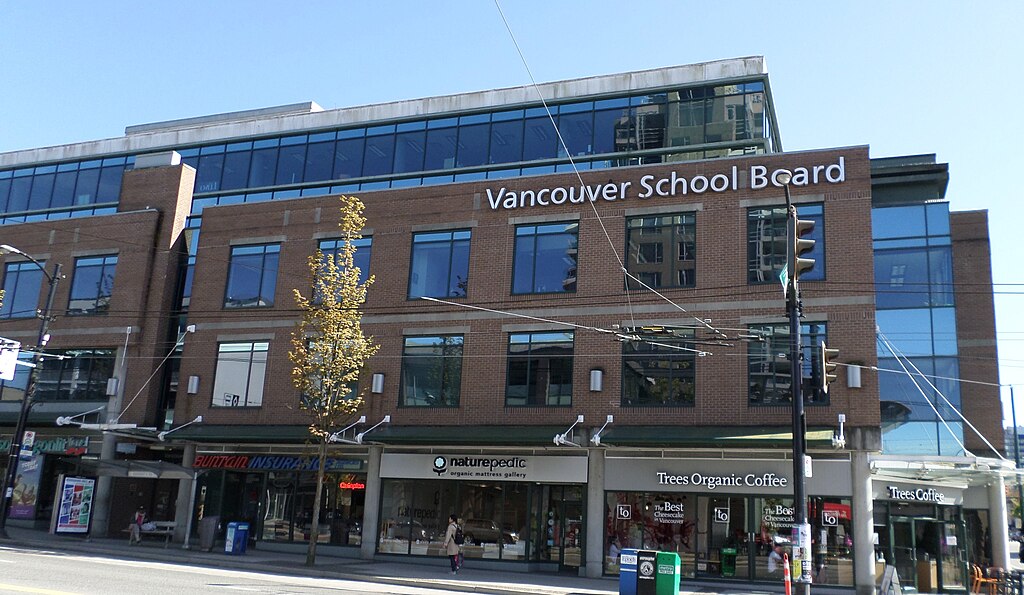
When they knew it hurt, and did it anyway
I was clear. I was specific. I was unwavering. I told the Vancouver School Board that I believed behaviourist strategies were harmful, violated my child’s dignity, and contradicted our family’s ethics—and that continuing to use them without consent would cause further harm. They used them anyway. Over and over, the school district returned to strategies…
-

Columneetza Junior Secondary (SD27 Cariboo‑Chilcotin): a neurodiversity‑informed conduct critique
Columneetza Junior Secondary School 2024-2025 Code of Conduct affirms a mission of fostering respect, individual growth, and a sense of belonging within both school and community. It names safety, caring, and order as essential conditions for “purposeful learning.” The document outlines rights, responsibilities, and behavioural expectations for students and broader school actors, including parents and…
-

The moral cost of leaving children in fight-or-flight
Robin was eleven the day he fell and came up swinging. It was recess, and something had happened—a misstep, a bump, a collision on uneven ground. His body hit the pavement. And when he rose, disoriented and humiliated, the first thing in his path was his best friend. So he struck him, over and over.…
-

She graduated and this is what she learned
On raising a badass advocate, unintentionally. I didn’t set out to raise an advocate—I set out to raise a child. A child who might feel safe in her body and steady in her breath, who might look out at the world and feel drawn toward it rather than braced against it, who might trust her…
-

Gaslighted by proxy: how schools grant coercive power to the quietest parent
When one parent advocates and the other undermines, the school almost always aligns with the one who “gets along.” Not because that parent is more informed, more accurate, or more protective—but because they are easier to accommodate. They agree easily. They stay quiet. They don’t write long emails. They rarely attend meetings. They couldn’t draft…
-
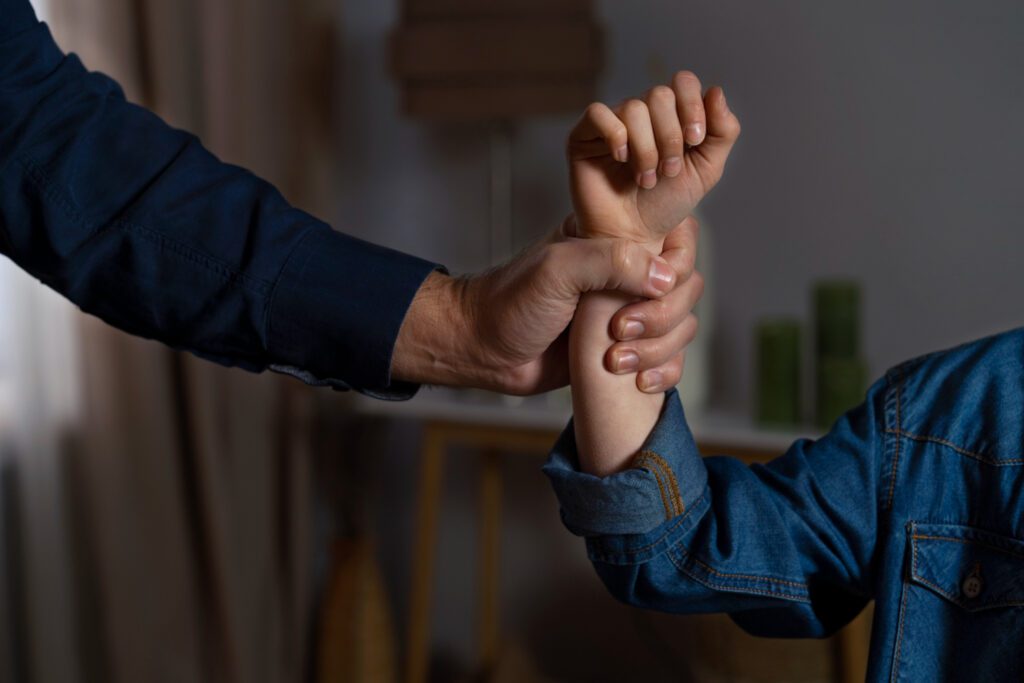
The path to justice: legal versus public record
The courts may offer compensation, but rarely truth. The legal path demands silence in exchange for settlement. The public path asks you to speak while you’re still bleeding. Neither is easy. But only one builds a record that helps the next family survive.
-
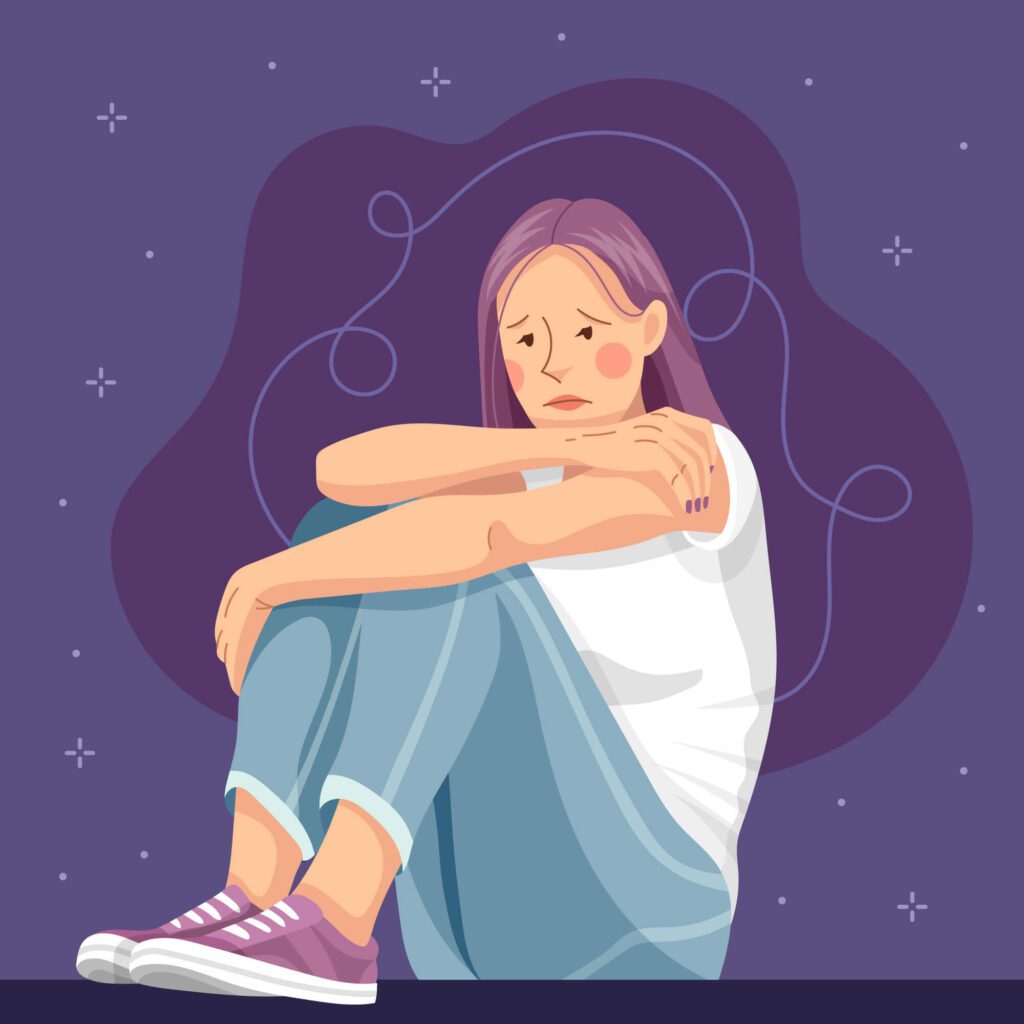
The bait and switch: What inclusion really looks like at the VSB
Every September, I walk into school meetings with the same cautious hope. We’ve done everything right. The diagnoses are up to date. The IEP is in place. The reports are filed — more than thirty of them over the years, from audiologists, psychiatrists, speech-language pathologists, behaviour consultants, and occupational therapists. You’d think that would mean…
-
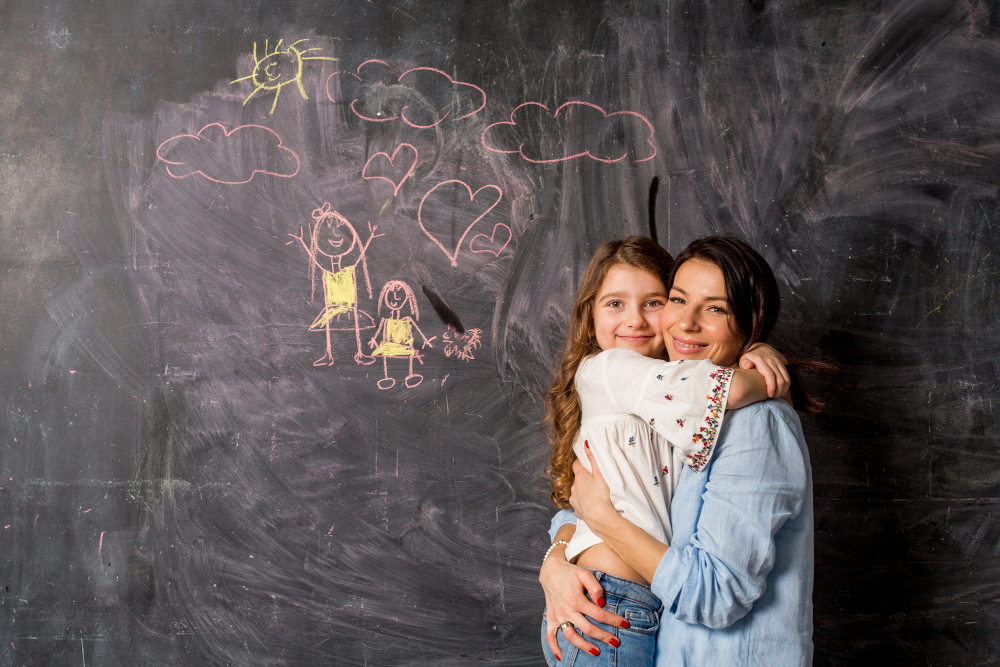
The end of the school year never feels like a celebration
We are scouring the comments for signs that our kids are OK. Supported. Happy. Trying not to spiral when we read ‘developing’ or ’emerging’ or don’t see the words, ‘It was a pleasure to have your child in my class this year.
-
What would it really cost to fix the problem?
We talk so much about the cost of inclusion—as if it’s indulgent, optional, something that must be justified—but we rarely talk about the cost of exclusion. And those costs are everywhere: in emergency rooms, in overburdened case files, in classrooms where distress goes unseen. When schools can’t support disabled students, families fall apart trying to…