

Classroom Exclusion
Informal or undocumented removal from class—such as hallway work, buddy rooms, or repeated “take-a-break” demands—often targeting students with unmet support needs.
-

The poison of silence: on complicity, healing, and speaking the truth
I had so much pain stuck in my chest and throat. Cancelled screams. Unsaid truths. Every meeting where I stayed quiet, every time I swallowed my words to seem reasonable, every time I hoped that portraying myself a certain way might stop my children from being harmed—those moments didn’t disappear. They got stuck. I stopped…
-

We shouldn’t be enemies
I took my daughter for a manicure this week. She’s graduating from grade 7. A milestone. A moment that felt almost ordinary—slideshow, applause, plastic chairs, nervous grins—and yet there was nothing ordinary about what it took to get there. Vocabulary for what happened Class change She spent seven months of this school year outside the…
-

On graduation and the grievability of disabled children
I’ll try to be normal at my daughter’s graduation, even as I grieve a system that quietly erased her twin and expects no one to notice.
-
Galiano Community School (SD64): a neurodiversity-informed policy critique
The 2022–23 Code of Conduct for Galiano Community School is unusually rich in aspirational language. It describes a community of care rooted in mutual respect, emotional development, and responsive teaching. It affirms the BC Human Rights Code, references Positive Behaviour Support, and anchors its behavioural framework in the values of SOLE—Respect and Care for Self, Others,…
-

Not everyone gets a slideshow
He should have been graduating too, but he isn’t. After years of support that never arrived, of being punished for distress instead of helped through it, my son left school quietly—while the world carried on with its ceremonies, its slideshows, its celebrations of children who were never forced to disappear in order to survive.
-
When harm comes from those entrusted to protect
The May 2025 consent resolution involving B.C. principal Pehgee Aranas offers a sobering reminder of the work that remains to make education safe, equitable, and trustworthy for all children—especially those from communities that have been historically harmed by the very institutions meant to support them. When a young First Nations student was physically punished by…
-

Cariboo–Chilcotin School District (SD27): a neurodiversity-informed policy critique
Cariboo-Chilcotin is one of the most geographically dispersed and demographically complex districts in British Columbia. Spanning small rural towns and remote Indigenous communities—including sites of historic and intergenerational trauma—SD27 faces significant challenges in providing consistent, inclusive, and safe environments for all learners. In June 2024, the Board adopted Policy 390: Safe and Caring School Communities, replacing…
-
Right to no discrimination
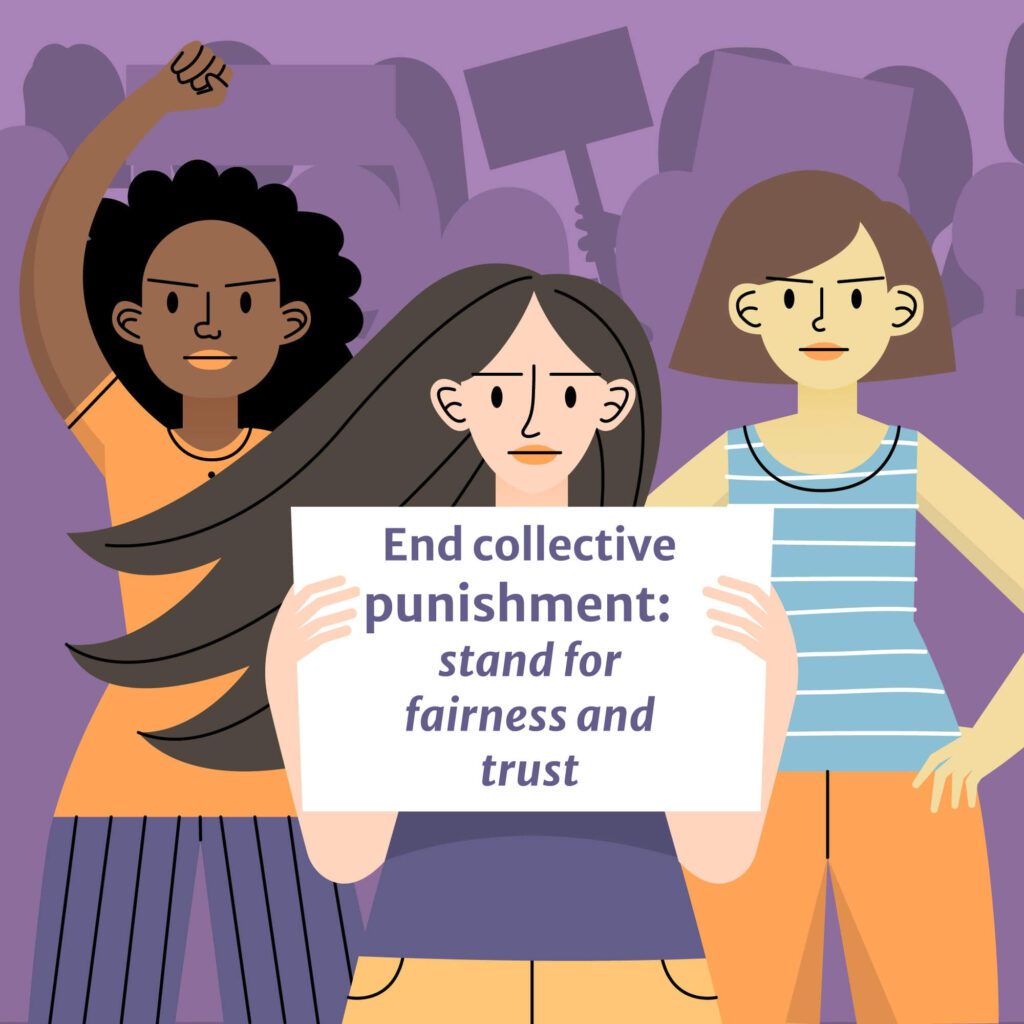
Every child has the right to learn and belong at school without being treated unfairly because of who they are. In British Columbia (B.C.), this Right to No Discrimination means public schools must welcome all students on equal terms, regardless of their race, Indigeneity, colour, ancestry, place of birth, religion, family background, sex, sexual orientation, gender identity, disability,…
-

Arrow Lakes School District (SD10): a neurodiversity-informed policy critique
The Arrow Lakes School District’s Policy 310, “Expectations for Student Conduct,” presents a succinct framework grounded in the language of safety, mutual respect, and orderly environments. It affirms the importance of rights-based protection against discrimination and sets the expectation that all schools will maintain up-to-date, locally developed codes of conduct. It allows for discretion, acknowledges…
-
Trust undone: how collective punishment breaks the heart of the school
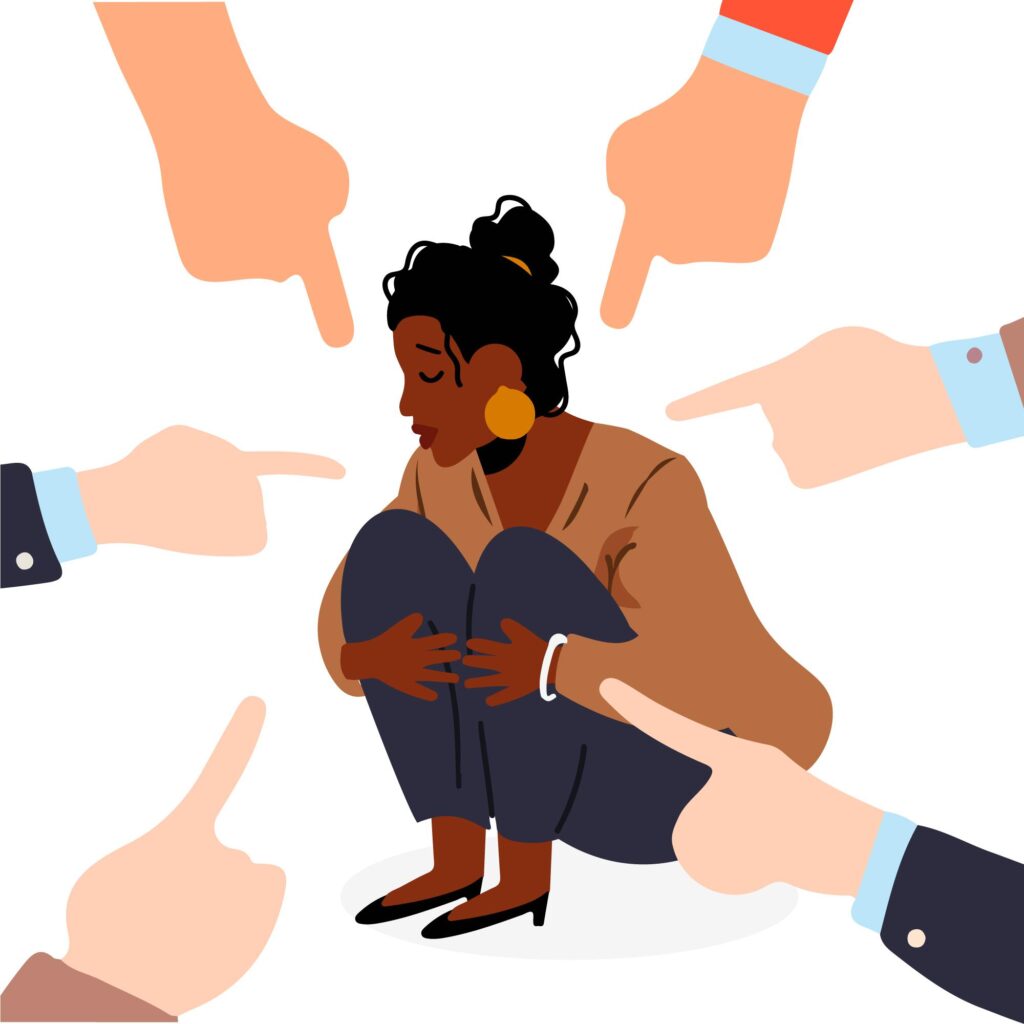
There is a kind of harm we don’t always name. Not bruises. Not bad grades. Not exclusion on paper. It is the slow unravelling of something more fragile—trust. The felt safety between a student and their teacher. The invisible thread between classmates. The quiet assumption that school is a place where fairness lives. Collective punishment…
-
Why school advocacy is a women’s issue
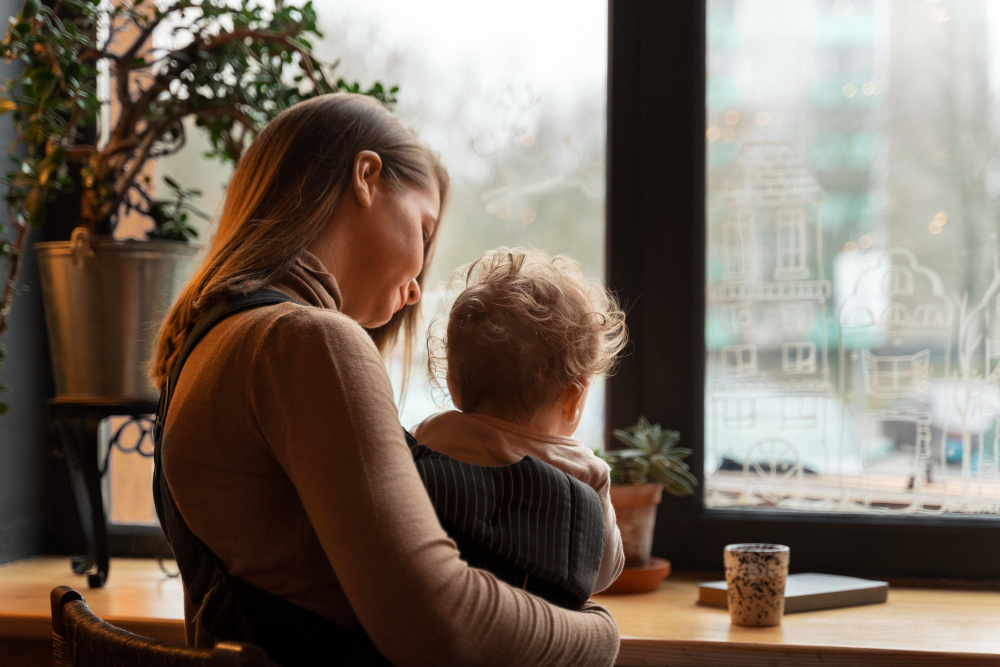
This site exists because public education systems harm children—and then gaslight the people who try to stop it. Those people are not randomly distributed. They are overwhelmingly women. Advocacy is a women’s issue not because women are naturally better at it, or more available, or more nurturing. Advocacy is a women’s issue because institutions depend…
-

The long shadow: A history of punishment in Canadian schools
Public education in Canada is often conceptualised as a progressive force—an equaliser, a promise of inclusion. But beneath the surface of this narrative lies a long, often unbroken history of exclusion, coercion, and punishment. Canadian schools have long been sites of control, where discipline was not merely corrective, but foundational to how institutions understood their…
-
Sir Richard McBride Annex (SD39): a neurodiversity-informed policy critique
Sir Richard McBride Annex’s Code of Conduct, reviewed June 19, 2024, commits to fostering a “safe and inclusive place for all,” aligning with the VSB District Code (AP 350). It affirms the BC Human Rights Code, outlines community-wide expectations, and recognizes that “special considerations may apply to students with special/diverse needs” when they “are unable to comply… due to having…
-
Beyond blame: reimagining discipline in a trauma-informed world
Collective punishment is neither effective nor ethical. It disciplines the group for the actions of one, eroding trust and reinforcing the very dynamics of power and fear that trauma-informed practice seeks to heal. In its place, we need something older and deeper—an approach to discipline rooted in relationship, regulation, and repair. Indigenous teachings and relational…
-
A landmark case for educational justice in BC
The May 2025 decision from the BC Human Rights Tribunal in Parent obo Student v. BC Ministry of Education and another, 2025 BCHRT 112 carries profound implications for families fighting systemic discrimination in education—particularly those challenging collective punishment, exclusion, and partial-day attendance programs imposed on disabled students. While the complaint against the Ministry was dismissed, the Tribunal…
-
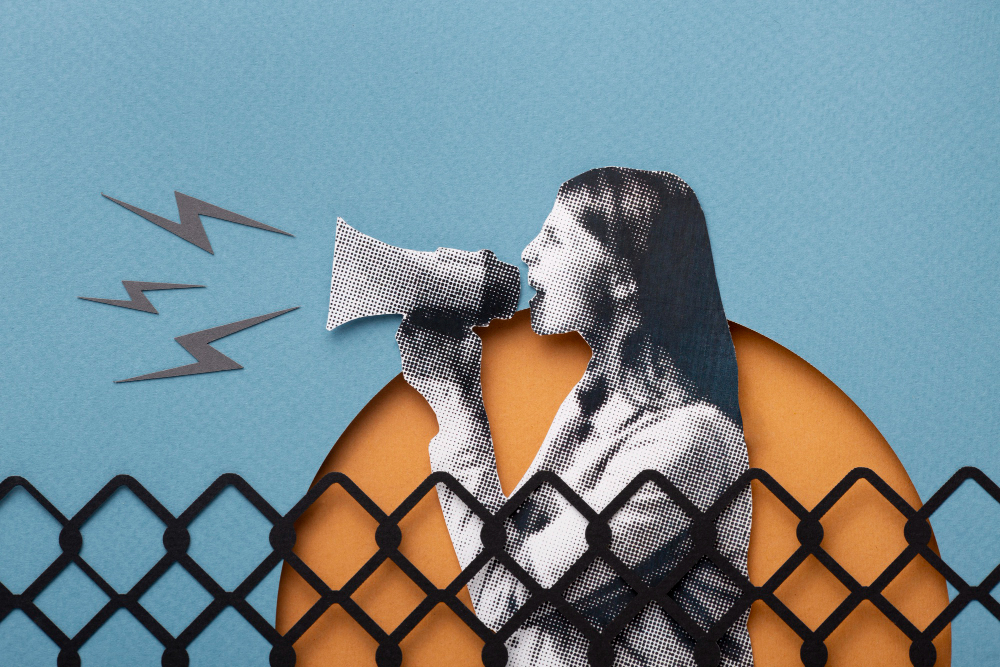
“I didn’t even do anything wrong”: student voices on collective punishment
Collective punishment in schools often silences individual experiences. Yet, platforms like Reddit provide a space where students share their stories candidly. Below are excerpts from various Reddit threads that illuminate the real-world effects of collective punishment.
-
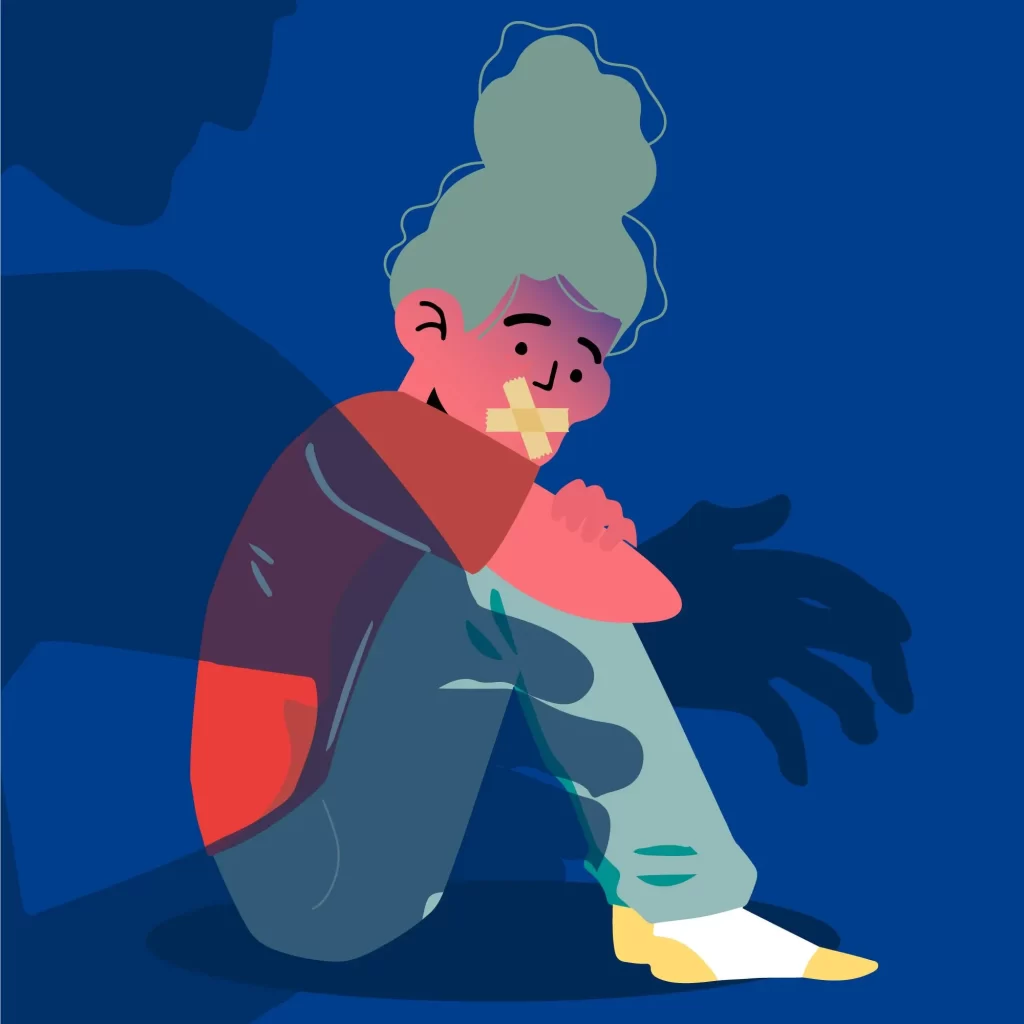
Rethinking accessibility leadership, training, and labour in BC public education
In accessibility work, most transformative insights come directly from disabled people. Lived experience is primary data; manuals and metrics are, at best, secondary literature. In schools, teachers are experts in pedagogy, yet few are trained in disability or neurodivergence. That absence is not incidental—it is engineered, and the consequences are everywhere. The current failure—and promise—of…
-
Performative accessibility in British Columbia public education
Too often, accessibility in schools is performance, not practice. Symbolic gestures and endless buzzwords cannot replace the courage to name harm, take responsibility, and commit to structural change. Until then, access plans remain brochures—and inclusion a stage set.
-

Grievability and legitimacy in BC Schools
Disabled children are being pushed out of public education—and their families are picking up the pieces. This post examines who is seen as worthy of support, what it costs when systems abandon care, and why the quiet exodus from schools is not a choice, but a failure of justice.
-
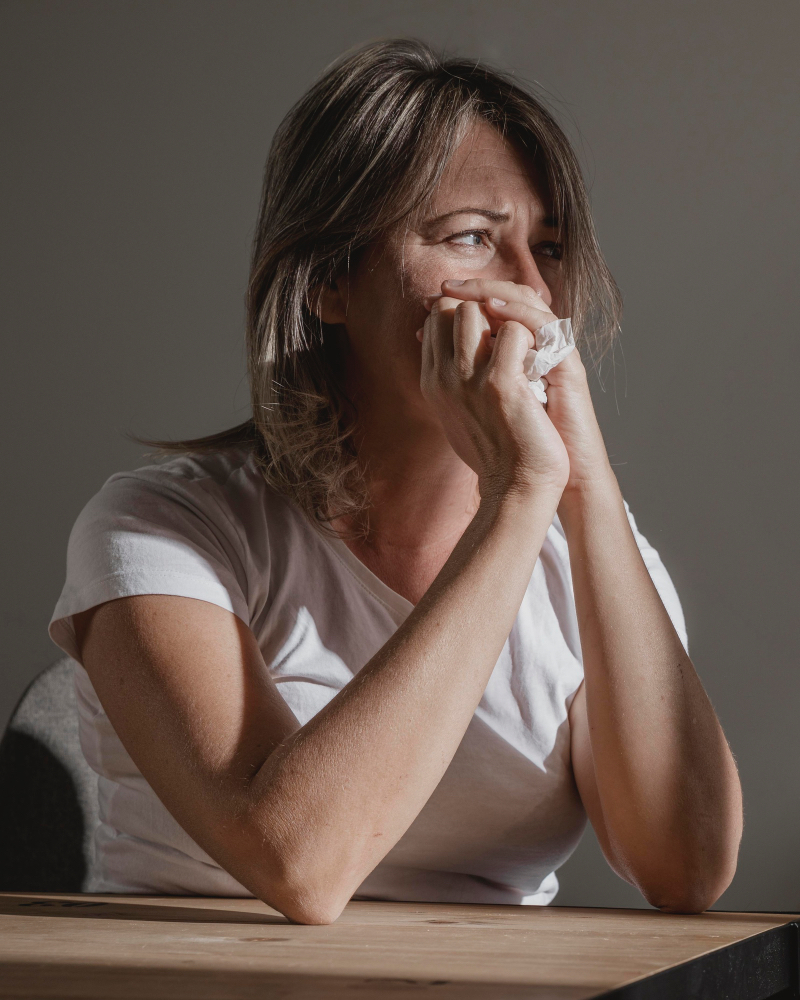
The politics of politeness: how tone-policing silences parent advocates
When a parent dares to speak plainly about harm—especially when that harm is systemic, ongoing, and inflicted upon a disabled child—they are swiftly met with a familiar response: watch your tone.