

Compliance over care
When school responses prioritise a child’s outward compliance instead of their well-being. A family’s concern about distress is reframed as disruptive to classroom order.
-

The return of functioning labels: How austerity turns advocacy into competition
A parent recently posted about profound autism, describing the experience of having her son’s reality erased when people say that “profound autism” doesn’t exist. Her frustration is legitimate—parents of children with intensive, lifelong support needs face profound institutional abandonment, and “profound autism” names a reality that deserves recognition and resources. But her post also illustrates…
-

Why I won’t stop in 2026
The principal used collective punishment against my child almost two years ago, and yet I remain unreconciled to what she did. People suggest moving on, starting fresh, forgiving. Schools are obsessed with ‘fresh starts,’ framing each September as reset opportunity, as though institutional harm dissolves at arbitrary calendar boundaries. My daughter carries what happened in…
-

The principal’s casualness reveals authorisation to harm
When a principal cancelled my daughter’s volleyball game with bureaucratic ease, her comfort while causing harm revealed systematic institutional authorisation.
-

Your child’s teacher crossed a line. The school shrugged. Now what?
Every time my phone lights up with a call or email from the school, my stomach drops. I brace automatically: Is it another subtle threat? Another criticism of my parenting disguised as “concern”? Another make-work task to “fix” a problem they created? After years of this, I’ve learned to navigate school communication in a state…
-

Designed for denial the architecture of accommodation refusal
Designed for denial describes systems structured so that refusing accommodation is the path of least resistance, the default outcome, the architecturally embedded response to requests for support. These are systems where saying no requires little justification, documentation, oversight, or consequence, while saying yes requires the requester to overcome multiple barriers, satisfy gatekeepers who are not accountable…
-

How FESL enables ongoing exclusion of disabled children
In 2020, the British Columbia Ministry of Education and Child Care brought into force the Framework for Enhancing Student Learning, a policy architecture ostensibly designed to guide the province’s approach to continuous improvement in public education, with particular attention to improving equity for Indigenous students, children and youth in care, and students with disabilities or diverse…
-
The affective architecture of room clears
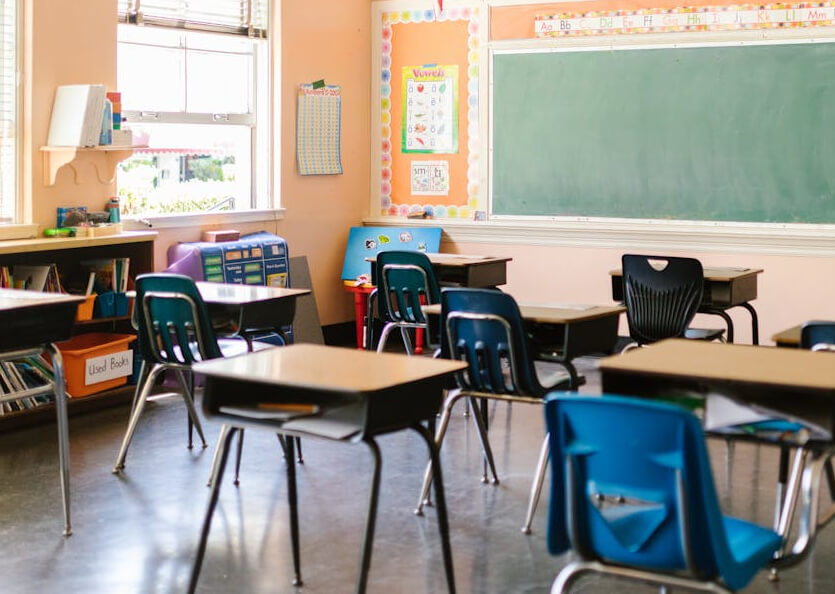
Room clears should be rare. In adequately resourced classrooms with sufficient staffing, with educational assistants trained in co-regulation, with adults who understand that compliance is not wellness and frozen silence is not calm, most crises could be prevented or held without architectural intervention. But British Columbia schools operate under manufactured scarcity, austerity politics disguised as…
-

Positive behavioural interventions and supports: a behaviourist rebrand
Positive behavioural interventions and supports circulates through British Columbia’s public schools with a gentle, polished confidence, offering administrators the comfort of matrices and fidelity tools, offering families soothing language about positivity and predictability, and presenting itself as an enlightened evolution of schoolwide discipline, yet what I see each time I study its structure is the…
-
The behaviourist spine of BC’s urgent-response systems
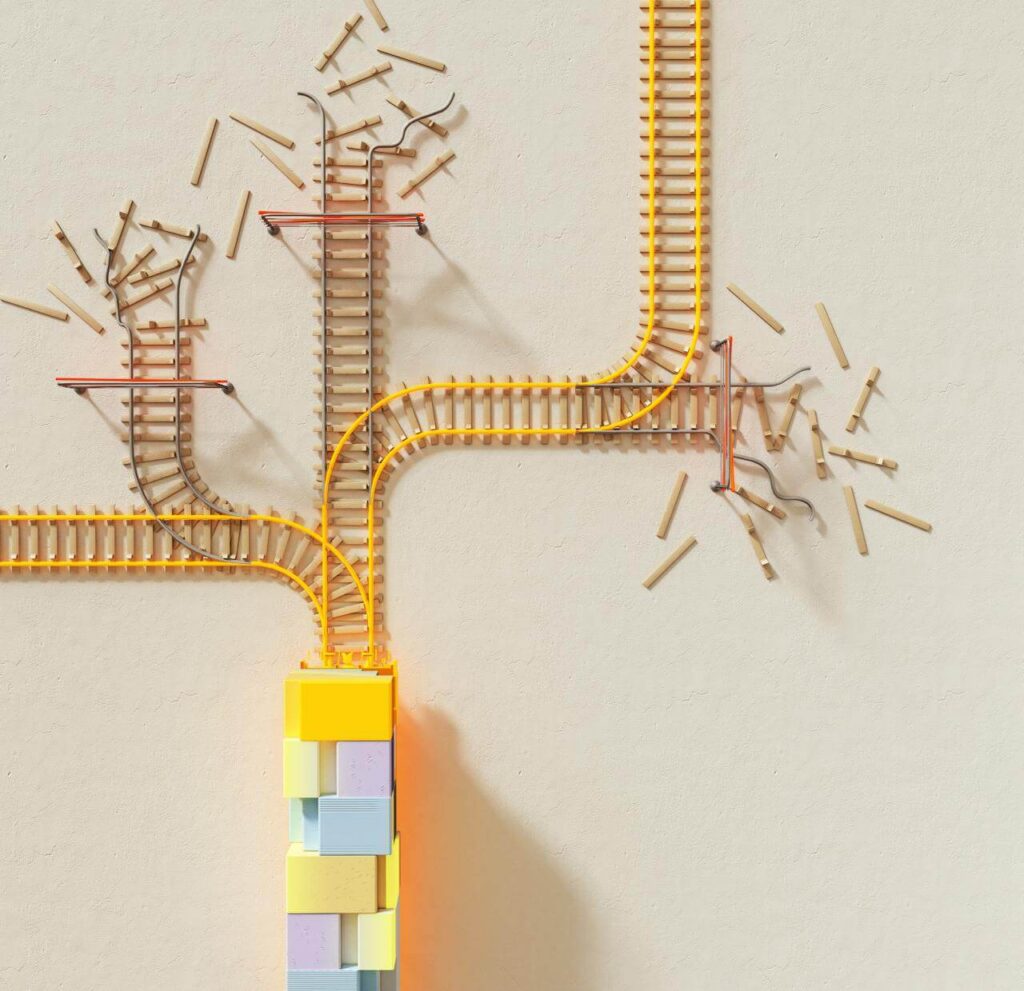
In Urgent behaviour intervention teams in major BC school districts I shared research which identified the intervention teams in many of the larger districts in BC, describing their processes and roles, mostly in the language that they describe their services. This essay attempts to analyse those systems through a disability-justice lens, revealing how roles, processes,…
-

Why the SD23 suspensions report matters for exclusion analysis
While I was looking for more disclosures from school districts to the Ombudsperson, I stumbled on this older document that summarises suspensions in School District 23. The document offers a valuable complement to the exclusion data disclosed by other districts, because it reveals how disciplinary frameworks operate alongside accommodation-framed removals, and this pairing creates a…
-
What research says about school conduct codes and disabled students
This explainer summarises what a small but influential group of scholars have shown about school discipline policies, student codes of conduct, and how these frameworks disproportionately harm disabled and neurodivergent students. It draws especially on the work of Catherine K. Voulgarides, Russell J. Skiba, Daniel J. Losen, David Osher, and Edward Fergus. Where possible, citations…
-
Rocky Mountain School District (SD) inclusion education update
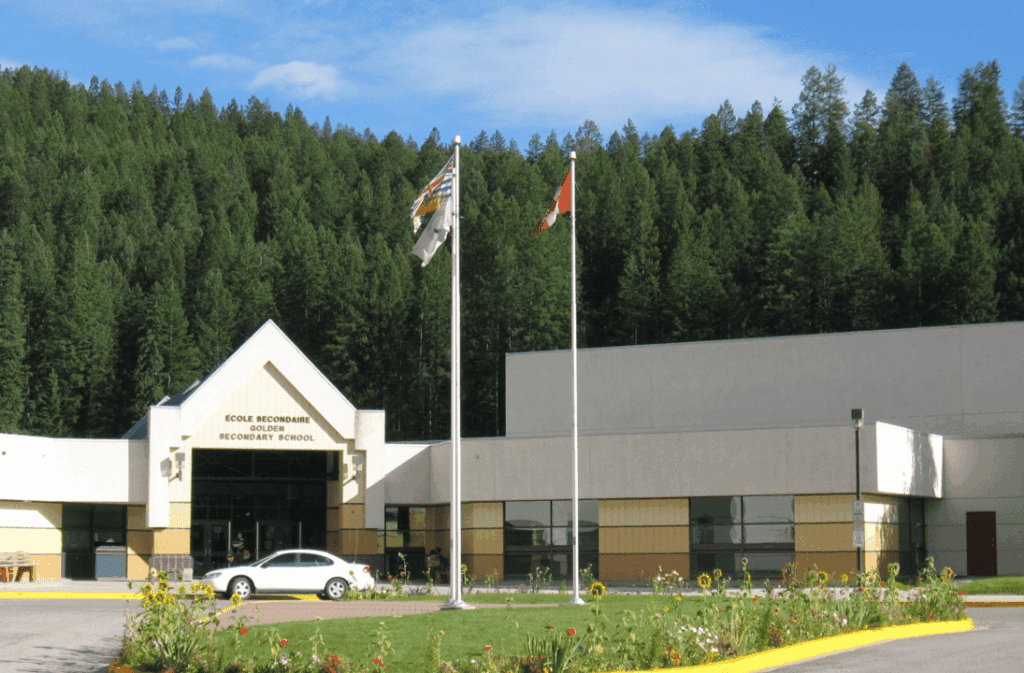
I found an update in the October 14, 2025 board meeting package, starting on page 45. The update opens by outlining the provincial model so trustees and families understand the constraints shaping services. BC uses a model created more than twenty years ago, which places most learning support funding into the general per-student allocation. Only…
-
Pacific Heights Elementary School (SD36): a neurodiversity-informed policy critique
The Pacific Heights Elementary Code of Conduct positions the school as a community of “learners (curiosity, humility, engagement, wonder, delight, creativity, collaboration, passion)” and emphasises “care for self, others, and the environment,” framing positive relationships as “foundational to learning.” This aspirational preface signals a relational ethos. Yet the operational sections reveal a blend of restorative…
-
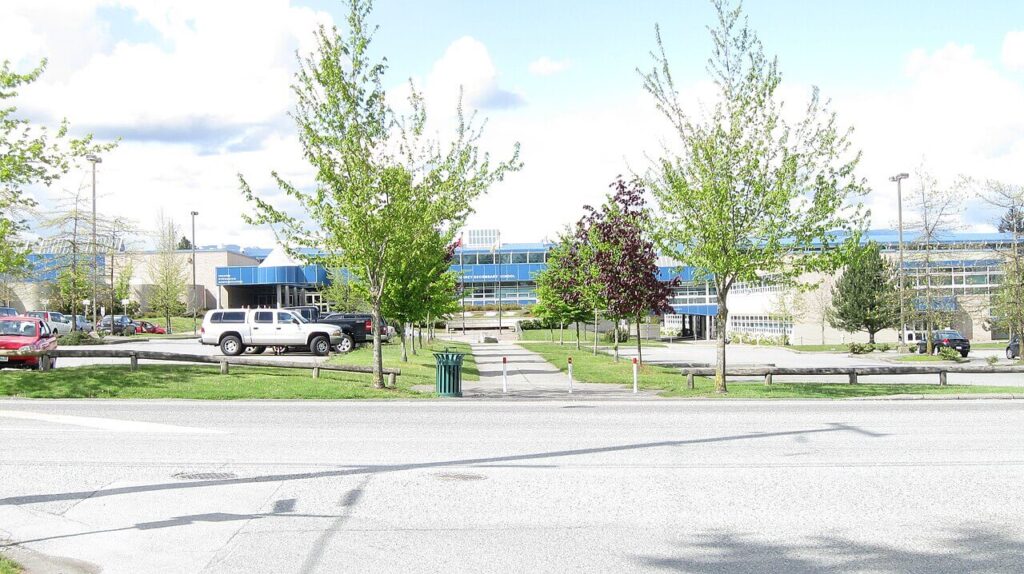
North Surrey Secondary (SD36): a neurodiversity-informed policy critique
North Surrey Secondary’s 2024–25 Parent/Student Handbook presents itself as a practical guide to daily school operations, but its conduct code reveals a disciplinary framework anchored in behavioural control, punctuality, and compliance. Its language reflects a pre-neuroscience understanding of student behaviour, one that frames regulation as obedience, distress as misconduct, and support as conditional upon conformity.…
-
Neural evidence exposes the steep cost of sacrificing vulnerable children to punitive myths
Neural evidence from Altered Neural Responses to Punishment Learning in Conduct Disorder offers a precise account of how punitive school discipline collides with the neurodevelopmental profiles of vulnerable children, because the study shows that punishment learning relies on the anterior insula’s capacity to transform discomfort into behavioural adjustment, and this capacity expresses irregular patterns in the children…
-
Punishment is not a good learning tool
In Altered Neural Responses to Punishment Learning in Conduct Disorder, researchers examined how young people learn from punishment and reward using fMRI and computational modelling, and the findings show that punishment-based approaches produce weak and unreliable learning signals in a significant subset of youth. The study followed 174 young people (ages 9–18) who completed a…
-

How do we get out of this mess?
British Columbia’s education system is breaking, and Surrey’s classroom evacuations—along with the rushed creation of the Classroom Clear Tracker—show how close we stand to systemic failure. Desperate times create desperate actions, and the crisis unfolding in public education pushes people into hurried choices shaped by urgency, fear, and the belief that any action feels better…
-

On children, war, and remembrance
Each November, we are asked to pause—heads bowed, hearts heavy—to remember the lives destroyed by war. Yet remembrance without reckoning becomes ritual, a polished echo of conscience that lets the same moral logic continue unchallenged. Every essay in this series has exposed a fragment of that logic: how endurance became virtue, how obedience replaced empathy,…
-

The architecture of blame
Before my kids were hurt at school and i was left to pick up the pieces, I tried to make things easier for everyone—packing lovely lunches, remembering birthdays, sending notes to teachers, keeping the peace. I thought that being organised and kind could protect us. I thought that if I stayed composed, things would stay…
-

Collective punishment in war and school
Every empire writes its morality through the safety of the bodies of children. Whether on the battlefield or in the classroom.