
Kelly Oliver
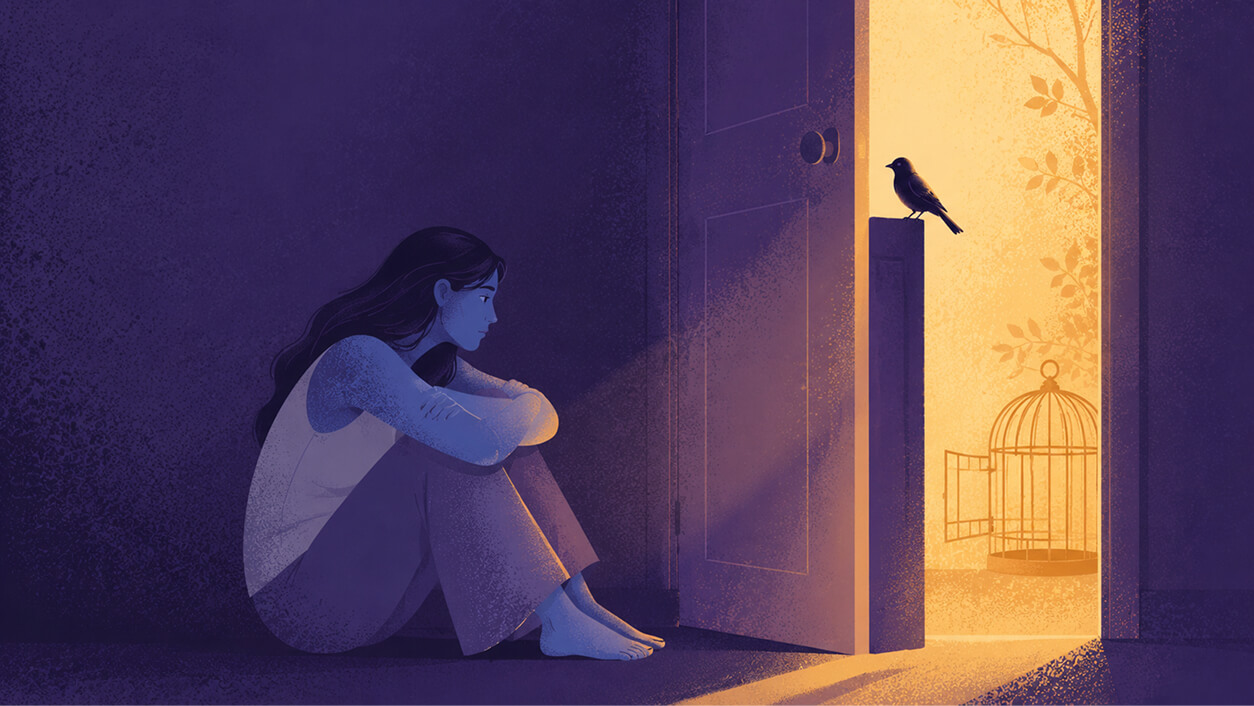
Oliver argues that subjectivity itself depends on a witnessing response—that people become subjects through being recognised as worthy of address, through having their testimony received rather than dismissed. When institutions refuse to witness, they do not merely misunderstand; they undermine personhood by treating lived experience as noise to be managed rather than knowledge to be honoured. For children systematically unwitnessed by schools—positioned as behavioural problems or administrative burdens rather than as persons with authoritative accounts of their own suffering—the parent who bears witness performs foundational ethical labour, preserving the child’s subjectivity in the face of institutional erasure.
-
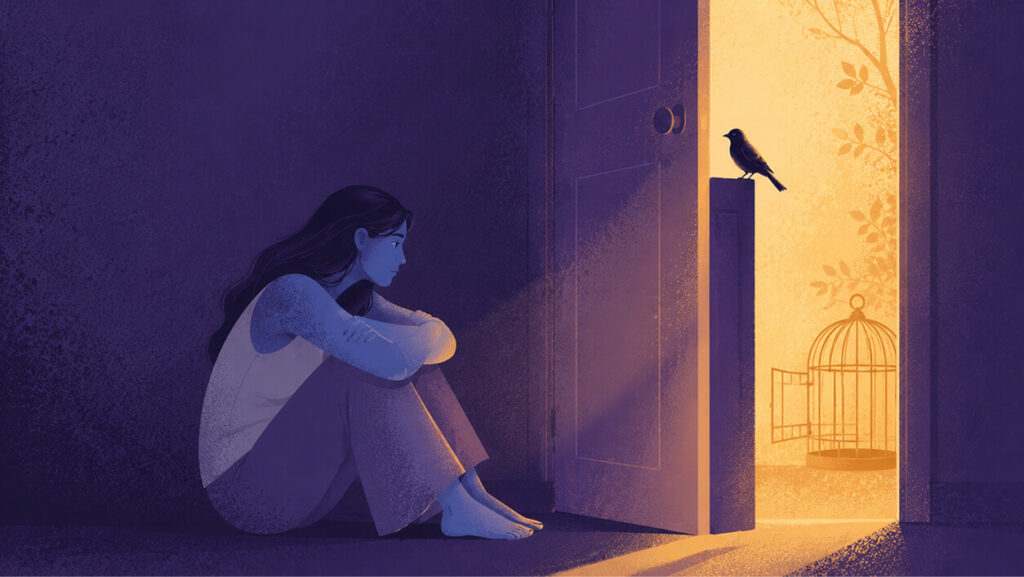
Condition 15: the ethical teacher and the collapse of collective punishment in BC schools
In Milgram’s experiment, 65 percent of people kept shocking a stranger on command. In the variation no one teaches — two authorities, one of them saying stop — the number fell to zero. One dissenting voice in the room stops the cruelty.
-

Try harder, try different
On the pedagogy of “people are not supports,” the research it misreads, and what happens when an idea is transplanted into a starved system.
-
Be pleasant so others won’t get upset
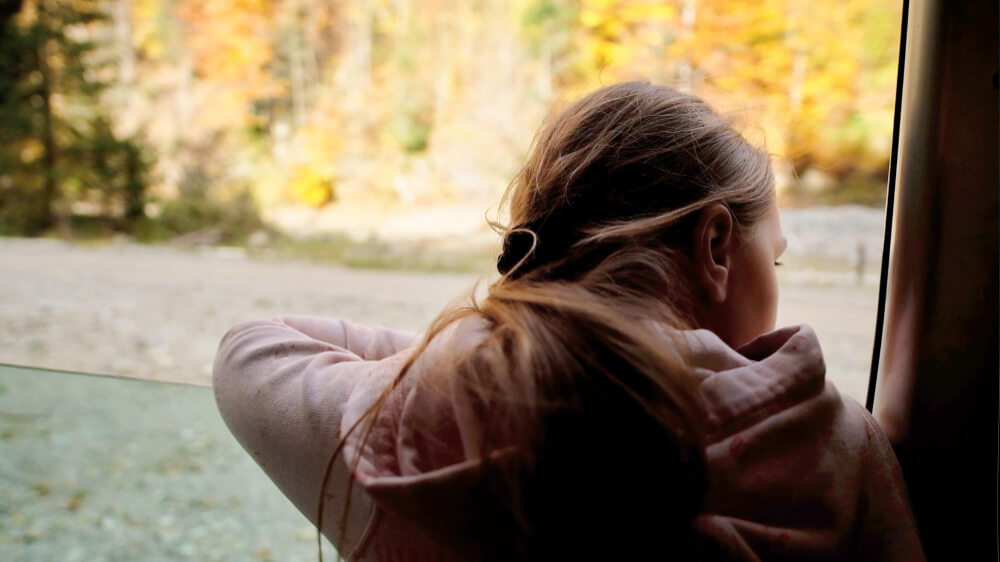
What a twelve-year mortality study measured, and what it accidentally wrote down: the code of conduct every district hands a mother on her way into the room. You learn it in your hands before you learn it anywhere else. At the table you fold them in your lap, you soften your face into the shape…
-
Iatrogenic harm and the parent advocate: how school systems produce disability in the families they fail
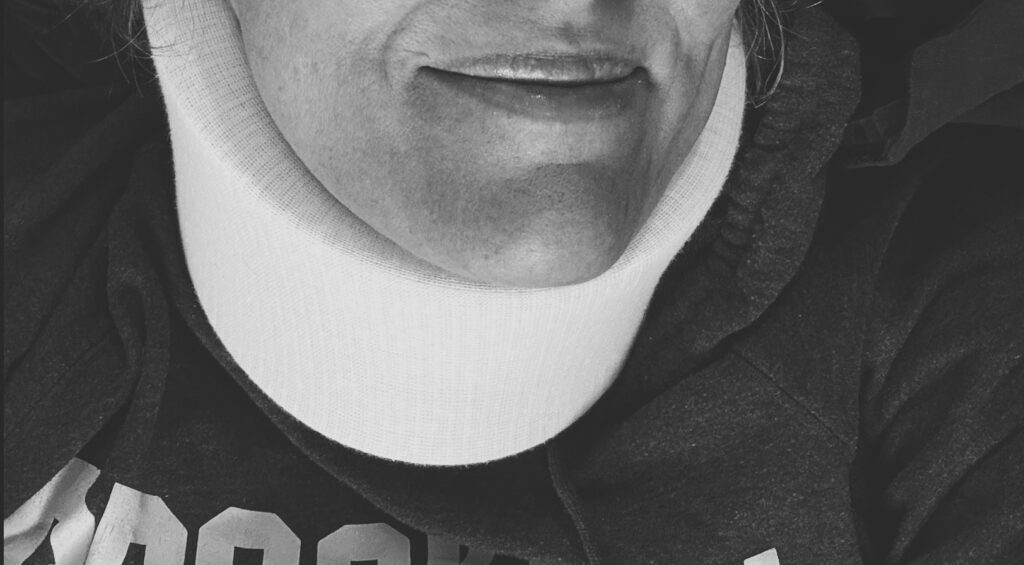
The body keeps the account even when the institution refuses to. What the school system produced in the parent who spent years trying to hold it accountable is not caregiver burden — a word that belongs to the person carrying it — but iatrogenic harm: specific, dated, attributable, and fully known to the institutions that…
-

On subjectivity, vicarious belonging, and institutional violence
Winter light, girls singing, a boy listening from the front seat. A mother tries to witness without interpreting what nine months of isolation cost.
-

The good twin, the bad twin, and the system that needed both
Before school taught them roles, they played tea party—taking turns serving and being served. Seven years later, I can’t say with certainty whether one would fetch the fire extinguisher if the other caught flame.
-
The economics of abandonment
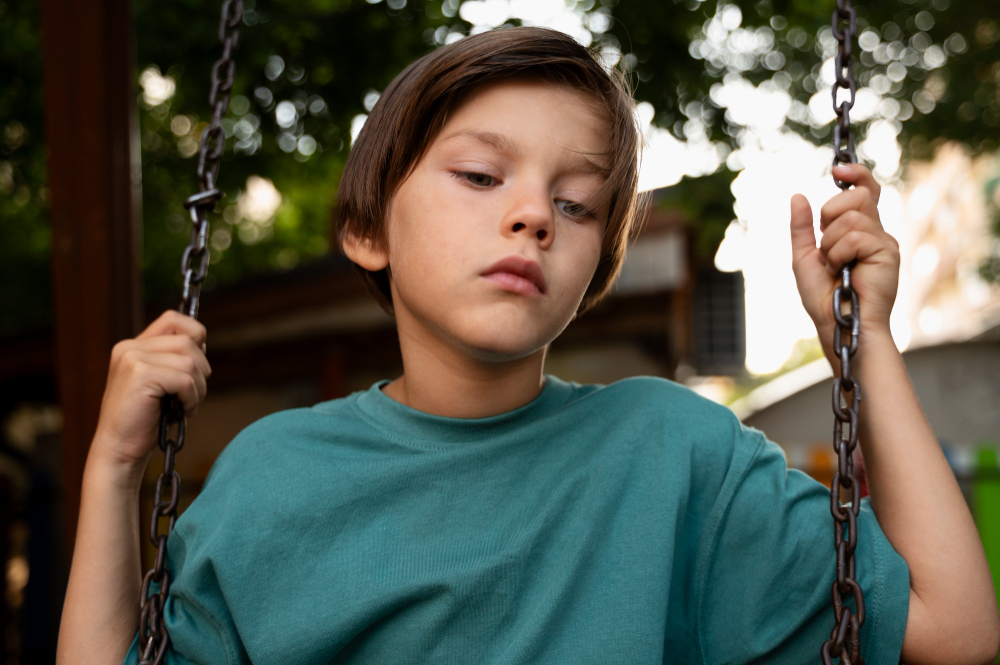
When districts exclude children from school, the funding does not follow the child home. The money remains captured within institutional accounts, redirected toward students who attend, while parents absorb the cost of providing education systems are legally required to deliver. I’ve reduced my income multiple times over the years, rarely being able to work full-time…
-
Debility versus disability: what the system cannot acknowledge
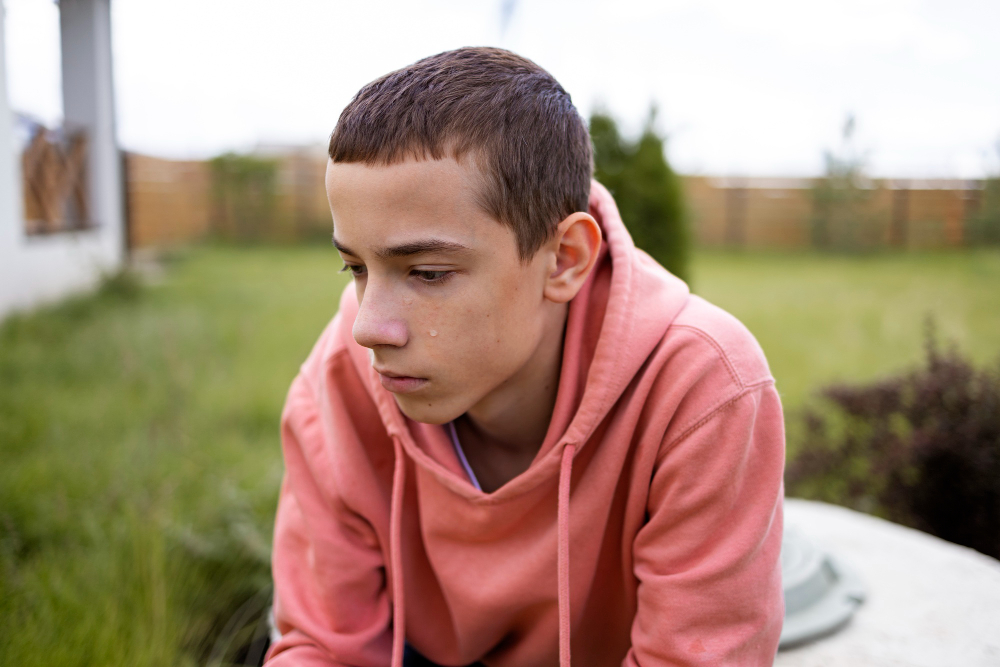
My son Robin took to bed two weeks before March break. He had been soldiering on through the aftermath of a school transfer the district assured us would help him, though his body told me otherwise from the first day he arrived. I’ve seen that kind of shutdown before—at camp, at birthday parties, in classrooms…