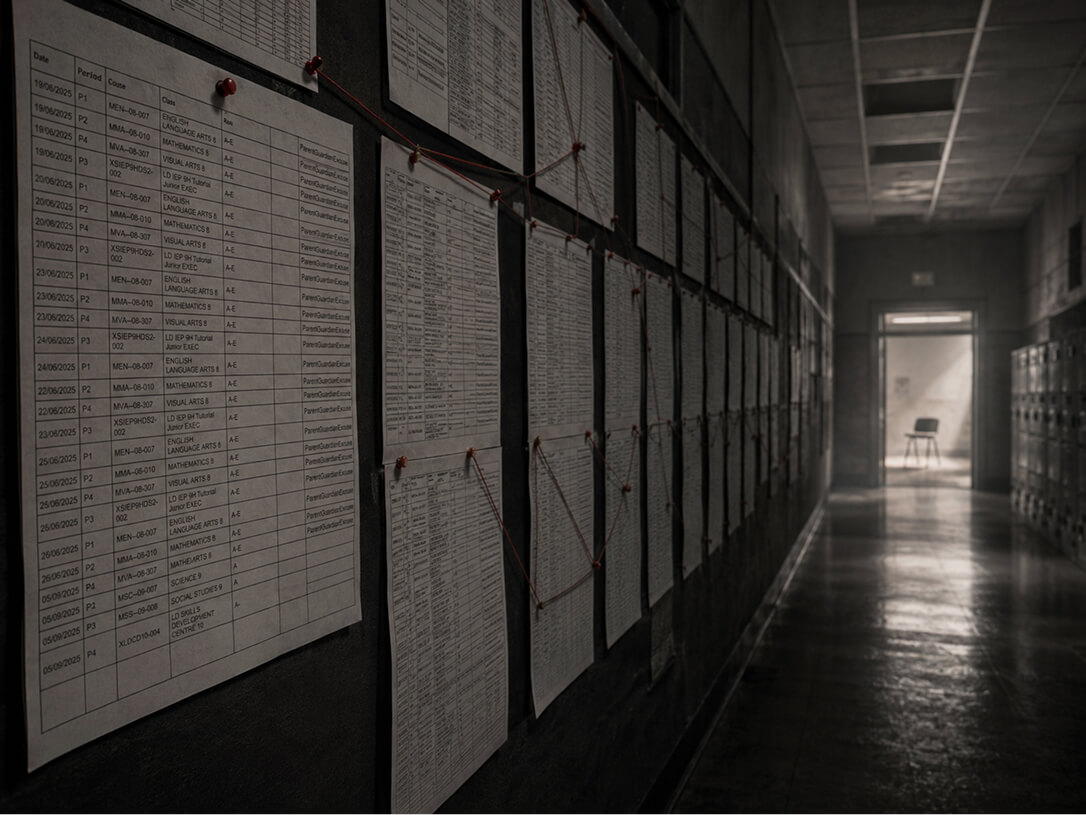
Public institutions deploy a phrase when they want parents kept at distance: nothing has been decided yet. The phrase offers a method for keeping scrutiny outside the room where options narrow and preferences harden without public witness. If nothing has been decided, there exists nothing to disclose, nothing requiring consultation, and no legitimate basis for families to ask questions—until the moment arrives when the decision, while formally unratified, has already been made.
Order F25-85, released recently by British Columbia’s Office of the Information and Privacy Commissioner, exposes precisely how this mechanism operates within the context of Vancouver School Board land decisions, revealing the gap between what boards claim about their processes and what the documentary record actually shows. Parents requested records concerning school-owned land being assessed as potentially surplus, seeking to understand what sites the board was considering and what analysis had been completed. The board resisted disclosure, constructing arguments around prematurity and potential harm, insisting that because no formal decision had been reached, releasing information would confuse the public, damage financial negotiations, and create unnecessary anxiety within communities that might ultimately remain unaffected.
The record tells another story.
-
A billion-dollar empire and children still in portables
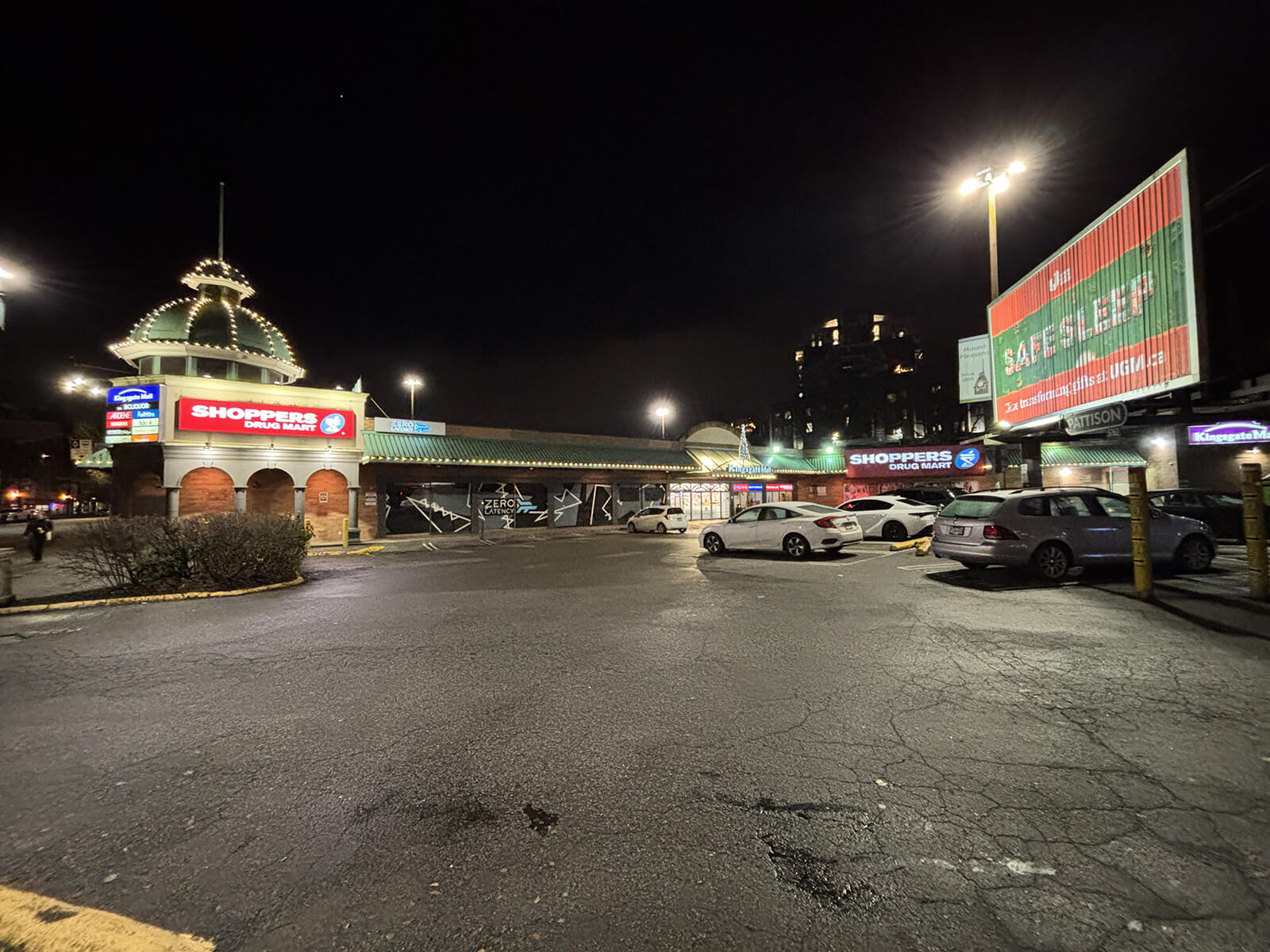
The Vancouver School Board owns 223 properties worth more than $9.5 billion—schools, office lots, apartment units, and even a shopping mall (Postmedia, 2025). And yet every year, we are told there is not enough money to hire enough education assistants. Not enough to…
By the time parents were told there was “nothing to consult on,” consultants had already been hired, land surveys completed, appraisals prepared, and internal analyses circulated. Steering committees had met. Options had been narrowed. The only thing missing was public awareness of which sites were under consideration.
The adjudicator rejected much of the Board’s reasoning, finding claims about confusion, financial harm, and public anxiety to be largely speculative. What emerges instead is a pattern many parents will recognise: information is withheld not because it is sensitive, but because it would invite scrutiny at the wrong moment.
Consultation, when it eventually arrives, happens after the frame has already been set.
This is not unique to land use. The same logic shows up across education policy whenever issues are uncomfortable or contested. Uncertainty is emphasised. Recognition is deferred. Families are told it’s too early to act — even as internal positions quietly harden. By the time parents are invited into the conversation, the range of acceptable outcomes has already been decided elsewhere.
Boards often justify this approach as responsible governance. They say they are preventing misinformation or protecting communities from unnecessary alarm. In reality, they are protecting their ability to manage outcomes without interference. Transparency becomes something to ration, not a baseline expectation.
Order F25-85 makes clear what this costs. When parents have to resort to freedom-of-information requests to understand what their own school board is considering, trust is already gone. FOI becomes a stand-in for genuine engagement, used not to inform debate but to reconstruct it after the fact.
Consultation that only begins once options are narrowed is not consultation. It’s performance.
If school boards want credibility, they need to stop pretending that withholding information preserves neutrality. It doesn’t. It entrenches institutional preferences and leaves families reacting to decisions they were never meaningfully allowed to shape.
The question now is not whether boards are permitted to operate this way. The order shows that many of these secrecy claims don’t hold up. The real question is whether boards will change — or continue to treat transparency as something that only becomes safe once it no longer matters.
-

Protecting the ledger over the learner: operationalising scarcity in BC School Districts
British Columbia’s public schools are mandated to provide inclusive education for all students, but they do so in a context of chronic resource scarcity. Scarcity in education means there are not enough funds, staff, skills, or services to fully meet all student needs. School districts…