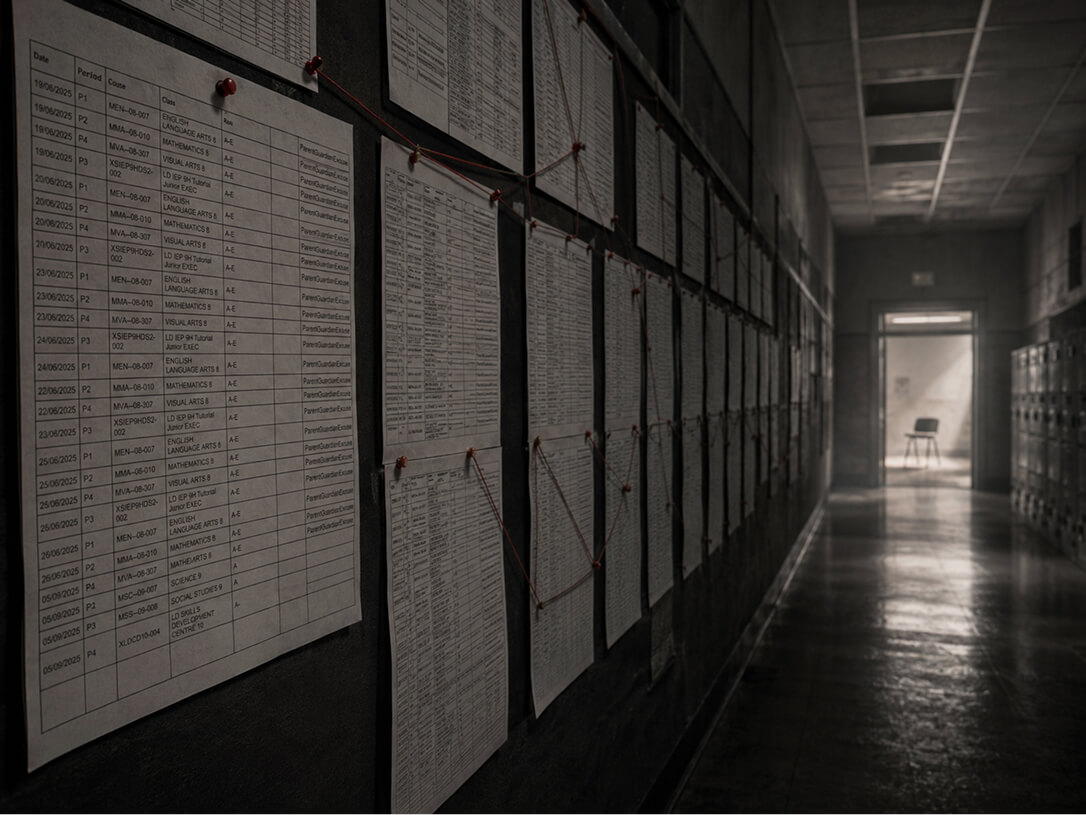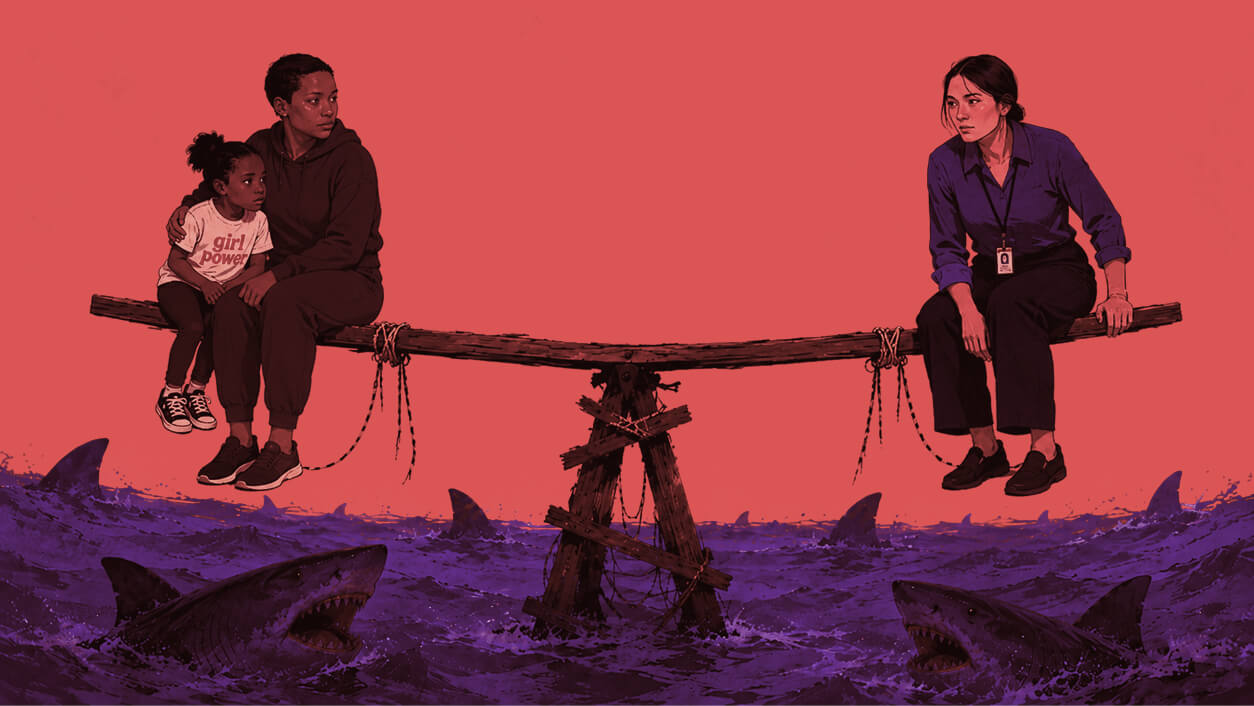
This response confronts the language of trade-offs, where support is weighed against inconvenience, politics, or optics. It exposes how institutional actors rationalise harm through the illusion of neutrality—framing harm as an unfortunate side effect rather than a chosen outcome. When a child’s access is treated like a line item in a balancing act, the cost is always borne by the most vulnerable.
-

Balancing budgets by denying disabled kids support
In British Columbia, we are told that the education system is improving. Budgets are rising. Inclusion is a stated priority. And yet, for families whose children require…
This entry is part of The budget is the behaviour—a series of graded rebuttals that translate common institutional justifications into the language of consequence. Each response challenges euphemism, clarifies impact, and holds decision-makers accountable. Read the full series.