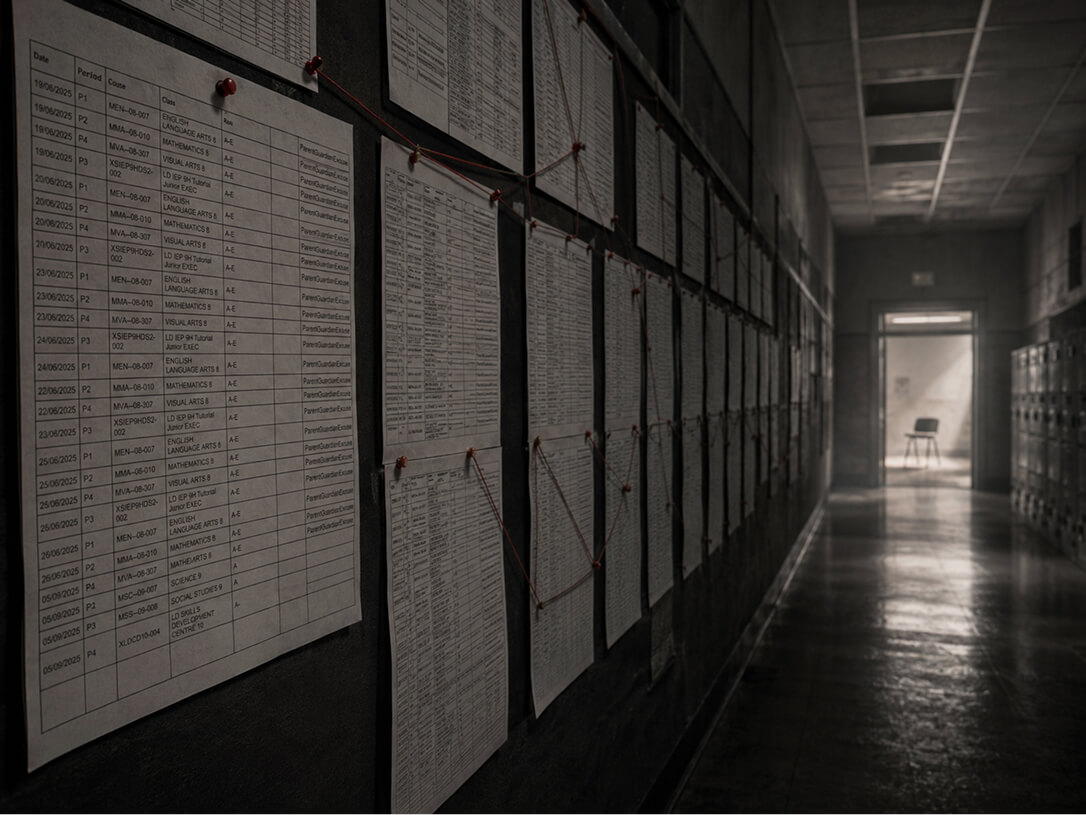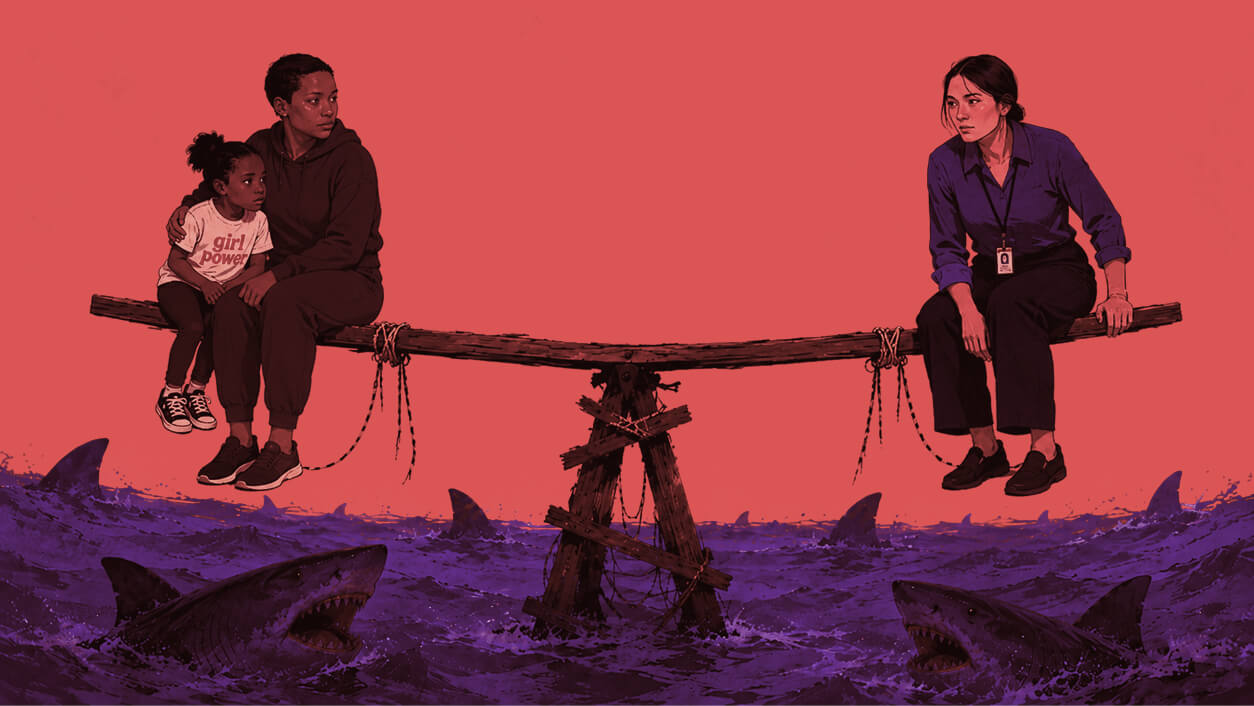
The Canary Collective has published a piece Risk Assessment and Liability Management: The Hidden Function of Complaints that describes the process by which a parent raising legitimate concerns about their child’s education is transformed, through careful documentation and strategic delay, into a risk to be managed rather than a voice to be heard.
The article traces what happens when a complaint enters the system: how legal consultation begins before the concern is even fully understood, how the language of support is deployed to justify containment, how transfers and exclusions are framed as care while the conditions that produced harm remain entirely undisturbed. It names the alignment between administrators navigating career pressures and institutional cultures that reward stability over truth, the way educators who break rank face scrutiny and isolation, the way non-disclosure agreements seal the record shut while the practices they were meant to address continue unchallenged.
What strikes hardest, perhaps, is the article’s insistence on centring the students who sit at the heart of these systems and possess the least institutional power to contest them. Children who communicate through behaviour because every other channel has been closed to them, whose refusal and escalation are met with suspension, reduced timetables, and conditional belonging — you can stay, if you are quiet — rather than any genuine interrogation of what the system itself has produced.
“Districts operate with a high level of strategy. Legal consultation is embedded in decision-making, language is chosen carefully, and timelines are extended. Delays are not simply inefficiency. They are a mechanism. The longer a process takes, the more it drains the people trying to navigate it. Energy fades. Resources become strained. What looks procedural is often strategic, and many families eventually reach a point where continuing is no longer possible.”
The Canary Collective
We know this pattern. We have documented it across BC’s sixty school districts, in room clears and partial schedules and safety plans that function as soft exclusion. The Canary Collective’s framing adds a crucial dimension: the complaint process itself operates as a liability instrument, designed to identify and neutralise dissent rather than to investigate and repair harm.
The article closes with a truth that BC families carry in their bodies: that belonging offered on the condition of silence.
Read the full article at The Canary Collective.