

Family Experience
Personal stories from families about the impact of collective punishment.
-
12 ways to tell when a crisis at school is really a failure of support, supervision, or repair
The hardest moments to navigate are often the ones that happen in seconds—but have been building for months. A single moment can change everything. A shove on the playground. A child running out the door. A sharp word or a sudden slap. To someone looking in from the outside, these moments can seem like they…
-
Why schools use collective punishment to stay in control
Some of our articles speak in a more academic voice, especially when we’re naming systems that silence or harm. This is a sister essay to Collective punishment: how schools displace guilt, erase harm, and preserve the collective, written as a more accessible entry point for readers who are newer to the topic or looking for…
-

Why outspoken mothers face retaliation for advocacy in BC schools
Some of our articles speak in a more academic voice, especially when we are naming systems that silence or harm within BC schools. This is a sister essay to Epistemic silencing of disabled children’s primary caregivers, written as a more accessible entry point for readers who are newer to the topic or looking for clarity…
-

7 signs your child (or you) is being positioned as the problem to preserve the group
When a parent becomes too precise, too prepared, or too emotionally honest, the school system may cast them—or their child—as the problem. This essay outlines seven signs that scapegoating is being used to preserve group harmony at the cost of justice, with particular attention to how this dynamic unfolds in British Columbia public schools.
-

The truth shall set us free: healing from institutional violence in BC public schools
Healing doesn’t begin with massages or mindset shifts. It begins with telling the truth about what was done to us—about what it means to watch your child collapse under institutional betrayal, to be praised for your composure while they take away his lifeline. The system demands civility while delivering harm. This essay is a witness…
-

The goodwill ledger: how schools calculate inclusion allotments
Schools in British Columbia keep an invisible ledger—one that tracks not just budgets, but emotions, tone, and perceived worthiness. Families who ask too clearly, too often, or on behalf of more than one child are quickly marked as overdrawn. This essay continues the meditation from Of Sinners and Scapegoats, tracing how goodwill becomes a currency,…
-

Maternal grief, public ritual, and the refusal to behave at the IEP table
I have walked into these rooms again and again—across years, with new principals, new case managers, additional complaints filed, subsequent appeals launched, IEPs dusted off and redrafted in the same language that failed last time. The faces change but the ritual remains. Seven professionals already seated, already laughing, already casually shaking off their last meeting…
-
Looking in the mirror is hard: maternal rage and institutional cowardice
I searched for literature that affirms what I know in my body—that maternal rage can be righteous, grounded, and deeply linked to the betrayal of public institutions. But what I found instead was an avalanche of studies examining how maternal anger harms children. The field catalogues the psychological effects of maternal yelling, tracks the correlations…
-

Epistemic silencing of disabled children’s primary caregivers
Epistemic silencing in BC schools discredits mothers’ knowledge, reframes advocacy as aggression, and erases disabled children’s pain, leaving families punished for truth.
-

Disgusted with myself: how school advocacy erodes self-compassion
Some days I feel my own face harden, the jaw locking and the air leaving my lungs in a clipped exhale, the eyes narrowing into a refusal that feels like muscle memory. It is the same recoil I have seen across the meeting table, the same signal that too much has been brought into the…
-

When “I hate you” becomes a reflex: understanding PDA, nervous system overwhelm, and emotional repair
Parenting a child with PDA (Pathological Demand Avoidance) demands a kind of relational agility that many of us were never taught. This post explores how communication—tone, language, and emotional presence—can be reimagined as care. There are moments in parenting—especially with children whose autonomy is sensitive and whose nervous systems are already carrying the charge of…
-
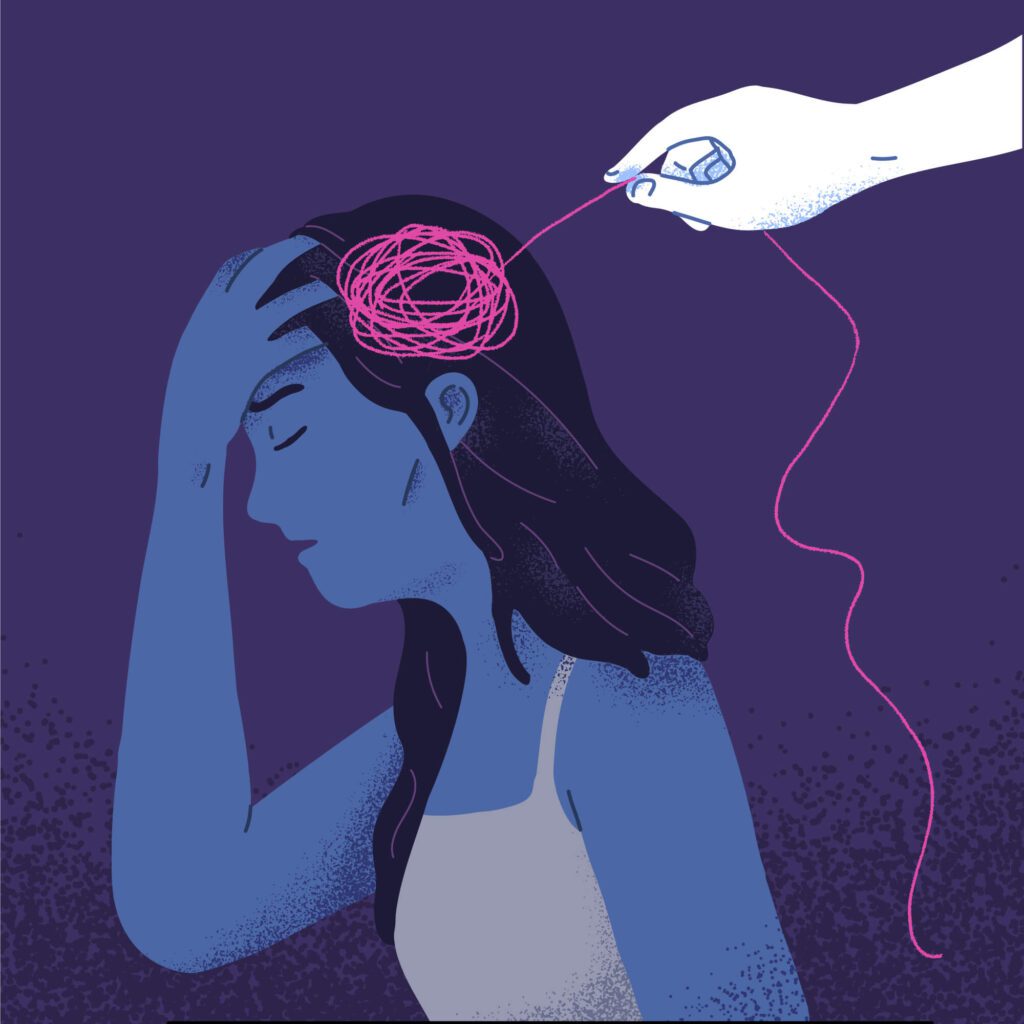
The unseen wounds of advocacy: caregiver burnout, moral injury, and embodied grief
Caregiver burnout in BC schools reflects moral injury and systemic betrayal, as mothers fight exclusion and harm while advocating for disabled children.
-
Fierce is fair: when institutional tone policing meets legal obligation
There comes a moment when a parent begins to speak in plain terms, with no softening edge, no accommodating smile, no fear of being perceived as uncooperative. It’s when you realise that you won’t be liked, no matter how hard you try, because your advocacy positions you as inherently unlikable by schools with their current…
-

Why clarity gets punished
I’ve written about documentation, tone policing, gatekeeping, gaslighting, institutional betrayal, and grievability and legitimacy separately, butsometimes it helps to see those pieces in conversation—because together, they reveal something larger. This post draws together the threads of clarity, competence, and credibility, and asks: why do systems recoil when mothers speak plainly about harm? Why does it…
-

What moves you: An invitation to reflect with Sara Ahmed’s Affective Economies
Many Canadians will recognise the Proust Questionnaire, a set of reflective prompts that began as a parlour game, gained literary gravity through Marcel Proust’s poetic answers, and later became a cultural artefact through Bernard Pivot and Vanity Fair. Though Proust did not create the format, his emotionally precise responses gave it an enduring legacy. This…
-

Against our will: When ‘support’ becomes institutionalised coercion
I said no. I said it plainly, early, repeatedly. I said it in writing, I said it on the phone, I said it from a place of trembling grief and exhausted clarity. I said it as a mother who had already tried everything. I said it after describing the diagnostic framework, after explaining what worked,…
-

When pain gets too close: Affective economies and the emotional cost of advocacy
I have always been someone who made people uneasy unless I carefully managed my presence—someone whose attention lands too directly, whose knowing shows too quickly, whose intensity disrupts the emotional choreography expected of mothers who ask nicely, grieve quietly, and remain grateful for whatever scraps of support are handed down. I carry detail and radiate…
-
On the impossible grace expected in a district appeal meeting
My daughter Jeannie sat in the school hallway for seven months, refusing to go into the classroom until her support needs were met. I filed an appeal in November, and finally—just after spring break—we were meeting to discuss a potential resolution. She’d been through hell last school year, with a boy picking on her and…
-

15 red flags your child’s school is running the playbook on you
How to spot coercive proceduralism before it drains your energy, your trust, and your child’s future. You may have been advocating for your child for months—attending meetings, responding to emails, following every process they set out—yet the accommodations you discussed never seem to appear in the classroom. You might notice your child’s struggles at school…
-

The history of this website
What began as one mother’s refusal to accept the institutional cruelty of collective punishment has grown into a vast, strategic, and emotionally searing archive—a living infrastructure of truth-telling and resistance, built from grief, fuelled by clarity, and shared in solidarity with every family navigating harm inside a system that punishes children for being disabled.