

Family Experience
Personal stories from families about the impact of collective punishment.
-
Double the love, double the discrimination
Public education systems punish families of multiples by forcing impossible choices between their children—often withholding support until one child reaches visible crisis, while the other’s suffering is quietly disregarded. The statistical reality schools refuse to prepare for Schools are rarely prepared for what families of multiples often bring to the classroom: These families often arrive…
-

Debility versus disability: what the system cannot acknowledge
My son Robin took to bed two weeks before March break. He had been soldiering on through the aftermath of a school transfer the district assured us would help him, though his body told me otherwise from the first day he arrived. I’ve seen that kind of shutdown before—at camp, at birthday parties, in classrooms…
-

How to write for your people, not for the institution
If you’ve ever written an email with trembling hands, rehearsed a question in an IEP meeting and swallowed it down, or rewritten your child’s story until it sounded palatable to someone in power—then you already know what it means to shrink yourself for institutional comfort.
-

Structuring your site when your thoughts feel chaotic
A guide to emotional architecture: building a site that honours your spiralling thoughts and empowers your audience. You don’t need to organise your pain into neat folders to begin.
-

Writing about trauma without exposing yourself
A guide to writing in ways that honour your truth, protect your family, and challenge systems without burning yourself out, with concrete tools for staying safe, understanding defamation law in Canada, and deciding what to name and what to hold close—so your story can live in the world without putting you at risk.
-

Where do the ideas come from?
You already have the material. The moment your brain caught fire after a school meeting, the voice note you whispered in your car, the email thread that hollowed you out—these fragments hold more power than you realise. This post is a guide to naming those moments, structuring them into posts, and recognising that your rage…
-
I only asked for gentleness: on parenting a PDA child in a punishing world
There is a certain kind of child—intuitive, emotionally articulate, wired with a startling perceptiveness about power and tone, about coercion and choice, about the invisible terms of adult authority—whose presence in the classroom becomes, almost immediately, a threat to the institution’s rhythm, a disruption to its hierarchy, a mirror held up to its limitations.
-
Insults I could have slung
The gaping mouth of motherhood finally open in a scream. Do you know that feeling—two hours after the meeting, after the disciplinary debrief, after the hallway humiliation—when you finally start to breathe again and suddenly, the sentence arrives? The thing you wish you had said while they were weaponising tone and clipping your sentences short,…
-
On far gone conclusions and participating in a school district’s accessibility committee
You called it collaboration. We recognised the smell of extraction. The invitation: dressed in equity, padded with keywords You summoned us to assist. You issued invitations laced with keywords—barriers, co-design, lived experience, equity—an enticing academic dialect for what turned out to be unpaid policy laundering in a branded container. You framed it as collaboration, spoke…
-

Barriers in the process mirror the barriers we named
We gathered to name the obstacles—but the process itself became one of them. The same systems that silence us replicated themselves in real time, even as we tried to describe their harm. The process was a case study in itself We were invited into a session to name the barriers we faced—attitudinal, structural, policy, communicational,…
-
Introductions are an access issue
Every structure carries weight. And when you ask us to begin with a name and a smile, but offer no container for safety, you are asking us to choose between authenticity and self-preservation. What seems simple is often a site of harm For people whose presence in institutional space is routine and unremarkable—those whose titles…
-
On teachers, trust, and the long unravelling of support
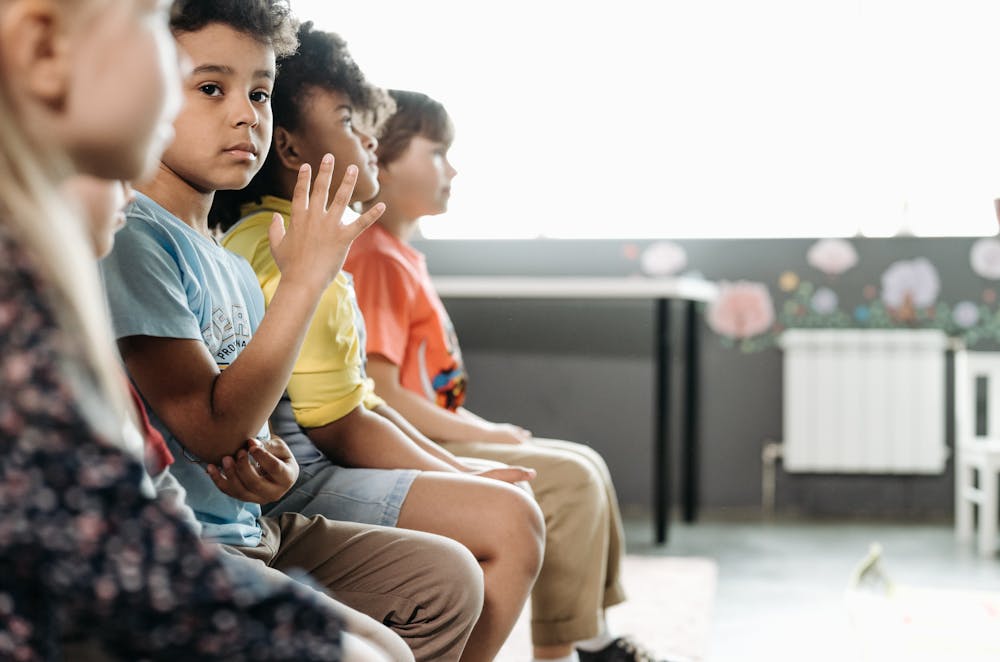
When my children were in kindergarten, they had a teacher who specialised in what I can only describe as an extremely curated performance of niceness—a kind of plasticky, high-fructose charm that made my skin crawl and my muscles tense from the moment I entered the room. Her voice slowed to a sing-song drawl as she…
-
Don’t wait until the lawsuits
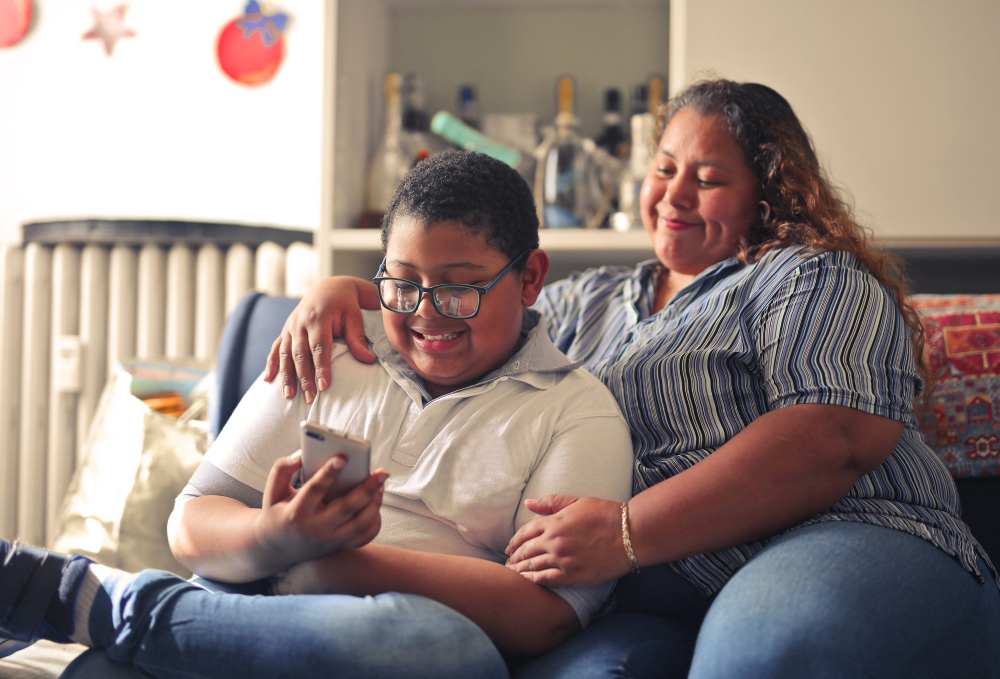
By the time harm becomes legally actionable, it has already become unbearable. If people are still talking to you, they are still hoping you will change. Institutions often ask the wrong question When institutions receive stories of harm—when a parent names systemic exclusion, or a student speaks quietly of despair, or a staff member shares…
-

I am just me: What it costs to show up
If I could have walked away from this institution, I would have—but I couldn’t, and so I came, and the price of showing up was almost everything I had left to give. Showing up is not the beginning—it is the aftermath By the time I appear on your committee call or log into your engagement…
-

Ego has no place in accessibility
This work requires transformation, not performance. Your legacy is not what you protected. Your legacy is what you changed when you were told it was failing. Leave your laurels at the door Accessibility work is not about legacy preservation. It is not about titles or tenure or whether your department once won an innovation award…
-
Poise as pedagogy
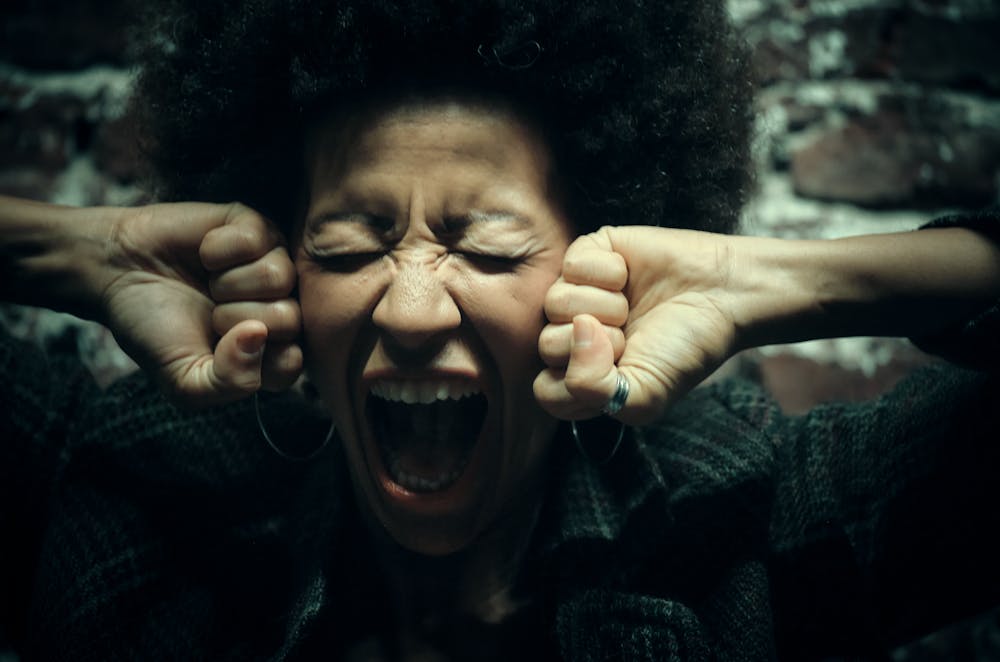
There is a cost to composure that institutions never count. When schools reward mothers for staying calm in the face of harm, they turn grace into a gatekeeping tool and punish those who dare to grieve out loud.
-
The meeting was on their birthday
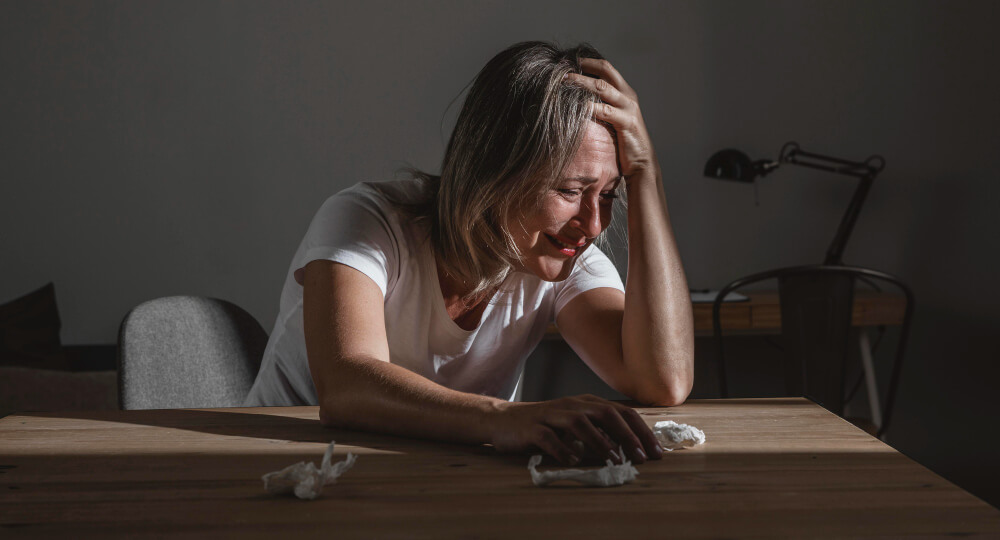
It was the twins’ birthday party day and I was meant to be somewhere soft. I was meant to be preparing a cake, or folding small clothes, or breathing in the warm scent of their hair in that quiet way mothers sometimes do when the day still belongs to them. But instead I was seated…
-
Bound by blood
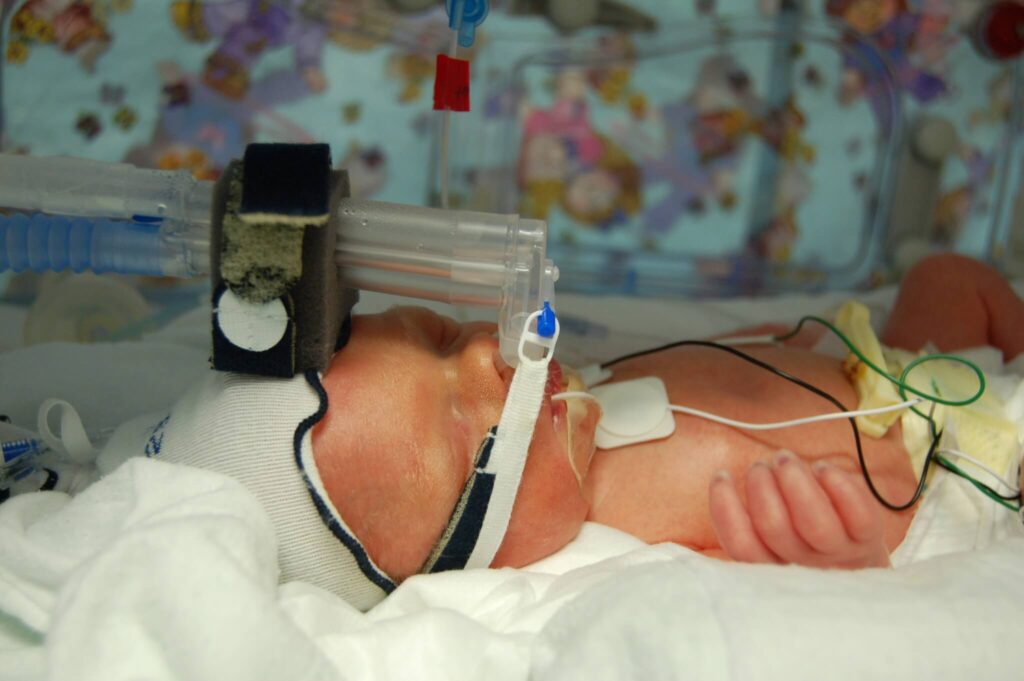
Maternal embodiment and the unbearable violence of institutional disbelief. We were once one body There is a biological, emotional, and moral reality so fundamental that no policy manual can contain it, and no professional training can domesticate it—my child once lived inside me. His limbs pressed against my ribs before they ever touched the outside…
-

Too competent to help, too angry to believe
The impossible performance of grace in systems that harm our children. Holding two pieces in tension This essay is written alongside a truth that cannot be softened. A truth that spills out, unsanitized, unmanageable, and fully lived. A truth that takes the form of intrusive thoughts, violent imagery, desperate poise, and carefully practiced restraint. That…
-
I have thought about writing her a letter
I have thought about writing her a letter—something long and deliberate, something shaped by memory and moral clarity, something that names what occurred and places it in her hands before the door finally closes. The idea moves through me with a kind of gravitational pull, neither urgent nor calm, just pressing and circling. I return…