

Family Experience
Personal stories from families about the impact of collective punishment.
-
What they say when you leave the meeting
Canary Collective’s piece The Apple Doesn’t Fall Far from the Tree: What’s Said About Parents After They Leave the Room tells what often happens after parents leave a school meeting. The talk shifts away from the child and turns toward the parents. People start guessing what is “wrong” at home instead of asking what the…
-

In genocide and the classroom: the routinising of distress
A meditation on how institutions train people to ignore suffering—how desensitisation, scarcity, and forced optimism erode empathy and make harm seem ordinary.
-
The architecture of harm, the anatomy of healing
Each year when the light thins and the trees surrender their leaves, we are reminded that systems rot slowly, from the inside out, while pretending to stand tall. The fluorescent hum of classrooms carries through the shorter days, and the rhythm of school life resumes its weary repetition—meetings, promises, half-measures. Parents sit again in plastic…
-

They wanted it to be our quiet shame
Lily Allen says, “No one fucks with me and gets away with it.” The line lands like a gavel. Twenty years ago, that kind of declaration would have drawn eye-rolling about bitterness or oversharing. Now it reads as equilibrium, a woman reclaiming authorship after a decade of being translated by everyone but herself.
-
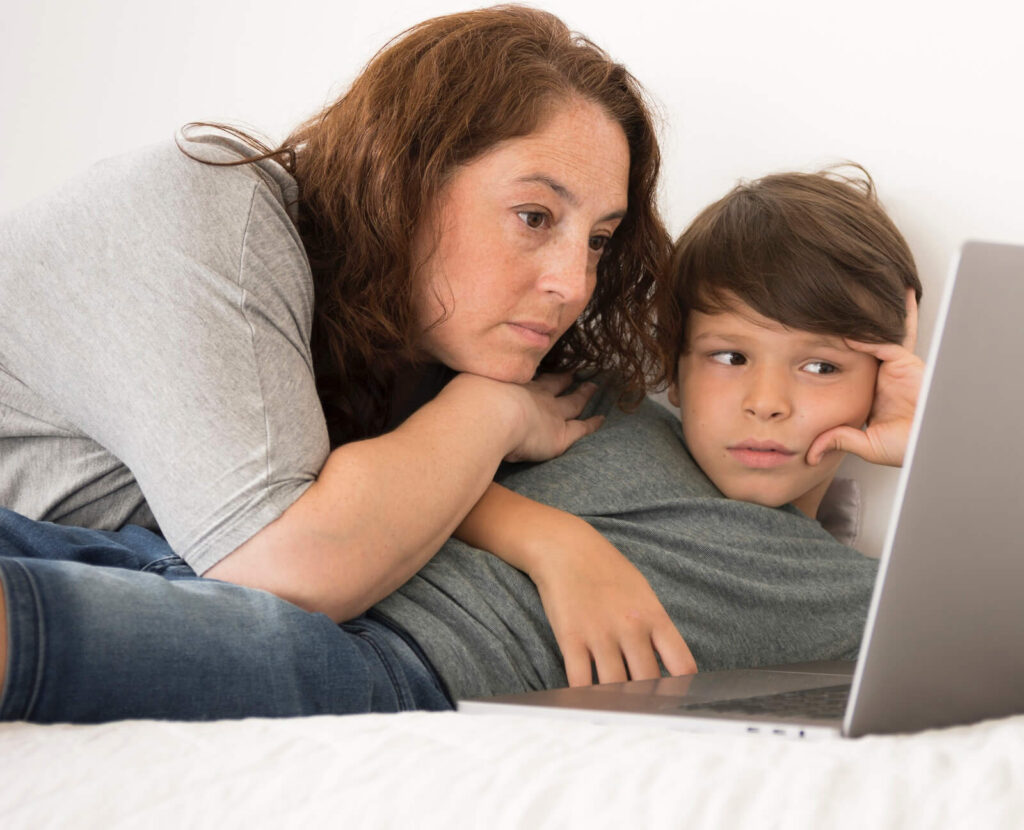
The cost of partial inclusion in schools
I have returned to writing after a long silence—one imposed less by choice than by survival. The move was necessary, a matter of financial gravity after years of lost income entwined with the harm my children endured within an ableist school system. Leaving our home felt like surrendering a life I had fought to sustain,…
-
When righteousness and safety diverge
Every parent who becomes an advocate stands at the threshold between justice and protection. We enter the arena to make things better, yet the fight itself can wound the very children whose pain brought us here. There is always a moment—quiet, terrible—when the pursuit of systemic change begins to scrape against the body of a…
-
The Ombudsperson and the war of attrition with systems of escalation
This essay is in response to the closure of my complaint by the Office of the Ombudsperson of British Columbia. It documents my family’s experience navigating the education complaint system, the Teacher Regulation Branch, and the Ombudsperson itself. It exists to show how a system meant to protect fairness becomes one that delays, deflects, and…
-

Incident Ipsum: decoding the bureaucratic poetry of school emails
It began, as so many things do, with a friend forwarding an email she could hardly parse. The first message made little sense; the follow-up from a case manager arrived dense with jargon, couched in performative empathy, and copied unnecessarily to a wider audience. The tone was professional. The effect was punitive. The email accomplished…
-

UIP, the good, the bad, the ugly
We’ve had good and bad experiences with the Urgent Intervention Process. The good ones feel like brief glimpses of the world that could exist if the school meant what it said about inclusion—moments when a skilled worker steps in and the air clears, when everyone remembers the child at the centre of all this. The…
-
When you finally get a “good” IEP
There was an email, sent in a moment of exhaustion, where I mentioned that I was considering a Human Rights complaint. The next IEP meeting rolled around, and suddenly the draft was almost unrecognisable—careful, thoughtful, neurodiversity-affirming. For the first time in eight years, it sounded like something written for my child rather than about my child. It should have…
-
Despair is there in the room, during the IEP
I was not such a bitch before my children were worn down by years of slow, grinding neglect. I became one through exposure. The tone, the edge, the precision that now startle others are the after-effects of advocacy conducted in hostile conditions. I used to be patient. I brought muffins to meetings and printed copies…
-

Coats, care, and control: microaggressions, ableism, and the moral surveillance of mothers
Every autumn, as the rain returns and hallways fill with dripping boots, an unremarkable genre of school communication re-emerges: the gentle reminder, the kind note, the message of concern about whether a child has a coat. The tone, perfectly calibrated, performs care while enacting surveillance. “I hope your child had a good rain jacket, umbrella,…
-

Parents are responsible for the collapse of discipline ideology at school
The dominant narrative in staff rooms and comment sections insists that discipline has collapsed because parents no longer “back up the school.” This explanation comforts institutions and shames families, yet it misunderstands the architecture that once made discipline appear effective. What is collapsing is not parenting. What is collapsing is the total environment that once…
-
Keeping vigil
I live as though in a vigil, waiting for my child to heal from the slow injuries of school, which for many people represents a place of nurture and discovery, yet for him became an arena of exhaustion where survival eclipsed joy and the aftermath has demanded a long convalescence that feels almost like watching…
-
Coerced care, gendered neglect, and the reframing of family collapse
It began with daily incidents that were anything but small. My son repeatedly hugged my daughter against her will, pressing into her space while she pulled away, asking for it to stop. She reported that when she turned to supervision aides for help, they told her it was fine because they were siblings. Staff framed…
-
Interpersonal neurobiology as a neurodiversity-affirming framework
Interpersonal neurobiology (IPNB) offers a generative way to understand children’s nervous systems, because it treats development as an emergent, relational process shaped through safety, attunement, and repair, and this orientation produces a worldview in which difference is interpreted through physiology and experience rather than compliance or performance. IPNB proceeds from the understanding that minds evolve…
-

On anhedonia and institutional harm
Anhedonia is defined as the loss of interest, enjoyment, or pleasure in life’s experiences. You may lose the desire to be with others or to do the things that once brought delight. It is often listed as a symptom, as though it arrives like a visitor rather than being summoned by the conditions of your…
-
Human Rights Tribunal complaints are designed to exhaust
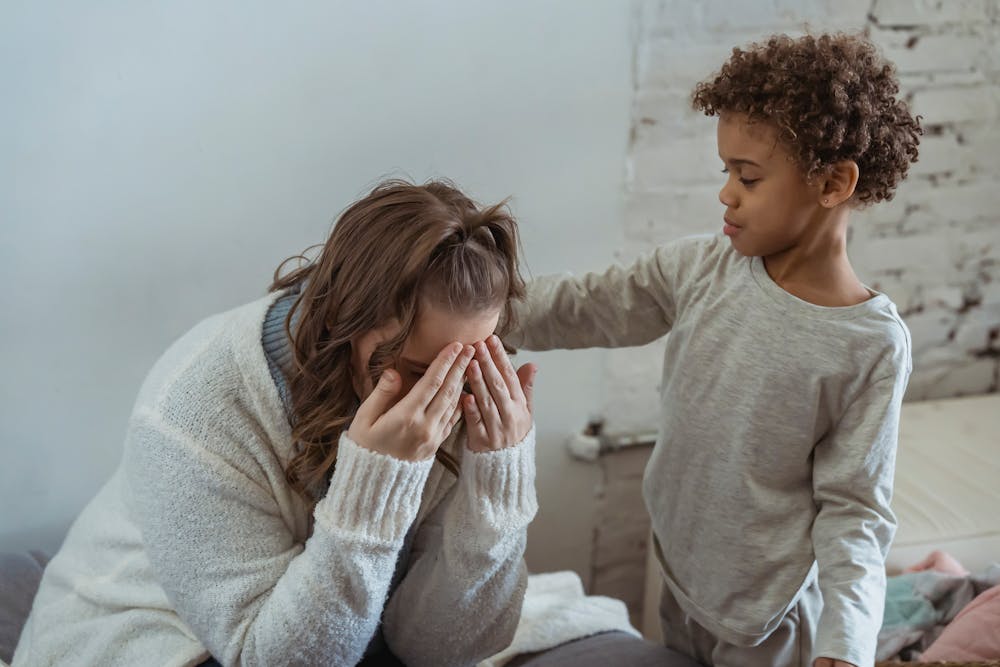
There is a silent calculus embedded in every human rights complaint: how much of your energy, your time, your composure, and your life force are you willing to lose in order to gain a largely symbolic victory. For those of us who have faced institutional harm the question is often whether we can survive the…
-

Nobody is going to thank you
Nobody tells you that you can pour every last scrap of yourself into advocacy and still feel your bond with your child begin to strain. There is a familiar story passed among parents—one in which you step in, do a little advocacy, and watch as the pieces fall into place. The children grow, the challenges…
-

ADHD and autism aren’t phases
We don’t expect a wheelchair user to “earn” the right to walk by graduation. We don’t tell a student with diabetes that the goal is to get off insulin. And yet, in schools across our district, support for autistic and ADHD students is treated like a ladder they’re supposed to climb once and throw away…