

Legal and ethical
Includes the laws, policies, complaint routes, records, oversight bodies, and accountability tools families use to challenge exclusion, discrimination, delay, denial of accommodation, and procedural harm in schools.
-
Columneetza Junior Secondary (SD27 Cariboo‑Chilcotin): a neurodiversity‑informed conduct critique
Columneetza Junior Secondary School 2024-2025 Code of Conduct affirms a mission of fostering respect, individual growth, and a sense of belonging within both school and community. It names safety, caring, and order as essential conditions for “purposeful learning.” The document outlines rights, responsibilities, and behavioural expectations for students and broader school actors, including parents and…
-

Just when it starts working, they take it away
The cruelty of temporary support in BC schools. There is a particular kind of cruelty in getting what your child needs—finally—and knowing it will be taken away. In the fall of 2017, our family reached a breaking point. Our child Robin was refusing school, destroying the classroom, and coming home dysregulated and despondent. The school…
-

Repairing institutional harm after coercive control
This piece is written in memory of a friend whose life was slowly extinguished by institutional betrayal, coercive control, and the grinding weight of being unheard. When a school inadvertently contributes to coercive control, the harm may be quiet, but it is not small. For the child, it means being unprotected. For the parent, it…
-

$10K and an NDA
Would 10K and an NDA make the most excellent name for a country song? I didn’t file a Freedom of Information request to stir conflict — I filed it because nothing made sense, and I needed a clue, any thread at all, to understand what had just happened to my family. I call FOIs the…
-
The path to justice: legal versus public record
The courts may offer compensation, but rarely truth. The legal path demands silence in exchange for settlement. The public path asks you to speak while you’re still bleeding. Neither is easy. But only one builds a record that helps the next family survive.
-

The bait and switch: What inclusion really looks like at the VSB
Every September, I walk into school meetings with the same cautious hope. We’ve done everything right. The diagnoses are up to date. The IEP is in place. The reports are filed — more than thirty of them over the years, from audiologists, psychiatrists, speech-language pathologists, behaviour consultants, and occupational therapists. You’d think that would mean…
-
What would it really cost to fix the problem?
We talk so much about the cost of inclusion—as if it’s indulgent, optional, something that must be justified—but we rarely talk about the cost of exclusion. And those costs are everywhere: in emergency rooms, in overburdened case files, in classrooms where distress goes unseen. When schools can’t support disabled students, families fall apart trying to…
-

We shouldn’t be enemies
I took my daughter for a manicure this week. She’s graduating from grade 7. A milestone. A moment that felt almost ordinary—slideshow, applause, plastic chairs, nervous grins—and yet there was nothing ordinary about what it took to get there. Vocabulary for what happened Class change She spent seven months of this school year outside the…
-

Galiano Community School (SD64): a neurodiversity-informed policy critique
The 2022–23 Code of Conduct for Galiano Community School is unusually rich in aspirational language. It describes a community of care rooted in mutual respect, emotional development, and responsive teaching. It affirms the BC Human Rights Code, references Positive Behaviour Support, and anchors its behavioural framework in the values of SOLE—Respect and Care for Self, Others,…
-
When harm comes from those entrusted to protect
The May 2025 consent resolution involving B.C. principal Pehgee Aranas offers a sobering reminder of the work that remains to make education safe, equitable, and trustworthy for all children—especially those from communities that have been historically harmed by the very institutions meant to support them. When a young First Nations student was physically punished by…
-

Cariboo–Chilcotin School District (SD27): a neurodiversity-informed policy critique
Cariboo-Chilcotin is one of the most geographically dispersed and demographically complex districts in British Columbia. Spanning small rural towns and remote Indigenous communities—including sites of historic and intergenerational trauma—SD27 faces significant challenges in providing consistent, inclusive, and safe environments for all learners. In June 2024, the Board adopted Policy 390: Safe and Caring School Communities, replacing…
-
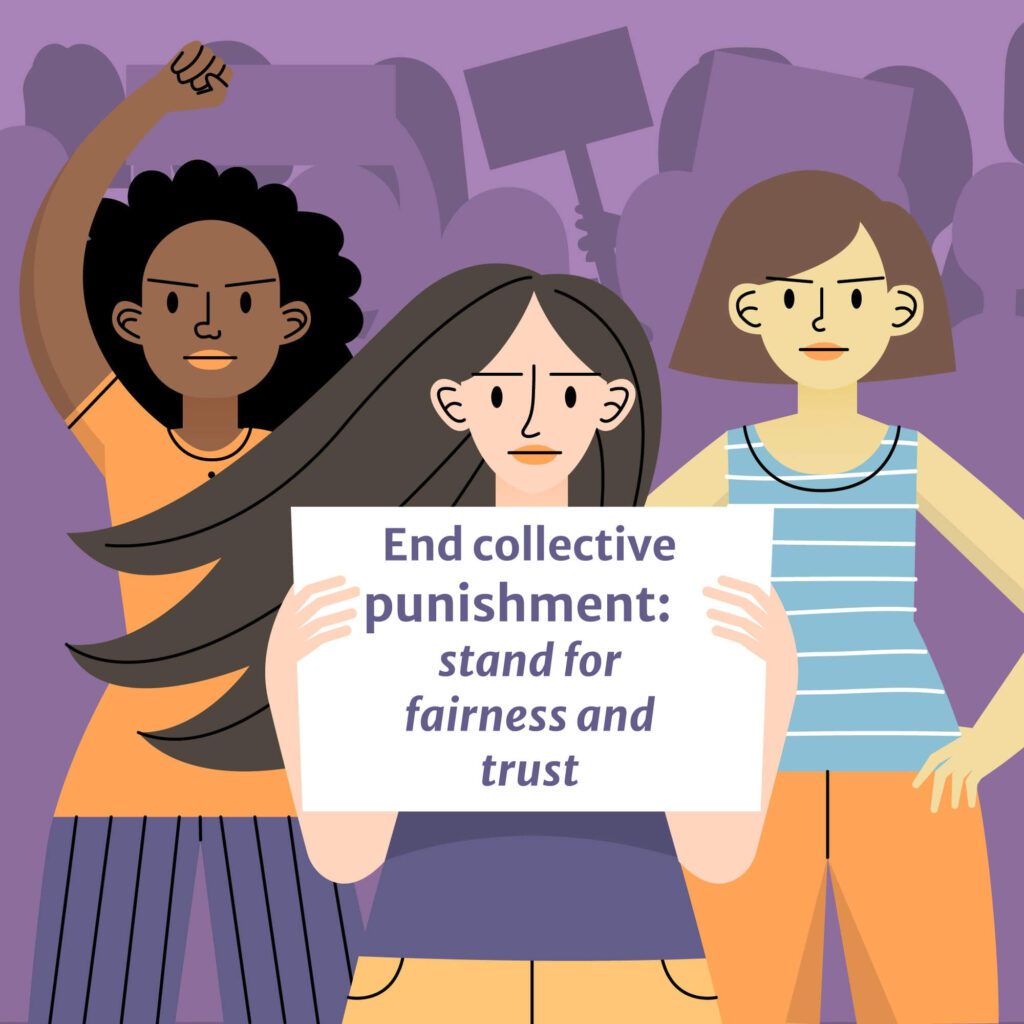
Right to no discrimination
Every child has the right to learn and belong at school without being treated unfairly because of who they are. In British Columbia (B.C.), this Right to No Discrimination means public schools must welcome all students on equal terms, regardless of their race, Indigeneity, colour, ancestry, place of birth, religion, family background, sex, sexual orientation, gender identity, disability,…
-
How narcissism and PDA collide in the wreckage of trust
Some children refuse control because control has always felt like violence. Because control has worn the face of love and left behind a residue of shame. Because adults said, “this is for your own good” while ignoring tears, violating autonomy, and insisting that compliance was safety. For these children, especially those with a PDA profile,…
-

The scarcity script: how manufactured famine shapes public education
British Columbia’s public schools are not suffering from a natural shortage—they are operating under a system of manufactured scarcity. This blog explores how austerity, rationing logic, and institutional self-preservation create harm for disabled students and their families. Drawing on thinkers like David Graeber, Wendy Brown, Ruth Wilson Gilmore, and Mariana Mazzucato, it reveals how scarcity…
-

Arrow Lakes School District (SD10): a neurodiversity-informed policy critique
The Arrow Lakes School District’s Policy 310, “Expectations for Student Conduct,” presents a succinct framework grounded in the language of safety, mutual respect, and orderly environments. It affirms the importance of rights-based protection against discrimination and sets the expectation that all schools will maintain up-to-date, locally developed codes of conduct. It allows for discretion, acknowledges…
-
Sir Richard McBride Annex (SD39): a neurodiversity-informed policy critique
Sir Richard McBride Annex’s Code of Conduct, reviewed June 19, 2024, commits to fostering a “safe and inclusive place for all,” aligning with the VSB District Code (AP 350). It affirms the BC Human Rights Code, outlines community-wide expectations, and recognizes that “special considerations may apply to students with special/diverse needs” when they “are unable to comply… due to having…
-

Engineered famine in public education
In British Columbia schools today, we are not facing a behaviour crisis—we are facing a famine of care. This essay weaves together personal memory, systemic critique, and deep empathy for teachers and families alike to ask why our schools are starving the very relationships that children need to learn and thrive. It calls for an…
-
A landmark case for educational justice in BC
The May 2025 decision from the BC Human Rights Tribunal in Parent obo Student v. BC Ministry of Education and another, 2025 BCHRT 112 carries profound implications for families fighting systemic discrimination in education—particularly those challenging collective punishment, exclusion, and partial-day attendance programs imposed on disabled students. While the complaint against the Ministry was dismissed, the Tribunal…
-

Comparison of Provincial and Territorial rules on collective punishment in schools
Across Canada, policies on student discipline vary widely—but only one province, Nova Scotia, has taken the decisive step of explicitly banning collective punishment in schools. In April 2025, Nova Scotia revised its Provincial School Code of Conduct Policy to require individualised responses to student behaviour, affirming that group-based discipline is not just ineffective but unjust.…
-

Balancing budgets by denying disabled kids support
In British Columbia, we are told that the education system is improving. Budgets are rising. Inclusion is a stated priority. And yet, for families whose children require consistent, sustained support—especially those who are disabled or living with complex trauma—the lived experience is defined by absence, delay, and denial. There is a growing chasm between the…