

Legal and ethical
Includes the laws, policies, complaint routes, records, oversight bodies, and accountability tools families use to challenge exclusion, discrimination, delay, denial of accommodation, and procedural harm in schools.
-
Resist the urge: A student’s call to end collective punishment
Sometimes, the clearest truths are spoken by those closest to the harm, and in this compelling public speaking presentation, one student delivers a simple, resonant message with unmistakable clarity: resist the urge to punish everyone for one person’s mistake. Across just eight minutes, this speaker distils the emotional cost, logical failure, and enduring relational harm caused…
-

Writing about trauma without exposing yourself
A guide to writing in ways that honour your truth, protect your family, and challenge systems without burning yourself out, with concrete tools for staying safe, understanding defamation law in Canada, and deciding what to name and what to hold close—so your story can live in the world without putting you at risk.
-

A one-day suspension for this?
According to the consent resolution agreement published by the BC Commissioner for Teacher Regulation, secondary school teacher Todd Erin Graham engaged in multiple forms of misconduct over the 2022–23 school year. These included racially and culturally demeaning comments to an Indigenous student, public disparagement of a diverse learner, inappropriate physical contact with female students, unsolicited…
-

Why we’re tracking collective punishment across Canada
In classrooms across this country, children still lose recess for things they didn’t do. Field trips are cancelled because someone else acted out. Privileges are revoked—en masse—because a teacher felt the group needed a lesson. These are not isolated incidents. They are symptoms of a widespread practice known as collective punishment: the disciplining of a group…
-

How I learned to go first
I once worked in a place where we were asked to introduce ourselves using Pecha Kucha—a rapid-fire storytelling format built around images and timed narration, ten minutes of revelation under pressure. Unfortunately, when the team building day arrived, they called on me first, to do my presentation. With no warning, no scaffold, no gentle framing to…
-

Introductions are an access issue
Every structure carries weight. And when you ask us to begin with a name and a smile, but offer no container for safety, you are asking us to choose between authenticity and self-preservation. What seems simple is often a site of harm For people whose presence in institutional space is routine and unremarkable—those whose titles…
-

Don’t wait until the lawsuits
By the time harm becomes legally actionable, it has already become unbearable. If people are still talking to you, they are still hoping you will change. Institutions often ask the wrong question When institutions receive stories of harm—when a parent names systemic exclusion, or a student speaks quietly of despair, or a staff member shares…
-

I am just me: What it costs to show up
If I could have walked away from this institution, I would have—but I couldn’t, and so I came, and the price of showing up was almost everything I had left to give. Showing up is not the beginning—it is the aftermath By the time I appear on your committee call or log into your engagement…
-

Ego has no place in accessibility
This work requires transformation, not performance. Your legacy is not what you protected. Your legacy is what you changed when you were told it was failing. Leave your laurels at the door Accessibility work is not about legacy preservation. It is not about titles or tenure or whether your department once won an innovation award…
-

We must start with an acknowledgement of harm
Before we talk about solutions, or even feelings, we must name what has been done. We begin in the wreckage When an institution convenes a committee to explore accessibility, equity, inclusion, or anything vaguely shaped like justice, it often opens with a bright, empty cheerfulness—a blurb about building community, a land acknowledgement read like punctuation,…
-

Suspending justice: What ethics can (and can’t) teach us about school discipline
In 1993, educator Martha Johnson conducted a simple but telling experiment. During a professional development session for principals and vice-principals in southern Alberta, she handed out a fictional case study: a student, suspended. Participants were asked to reflect on whether the decision was ethical—before and after being introduced to an ethical decision-making framework. What changed wasn’t the facts…
-
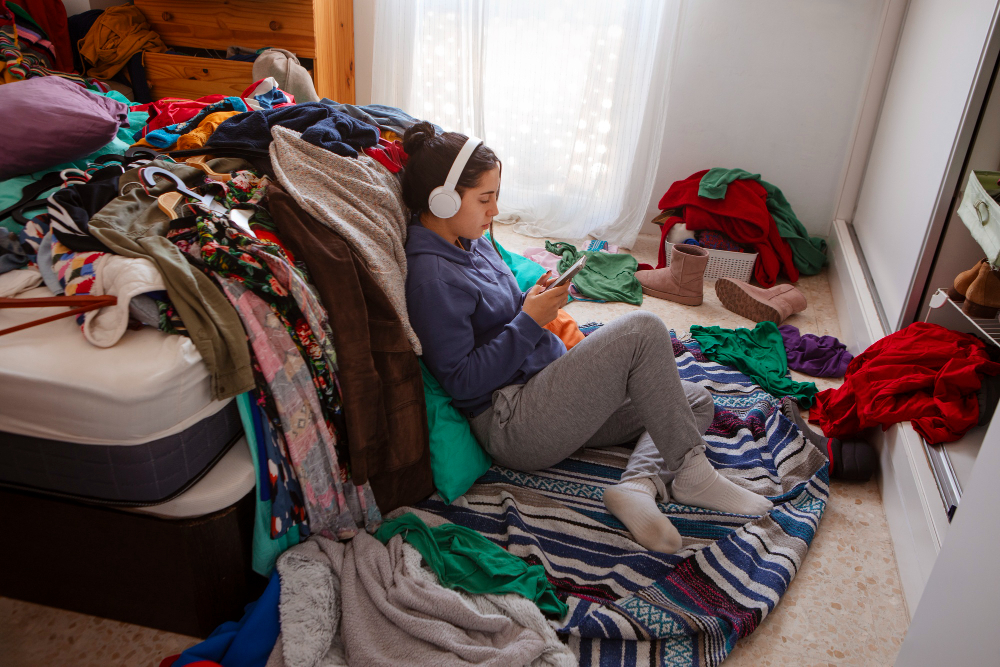
Why I’m reviewing school codes of conduct
To the student who found this page because you typed something scared or confused or angry into a search bar—something like “are teachers allowed to take away recess?” or “can I be suspended for a meltdown?” or “why did my teacher say I wasn’t trying hard enough when I couldn’t stop crying”—this is for you.…
-
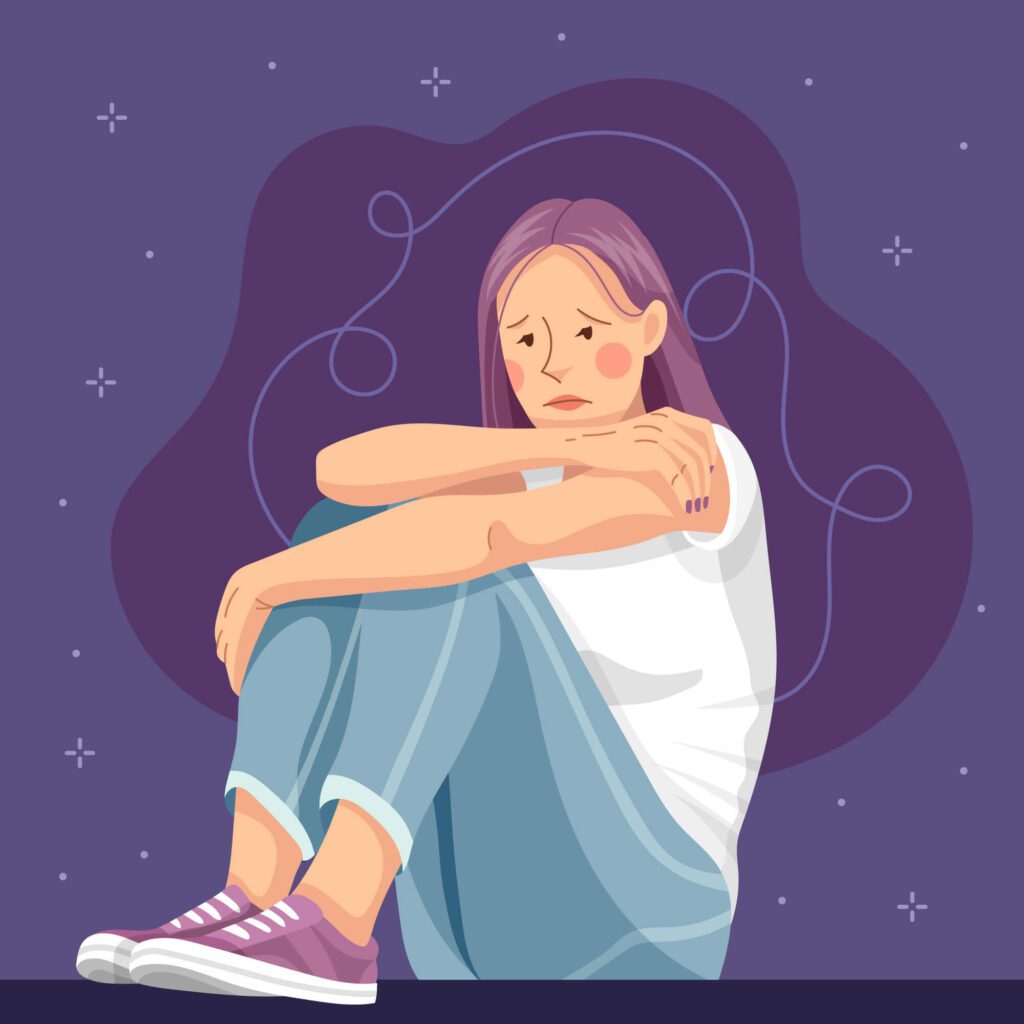
Institutional gaslighting of caregivers
You refuse to forget, because forgetting would mean abandoning your child’s reality—and you have already watched too many adults do that with a straight face and a professional tone. You refuse to downplay what has happened, because the harm is not theoretical—it lives in your child’s nervous system, in her school avoidance, in her refusal…
-

Food, rewards, and collective punishment in the classroom
It might seem harmless. A teacher stands before a class with a box of lollipops or a bag of Freezies, offering them as a reward for good behaviour. But there’s a catch: everyone only gets one if everyone behaves. What appears—on the surface—as a treat, quickly becomes a threat. For neurodivergent children, food-based group rewards…
-

We stand with BC teachers
The BC Teachers’ Federation (BCTF) has launched a new ad campaign ahead of the provincial election to spotlight BC’s worsening teacher shortage and demand urgent government action. The campaign, titled Hire More Teachers, features TV and digital ads showing the real impact on students and calls for a fully funded workforce strategy similar to health…
-

What replaced the strap in Canadian schools?
They took the strap away—or at least, they removed the physical instrument, the leather loop of institutional discipline that had once been the sanctioned mechanism of control in classrooms across the country. Even if we never felt it on our own skin, we knew what it meant; we had heard the sound of it slapped…
-

On free IVF: love and systemic neglect
BC is funding IVF, but not the care children need once they’re born. Love is enough. The system isn’t. This is betrayal dressed as hope.
-

Punished for bed wetting
I’ve woken up in the middle of the night to help my children when they’ve wet the bed—perhaps after a bad dream or too much water before bedtime. I remember helping them change their clothes, stripping the bed, telling them gently: it’s okay. It happens. It’s a small moment that reminds me what care looks…
-

When they knew it hurt, and did it anyway
I was clear. I was specific. I was unwavering. I told the Vancouver School Board that I believed behaviourist strategies were harmful, violated my child’s dignity, and contradicted our family’s ethics—and that continuing to use them without consent would cause further harm. They used them anyway. Over and over, the school district returned to strategies…
-

How we change culture: From ashtrays to accountability in BC schools
Once, we smoked in office buildings. Not just on breaks or in private spaces—at desks, in meeting rooms, on airplanes. The haze of other people’s choices was something you had no right to escape. That was just how things were. Until it wasn’t. Now, the idea of someone lighting a cigarette during a staff meeting…