hand icon with "End collective Punishment in BC Schools"
scales of justice

Accommodation removes barriers

If they say: We've done what we can.

Say: This ramp can’t stop halfway up the stairs. Accommodations must remove the whole barrier—not just offer a partial fix that leaves kids struggling.

Legal grounding: Accommodations are required to equally level the playing field—not just assist or enhance. If they fail to remove the actual barrier, they don’t meet the legal standard of access.

Schools may describe supports as “extra help” or a “nice-to-have,” but accommodations exist to eliminate barriers that prevent equitable access. They are essential—not supplemental.

Key takeaways

  1. Accommodations are part of equity
    They do not enhance education; they allow a student to reach it. Without them, access is obstructed and opportunity is unequal.
  2. The ramp must reach the door
    Partial accommodations—or those that fail in practice—leave students stranded midway. A ramp halfway up the stairs is still a barrier.
  3. Equity requires full removal of access barriers
    When harm persists, the accommodation process remains incomplete. The standard is meaningful access, not proximity.

Learn more
Part 6: Duty to Accommodate – Pulling it all together
by Kim Block, Speaking Up BC
More tips for families

  • On opposite sides of the same door in BC schools

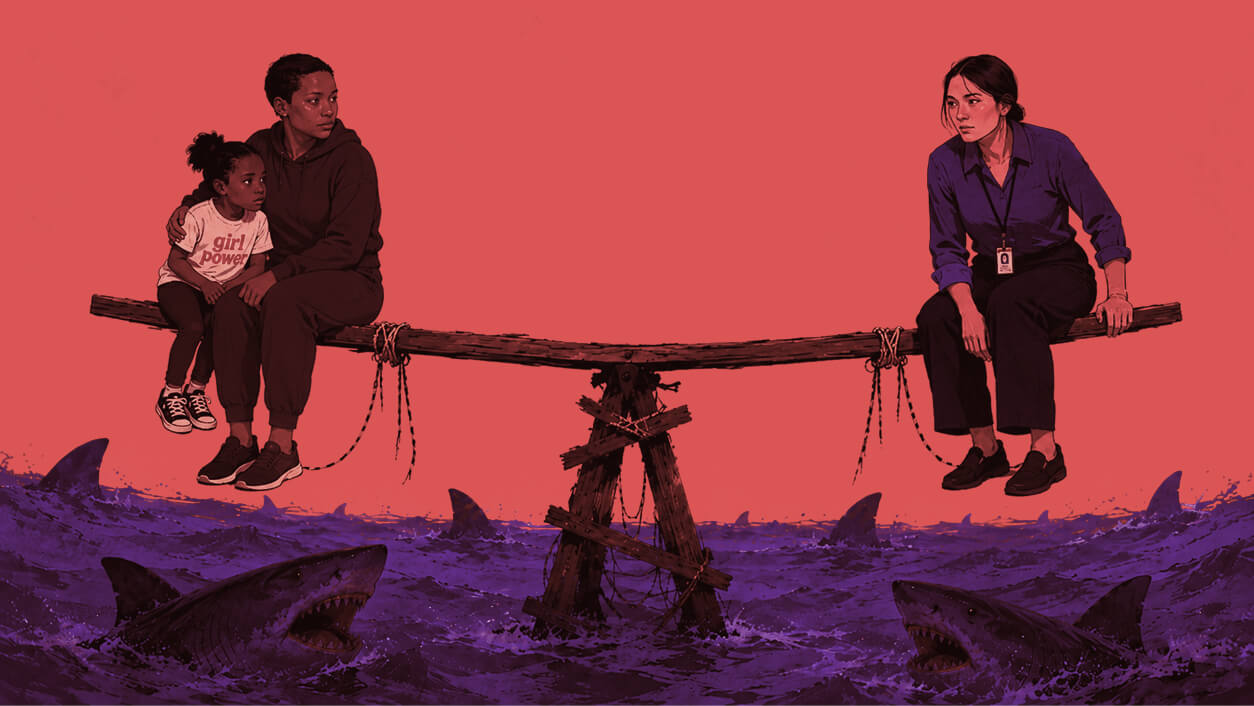
    Families and teachers are describing the same failure from two positions inside it. The system survives by keeping them from recognising each other.

  • A summer reading list for education leaders

    The Canary Collective went upstream this week, and the gloves came off. In “Delay, Distract, and Deny”, Wren takes the old public-health parable about pulling bodies from a river and turns…

  • Save Indigenous Education teachers in SD8

    Kootenay Lake School District is moving toward a staffing change in Indigenous Education that families say will remove teacher-led Indigenous Education from elementary and middle schools and replace the teacher…