

Rationing care
Rationing care is the slow, daily process by which professionals decide who gets seen, heard, supported, and believed—based not on need, but on patience, performance, or policy alignment. It is a violence dressed in professionalism, a soft form of abandonment reinforced by funding formulas and compassion fatigue. This tag collects writing on how care is withheld, distributed, and weaponised in schools and support systems.
-

The punishment economy
How collective punishment turns scarcity into compliance The confusing thing about school harm is that it rarely arrives without care. While your child is being excluded, an Educational Assistant is finally assigned. A kind case manager begins sending thoughtful emails. Someone finds a program space you were told did not exist. A teacher sees something…
-

The cost of defending scarcity: moral injury and the exhaustion economy
The BC education system spends extraordinary resources defending scarcity while positioning that defence as fiscal responsibility, generating an exhaustion infrastructure that operates across every population the system touches—teachers, families, disabled children, administrators, support staff—all labouring to maintain stories that protect individual dignity within conditions designed to make moral action impossible. A recent analysis on Fund…
-
Exclusion is economically irrational and the hidden costs of refusing accommodation
BC schools spend more money refusing accommodation than providing it. Learn when hiring a lawyer becomes the only fiscally rational choice for your family.
-

What 8 years of advocacy took from our family
I advocate because I love my children and I want them to be well. Because I know the accommodations they require are entirely tenable, requiring only modest shifts in how adults think and respond. Because it is unbearable to watch them be slowly debilitated by a system that insists their needs are excessive and their…
-

When one child’s support becomes everyone else’s denial
I bring Robin his meals now. I pour a bath periodically, and coax him in, when too many days have elapsed and a funk has grown pungent from him avoiding the sensory assault or the water on his skin. I manage mess, hygiene, and feeding, even though he is a teenager who should be developing…
-

When improvement tolerates death: why schools must stop the line
Education systems insist they are engaged in continuous improvement. They invoke cycles, frameworks, data dashboards, and action plans to demonstrate seriousness and care. But children are killing themselves in every district, every year. Disabled children are being excluded, isolated, placed in hallways, sent home early, or left to deteriorate while plans are written. The question…
-
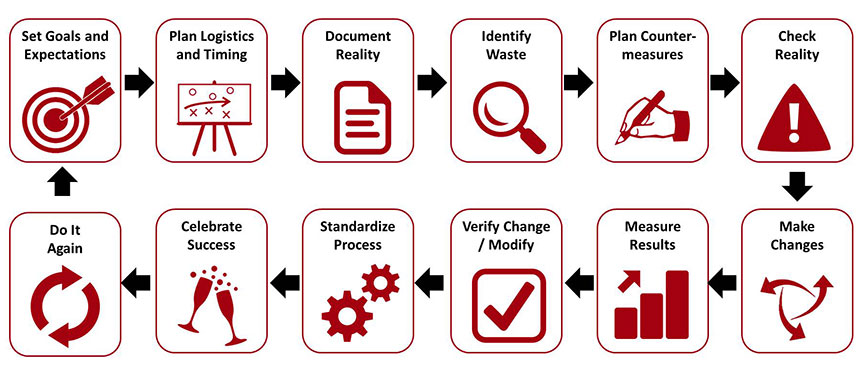
Manufacturing acceptable loss: why parents must resist education’s factory logic
Districts describe their work using the language of continuous improvement, capacity building, resource optimisation, and evidence-based allocation—borrowing terminology from industrial production systems designed to manufacture widgets efficiently, to minimise waste, to maximise throughput, to tolerate predictable defect rates within acceptable margins. This vocabulary reveals the underlying logic: education systems increasingly operate as though children are…
-

The return of functioning labels: How austerity turns advocacy into competition
A parent recently posted about profound autism, describing the experience of having her son’s reality erased when people say that “profound autism” doesn’t exist. Her frustration is legitimate—parents of children with intensive, lifelong support needs face profound institutional abandonment, and “profound autism” names a reality that deserves recognition and resources. But her post also illustrates…
-

Justice and dignity too expensive for BC NDP
In 2018, experts told BC exactly how to fix special education funding. The government has spent five years “consulting” instead. Meanwhile, your child sits in hallways. The 192% problem nobody wants to fund Between 2015 and 2024, autism designations in BC schools exploded by 192%. Total student enrolment? Up just 11.6%. The province knows this. They…
-

When delay becomes policy: British Columbia’s strategic abandonment of disabled students
In 2018, an independent panel reviewed how British Columbia funds kindergarten through grade twelve education and recommended a prevalence model for special education funding, a shift that would allocate resources based on statistical prevalence of disability within the general student population rather than on individual diagnostic designation. The proposal threatened to expose what the existing system carefully…
-
The Cowichan case, land-title hysteria, and the unfinished work of justice in public education
I have been reflecting on the public reaction to the Cowichan case findings, and the deeper I look, the more I notice similar patterns emerging across conversations about reconciliation and disability justice in public schools: the tendency to get stuck in the T part of “Truth and Reconciliation” and to only have the T be…
-

On children, war, and remembrance
Each November, we are asked to pause—heads bowed, hearts heavy—to remember the lives destroyed by war. Yet remembrance without reckoning becomes ritual, a polished echo of conscience that lets the same moral logic continue unchallenged. Every essay in this series has exposed a fragment of that logic: how endurance became virtue, how obedience replaced empathy,…
-
Our goals are not the same: ableism in bc public school
I want my children supported to grow and learn; schools uphold ableism by demanding they mask compliance or feign helplessness for support.
-

Flourishing as an ethical imperative
Like many of you, I caught CBC’s Ideas episode the other day, where philosopher Angie Hobbs spoke about the ancient Greek concept of eudaimonia—a term sometimes translated as happiness or welfare, but more richly understood as human flourishing. In a world flooded by crisis, it may seem indulgent or impractical to contemplate the good life,…
-
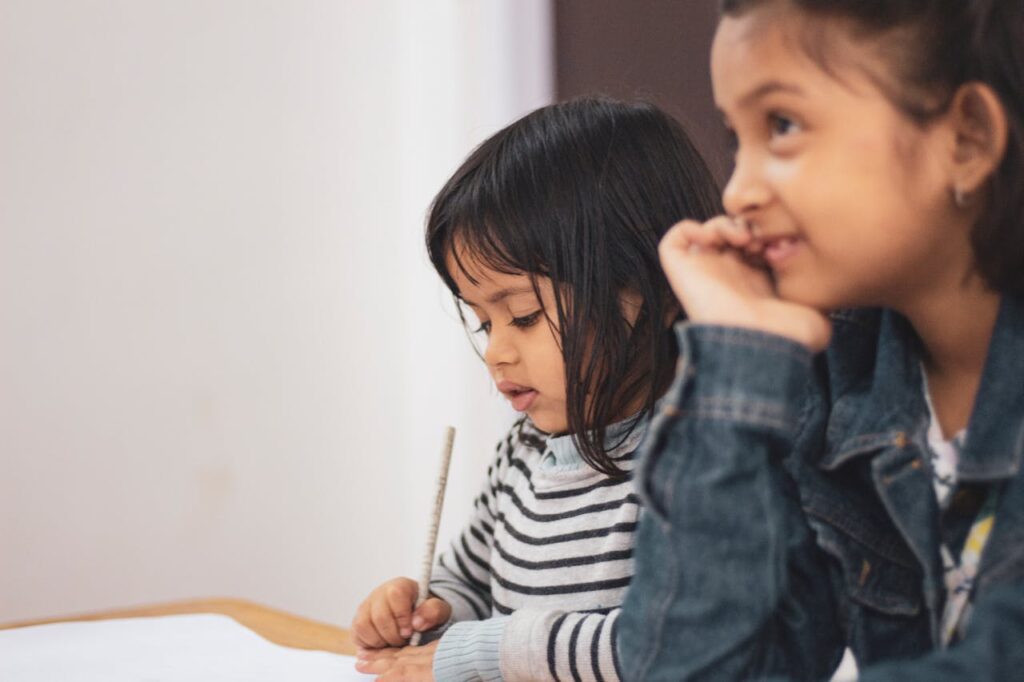
Post-COVID rise of blended classrooms in BC elementary schools
In British Columbia’s elementary schools, multi-grade or “blended” classes (where students from different grade levels learn together) have become more prevalent in the post-COVID period. Educators report that shifting enrolment patterns and funding pressures after the pandemic have led schools to organise more combined-grade classes than before www2.gov.bc.ca. The increase in split classes is largely driven…
-

The afterlife of austerity
When public institutions are forced to survive under prolonged austerity, something deeper than budgets begins to break—something in the connective tissue of trust, of care, of the quiet, ordinary belief that systems exist to serve people. The myth of resilience—the comforting story we tell ourselves about teachers with hearts of gold and staff who always…
-

What looks like a reward is often a repair
When a child returns from the office with gummy worms or a cartoon, it may look like a reward—but often, it is a repair. In a system built on scarcity, the smallest gesture of care is mistaken for indulgence. This essay reframes the narrative around “rewarding bad behaviour” to reveal what is actually happening beneath…
-

The right amount of agony in BC schools
After watching my children endure eight years of institutional failure, eight years of exclusion disguised as discipline and support withheld under the language of inclusion, I have come to several conclusions. Certain forms of suffering—like being agonised inside—do not draw support because they do not disrupt the adult’s flow, do not demand intervention with noise…
-
Bound by blood
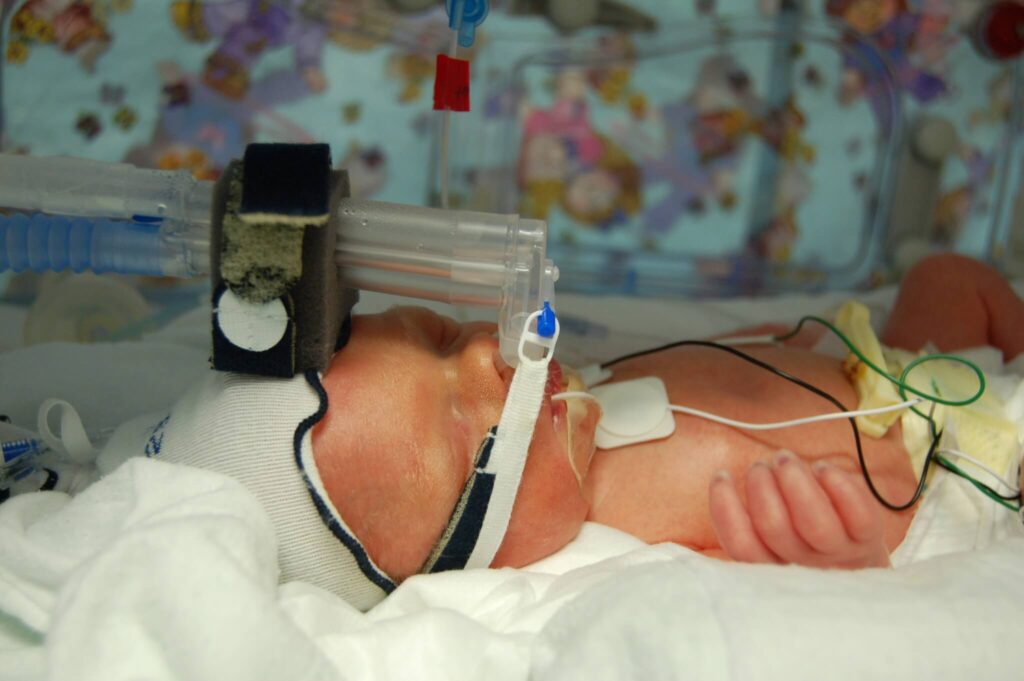
Maternal embodiment and the unbearable violence of institutional disbelief. We were once one body There is a biological, emotional, and moral reality so fundamental that no policy manual can contain it, and no professional training can domesticate it—my child once lived inside me. His limbs pressed against my ribs before they ever touched the outside…
-

Wait and see: a mother’s warning
Before kindergarten began, we told them—unequivocally, painstakingly, with as much specificity as we could muster—that our son had been harmed in daycare, that he had a long line of diagnoses and was awaiting an autism assessment, that his nervous system was thrashed, and that he would require sustained, full-day relational support in order to experience…