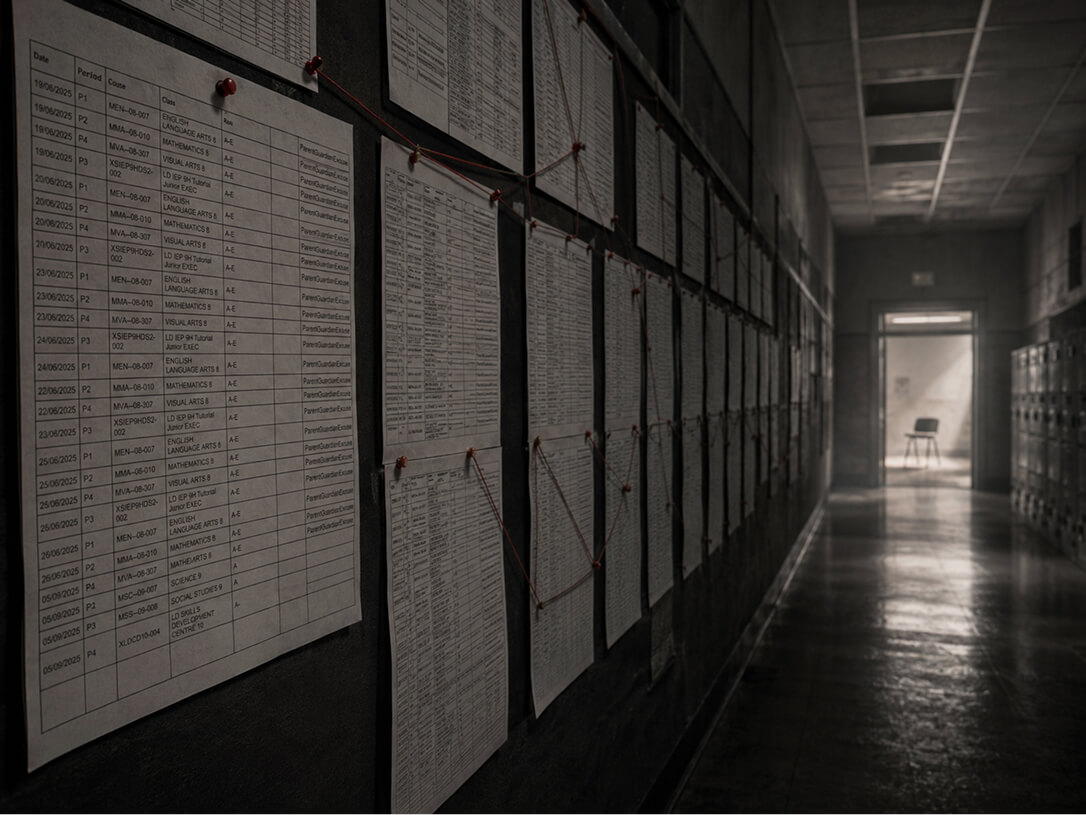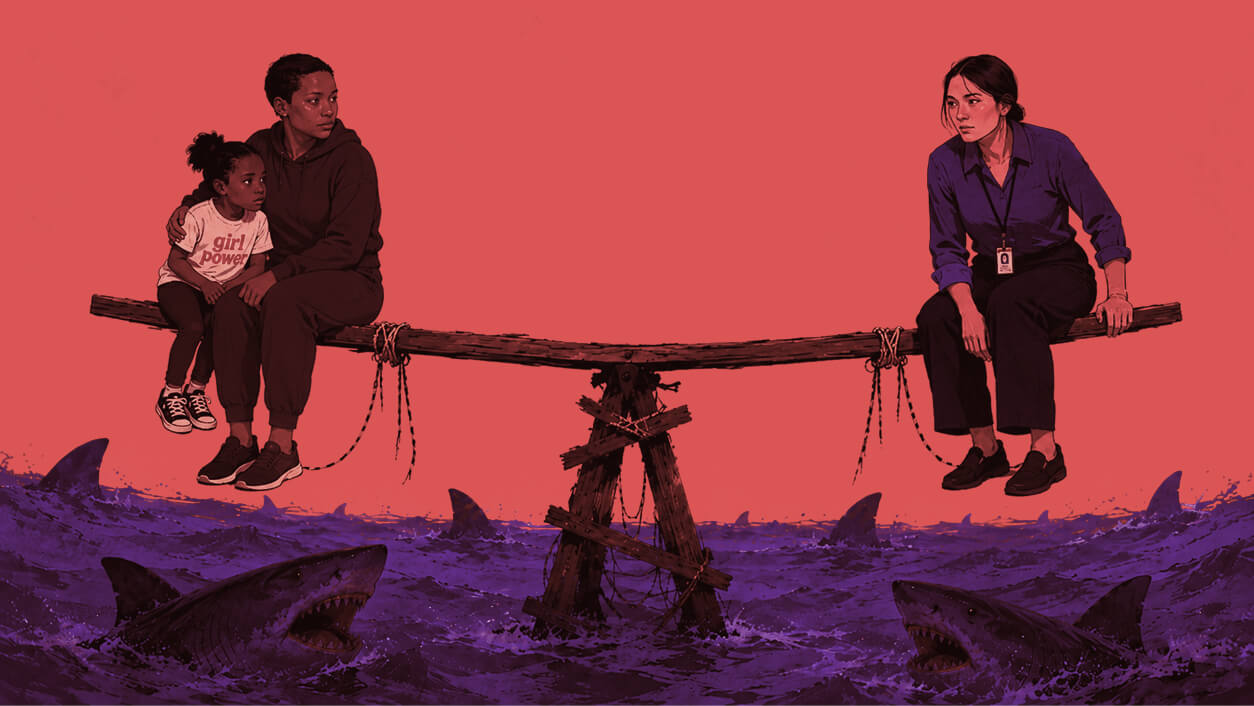
I advocate because I love my children and I want them to be well. Because I know the accommodations they require are entirely tenable, requiring only modest shifts in how adults think and respond. Because it is unbearable to watch them be slowly debilitated by a system that insists their needs are excessive and their interests are unimportant.
When my children started kindergarten, I wanted what every parent wants: to drop them off and walk away, trusting that the people responsible for their care would keep them safe and support their learning. The difference was that once I understood what was happening, I could not walk away. Not everyone feels their children’s pain viscerally. Not everyone has the temperament to persist indefinitely in the face of institutional indifference. But I do. And so I stayed. And I fought.
For years, I documented everything. Notes. Letters. Emails to myself. Diaries. I built an archive of harm because some part of me understood that I would need it. But it was not until 2025 that I stopped pursuing justice solely through advocacy and escalation channels and began pursuing it publicly: by writing, by publishing, by making visible what institutions had insisted on keeping private, by building counter-infrastructure to hold what official systems refused to acknowledge.
Recently, I have been thinking less about why I advocate and more about why we expect parents to advocate at all. Not all children are loved or wanted. Not all parents experience their children’s suffering as I do. If access to dignity depends on parental love, on ability to take their perspective, on the particular disposition of someone who will not let go no matter the cost, then we are not describing a rights-based system. We are describing a sorting mechanism — one that selects for certain kinds of parents and certain kinds of advocacy, and abandons the children whose parents cannot, will not, or should not have to fight in the ways the system demands.
That realisation unravelled something foundational for me. It forced me to ask what collective systems are actually for, and who they are designed to serve. And it forced me to reckon with what eight and a half years of advocacy have cost my family — costs no one disclosed at the beginning, costs distributed across my life in ways that made them difficult to see until they were irreversible, costs that far exceeded what leaving would have cost had that been a choice available to me in year one.
-

I only asked for gentleness: on parenting a PDA child in a punishing world
There is a certain kind of child—intuitive, emotionally articulate, wired with a startling perceptiveness about power and tone, about coercion and choice, about the invisible terms of adult authority—whose presence in the classroom becomes, almost immediately, a threat to the institution’s rhythm, a…
The architecture of institutional harm
My children are autistic and ADHD. Before kindergarten, before eight years of school advocacy consumed my professional life and redirected my family’s trajectory, they were harmed in daycare. Not the kind of violence that makes headlines, but routine institutional harm produced by systems without safeguards designed to prevent exactly this outcome.
The daycare had no data tracking to identify repeated incidents involving the same child. No escalation protocols to flag ongoing isolation and trigger review before harm became entrenched. No staff training to recognise autistic distress as communication rather than misbehaviour. No oversight capable of detecting patterns before they produced trauma.
Staff chose isolation and restraint. The system authorised those choices by omission: by failing to prohibit them, failing to train alternatives, and failing to build accountability structures that would make repeated isolation visible to anyone with authority to intervene. My children learned early that institutional adults could not be trusted to keep them safe, that distress did not produce care, and that their feelings didn’t matter.
We delayed school entry by a year to repair what daycare had broken. That year cost me professional momentum I never recovered. We paid privately for therapeutic support, reorganised our lives around safety and regulation, and redirected capacity that should have been building my career toward crisis management created by institutional failure.
When my children finally entered kindergarten, I wanted to believe school would be different. Public institutions with trained educators and legal obligations to accommodate, I thought, would recognise their needs. I was so exhaustively transparent and accurate about what their needs were before my children set foot in the door. I believed the year spent healing would allow them to enter ready to learn, supported by systems designed for precisely this purpose.
I was wrong.
-

Wait and see: a mother’s warning
Before kindergarten began, we told them—unequivocally, painstakingly, with as much specificity as we could muster—that our son had been harmed in daycare, that he had a long line of diagnoses and was awaiting an autism assessment, that his nervous system was thrashed, and that he would require sustained, full-day relational support in order to experience safety in a classroom. He would require consistent adults, declarative language, predictable transitions, sensory regulation, and a kind of gentle tact that didn’t demand performative trust before trust had been earned. They responded with reassurance, invoking a rhetoric of optimism: many children arrive at school…
School as replication of harm
School was not different. It replicated the essential features of the daycare harm, sometimes through identical mechanisms, always through the same logic: autistic distress was treated as a problem to be controlled rather than communication to be understood and accommodation was positioned as extraordinary burden rather than legal obligation and basic professional competence.
My son—overwhelmed, dysregulated, communicating through behaviour because the environment had made other communication impossible—was the target of rooms clear, the subject of safety plans, unofficially suspended, and then made to attend on a partial schedule.
My daughter became terrified of being left at the school. I heard her cries hours after I dropped her off, distracting me from trying to work.
Legally required accommodations were refused, delayed, diluted, or withdrawn without notice. Sensory breaks written into plans but never offered. Communication supports promised and never delivered. Reduced demands during dysregulation agreed to in meetings and ignored in practice. Staff lacked training, time, and administrative backing to change how they worked, and the system treated that failure as inevitable rather than unacceptable. There were so many staff faces and platitudes and there was so little basic relationship building.
Distress was interpreted as wilful misbehaviour. He can’t do that in kindergarten—that is not allowed. She will acclimate if you just leave quickly. The system could not—or would not—recognise that my children were behaving exactly as traumatised children do when placed in environments that replicate earlier harm. Their responses were reasonable. The conditions were not.
I could not leave the public system. Their father would not consent to removal, and I had no authority to exit the system unilaterally. I was trapped between witnessing harm and lacking power to stop it. So I fought, thinking that if I worked on it a bit, surely things would shift.
-

Few of us remain our best selves in a room starved of air
If you are a parent of a neurodivergent child, you can recite the script before the phone even buzzes. “[Child] had a very good day and really showed leadership with the younger kids” Pause. “But in the afternoon [Child] had some unexpected behaviour. [Child] is waiting at the office.” Praise is meant to help us feel that everything hasn’t gone to hell. I instantly wonder: what happened before that? I have answered those calls so many times that my body memorised the choreography. Laptop slammed shut. Keys already in hand. Car on the highway, while tears burn my cheeks. Desperate calls to…
The years of fighting
I began advocating the way parents are taught to advocate. I learned the frameworks, the language, the procedures. I looked up the Human Rights Code, the Canadian Charter of Rights and Freedoms, Ministry policy, district codes of conduct, and the UN Convention on the Rights of Persons with Disabilities. I wrote precise letters documenting violations, requesting specific accommodations in sanctioned terminology, escalating through approved channels when requests were ignored.
I attended meetings. Daytime meetings that required leaving work, often with only hours’ notice when a crisis was declared “urgent.” Meetings scheduled for administrative convenience rather than parental availability. I sat across from teams of staff with institutional knowledge, shared professional identity, and collective authority, while I sat alone or with an advocate who could not attend every meeting I was required to attend.
In these meetings I was told essentially that my children’s needs were too complex, too expensive, too high functioning. That my requests were unreasonable. That I was asking for special treatment rather than basic accommodation. That it was unreasonable to expect schools to meet legal obligations, but reasonable for them to violate my children’s dignity daily.
-

Poise as pedagogy
There is a cost to composure that institutions never count. When schools reward mothers for staying calm in the face of harm, they turn grace into a gatekeeping tool and punish those who dare to grieve out loud.
Coordinating assessment and support
I coordinated assessments. Private psychoeducational evaluations costing thousands of dollars each, because school-based assessments took years to access, because waitlists stretched indefinitely, because schools would not act without documentation they themselves refused to produce in time.
I researched accommodations, drafted IEP goals, supplied detailed descriptions of sensory profiles, communication needs, learning styles, and one pagers. I performed labour that trained educators are professionally obligated to do, unpaid labour conducted during hours I should have been working, using capacity that should have been building my career and my family’s economic security.
-

The moral cost of leaving children in fight-or-flight
Robin was eleven the day he fell and came up swinging. It was recess, and something had happened—a misstep, a bump, a collision on uneven ground. His body hit the pavement. And when he rose, disoriented and humiliated, the first thing in his path was his best friend. So he struck him, over and over. That friend, Michael, had constituted one of the few stable social anchors tethering…
Advocating
I got advocates—highly skilled, strategic, well known people who understood the system and had supported families through high profile cases. I believed expertise would matter. They encouraged me to keep fighting. They saw my case as winnable, potentially precedent-setting.
Their work required belief in the system’s responsiveness. Advocacy depends on faith that procedure produces results. I do not believe they intended harm.
But no one said what should have been said plainly: this system is not designed for your child. You can fight, but it will take years of your life, and your children may be sacrificed along the way. The costs will be distributed across your career, your marriage, your health, and your housing stability, and you will not recognise them as connected to advocacy until they are irreversible.
Just a Parent
That conversation never happened. I consented to advocacy. I did not consent to the closing off of career prospects, the collapse of my marriage, the loss of my children’s stability, or years of preventable trauma inflicted while I was told to keep following process.
No one explained that advocacy is not bounded effort but an extraction regime. No one explained that the system would not change but would wait me out. No one explained that “winning” might arrive only after the conditions that made fighting possible had already been destroyed.
I filed complaints. I prepared evidence. I participated in meetings that produced minimal accommodations, implemented inconsistently, then abandoned with staff turnover. I documented every violation, maintained detailed records, followed every procedural requirement. I believed correctness would compel response.
The system did respond. Not as I had imagined.
-
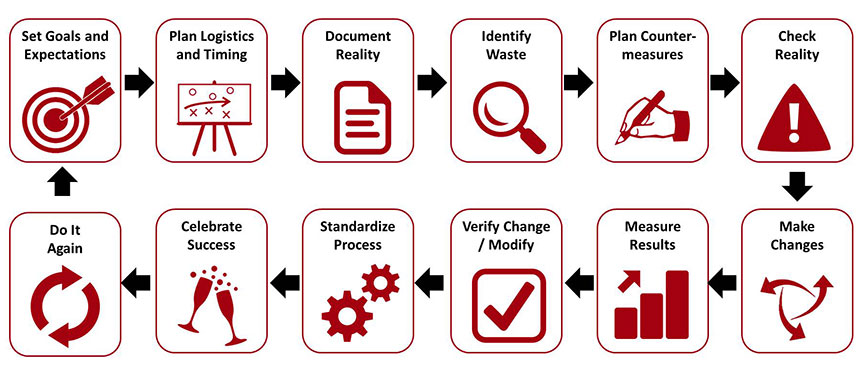
Manufacturing acceptable loss: why parents must resist education’s factory logic
Districts describe their work using the language of continuous improvement, capacity building, resource optimisation, and evidence-based allocation—borrowing terminology from industrial production systems designed to manufacture widgets efficiently, to minimise waste, to maximise throughput, to tolerate predictable defect rates within acceptable margins. This vocabulary…
Capacity theft
Capacity is not infinite. This obvious truth is obscured when parents are told advocacy is simply learning techniques and persisting.
The hours I spent reading policy, drafting correspondence, preparing for meetings, debriefing after meetings, coordinating with advocates and professionals, tracking violations across years, could not also be spent on work that would advance my career. The cognitive labour required to maintain procedural memory and evidentiary precision was not available for strategic analysis and creative problem-solving clients pay for.
The emotional labour spent regulating my children after school harm—processing exclusions, maintaining my own regulation so I could co-regulate theirs, extensively accommodating them because they were so drained—was not available for work. The psychological cost of witnessing preventable harm while being told it was policy was incompatible with maintaining professional composure.
-
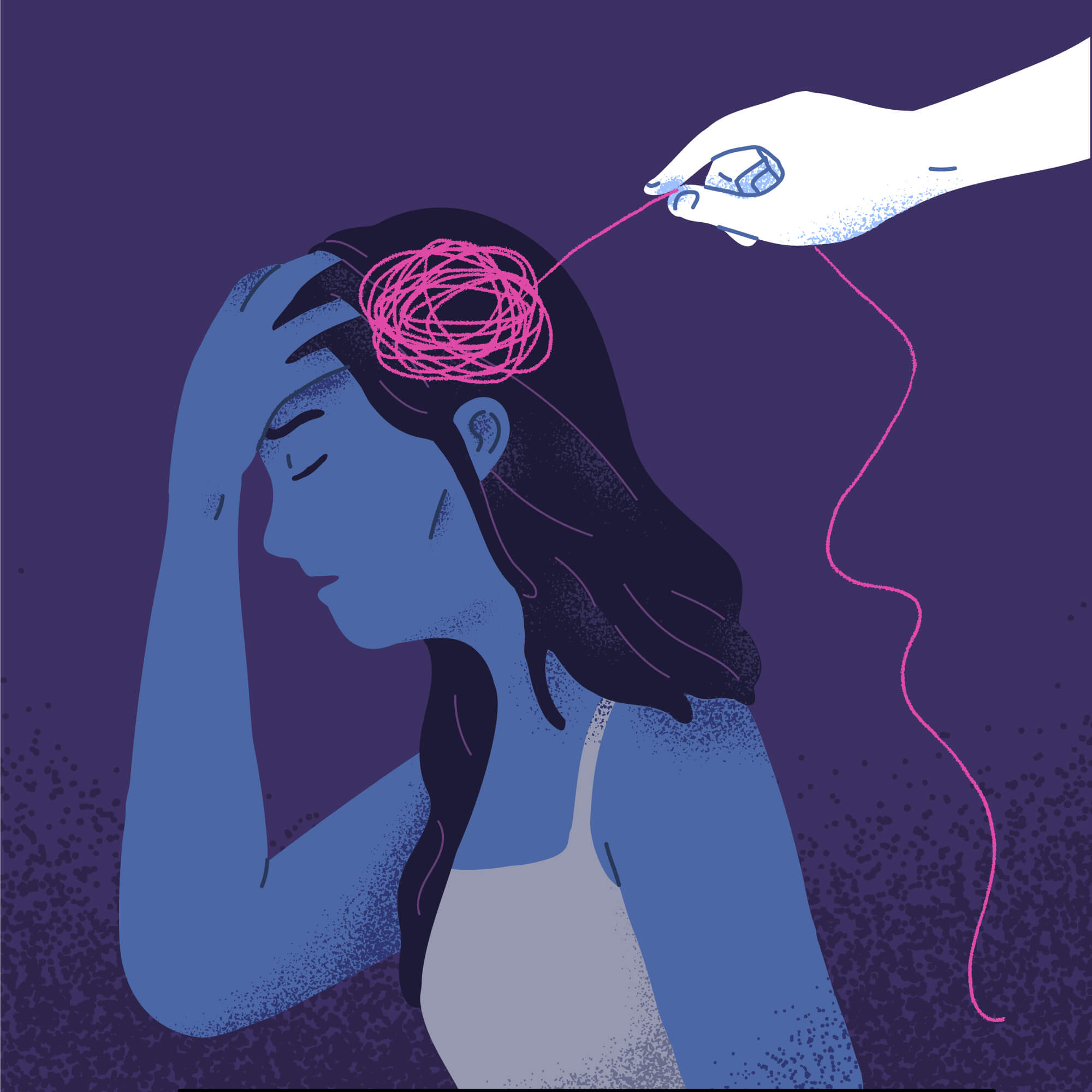
The unseen wounds of advocacy: caregiver burnout, moral injury, and embodied grief
Caregiver burnout in BC schools reflects moral injury and systemic betrayal, as mothers fight exclusion and harm while advocating for disabled children.
Forced witness changes you
I was forced to witness my children being harmed by institutions claiming to serve them. Room clears are sanctioned isolation and humiliation. Exclusions are removal from environments legally required to accommodate.
Being required to deliver your children daily to institutions you know will harm them, because refusal risks child protection involvement or endless legal costs, changes you. Being told you are unreasonable for objecting to that harm changes you.
Chronic exposure to unpredictable threat rewires the nervous system. Trauma research documents this. My body learned to treat school emails as emergencies, phone calls as crisis signals. Vigilance became permanent because my children’s safety genuinely could not be trusted to those responsible for it. Your metabolism changes as you metabolise harm.
The salary collapse
I often wonder what my salary would have been if I had been allowed to keep focussing. I saw salary gains of 10-15% in many of the early years of my professional career, thwarted a bit during the early years of having my kids, then recovering, and then school started. My salary tried to keep up, but the exhaustion is like a yo-yo: initially far away and easy to dismiss, but then in your face and hard to ignore. After three years my salary peaked, and then dropped by a third over five years. This was not pause but regression. I could not sustain the hours, focus, or stress tolerance required for senior roles. I took lower-paid work with better work-life balance and still did not find work-life balance, because now I had a new job that I never asked for.
The accumulated financial loss
The cumulative loss over eight years—the gap between projected earnings and actual income—amounts to roughly five times what private support would have cost annually over the same period.
This calculation is never presented to parents. It becomes visible only after damage is irreversible.
If I had exited early and paid privately, the cost would have been significant but manageable while my earning capacity remained intact. Instead, advocacy destroyed that capacity, leaving me dependent on the very system I had tried to escape.
-

Protecting the ledger over the learner: operationalising scarcity in BC School Districts
British Columbia’s public schools are mandated to provide inclusive education for all students, but they do so in a context of chronic resource scarcity. Scarcity in education means there are not enough funds, staff, skills, or services to fully meet all student needs. School districts…
The dissolution of everything else
My marriage failed. Under the stress of seeing our children unravel we fought viciously. We turned on each other because there was nowhere else for rage and grief to go. We both wanted to blame someone for things not working and we did!
Loss of home and stability
We separated and sold our home. My children lost their physical anchor during a period when stability was most needed. They lost space, continuity, and the illusion of permanence. No more running next door to play with a friend. Long commutes and being left out of neighbourhood fun.
For autistic children already carrying trauma, this loss compounded harm in ways that reverberate still. The familiar becomes a luxury when you cannot trust that any place will last, when attachment to physical space has been punished repeatedly by forced moves that had nothing to do with what the children needed and everything to do with what the family could no longer sustain.
Multiple moves compounding trauma
We moved repeatedly. Each move was necessary—cheaper rent after losing dual income, proximity to schools after leaving previous districts, availability in a market that offered few options we could afford. Each move deepened trauma. My children learned not to attach to place, routine, or space, learned that even temporary stability cannot be trusted, learned that their rooms and their routines will be taken away without warning or regard for what they need.
They are in grade eight now. They have lived in five homes since we sold our house. All of them require long drives to their school—drives that eat into morning routines for children who need predictable slow mornings, drives that mean they cannot participate in after-school activities, drives that physically separate them from any potential friendships because no neighbourhood friends live close enough to visit spontaneously or stay connected outside school hours.
COVID as revelation in year five
COVID arrived when we were already shattered. Services vanished. Minimal supports disappeared. Online learning imposed demands entirely misaligned with my children’s needs—hours of screen time, independent work completion, self-regulation in environments designed for neurotypical children living in stable families with parents available to support them.
We did not even try to do the online schooling. We just tried to keep the kids alive while we worked. Room clears stopped only because there were no rooms to clear them from, but the fundamental abandonment continued in new forms dressed up as emergency measures.
The children watched TV or played iPad while I tried to work. They fought—physically, loudly, constantly. I found myself muting online meetings to yell at them to stop fighting, then unmuting to respond professionally to colleagues and clients as though nothing was happening. One time they were trying to kill each other in the other room and I thought I had muted the meeting and I had not. “Shut up!” I saw expressions register on faces in the Zoom grid and froze and turned the meeting off, my professional credibility evaporating in real time while I dealt with children who needed full-time support I could not provide because I was supposed to be working to pay rent on housing we could barely afford after the divorce.
I got so stressed out I developed a systemic allergic reaction with hives, then symptoms of anaphylaxis—my body staging its own crisis in response to conditions that were genuinely unbearable, that asked me to be two people simultaneously in two places at once with capacity I did not possess for tasks that were both urgent and incompatible.
Through this, I kept wondering: how could one teacher be expected to support twenty-three kids with occasional educational assistant help when I could not even support two kids and work online? The question was not rhetorical. It was the recognition that the system had always been asking the impossible, that the failure was structural not individual, that my children’s teachers were as overwhelmed and under-resourced as I was, but that this shared impossibility did not make my children’s needs less real or the harm they were experiencing less preventable.
The parent the system needs you to be
Over eight years, I came to understand the archetypal parent the system is built for—the parent advocacy organisations implicitly optimise for, the parent I was required to become if advocacy was going to work.
- This parent is organised. They maintain exhaustive records of meetings, emails, incidents. They track promised accommodations and their non-delivery, document violations, and escalate through prescribed channels when requests are ignored. They can retrieve documents instantly, cite policy accurately, and respond to institutional demands with speed and precision.
- This parent is articulate. They write calm, professional emails explaining their child’s needs without emotion. They request accommodations using sanctioned terminology, cite relevant policies and legal frameworks, and speak fluently in meetings with administrators who hold institutional authority. They translate their child’s needs into language the system recognises as legitimate.
- This parent is available during working hours. They attend meetings on short notice, take crisis calls, leave work to collect excluded children, and participate in assessments scheduled for institutional convenience. Their employment is flexible, secure enough to absorb disruption, or absent altogether.
- This parent is emotionally regulated. They remain composed while describing violations of their child’s dignity and safety. They do not cry or raise their voice or swear. They do not display grief, rage, or despair in ways that would allow institutions to dismiss them as unreasonable or incapable of objectivity.
- This parent is economically stable. They can fund private assessments, hire advocates and lawyers, and absorb unpaid labour. They can work fewer hours, accept stalled progression, and maintain household stability while advocacy consumes time and capacity that should have been spent earning income.
- This parent believes in process. They trust that systems respond to procedure, that persistence is rewarded, that escalation eventually compels compliance. They maintain this belief even as evidence accumulates that the system is structured to exhaust them—that procedure exists less to deliver justice than to defer it.
- This parent has reserve. They have not yet been broken by years of witnessing harm. They have not lost their marriage, their home, or their career. They have not reached the point where continued advocacy is structurally impossible. They can keep going because they have not yet paid the costs that make going impossible.
-
Fierce is fair: when institutional tone policing meets legal obligation
There comes a moment when a parent begins to speak in plain terms, with no softening edge, no accommodating smile, no fear of being perceived as uncooperative. It’s when you realise that you won’t be liked, no matter how hard you try, because your advocacy positions you as inherently unlikable by schools with their current stance. This fierceness is protected in law. Human Rights Tribunal of Ontario has made it abundantly clear: “fierce advocacy” must not and cannot prevent a school board from fulfilling its duty. [L.B. v. Toronto District School Board, 2015 HRTO 1622] The law protects your child’s right to…
That parent
For several years, I was the parent the system claims to respond to. I was organised, articulate, available, emotionally regulated, economically stable enough, and I believed in process. I resembled the parent advocacy organisations design their strategies around—the parent schools cannot easily dismiss, the parent who might win if she just keeps fighting.
Advocacy organisations wanted me because I was educated, articulate, and professionally powerful. As a solution architect, I was trained to identify system failures, read policy, cite law, document violations precisely, and redesign processes to work. I could maintain composure while doing it. I was exactly the kind of parent who could establish precedent, who could prove that the system responds when advocacy is done “correctly.”
What advocacy organisations saw as strategic advantage, schools experienced as threat.
Schools rely on parental deference: parents who accept administrative language at face value, who believe that “we’re working on it” signals progress rather than delay, who cannot distinguish procedural complexity from defensive design. I was not that parent.
They reacted to my professional capacity—the ability to see through bureaucratic performance to the structural failure beneath it, to name precisely what was not working and why. They reacted to my autism—the directness with which I named harm, the refusal to soften truth through social performance, the inability to accept harm as tolerable when it was plainly occurring. And they reacted to the combination: an autistic mother with professional credibility, analytical skill, and moral urgency grounded in her children’s suffering.
That combination could not be managed through tone policing or dismissed as emotion. It threatened institutional convenience.
Why the system must destroy parents like this
The system cannot openly confront parents like me. That would be too visible, too risky, too likely to produce sympathy or liability. Instead, it destroys through attrition—by making advocacy so costly that even highly resourced families are eventually depleted.
Most parents give up long before this stage. Most believe schools when told their requests are unreasonable. Most lack the professional background to recognise administrative complexity as a defensive tactic. Most cannot absorb years of unpaid advocacy labour or sustain fighting while watching their children harmed.
That is precisely why parents like me must be punished—not only to defeat an individual case, but to teach other parents what persistence costs. The punishment is pedagogical. It demonstrates: do not try this. Accept what you are given. Your child’s suffering is more tolerable than the cost of resistance.
This destruction is not accidental. It is not the unfortunate by-product of resource scarcity. It is the mechanism by which advocacy-dependent systems protect themselves from parents capable of forcing change.
Attrition as transformation
By the time accommodation arrives—if it arrives at all—the family has been transformed.
- The organised parent becomes disorganised under constant crisis.
- The articulate parent becomes too exhausted to write another email.
- The available parent loses the job that once allowed flexibility.
- The regulated parent becomes dysregulated after years of witnessing harm.
- The economically stable parent becomes precarious as advocacy destroys earning capacity.
The system needs parents like I was in year one. It cannot allow too many of them to succeed. If advocacy reliably produced accommodation, institutions would be forced to change how they allocate resources or how they treat disabled children. Instead, the system depends on exhaustion—on most families giving up, and the few who persist being too damaged to pursue accountability.
Who benefits
I was exactly the parent advocacy organisations needed to validate their model. I was exactly the parent schools needed to destroy to warn others away from persistence.
Both goals were served by encouraging me to fight for eight years.
Advocacy organisations got a case that pushed the system to respond, that escalated issues up the line. Schools got a visible cautionary tale. And I got the ruins of what advocacy cost: a career on the back burner, a dissolved marriage, a sold home, traumatised children, and permanently compromised capacity.
The lesson to other parents is unmistakable: do not be like her. If someone with her resources could not win without being destroyed, you certainly cannot.
This is how advocacy-dependent systems sustain themselves. They require sacrifice to function—and they ensure that the sacrifice is visible enough to deter resistance.
-

Why clarity gets punished
I’ve written about documentation, tone policing, gatekeeping, gaslighting, institutional betrayal, and grievability and legitimacy separately, butsometimes it helps to see those pieces in conversation—because together, they reveal something larger. This post draws together the threads of clarity, competence, and credibility, and asks: why do systems recoil when mothers speak plainly about harm? Why does it feel like the more clearly we speak, the less we’re heard? Why do accomplished women—consultants, strategists, health professionals, lawyers, policy advisors—so often leave IEP meetings feeling erased, doubted, or emotionally bruised? This post explores the strange and infuriating phenomenon where high competence triggers institutional defensiveness,…
Yes, it does meander a bit. Here’s a tighter version:
Why the fight must change form
We ask individual families to absorb catastrophic losses to force minimal institutional movement. Advocacy organisations build models assuming years of resistance, prolonged harm to children, and parental sacrifice as the price of progress.
This cannot be justice.
Children should not endure years of harm to prove advocacy works. Families should not be destroyed so a handful of cases can demonstrate system responsiveness. When advocacy depends on exhaustion, the ethical failure lies not with families who leave, but with systems—and advocacy models—that require sacrifice to function.
The necessary shift
If advocacy only works through sustained and heroic effort by individual families, it will always rely on attrition. Systems move when delay becomes costly, when harm is visible, when refusal carries reputational and political risk.
That requires collective, accelerated, and public pressure—not isolated families disappearing into procedural trenches for eight years. The costs of institutional failure must land on institutions, not on children and families.
The ethical line
Children should not have to endure prolonged harm to teach systems what they already know. Parents should not have to destroy their lives to prove that rights exist. Advocacy that extracts sacrifice without honest disclosure is not informed consent—it is attrition dressed as process, conscription disguised as choice.
The question is whether we are willing to stop asking families to do this alone, for years, at costs exceeding private alternatives, in ways that destroy them while systems face no consequences.
What families need to know before year one
If you are standing where I stood eight years ago, you need information I was denied.
The costs that become visible too late
Advocacy extracts costs distributed across categories that appear unrelated until you perform the inventory years later: career trajectory stifled, relationships dissolved, mental health deteriorated, housing stability lost, health declining, and compounding harm to your children’s wellbeing that may exceed any harm from missed academics. It does not matter how smart or talented you are—the odds are not in your favour. Most families who fight are destroyed long before accommodation materialises, if it ever does. And if it does materialise, no one will remember it was owed unless you go through the whole process again next year.
The honest prediction
Eight years of fighting may leave you earning far less, professionally diminished, divorced, displaced, and caring for children whose trauma from institutional harm outweighs any academic gains.
Your disabled child might learn more and be healthier staying home with zero instruction than attending school that harms them daily. Unschooling legitimately works better for PDA profiles than instruction in coercive environments. The academic material they miss may matter far less than the trauma they avoid.
Fighting for “free” public services might cost five to ten times more than private school would have cost if you had protected your earning capacity.
What advocacy organisations need from you
Advocacy organisations may encourage persistence because their theories of change depend on believing process works—even when structurally stacked against your child, even when designed to wait you out, even when persistence destroys the family.
They need families to fight to validate their models, to demonstrate advocacy can work, to establish precedents. These are organisational needs that may not align with your family’s needs. The encouragement may come from people who cannot acknowledge that fighting often causes more harm than leaving, because that would mean confronting their model’s extraction of unsustainable labour.
What I know now
My children are in grade eight. They have lived through eight and a half years of inadequate accommodation, institutional harm, family dissolution, housing instability, and pandemic. They have learned adults in authority cannot be trusted to keep them safe, that institutions will harm them when resources are constrained, that their distress will be punished rather than supported.
They have learned their mother will fight for them at any cost. I am not certain this serves them well. It may have taught them they are worth fighting for. It may have taught them that fighting is what love looks like, that survival requires constant vigilance, that institutions will not meet their needs without unsustainable extraction from those who care.
Living with constrained choices
If someone had told me in year one what year eight would look like, I might have chosen differently. But my choices were constrained. Their father would not consent to removal. I felt their pain viscerally and could not walk away. I believed persistence would eventually produce results.
I was not wrong about everything. The accommodations my children need are tenable. The system could provide them. The harm was preventable. Fighting for children is not inherently wrong.
What I was wrong about was the cost. The system is designed to make fighting expensive. Procedural fairness obscures extraction. By the time you recognise what advocacy costs, recovery is impossible.
The system defeats families not by winning dramatically but by making them fight until victory and defeat become indistinguishable—both producing destroyed families, traumatised children, nothing left to give, and accommodation arriving too late if at all.
The truth that cost everything
Sometimes the most loving choice is leaving systems that harm your children rather than fighting while they watch you destroyed. Sometimes protecting what matters requires accepting institutions will not meet obligations, that injustice will not be remedied through individual sacrifice, that your capacity to support your children matters more than vindication through processes designed to prevent it.
What I would do differently
This is my story. Not every family’s story.
Different districts may offer less resistance. Different profiles may receive better support. Some families secure accommodation at justified costs.
But I can say clearly: I took on too much, and I did it wrong.
Get a lawyer in year one
If your child’s needs are unmet after one year, get a lawyer. Not in year three. Not after you are broken. In year one.
I believed I could advocate effectively—educated, articulate, professionally skilled at analysing systems. I believed lawyers were expensive last resorts.
What I would have spent on a lawyer in year one is a fraction of what I lost without one. A lawyer might have secured accommodation before harm accumulated, made districts take requests seriously, preserved the capacity I destroyed doing their work myself.
I have a lawyer I trust now. Having legal representation changes everything.
The tidal wave
If every parent whose child’s needs went unmet after one year got a lawyer, it would create pressure forcing real change. We do not know what districts spend fighting parents now, but sharply increasing those costs and making them visible might produce change.
Resistance is cheap because families bear the cost. Make resistance expensive for districts, and they will choose compliance.
The problem
Not every parent can afford a lawyer. Families most harmed often have least access to legal representation. This is why I keep fighting for systemic change requiring no advocacy—for funding models providing accommodation automatically and don’t depend on parents’ capacity to fight.
But while building toward that system, if you can possibly afford legal representation after one year of unmet needs, get it. You will spend less money and preserve more of your life than fighting alone for eight years.
If you cannot afford a lawyer, know this is not your fault. It is system design. You are not wrong for being unable to sustain what the system demands. The system is wrong for demanding it.
-
The unseen wounds of advocacy: caregiver burnout, moral injury, and embodied grief
Caregiver burnout in BC schools reflects moral injury and systemic betrayal, as mothers fight exclusion and harm while advocating for disabled children.