I often think back to the school principal telling me that when kids see my son, they don’t see an autistic child, they just see a child being mean.
When a disabled child melts down at school—after sensory overload, social stress, academic pressure, and chronic misattunement—schools rarely ask what led up to the crisis. Instead, the child is framed as the threat: disruptive, volatile, unsafe.
Then the child is excluded from the very place that is supposed to provide safety and belonging.
What schools fail to acknowledge: the exclusion used to “manage” meltdowns increases the bullying and isolation that create more meltdowns.
The mechanisms of harm:
- Partial schedules expose children during unsupervised transitions
- Room clears mark children as dangerous
- Alternative placements isolate children from protective peer relationships
- Supervision gaps create opportunities for targeting
- Visible separation signals to peers: this child will not be protected
The cycle: Bullying increases stress → stress leads to dysregulation → dysregulation leads to exclusion → exclusion creates more vulnerability → more bullying → more meltdowns.
Then the child is blamed for the pattern the system created.
-

The moral cost of leaving children in fight-or-flight
Robin was eleven the day he fell and came up swinging. It was recess, and something had happened—a misstep, a bump, a collision on uneven ground. His body hit the pavement. And when he rose, disoriented and humiliated, the first thing in his path was his best friend. So he struck him, over and over. That friend, Michael, had constituted one of the few stable social anchors tethering…
The “zero to sixty” myth
When schools say a child goes “from zero to sixty,” they erase everything that came before.
The car metaphor suggests:
- Behaviour is sudden, mechanical, without context
- The child’s response has no emotional logic
- The acceleration is the problem
- Adults bear no responsibility
What the metaphor erases:
- Long accumulation of unmet needs
- Repeated provocations and harm
- The child’s attempts to communicate distress
- Adult failures to intervene
- The predictable trajectory any attentive observer would recognise
There is no such thing as zero
What looks like calm is often:
- Hypervigilance masking as compliance
- Freeze response masking as cooperation
- Suppression of natural responses to avoid punishment
- Dissociation from an overwhelming environment
What looks like sudden aggression is:
- A nervous system reaching its limit
- Fight or flight after freeze fails
- Survival response when escape feels impossible
- The only strategy that has ever made adults respond
The real progression: 10 (coping) → 20 (anxious) → 30 (asking for help) → 40 (ignored) → 50 (desperate) → 60 (survival)
Schools chose to notice only the moment that disrupted the classroom.
-
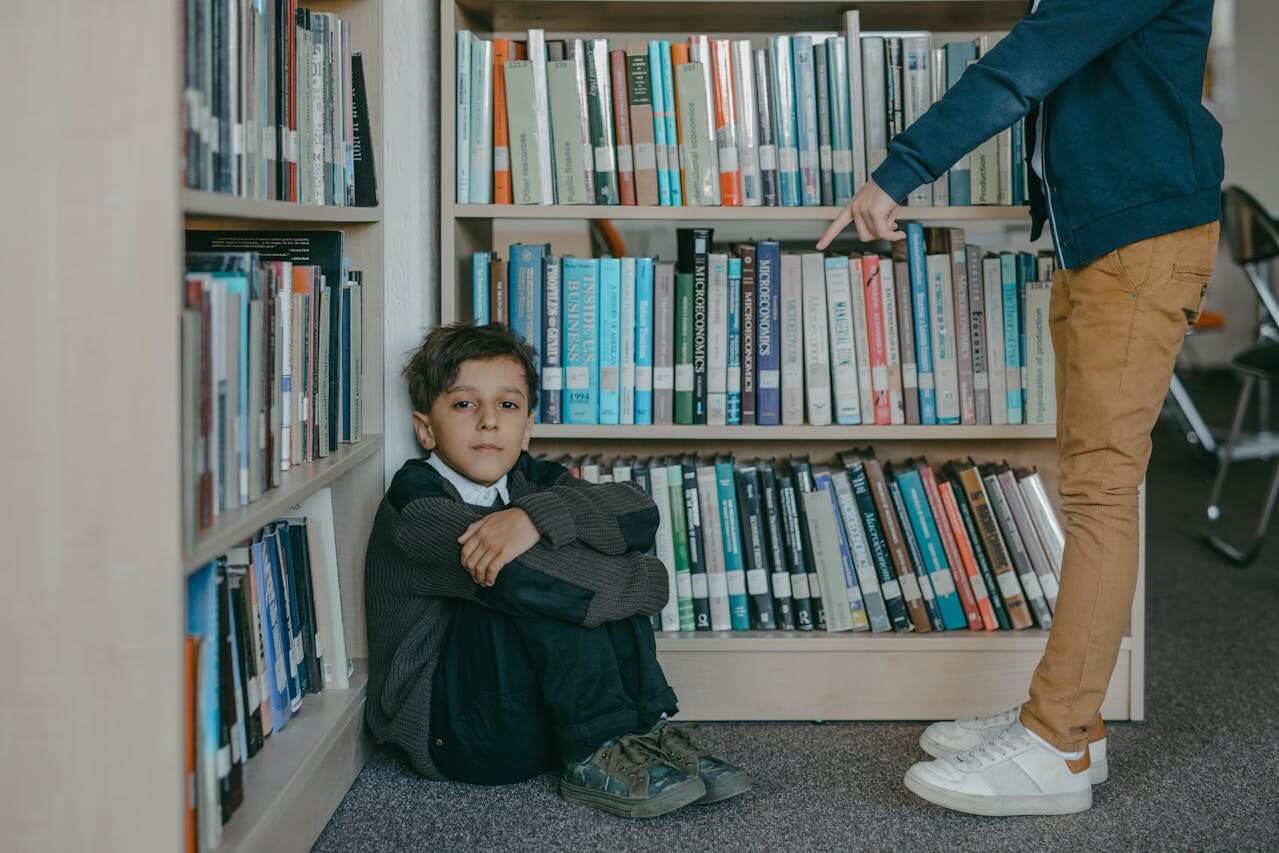
When schools say a child went from “zero to sixty”
Let’s rip the mask off this polite, professional charade: when schools say a child went from “zero to sixty,” they are lying to protect themselves. They are covering for the adults who ignored every warning, missed every signal, and left a child to be harassed, baited, and humiliated until their nervous system screamed for survival. They are turning real human suffering into a mechanical metaphor so they can…
Real timeline: what “zero to sixty” actually looks like
- Monday: Child asks to stay home because a peer has been targeting them. Parents encourage them to try. Teacher is not informed because Friday’s email wasn’t answered.
- Monday recess: The targeting peer corners the child, calls them names, pokes them with a stick. Child tries to walk away. Peer follows. Child says stop. Peer escalates. No adult intervenes.
- Monday afternoon: Child is assigned to work with the targeting peer. Child refuses. Teacher interprets this as defiance rather than self-protective boundary. No one asks what happened at recess.
- Tuesday: Same peer, same targeting, same inadequate supervision. This time when the child tries to pull away, the peer falls. Adult finally notices and documents that the disabled child “pushed” a peer.
- Tuesday afternoon: Child is pulled aside for “restorative conversation” about pushing. Child tries to explain. Is told “we don’t blame others for our choices.” Is told to “use your words.” The words being ignored right now.
- Wednesday: Child has a meltdown at school. Bites the targeting peer.
School’s documentation: “Student displayed unexpected aggressive behaviour, going from zero to sixty with no apparent trigger.”
There is no such thing as a child who goes from zero to sixty. There is only a child whose suffering went unacknowledged, a body that kept the score, a nervous system that braced, and a moment—one too many—when that child reached their limit.
Institutional surprise as weaponised incompetence
What weaponised incompetence looks like:
- Wide-eyed confusion about “sudden” escalation despite parent warnings
- Helpless hand-wringing: “We just don’t know what to do”
- Suggestion to “check with your expert team” as though parents haven’t been forecasting this outcome
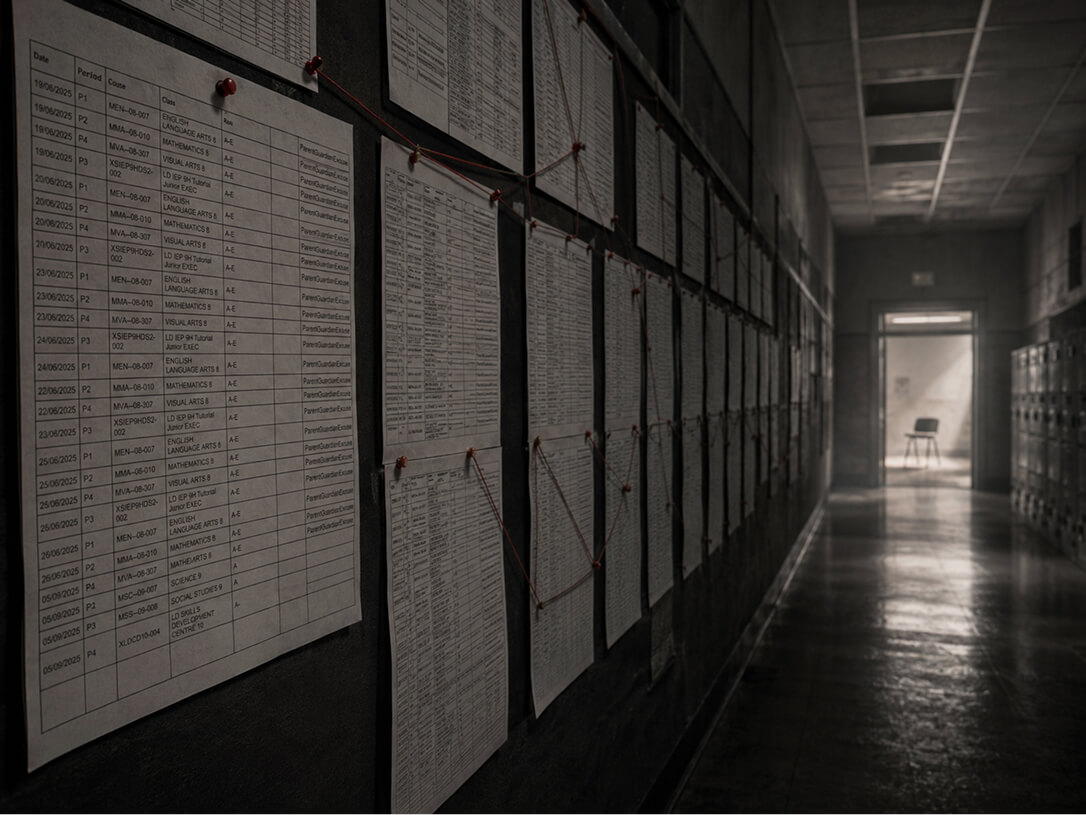
- Each incident treated as isolated rather than part of documented pattern
- Acting baffled when child dysregulates in exactly the circumstances parents identified
What weaponised incompetence accomplishes:
- Shields schools from accusation they were warned
- Erases parent knowledge and prediction
- Positions child as mysterious rather than adults as negligent
- Justifies exclusion as “necessary response to unpredictable behaviour”
- Protects schools from accountability
This institutionalised “well shucks, we’re just so baffled” functions as protective smokescreen, shielding schools from the accusation that they were warned, that they were told exactly what would happen, that the parents were right. It is easier to perform confusion than to own failure.
-
There’s no such thing as unexpected behaviour
This piece was hard to write. It holds my grief. It documents not only what happened to my child, but how systems made it worse by pretending to be surprised. I share it because too many families are made to carry this alone. Every time I see the phrase unexpected behaviour in a school document, a safety plan, or a therapist’s note, I feel something in my chest tighten—a recoil against the assumption that this behaviour arrived without cause, a refusal to account for everything that came before. It is a phrase that seems, on the surface, neutral—an institutional shorthand for incidents…
How exclusion increases bullying risk
Even when described as temporary or supportive, exclusion creates conditions that expose disabled children to peer targeting.
1. Reduced protection
Partial schedules mean:
- Child navigates hallways alone during high-traffic times
- Child misses structured activities with consistent adult presence
- More time in transitions with inadequate supervision
- Adults who might intervene don’t know the child’s patterns
Example: A child arriving at 10:00 AM instead of 9:00 AM must navigate hallways during class transitions with no escort. Peers who know this is “the biter” corner them, provoke them, knowing adults are focused on getting classes settled.
2. Visible stigma
Peers notice:
- “Why does that child leave early?”
- “Why are they not in our class?”
- “Why do they have their own room?”
- “My mom said they’re violent”
What children learn from exclusion:
- This child is dangerous
- This child is less deserving of belonging
- Adults view this child as a problem
- It’s acceptable to treat this child differently
- This child won’t be protected the way we are
The targeting that follows: Children identified as “the meltdown kid,” “the biter,” “the aggressive one” become systematic targets because peers understand adults view them as perpetrators rather than vulnerable children requiring protection.
3. Social isolation
Exclusion prevents protective relationships:
- Less time means fewer friendships
- Peers who might befriend them don’t have opportunity
- Child becomes more socially vulnerable
- Bullies recognise isolation and exploit it
- Child has no peer support when targeting occurs
4. Loss of context
When children miss time through exclusion:
- They fall behind academically
- They miss social learning opportunities
- They don’t understand current dynamics, inside jokes, hierarchies
- They become more confused and anxious
- Confusion makes them more reactive to provocation
Example: Child excluded for three days returns to find seating rearranged, new group project started, new playground games developed. Doesn’t know the rules, doesn’t know group members, doesn’t understand references to what happened. This disorientation increases vulnerability.
The exclusion cycle
How the pattern escalates:
- Disabled child melts down (often from unaccommodated needs, sensory overwhelm, peer provocation)
- School excludes child (partial schedule, room clear, alternative placement, suspension)
- Exclusion makes child more vulnerable (reduced supervision, social isolation, visible marking, loss of context)
- Peers target the excluded child (knowing adults view them as dangerous rather than vulnerable)
- Bullying creates dysregulation exceeding child’s capacity to regulate
- Child melts down again
- School documents meltdown as evidence child needs more exclusion
- More exclusion creates more vulnerability
School records show:
- Multiple incidents of “aggressive behaviour”
- Child’s “inability to function in mainstream classroom”
- Progressive interventions that “didn’t work”
- Final placement in alternative setting “for safety”
School records don’t show:
- Repeated reports of peer targeting not investigated
- Inadequate supervision during unstructured time
- Parent warnings predicting this trajectory
- Accommodation requests denied or implemented superficially
- Systematic exclusion making child more vulnerable
- Bullying creating the meltdowns justifying more exclusion
The body keeps the score
What schools call “sudden” behaviour is the nervous system responding to accumulated harm.
How trauma accumulates:
- Week 1: Child teased about stims. Tries to suppress movements but this increases stress. No adult intervenes. Body registers: adults will not protect me when I’m different.
- Week 2: Child excluded from playground game. Tries to join, is shoved. Reports to yard supervisor who says “work it out yourselves.” Body registers: I am alone here.
- Week 3: Child cornered in bathroom by peers who mock their speech. Tries to leave, is blocked. Pushes past, is documented for “pushing.” Body registers: my self-protection is punished.
- Week 4: Child refuses to go to recess because scared. Teacher insists they “need fresh air.” Child goes, is targeted, comes back crying. Body registers: my fear is ignored.
- Week 5: Child melts down when assigned to work with targeting peer. School frames as “refusal to cooperate,” implements consequence. Body registers: there is no escape.
- Week 6: Child bites peer who has been systematically targeting them. School implements exclusion. Body registers: I am the monster.
What the body learns:
- Adults will not intervene before I am harmed
- My signals of distress are ignored
- Self-protection is punished as aggression
- I am alone in environments that hurt me
- The only way to make it stop is to explode
Accommodation versus exclusion
When child bites peer after provocation:
Immediate response:
- Remove child from classroom
- Document “aggressive behaviour”
- Suspend child for three days
- Require “safety plan” before return
What this communicates to child: You are dangerous. Your distress is intolerable. You do not belong. Other children need protection from you.
What this communicates to peers: That child is violent and bad. Adults will remove them. It’s okay to provoke them because they’ll be punished. They are not really part of our community.
Consequences:
- Child returns more anxious, more dysregulated
- Peers learned child is acceptable target
- Child missed instructional time and social context
- Trust damaged
- Pattern likely to repeat
Long-term trajectory: Escalating exclusion → increasing bullying → more frequent meltdowns → eventual segregated placement or parent withdrawal → lifelong trauma from school as site of harm.
The accommodation approach (what schools should do)
Immediate response:
- Ensure everyone’s physical safety
- Support child’s regulation before investigating
- Create space for child to calm without shame
- Provide sensory supports, trusted adult, time
Investigation centring context:
- What happened before the bite?
- Who was involved?
- What was the environment like?
- What supervision was available?
- Has this peer targeted this child before?
- What did the disabled child try before biting?
What investigation reveals:
- Peer has been systematically targeting disabled child for weeks
- Disabled child reported concerns multiple times
- Adults minimised or ignored reports
- Supervision inadequate
- Disabled child used verbal requests before physical response
- Peer continued despite requests
Accommodations implemented:
Environmental modifications:
- Increased supervision during recess, lunch, transitions
- Designated staff person who knows child’s patterns
- Reduced sensory triggers (lighting, noise, seating)
- Access to quiet space when overwhelmed
- Predictable schedule with advance notice
Social supports:
- Peer education about neurodiversity
- Explicit instruction about respectful interaction
- Adult-facilitated social opportunities
- Structured buddy system with trained peers
- Regular check-ins that don’t require child to initiate
Communication systems:
- Non-verbal ways to signal distress
- Regular home-school communication about peer dynamics
- Documentation capturing provocation and context
- IEP revision including bullying prevention
Response to targeting peer:
- Clear communication that targeting won’t be tolerated
- Supervision preventing future provocation
- Consequences addressing behaviour without humiliation
- Education about disability and peer interaction
What this communicates to disabled child: Adults believe you. Your distress makes sense. We should have protected you sooner. You belong here and we will make it safe.
What this communicates to peers: This child is part of our community. Targeting is not acceptable. Adults will protect vulnerable students. We all have different needs.
Outcomes:
- Child feels safer, can access learning
- Peers learn appropriate interaction
- Bullying decreases
- Meltdowns decrease
- Trust begins to rebuild
Long-term trajectory: Child remains in inclusive setting with appropriate supports → develops social connections and academic skills → learns environments can be safe and adults can be trusted → does not carry trauma from school.
The cost-benefit analysis schools refuse
What exclusion costs:
- Lost instructional time
- Educational harm from removal
- Psychological harm from being marked dangerous
- Increased vulnerability to bullying
- Staff time managing crisis
- Potential litigation
- Long-term outcomes: dropout, mental health crisis, trauma
What accommodation costs:
- Staff time investigating context
- Possible additional supervision
- Training on trauma-informed practice
- Flexibility in resource allocation
What accommodation returns:
- Child can access education in least restrictive environment
- Child develops skills and relationships
- Bullying decreases
- Fewer crisis incidents
- Human rights compliance
- Long-term outcomes: graduation, wellbeing, contribution
Schools choose exclusion not because it works better, but because it requires less examination of adult failures and institutional design.
Refusing the “meltdown monster” narrative
Document the pattern showing meltdowns are predictable:
Create tracking log including:
- Date and time of each meltdown
- What happened immediately before
- What happened in hours/days before (bullying, schedule changes, sensory overwhelm)
- What your child tried before melting down
- Who was supervising, whether they intervened
- What accommodation would have prevented this
Example email language:
“On Thursday, Robin had a meltdown involving hitting. I want to provide context demonstrating this was predictable response to accumulated stress, not unexpected behaviour:
Wednesday: Robin reported [Peer] called him ‘stupid.’ I emailed teacher. No response.
Thursday morning: Robin anxious about school, afraid of [Peer]. I emailed requesting separation.
Thursday recess: Robin assigned same zone as [Peer] despite email. [Peer] approached, began taunting. Robin tried to walk away. [Peer] followed. Robin asked him to stop. [Peer] escalated. Robin looked for adult—none close enough. [Peer] pushed Robin. Robin pushed back, then hit.
This meltdown was preventable through:
- Response to Wednesday’s report
- Supervision ensuring separation
- Adult intervention when taunting began
- Adequate staff-to-student ratio
I am requesting IEP meeting to include these accommodations going forward. The pattern is clear: when Robin is unsupervised around peers who target him, he will eventually respond physically because his requests for help are ignored. This is not ‘unexpected behaviour’—this is a child protecting himself when adults fail to do so.”
Refuse safety plans framing your child as the problem:
When schools present plans focused on:
- Monitoring your child’s behaviour
- Removing your child at “warning signs”
- Tracking your child’s “incidents”
- Consequences for dysregulation
Respond with:
“I will not sign a safety plan positioning my child as the safety risk when the actual risks are inadequate supervision, unaddressed bullying, and overwhelming sensory environments.
I will sign a safety plan including:
- Increased adult supervision during high-risk times
- Investigation and response to peer targeting
- Environmental modifications reducing sensory triggers
- Proactive accommodations preventing dysregulation
- Communication systems allowing my child to request help
- Documentation of what adults will do differently, not just what they expect my child to do differently”
Request IEP revision addressing bullying prevention:
“I am requesting IEP meeting to address the bullying my child is experiencing and accommodations necessary to prevent it. Under the BC Human Rights Code, schools have duty to accommodate when bullying creates barrier to accessing education. My child’s dysregulation is direct result of systematic peer targeting combined with inadequate school response.
The IEP must include:
- [List specific accommodations]
- Documentation of how school will prevent bullying
- Regular communication about peer dynamics
- Clear accountability for implementation”
When schools threaten exclusion, invoke human rights framework:
“Excluding my child for dysregulation caused by bullying violates the duty to accommodate under the BC Human Rights Code. The school’s obligation is to modify the environment and provide supports preventing meltdowns, not to remove my child when your accommodations prove inadequate.
Student by Parent v. School District 2023 BCHRT 237 establishes schools must continue trying different accommodations when initial efforts fail. Exclusion is not accommodation—it is abandonment.”
What needs to change
At the classroom level:
- Stop describing disabled children as going “zero to sixty”
- Investigate what happened before meltdown
- Implement accommodations preventing bullying
- Document adult failures to intervene
At the school level:
- Revise IEPs to include bullying prevention as accommodation
- Increase supervision during times when bullying is most likely
- Provide peer education about neurodiversity
- Create communication systems not relying on disabled children to self-advocate beyond capacity
At the district level:
- Recognise exclusion violates duty to accommodate
- Track exclusionary practices and connection to bullying
- Provide trauma-informed, disability-aware training
- Hold schools accountable when they remove children rather than address barriers
At the provincial level:
- Mandate ERASE include specific guidance on disability and bullying
- Require IEP revision when bullying creates barriers to education
- Establish that exclusion of bullied disabled children constitutes discrimination
- Create accountability when schools abandon disabled children to peer violence
The call for accountability
Disabled children are not meltdown monsters.
They are children responding to environments designed to harm them, to peer violence adults refuse to prevent, to accumulating trauma schools blame them for expressing.
The meltdowns schools call “unexpected” are the predictable outcome of systematic failures schools have the power and obligation to address through accommodation rather than exclusion.
Stop making monsters out of traumatised children.
Start making schools safe for the disabled children you claim to serve.
-

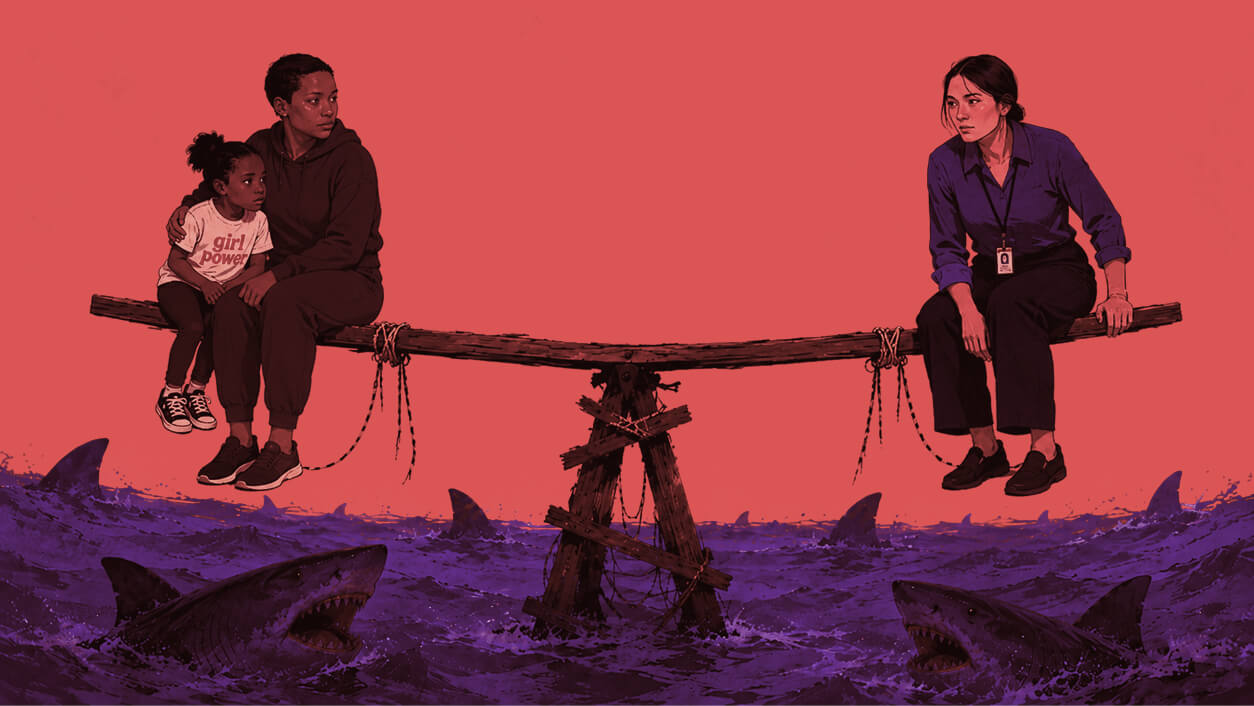
Scapegoats for austerity: BC education funding excludes disabled children
BC education funding scapegoats disabled children, using collective punishment and performative inclusion to divide parents and maintain austerity.