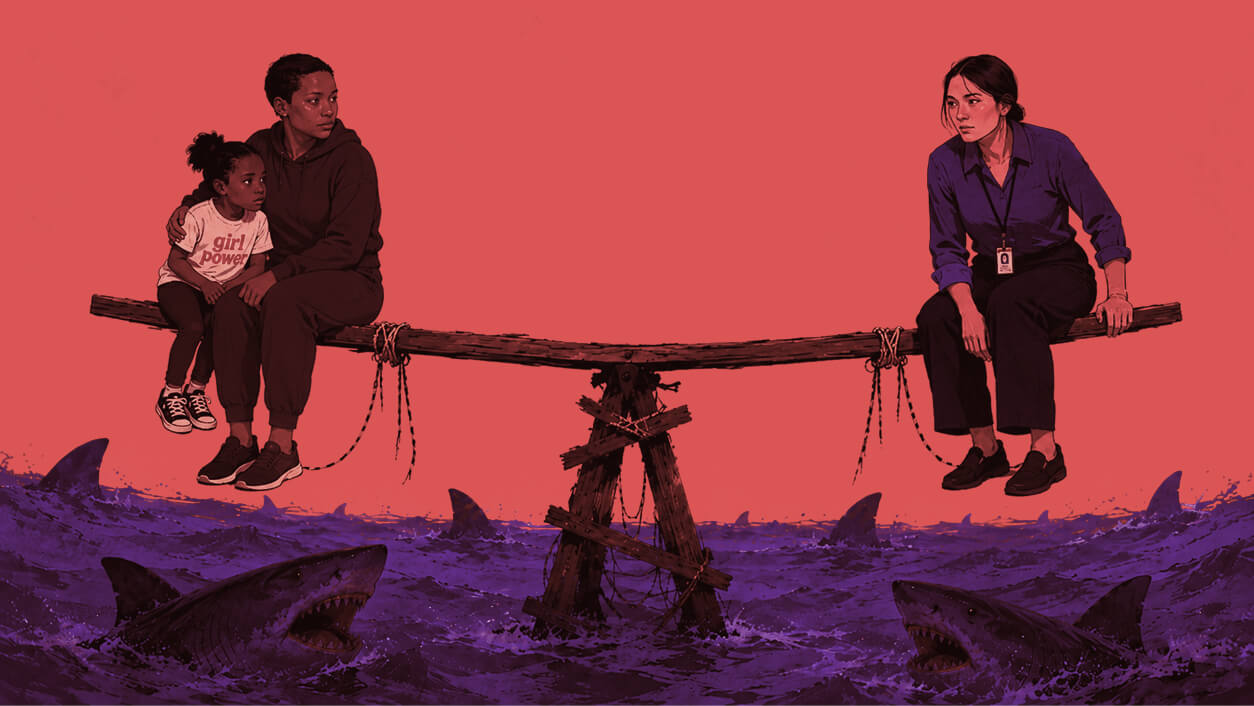
Autistic girls in B.C. schools often develop sophisticated masking or camouflaging strategies to hide their autism in order to fit in and avoid bullying. In the short term this can make them appear “fine” – leading teachers and administrators to assume no support is needed – but the “masking tax” is high. Decades of invisible stress and exclusion build up as girls suppress stims and social needs, resulting in chronic anxiety, depression, burnout and underachievement (2021 Halsall J, Clarke C, Crane L.).
Importantly, masking delays or obscures autism diagnoses: many girls aren’t identified until late childhood or adolescence, by which point they have already endured years of unaddressed victimisation (2021 Halsall J, Clarke C, Crane L.).
Current B.C. policies (e.g. Safe and Caring Schools) proclaim every student deserves a bully-free environment, but in practice masked students slip through the cracks.
This report synthesises research, policy, and lived experience to explain how masking operates as a survival strategy for bullied autistic girls, why schools often misread it as “no problem,” and what the long-term impacts are. We review prevalence, gendered dynamics, and developmental mechanisms, cite first-person accounts (including local voices), and outline B.C. education policy. The report concludes with recommendations for trauma-informed training, early screening, and targeted interventions to unmask these hidden harms.
Definitions: masking and camouflaging
Masking (often called camouflaging) refers to an autistic person’s deliberate or unconscious efforts to hide autistic traits and mimic neurotypical behaviour in social situations. As one expert explains, it involves “suppressing natural traits” (like stimming), forcing eye contact, rehearsing conversations, etc., to conform to social norms (Autism BC).
In practice, autistic girls will “smile and nod” along even when they don’t understand, or consciously change their facial expressions and tone to fit in (2021 Halsall J, Clarke C, Crane L.).
By learning what “typical” peers do, they hope to avoid negative attention – bullying, teasing or humiliation – but at great personal cost. Masking is not benign: even though it may temporarily ward off bullying, it leads to constant self-surveillance and psychological strain (Thinking Forward).
- Key point: Masking is a learned survival strategy in a hostile social environment. It can involve both imitation (copying others’ manners) and suppression (hiding one’s own needs or interests). Often it is gendered: girls are socialized to appear polite and compliant, so many learn to mask their autism more effectively than boys (Autism BC).
Prevalence and diagnosis timeline
Autism diagnoses in Canada show a roughly 4:1 male-to-female ratio in childhood, but this gap largely reflects under-recognition in girls. Official data (2019 Canadian Health Survey) finds about 1 in 32 boys versus 1 in 125 girls identified as autistic. In B.C., autism organisations report even higher rates of missed diagnosis among women and girls; one survey found 24% of respondents (mostly female) were misdiagnosed with other conditions before learning they were autistic (Autism BC). Girls often mask their difficulties so well that teachers and parents do not see the classic “male” profile of autism. As a result, many autistic girls in B.C. are not diagnosed until late elementary or even adolescence (Autism BC). By then, they have already endured years of social struggles without support.
- Developmental trend: In early grades, simple imitative strategies (like copying peers) may suffice, but by adolescence social cues become more subtle and complex, making masking more mentally taxing. Late-diagnosed girls often describe a social “eruption” in puberty, when they can no longer keep up the facade (2021 Halsall J, Clarke C, Crane L.).
Bullying dynamics for autistic girls
Children with autism are bullied at much higher rates than typical peers, almost 3 times in some studies (2018 Hwang S, Kim YS, Koh YJ, Leventhal BL.). For girls, bullying often takes the form of social exclusion, rumour-spreading, subtle harassment rather than overt violence. A major systematic review noted that feelings of isolation and loneliness were common memories among autistic women reflecting on school, with “perceived bullying” pervasive (2025 Urbaniak K, D’Amico M.). Importantly, research shows autistic girls experience bullying differently from boys: one study found that autistic boys are often visibly excluded from groups, while girls tend to be “unseen rather than spurned” by peers. In other words, girls may stay physically close to a friend group but remain on the periphery, enduring snubs or mockery in silence. As one student explained, she would try to “blend in” by staying near her friends, hiding the fact she didn’t understand jokes or social cues.
- Teacher misperception: Because girls often avoid being openly rejected, school staff may underestimate their distress. A girl who is not openly bullied may still have no genuine friends, but to adults she appears engaged. This leads to the myth that she is “fine, she has friends,” so no anti-bullying action is taken (2021 Halsall J, Clarke C, Crane L.). A parent of an autistic girl complained, “Camouflaging hasn’t helped her to make friends with girls and that is her biggest challenge.” When girls mask well, even when “there was a bit of bullying… they deliberately left her out”, teachers often remain unaware.
- Bullying fuels masking: Interviews with autistic girls reveal that the strategies they develop are motivated by fear of bullying or humiliation. As one girl candidly said: “I smile and nod… I worry they might laugh at me.”. In effect, the very experience of being excluded or mocked trains autistic girls to shut down their authentic selves, in hopes of passing under the radar (2021 Halsall J, Clarke C, Crane L.).
Masking as a survival strategy
Masking typically emerges in response to chronic social stress. In inclusive or mainstream classes where expectations to “fit in” are high, girls report stepping up their camouflage. They may prepare conversation topics in advance, rehearse smiling and eye contact, or mute their natural movements. A BC autism therapist notes that masking can be “a tool for avoiding harm, whether that’s bullying on the playground… or misunderstandings in relationships” (2024 Beaux Miebach). In other words, a girl learns to become an actor – constantly monitoring herself – so that negative peer attention is minimised. In contexts deemed “safe” (like special-needs classrooms or home), the need to mask often drops off.
- Gendered expectations: Cultural norms push girls to be pleasant and socially adept. As one expert writes, girls “mimic their peers’ social behaviors to avoid standing out” (2024 Beaux Miebach). In BC schools, these pressures mean an autistic girl may learn to internalise her stress rather than complaining. Teachers and parents often applaud her quiet compliance, unaware it costs her dearly.
Consequences of masking (“the masking tax”)
Masking exacts a heavy toll on mental health and learning. Studies repeatedly find that camouflaging leads to exhaustion, anxiety, depression, and loss of self-esteem (2021 Halsall J, Clarke C, Crane L.). As one educator observed of a girl after school: “When she gets back… she just seems all those sort of things that go with being exhausted… on edge, going to find any reason to have a meltdown.” Girls themselves describe camouflaging as “really tiring.” Over time, chronic stress builds into full-blown burnout. Many autistic women report depression or suicidality linked to years of masking (2024 Beaux Miebach).
- Academic costs: Masking interferes with learning. Girls often hide their difficulty with schoolwork out of fear of seeming “stupid”. In one study, girls described wanting to hide “under the table” rather than answer a question wrong (2021 Halsall J, Clarke C, Crane L.). Teachers note that this leads to missed instruction and underachievement (2021 Halsall J, Clarke C, Crane L.). For example, a mother noted her daughter frequently feigned illness to avoid a class where she felt overwhelmed by social and academic demands (2021 Halsall J, Clarke C, Crane L.). Over time, this pattern can result in falling grades and narrowed educational paths.
- Social-emotional impact: Persistent masking means girls never develop an authentic social identity. They often feel isolated and lonely despite being surrounded by peers. In interviews, parents report girls left out of groups again and again; one said, “They deliberately left her out and she was upset by it” (2021 Halsall J, Clarke C, Crane L.). This leads many girls to give up trying to make friends, compounding isolation. Meanwhile, the internal conflict is intense: constantly acting one way at school and another at home causes confusion and pain. As one mother lamented, her daughter feels like she has “a foot in each camp… she’s not being her proper self” (2021 Halsall J, Clarke C, Crane L.).
- Delayed support: Because masking makes problems invisible to educators, girls miss out on early interventions. As the research notes, camouflaging often “resulted in missed learning [opportunities], teacher unawareness and under-achievement” (2021 Halsall J, Clarke C, Crane L.). The girls in these studies were mostly only diagnosed after they had failed to “fit in” for many years (2021 Halsall J, Clarke C, Crane L.). This means years of anxiety and academic struggle could have been prevented with earlier supports.
Example (BC/Canada): Janette Bundic, a British Columbian woman, was bullied throughout childhood and only diagnosed after a severe anxiety attack at 18. She recalls being teased in elementary school for her slow math skills, and learning songs to keep up with peers. Reflecting later, Janette said she “wish[ed] I had known [about my diagnosis] earlier,” since many years of school could have been easier with support. Her story illustrates how masking and lack of diagnosis meant prolonged suffering.
BC policy and legal context
British Columbia mandates safe, inclusive schools by law. The Safe and Caring Schools policy affirms that “every child deserves an education free from discrimination, bullying, harassment…”. Additionally, BC’s Inclusive Education policy requires that “all students with disabilities or diverse abilities should have equitable access” to learning. In practice, this means school districts must create Individual Education Plans and accommodations for students with special needs, and foster respectful school cultures. At the same time, the Canadian Charter and Human Rights Code prohibit disability discrimination in education.
Despite these rules, “unseen” students slip through. When an autistic girl appears to cope (through masking), educators may not realise she qualifies for support services or bullying remediation. Tragically, this violates both the spirit and letter of BC policy. A 2021 AutismBC statement reminds us that “educators and administrators are vital tools in minimising bullying”, calling for trauma-informed responses to subtle signs of distress. It also cites a BC statistic: 1 in 5 children overall experience bullying, emphasising that schools need to “seek to understand” when a student is withdrawn or distressed (2021 AutismBC). Where policy is strong on paper, practice lags; schools rarely train staff on female autism presentations or masking. The law is clear that failing to intervene can amount to discrimination, especially if an autistic student’s need for safety and support is not met.
Gendered social dynamics
Societal expectations shape how autistic traits are perceived. Girls are often expected to be more social, nurturing and adaptable than boys. Research highlights that autistic girls may initially appear relatively “quiet” and blend into small peer groups, whereas boys are more likely to act out or be visibly excluded (2025 Urbaniak K, D’Amico M.). However, as girls enter adolescence, social norms shift and their efforts to mask become far more taxing (2021 Halsall J, Clarke C, Crane L.). Girls report needing to “learn how to be an entertainer” to fit in, a role many feel forced into by peer pressure. This double burden – coping with autism plus meeting stereotypical feminine social norms – is often called a “double empathy” gap: autistic girls and their teachers simply view the situation very differently (2021 Halsall J, Clarke C, Crane L.). Schools must recognize that girls on the spectrum pay a high social cost even if they “seem fine.”
Intervention recommendations for BC schools
Drawing on the evidence, the following school-level changes are recommended:
- Educator training on masking: Teachers and staff should learn how autism can present differently in girls (often subtly) (Autism BC). Professional development can include autistic-led workshops and case studies highlighting masking behaviours (e.g. forcing smiles, withdrawing energy). This helps educators not to mistake a quiet, masking student for a “typical” one.
- Screening and Early Identification: Schools could implement screening for social or sensory needs, especially when a student shows chronic fatigue, anxiety, or avoidance behaviours. If a girl frequently seems overwhelmed, referral to specialists should be made even if she “passes” daily. BC boards could adopt autism-aware psychological screening in upper elementary or middle school for at-risk girls.
- Trauma-Informed, Neurodiversity-Affirming Approach: Discipline and counselling policies should be trauma-sensitive and mindful of neurodiversity. For example, when a student has unexplained absences or meltdown behaviors, staff should look for underlying anxiety (Autism BC). Code-of-conduct enforcement must distinguish between purposeful defiance and masking exhaustion, providing support instead of punishment.
- Peer and Social Supports: Anti-bullying programs should include modules on disability awareness and allyship, so that classmates learn to value differences. Schools can facilitate friendship circles or peer mentors for autistic students, especially girls who tend to gravitate to friends with similar needs (2021 Halsall J, Clarke C, Crane L.). Encouraging social activities that do not rely solely on “typical” social games (e.g. shared special-interest clubs) can reduce pressure to camouflage.
- Review of “Inclusive” Practices: Ensure that Individual Education Plans for autistic students address both academic and social-emotional needs. For girls who mask learning challenges, low academic marks or shy behavior might not trigger support unless teachers are alerted. District policies should require proactive outreach to families if a student seems quiet or tired. For example, teaching assistants who notice subtle signs of masking (e.g. a student staying silent rather than answering) should be empowered to communicate these to the team (2021 Halsall J, Clarke C, Crane L.).
- Enhanced Bullying Reporting: Make anonymous bullying reporting tools accessible and ensure counselors ask directed questions. Since masked students may not openly complain, staff should look for “small signs” (like the under-the-table hiding described by girls) and follow up (2021 Halsall J, Clarke C, Crane L.).
These strategies align with BC goals. By increasing awareness of masking, staff can prevent the misinterpretation that “quiet” means “okay.” Research reviewed here explicitly recommends “sensitiz[ing] and educating teachers… on the topic of autism” and offering individualised supports to prevent exclusion (2025 Urbaniak K, D’Amico M.).
Research and knowledge gaps
While international research highlights the masking phenomenon, Canadian and BC-specific studies are scarce. Key gaps include:
- Local data: Few Canadian studies document how prevalent camouflaging is among neurodiverse girls, or how many long-term victims are in our schools.
- Intersectionality: We need research on how race, culture, and socioeconomic status intersect with gender to affect masking (the global literature notes these factors but Canadian data is lacking).
- Outcome studies: More evidence is needed on what interventions help “unmask” autistic girls safely – for example, evaluating peer-education programs or diagnostic initiatives.
- Voices of students: Most current studies rely on retrospective adult reports or parent/teacher views. More first-person interviews with school-aged autistic girls, especially from BC communities, would fill an important gap.
Addressing these will require collaboration between researchers, school districts, and advocacy groups.
Comparison of evidence types
| Evidence Source Type | Key Characteristics and Uses | Examples (BC context) |
|---|---|---|
| Academic Research | Peer-reviewed studies using surveys and interviews. Provide data on prevalence, causes and outcomes of masking/bullying. Offer empirical findings about mechanisms (e.g. why girls camouflage, mental health impacts). | Studies of masking: Qualitative interviews in Europe show girls use camouflaging to “avoid bullying or humiliation” and report “persistent isolation” and exhaustion (2021 Halsall J, Clarke C, Crane L.). A systematic review underscores that perceived bullying was prevalent and girls often feel unseen (2025 Urbaniak K, D’Amico M.). |
| Policy and Official Guidelines | Government or school board policies and legal standards. Define rights and obligations (e.g. Safe Schools, Inclusive Ed). Set standards but rarely describe individual experiences. Useful for framing compliance and mandates. | BC policy: The Safe and Caring Schools policy vows every child deserves an education free of bullying. BC’s Inclusive Education policy asserts “all students with disabilities… should have equitable access”. These set legal context for schools to intervene. |
| First-Person & Advocacy Accounts | Testimonials, blogs and media stories by autistic individuals and families. Provide vivid illustrations and timelines of lived experience. Advocate for change. Often highlight failures of the system from the inside. | Local stories: Janette Bundic (Autism BC) recounts decades of bullying before late diagnosis. AutismBC blogs share member reports: “they experience bullying in the school system and struggle to see changes”. These narratives reveal the human side of the data. |
Timeline of Bullying → Masking → Hidden Harm
flowchart LR
    A["Bullying & social exclusion in school"] --> B["Autistic masking/camouflaging (survival strategy)"]
    B --> C["School interprets student as 'fine' or coping well"]
    C --> D["Insufficient support or intervention (unrecognized needs)"]
    D --> E["Chronic stress, exhaustion & mental health decline"]
    E --> F["Long-term impacts: academic underachievement, isolation, identity conflict"]
This flowchart illustrates how bullying triggers masking, which leads to misrecognition and prolonged harm. In practice, this cycle often repeats year after year for late-identified girls.
Conclusion
Autistic girls in BC are quietly paying a masking tax. They internalize bullying and exhaustion, remaining invisible to teachers until crises emerge. Schools must shift from assuming silence is success to actively unmasking hidden struggles. This means training educators, listening to students, and interpreting symptoms of fatigue and anxiety as red flags, not as signs of compliance. Legally, BC already requires safe, inclusive education; now practice must catch up. By acknowledging the gendered dynamics of autism and bullying, and by following trauma-informed guidance (as urged by local advocates), schools can reduce the toll on our most vulnerable students.