

Collective Punishment
Collective punishment refers to the disciplinary practice of penalising a group for the actions of one or a few individuals—often enacted in classrooms as withheld privileges, cancelled activities, or public reprimands directed at entire cohorts. Though rarely named in policy, it remains a common method of behaviour management in Canadian schools. This tag interrogates collective punishment as both a pedagogical failure and a moral harm, tracing its psychological, legal, and systemic dimensions. It includes student testimonies, parent advocacy, policy critiques, and international parallels—connecting the emotional toll of everyday discipline to deeper questions of justice, accountability, and the ethical use of power in education.
-
Loss of recess impact on chronic stress levels in elementary children
The Impact of Recess on Chronic Stress Levels in Elementary School Children illuminates the profound violence embedded in recess cancellation as punishment, revealing how schools manufacture chronic physiological harm under the guise of behaviour management. The findings demonstrate that children receiving forty-five minutes of daily recess exhibited hair cortisol concentrations significantly below both pre-pandemic normative…
-

How collective punishment turns provincial funding failure into disabled children’s “behavioural failure”
Many years ago, my kindergarten child Robin went onto an ice field during recess. Robin was seeking sensory input—the visual shimmer, the cracking sound, the tactile feedback their nervous system required. The school had told students to avoid the ice for safety reasons. Robin’s support worker redirected them repeatedly; Robin kept returning. Eventually the principal…
-

Lord Beaconsfield Elementary School (SD39 Vancouver): a neurodiversity-informed policy critique
Lord Beaconsfield Elementary School’s Code of Conduct, reviewed June 19, 2024, presents itself as a framework for creating a “safe, inclusive, equitable, welcoming, nurturing, and healthy school environment.” The document employs the language of care, respect, and community while constructing a disciplinary architecture that presumes neurotypical development, rewards compliance, and positions disability as exceptional deviation…
-

Why I won’t stop in 2026
The principal used collective punishment against my child almost two years ago, and yet I remain unreconciled to what she did. People suggest moving on, starting fresh, forgiving. Schools are obsessed with ‘fresh starts,’ framing each September as reset opportunity, as though institutional harm dissolves at arbitrary calendar boundaries. My daughter carries what happened in…
-
On acceptable levels of harming children
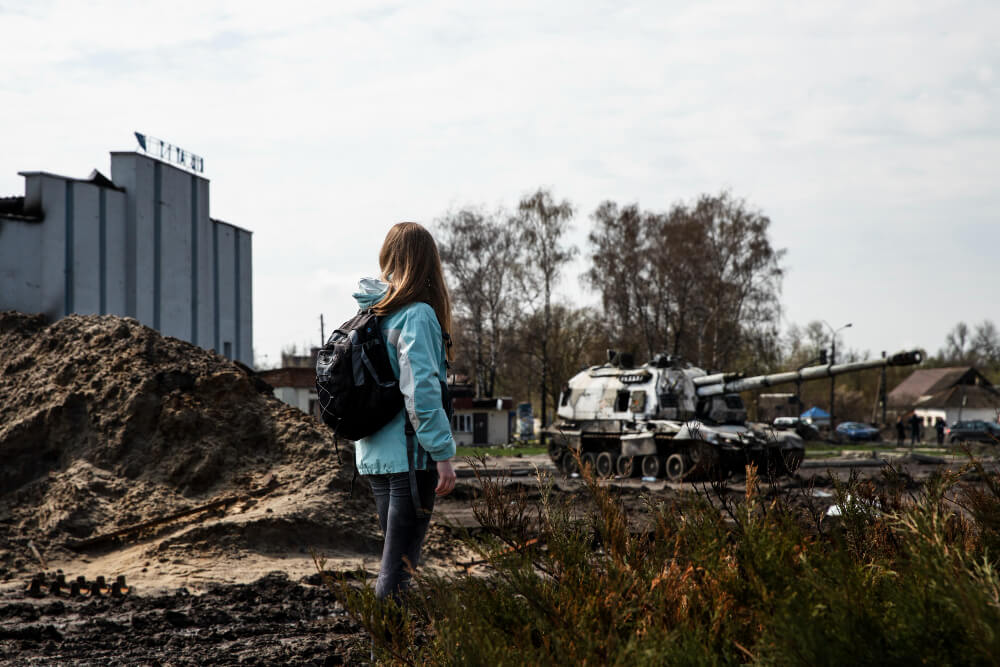
2024 marked the highest number of grave violations against children in armed conflict since monitoring began, and BC simultaneously experienced record complaints to the Human Rights Tribunal for education discrimination—both phenomena share infrastructure: scarcity ideology masquerading as resource constraint, bureaucratic mechanisms that document harm while enabling its continuation, systems that ask what amount of violence…
-

The principal’s casualness reveals authorisation to harm
When a principal cancelled my daughter’s volleyball game with bureaucratic ease, her comfort while causing harm revealed systematic institutional authorisation.
-

From trauma to topology: the grotesque work of quantifying institutional denial
When institutional harm accumulates in childhood—in objects confiscated, spaces denied, bodies excluded—the evidence lives first in memory and affect. The saucer eyes of a humiliated or frightened child. The sting in the sobs of a child who just wants to be with her friends at the volleyball game. The physical weight of a garbage bag…
-
Autism and bullying in BC schools
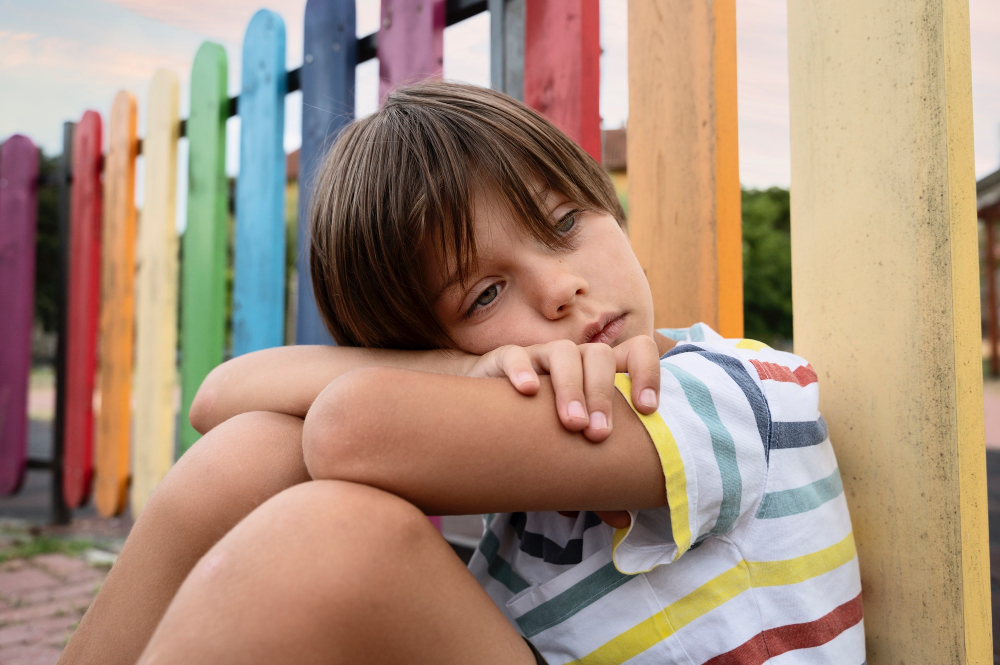
Autistic and ADHD children face bullying at astonishing rates. Large-scale studies report that nearly half to two-thirds of autistic students have been bullied, with some surveys finding 44–67% victimized[1] – far above the ~20–40% typical rate in general populations. For example, one meta-analysis found 67% of autistic youth experienced some form of school bullying[1]. Youth with ADHD…
-

A multi-lens analysis of accommodation denial in BC Schools
When the school handed me a garbage bag filled with jackets at the end of the year, it was evidence of a failed executive function accommodation. When I was handed a box containing hundreds of dollars of fidgets, it was evidence of a regulation accommodation that had been denied. There’s a lot of reasons an…
-
Material witness: objects and architecture in the exclusion of disabled children
When schools perform inclusion while enacting exclusion, the evidence accumulates in objects and spaces, in the material culture of neurodivergent childhood, in the things that were meant to help but became instruments of control, in the architecture that promised safety but delivered abandonment. These are the objects that witnessed what happened to my children in…
-
The affective architecture of room clears
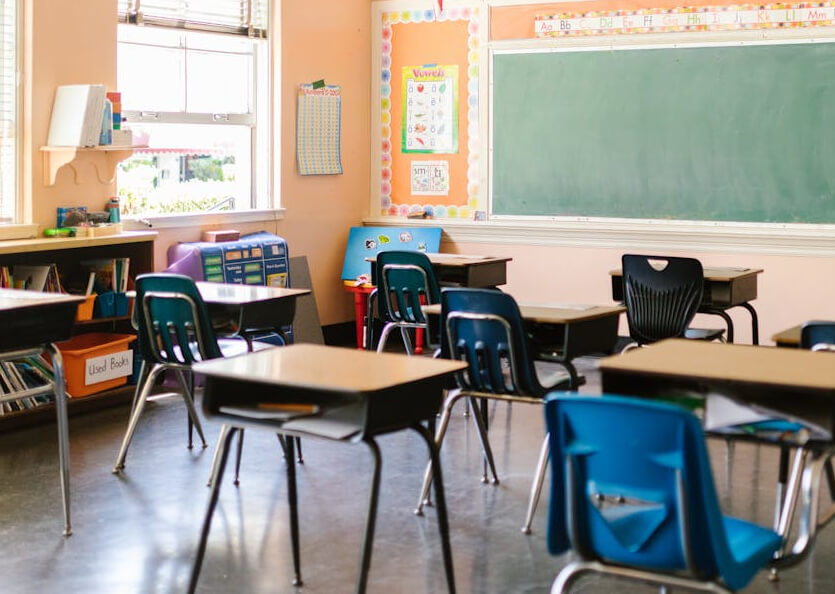
Room clears should be rare. In adequately resourced classrooms with sufficient staffing, with educational assistants trained in co-regulation, with adults who understand that compliance is not wellness and frozen silence is not calm, most crises could be prevented or held without architectural intervention. But British Columbia schools operate under manufactured scarcity, austerity politics disguised as…
-

Justice and dignity too expensive for BC NDP
In 2018, experts told BC exactly how to fix special education funding. The government has spent five years “consulting” instead. Meanwhile, your child sits in hallways. The 192% problem nobody wants to fund Between 2015 and 2024, autism designations in BC schools exploded by 192%. Total student enrolment? Up just 11.6%. The province knows this. They…
-
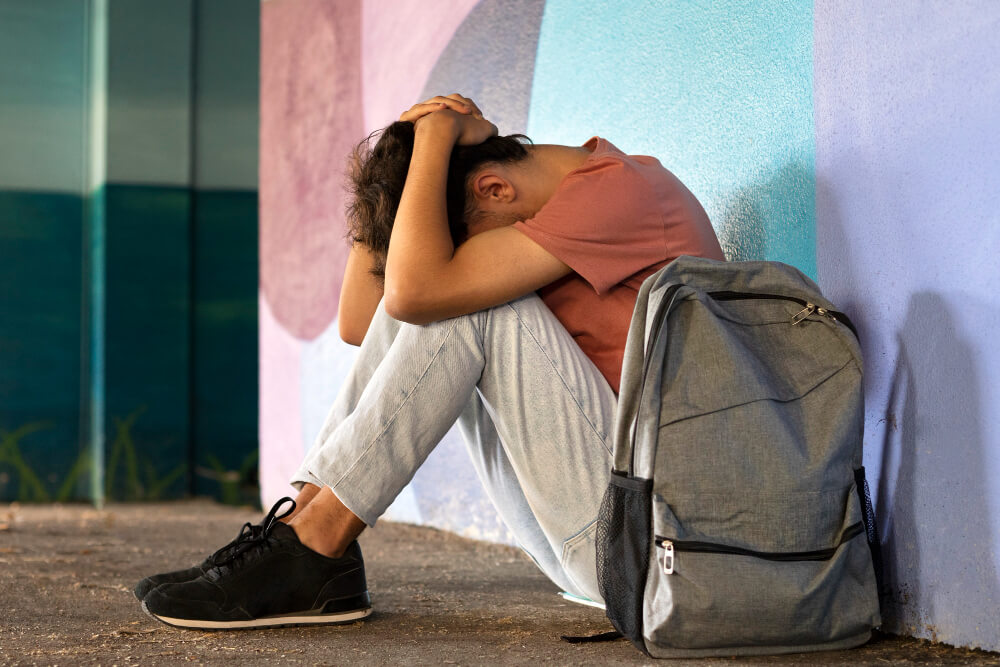
When delay becomes policy: British Columbia’s strategic abandonment of disabled students
In 2018, an independent panel reviewed how British Columbia funds kindergarten through grade twelve education and recommended a prevalence model for special education funding, a shift that would allocate resources based on statistical prevalence of disability within the general student population rather than on individual diagnostic designation. The proposal threatened to expose what the existing system carefully…
-
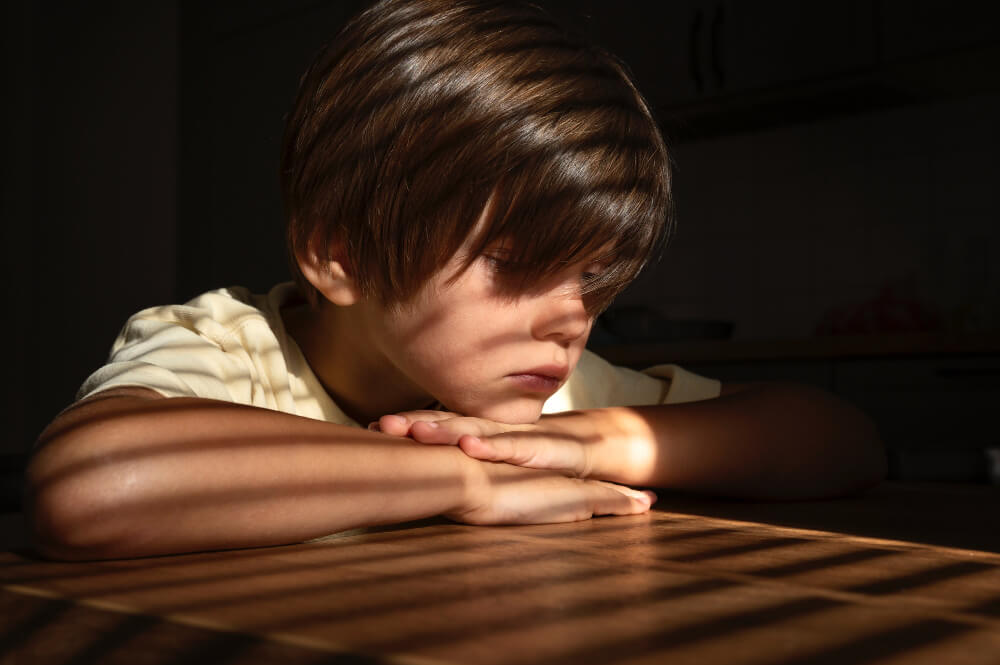
What research says about school conduct codes and disabled students
This explainer summarises what a small but influential group of scholars have shown about school discipline policies, student codes of conduct, and how these frameworks disproportionately harm disabled and neurodivergent students. It draws especially on the work of Catherine K. Voulgarides, Russell J. Skiba, Daniel J. Losen, David Osher, and Edward Fergus. Where possible, citations…
-

Pacific Heights Elementary School (SD36): a neurodiversity-informed policy critique
The Pacific Heights Elementary Code of Conduct positions the school as a community of “learners (curiosity, humility, engagement, wonder, delight, creativity, collaboration, passion)” and emphasises “care for self, others, and the environment,” framing positive relationships as “foundational to learning.” This aspirational preface signals a relational ethos. Yet the operational sections reveal a blend of restorative…
-
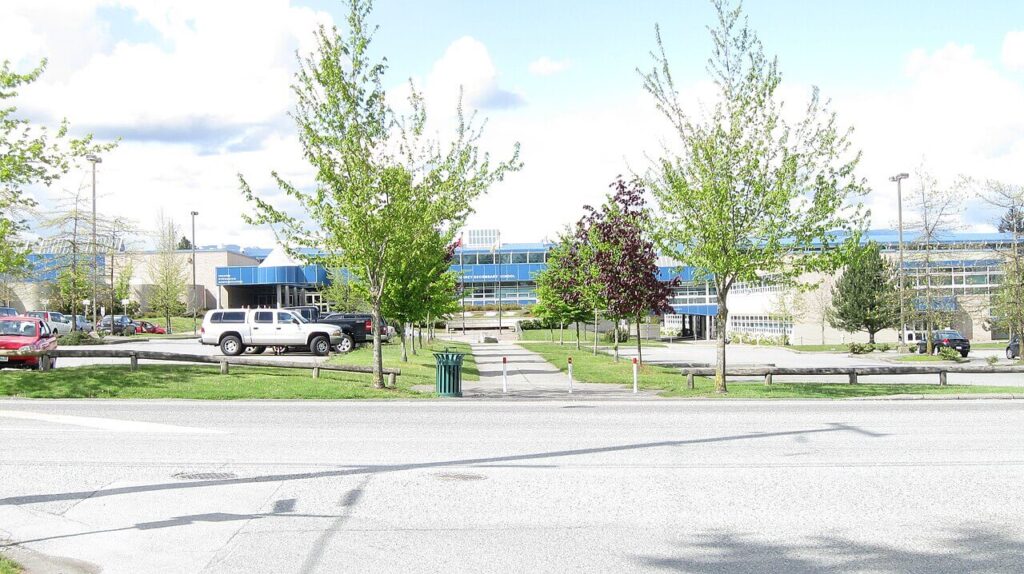
North Surrey Secondary (SD36): a neurodiversity-informed policy critique
North Surrey Secondary’s 2024–25 Parent/Student Handbook presents itself as a practical guide to daily school operations, but its conduct code reveals a disciplinary framework anchored in behavioural control, punctuality, and compliance. Its language reflects a pre-neuroscience understanding of student behaviour, one that frames regulation as obedience, distress as misconduct, and support as conditional upon conformity.…
-
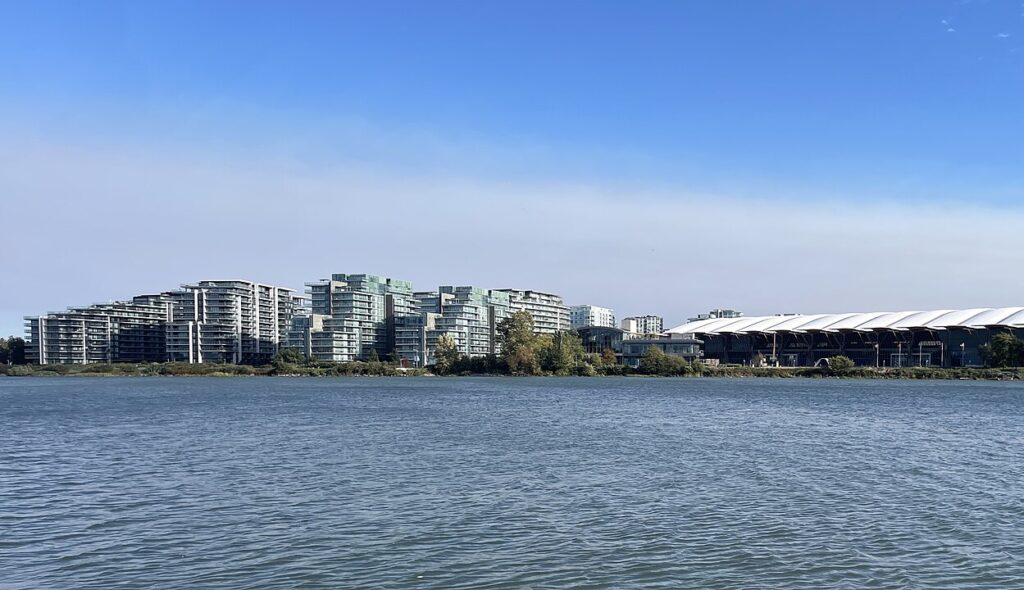
The Cowichan case, land-title hysteria, and the unfinished work of justice in public education
I have been reflecting on the public reaction to the Cowichan case findings, and the deeper I look, the more I notice similar patterns emerging across conversations about reconciliation and disability justice in public schools: the tendency to get stuck in the T part of “Truth and Reconciliation” and to only have the T be…
-
Counting the wounded: how complaint systems and data bureaucracies erase harm
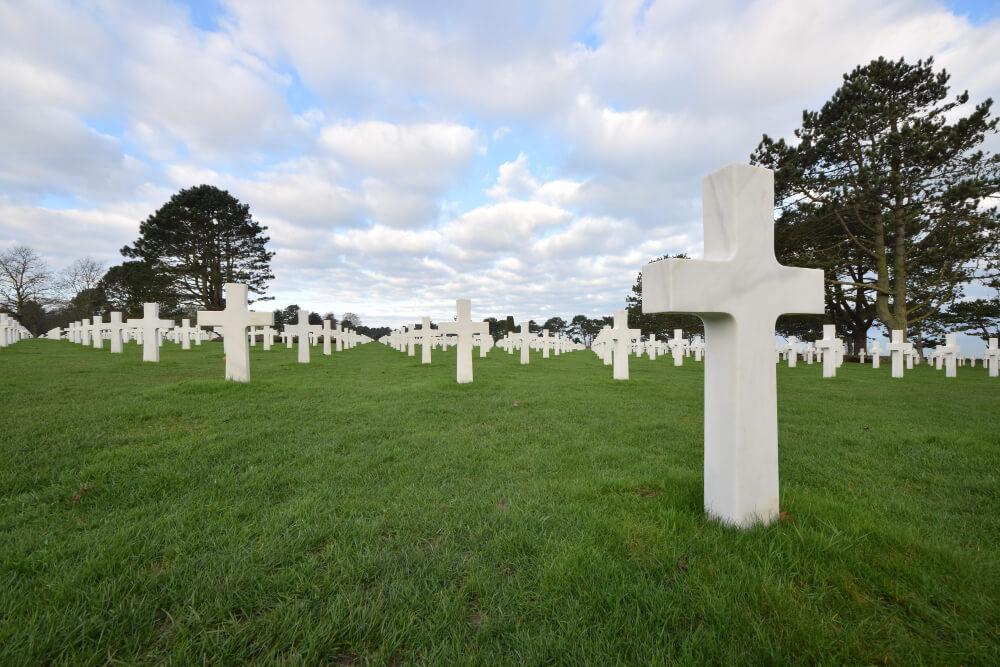
The same patterns of attrition described in The Ombudsperson and the war of attrition also define how governments manage harm in military and veterans’ systems. Delays in compensation, endless investigations, and deferrals justified as ‘process’ reveal that administrative time itself functions as an instrument of harm. What appears as prudence operates as quiet abandonment—an institutional strategy that…
-

Collective punishment in war and school
Every empire writes its morality through the safety of the bodies of children. Whether on the battlefield or in the classroom.
-

What they say when you leave the meeting
Canary Collective’s piece The Apple Doesn’t Fall Far from the Tree: What’s Said About Parents After They Leave the Room tells what often happens after parents leave a school meeting. The talk shifts away from the child and turns toward the parents. People start guessing what is “wrong” at home instead of asking what the…