Autistic and ADHD children face bullying at astonishing rates. Large-scale studies report that nearly half to two-thirds of autistic students have been bullied, with some surveys finding 44–67% victimized[1] – far above the ~20–40% typical rate in general populations.
For example, one meta-analysis found 67% of autistic youth experienced some form of school bullying[1]. Youth with ADHD are similarly at risk: roughly 47–60% of children with ADHD report being bullied[2], compared to only ~23–35% of their peers. These disparities are consistent across studies.
Severe bullying of neurodivergent students is commonplace, not rare – it’s a systemic outcome of schools ill-equipped for diversity.
BC’s official policies pledge every student an education “free from discrimination, bullying, harassment, intimidation and other forms of violence”[3]. Codes of conduct must even cite prohibited grounds like disability[4]. Yet these policies lack any explicit mandate for neurodiversity inclusion or training. Schools may post anti-bullying posters or run one-off campaigns, but culture doesn’t change on paper alone. Boards are told to foster “respect, inclusion, fairness, and equity”[5], but neurodivergent children remain invisible in these directives.
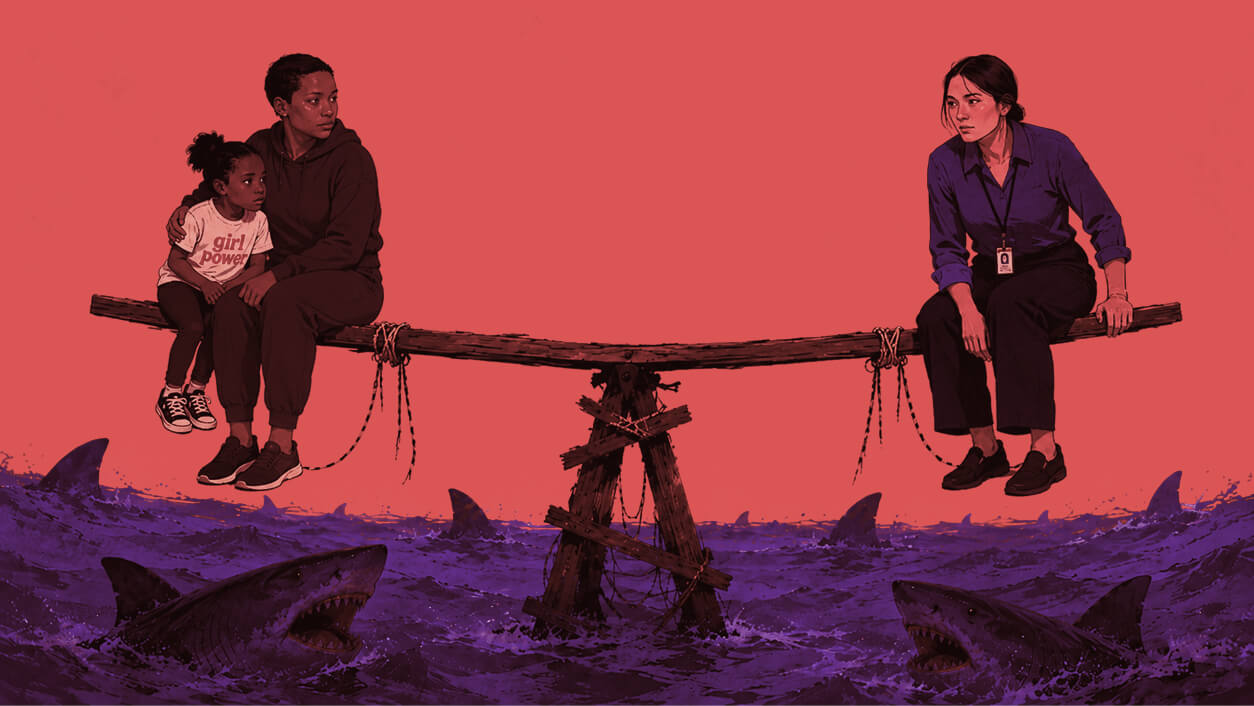
The result is a policy-versus-practice gap: schools often treat anti-bullying rules as paperwork, then blame the child who lashes out rather than examining how the school environment failed them.
-

Meltdown monster: how exclusion makes bullying worse
I often think back to the school principal telling me that when kids see my son, they don’t see an autistic child, they just see a child being mean. When a disabled child melts down at school—after sensory overload, social stress, academic pressure, and chronic misattunement—schools rarely ask what led up to the crisis. Instead, the child is framed as the threat: disruptive, volatile, unsafe. Then the child…
Dysregulation and reactions to bullying
When an autistic child erupts after many micro-aggressions against them, only their reaction is seen – not the cruelty that provoked it. Many of these incidents are dysregulated responses, not calculated cruelty. Autism experts note that meltdowns are involuntary “autonomic storms” caused by sensory or emotional overwhelm – not purposeful acts of aggression. Empirical studies support this: one German study found that “dysfunctional emotion regulation” strongly predicted aggressive outbursts and even bullying behaviour in autistic children[6].
In other words, intense emotional reactions (e.g. meltdowns, hitting) often reflect a child’s inability to self-regulate under stress, not a desire to hurt others.
Another analysis showed that after controlling for ADHD, anxiety, conduct problems and other factors, ASD ceased to predict bullying others – it even became “protective” against name-calling[7]. In contrast, ASD remained a very strong predictor of being bullied (adjusted odds ratios 4.1–12.6)[8]. This means many studies have mislabeled autistic children as “bullies” by ignoring context.
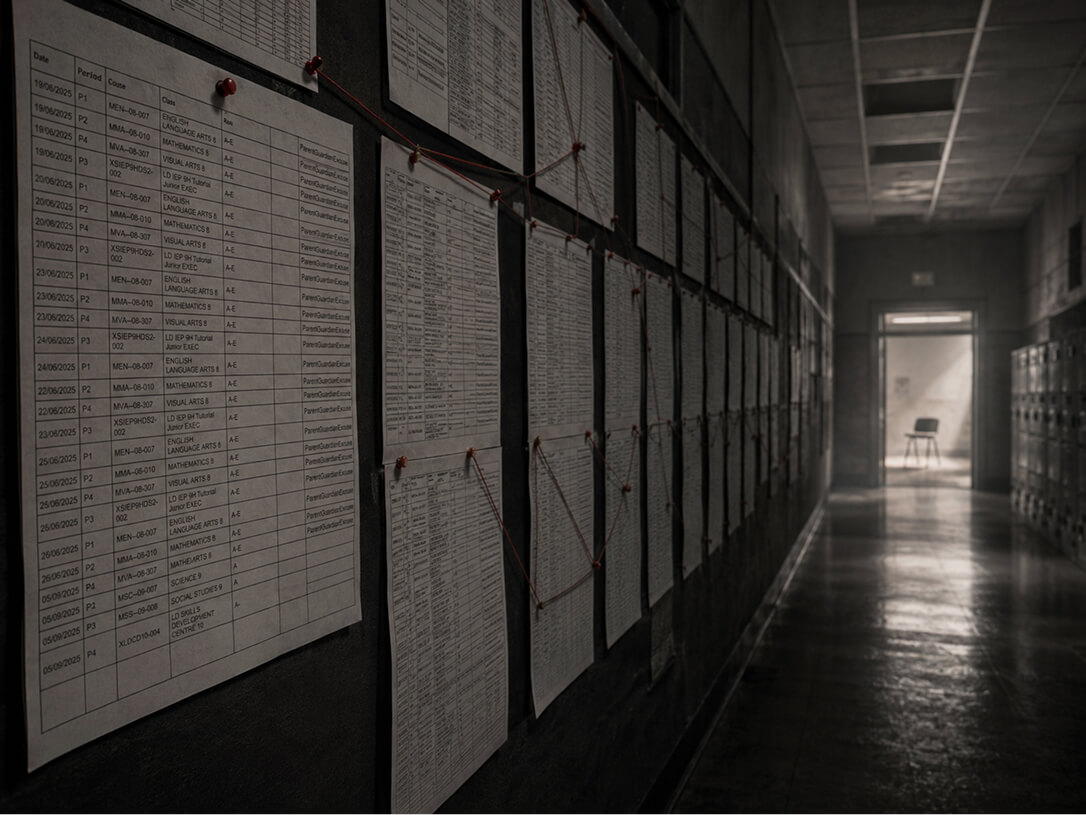
Teachers and administrators typically lack training to recognise this nuance. A visible meltdown triggers discipline, while the quiet tormentors vanish from view. For example, a child with ADHD who impulsively “strikes back” after taunting will be seen as the aggressor, and receive punishment, while the continuous teasing that caused the meltdown is never addressed.
Punishing a child for a stress response is not discipline – it’s a second injury. Effective intervention instead demands de-escalation: recognizing sensory overload or frustration as the root cause and teaching self-regulation strategies (calm-down techniques, safe spaces) so that “outbursts” decline.
Invisible suffering
Paradoxically, children who appear to cope well often suffer the most. Many autistic girls and higher-masking students develop sophisticated camoflauging strategies: they mimic peers, suppress stimming, and script social interactions to pass as neurotypical. Because of this, their distress is hidden. A recent UCLA study found that autistic children with fewer observable social difficulties were more likely to report being bullied[9]. In other words, the better a child blends in, the more they fall through the cracks: they spend more time in mainstream social settings where bullying can be subtle and denial is easy.
Autistic girls in particular are at risk; socially motivated, masked girls may experience incessant relational bullying (rumours, exclusion, micro-aggressions) that adults never see.
Teachers, lacking training, often assume that the seemingly “high-functioning” child is doing fine. But these students typically come home exhausted and traumatised. As one expert put it, the child who “smiles when she wants to scream” may be drowning in unnoticed cruelty.
-

The moral cost of leaving children in fight-or-flight
Robin was eleven the day he fell and came up swinging. It was recess, and something had happened—a misstep, a bump, a collision on uneven ground. His body hit the pavement. And when he rose, disoriented and humiliated, the first thing in his path was his best friend. So he struck him, over and over. That friend, Michael, had constituted one of the few stable social anchors tethering…
Why neurodivergent kids become targets
Ableism in schools creates a hierarchy where neurological differences mark a child as low-status. Peers intuitively sense this: autism and ADHD traits (literal thinking, sensory sensitivities, impulsivity, emotional intensity) are seen as “not socially desirable.”
Studies show that youth perceived as different face heightened bias-based bullying[10]. For example, Earnshaw et al. (2018) report that students whose traits seem nonconformist are targeted with stigma-driven harassment[10]. Adams et al. (2016) found that autistic students are frequently ignored or excluded and even provoked into emotional outbursts by bullies[11]. ADHD children are similarly vulnerable: impulsivity and dysregulation make them easy to bait, and long histories of being “in trouble” erode their confidence to speak up. In both cases, a painful cycle unfolds: neurotypical students provoke a dysregulation, the neurodivergent child reacts in a way that peers label inappropriate, and the school responds only to that visible reaction.
Finally, digital life can magnify these dynamics. Autistic and ADHD youth often struggle to read tone or intent online, making them easy targets for cyberbullying, which leaves no physical evidence. Although BC policy technically covers online bullying under school jurisdiction, enforcement is rare. In short, the playground extends into classrooms, hallways, cafeterias, and phones, with few safeguards for these children.
The human cost and school refusal
The consequences are grave. Victims of bullying suffer high rates of anxiety, depression, PTSD symptoms and social withdrawal – often at much higher levels than neurotypical victims[12]. A systematic review concludes that bullying in autism “lead[s] to the development of depression, anxiety, and social withdrawal”[12]. Academic trauma follows: bullied children show plummeting grades, chronic absences, and in many cases complete school refusal. Recent data confirm that bullying is a top cause of school refusal in autism[13]. Kawabe et al. found that children with ASD who refuse school tended to do so earlier and overwhelmingly because of bullying[13]. These children are making a rational choice: if school is a place of repeated torment, staying home feels safer. Yet in BC, a refusal often triggers a punitive compliance protocol (calls, meetings, even threats of legal action) instead of a trauma-informed safety plan. School refusal is not defiance – it is an alarm bell that the school environment has become unsafe. Ignoring that signal risks catastrophic harm to the child’s well-being.
Policy gaps and neurodiversity-blind codes
British Columbia’s policies nominally outlaw bullying and require codes of conduct, but they contain no neurodiversity-specific safeguards. The Provincial Standards for Codes of Conduct Order demands schools list protected grounds (including disability)[4], but says nothing about staff training or how to make the culture safe for different minds. In practice, most codes treat “inappropriate behaviour” identically whether from neurotypical or neurodivergent kids – with the same one-size-fits-all discipline. Even the Ministry’s “Safe and Caring” policy speaks only of generic inclusion[5] and trauma-informed approaches – noble goals, but without enforcing any concrete support or autism literacy.
Schools are not required to prove their anti-bullying policies actually work or that teachers and aides understand autism and ADHD. Nor are they required to restructure high-risk times (e.g. crowded hallways or unsupervised lunches) in a neurodiversity-affirming way. This gap between policy language and school culture is the gulf in which bullying thrives.
Under the BC Human Rights Code, students with disabilities have the right to equal access to education and to be free from harassment[14]. Disability-based bullying should legally count as prohibited discrimination. When schools ignore an autistic child’s cries for help, they risk violating human rights law[14]. Indeed, tribunal cases in other provinces have found that persistent failure to accommodate bullying can be a Code breach. BC parents can insist: if your child’s disability is not being accommodated to prevent harassment, that is discrimination under the Human Rights Code.
Neurodiversity-affirming solutions
Research points to a clear blueprint for change. Effective prevention goes far beyond posters: it requires whole-school education about neurodiversity, structural adjustments, and staff training. For example, experts recommend integrated, age-appropriate curriculum about autism, ADHD, dyslexia and other differences, so that all students understand these as normal variations, not defects[12]. Teaching empathy and perspective-taking toward neurodivergence should be an ongoing practice – not a one-day assembly.
Staff and supervisors need explicit professional development. Everyone – teachers, aides, lunch monitors, custodians – should be trained to recognise the subtle victimisation patterns of neurodivergent students: teasing disguised as “just joking,” deliberate sensory overload, exclusion from peer groups, cyber-harassment, etc.
Peers should be taught positive inclusion skills; for instance, schools can adopt programs that teach children how to include classmates with different communication styles (taking turns speaking, avoiding sarcasm, inviting participation). In a neurodiversity-affirming framework, the goal shifts from “fixing” the child to fixing the environment[15]. Lerner et al. (2023) argue that interventions should focus on fostering autistic strengths and making settings more welcoming – for example, by training peers to value differences and creating classrooms that work for a range of sensory needs[15].
Concrete structural changes matter too. Many bullying incidents happen during low-supervision times. Schools should increase staff presence in hallways, playgrounds and cafeterias where bullying peaks. Classrooms and common areas can be made more sensory-friendly (quiet corners, fidget tools, dimmer lights) so that differences in sensory needs don’t draw negative attention. Timetables might be adjusted to avoid overcrowding. Ontario researchers stress that “flexible and sensory-friendly classrooms”, smaller caseloads for EAs, and predictable routines are needed so students can regulate at school[16]. Underfunded and understaffed inclusion (one EA for ten kids, no backup when they’re sick) is a recipe for failure.
Finally, ongoing accountability is crucial. Schools should use data to monitor culture: anonymous climate surveys (including neurodiversity questions), tracking of bullying incidents by disability status, and regular code-of-conduct reviews. When a bullying report comes in, investigations should be trauma-informed and seek context, not only judging outward behaviour. Progressive schools are beginning to use restorative practices with neurodivergent students – focusing on harm, healing and understanding rather than punishment.
Empirical evidence for these practices is emerging. The systematic review by Daghustani et al. (2025) emphasises that comprehensive, school-wide supports and inclusive policies are needed to “reduce vulnerability to bullying” in autistic youth[12]. They highlight collaboration between schools, families, and mental health services, and consistent implementation of anti-bullying strategies. A 2023 BC survey of teachers found that 78% of new teachers felt unprepared to support neurodivergent learners – underscoring the need for better training. Targeted professional development does work: one study cited in The Conversation found that specialised autism training significantly boosts teacher confidence and effectiveness[17].
Recommendations for parents and schools
In the meantime, parents must become advocates. Document everything in writing: emails or letters to teachers and principals that detail every incident and request. Ask for accommodations explicitly: your child’s IEP or learning plan should include anti-bullying and safety measures as supports (even if not formally guaranteed by policy, it creates a record). If a school blames your child for victimisation, appeal through the district complaint process and, if needed, to BC’s Ombudsperson or Human Rights Tribunal. Remember: you do not have to accept a cursory apology or minimal discipline as an adequate “solution” for chronic bullying.
For schools, the path is clear: anti-bullying policy plus training plus culture change. Having a policy on paper is useless unless staff buy in and understand their students’ diverse needs. Every BC school needs a plan for neurodiversity: this means including autism/ADHD education in curricula, mandating annual neurodiversity training for all staff, redesigning schedules and spaces to prevent sensory overload, and actively monitoring for subtle bullying. Inclusion without preparation is not inclusion – it simply exposes vulnerable kids to harm.
Bullying of autistic and ADHD students is not simply “kids being mean,” and it is not solved by zero-tolerance alone. It is the predictable outcome of an environment that labels difference as deviance. As one review concludes, true progress requires shifting the focus from the individual’s deficits to the school’s failures[15][12]. Our autistic children are not the problem – unprepared schools are. Only by aligning our culture, training, and facilities with the realities of neurodiversity can we fulfill the promise of a safe, caring education for all students.
Sources: Comprehensive data on bullying rates and contexts are drawn from peer-reviewed studies[1][9]. Provincial policy is cited from BC’s own Safe and Caring Schools documents[3][5], and human rights obligations from the BC Human Rights Code[14]. Analyses of dysregulation and neurodiversity-affirming approaches come from clinical research[7][15]. Recent Canadian research on school exclusion and inclusion inform the recommendations[18][12]. All points above are backed by current literature and policy sources as cited.
[1] [2] [10] [11] Bullying Victimization is Associated with Heightened Rates of Anxiety and Depression Among Autistic and ADHD Youth: National Survey of Children’s Health 2016–2020 – PMC
https://pmc.ncbi.nlm.nih.gov/articles/PMC12476435
[3] [4] [5] Safe and Caring School Communities – Province of British Columbia
[6] Subtypes of Aggressive Behavior in Children with Autism in the Context of Emotion Recognition, Hostile Attribution Bias, and Dysfunctional Emotion Regulation – PMC
https://pmc.ncbi.nlm.nih.gov/articles/PMC9637050
[7] [8] Autism Spectrum Disorder and School Bullying: Who is the Victim? Who is the Perpetrator? – PMC
https://pmc.ncbi.nlm.nih.gov/articles/PMC5886362
[9] Personal victimization experiences of autistic and non-autistic children – PMC
https://pmc.ncbi.nlm.nih.gov/articles/PMC9790117
[12] Autism, bullying, and mental health: a comprehensive systematic review – PMC
https://pmc.ncbi.nlm.nih.gov/articles/PMC12715608
[13] School refusal and bullying in children with autism spectrum disorder – PMC
https://pmc.ncbi.nlm.nih.gov/articles/PMC7206817
[14] Discrimination against people with physical or mental disabilities fact sheet – Human Rights in BC
[15] A Framework for Neurodiversity-Affirming Interventions for Autistic Individuals – PMC
https://pmc.ncbi.nlm.nih.gov/articles/PMC10430771
[16] [17] [18] Many autistic students are denied a full education—here’s what we need for inclusive schools – Pancouver