

Advocacy and resistance
Advocacy, organising and resistance names the work families and communities do to challenge school harm and build collective power. It includes parent-led advocacy, public pressure, evidence-gathering, storytelling, campaigns, coalition work, and the refusal to let institutional narratives define children’s suffering as normal, inevitable, or deserved.
-
Your child’s teacher crossed a line. The school shrugged. Now what?
Every time my phone lights up with a call or email from the school, my stomach drops. I brace automatically: Is it another subtle threat? Another criticism of my parenting disguised as “concern”? Another make-work task to “fix” a problem they created? After years of this, I’ve learned to navigate school communication in a state…
-

From trauma to topology: the grotesque work of quantifying institutional denial
When institutional harm accumulates in childhood—in objects confiscated, spaces denied, bodies excluded—the evidence lives first in memory and affect. The saucer eyes of a humiliated or frightened child. The sting in the sobs of a child who just wants to be with her friends at the volleyball game. The physical weight of a garbage bag…
-
Autism and bullying in BC schools
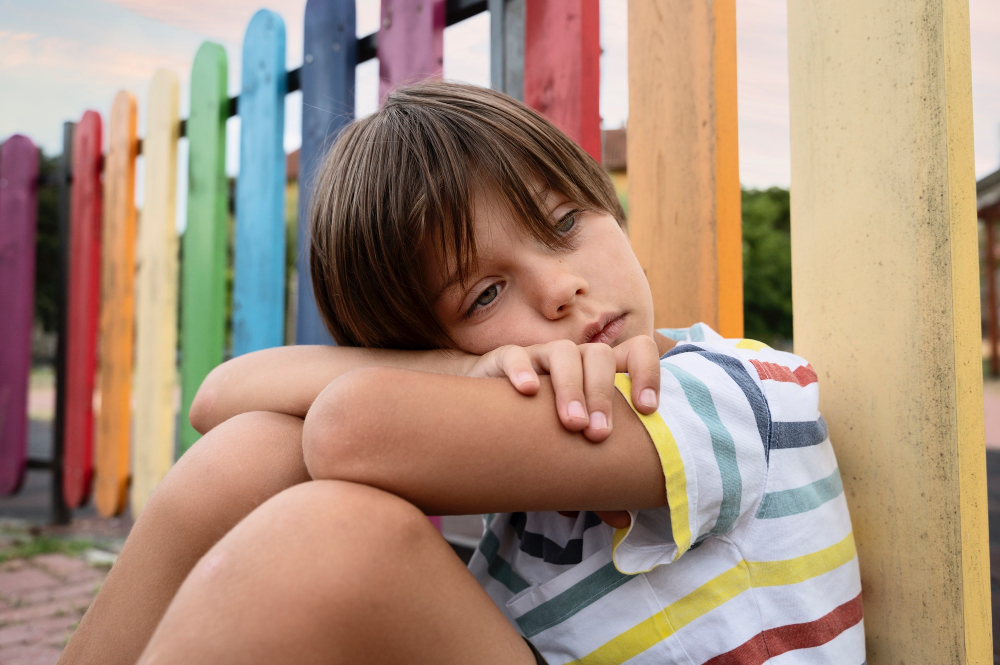
Autistic and ADHD children face bullying at astonishing rates. Large-scale studies report that nearly half to two-thirds of autistic students have been bullied, with some surveys finding 44–67% victimized[1] – far above the ~20–40% typical rate in general populations. For example, one meta-analysis found 67% of autistic youth experienced some form of school bullying[1]. Youth with ADHD…
-

Designed for denial the architecture of accommodation refusal
Designed for denial describes systems structured so that refusing accommodation is the path of least resistance, the default outcome, the architecturally embedded response to requests for support. These are systems where saying no requires little justification, documentation, oversight, or consequence, while saying yes requires the requester to overcome multiple barriers, satisfy gatekeepers who are not accountable…
-

A multi-lens analysis of accommodation denial in BC Schools
When the school handed me a garbage bag filled with jackets at the end of the year, it was evidence of a failed executive function accommodation. When I was handed a box containing hundreds of dollars of fidgets, it was evidence of a regulation accommodation that had been denied. There’s a lot of reasons an…
-

Material witness: objects and architecture in the exclusion of disabled children
When schools perform inclusion while enacting exclusion, the evidence accumulates in objects and spaces, in the material culture of neurodivergent childhood, in the things that were meant to help but became instruments of control, in the architecture that promised safety but delivered abandonment. These are the objects that witnessed what happened to my children in…
-
The affective architecture of room clears
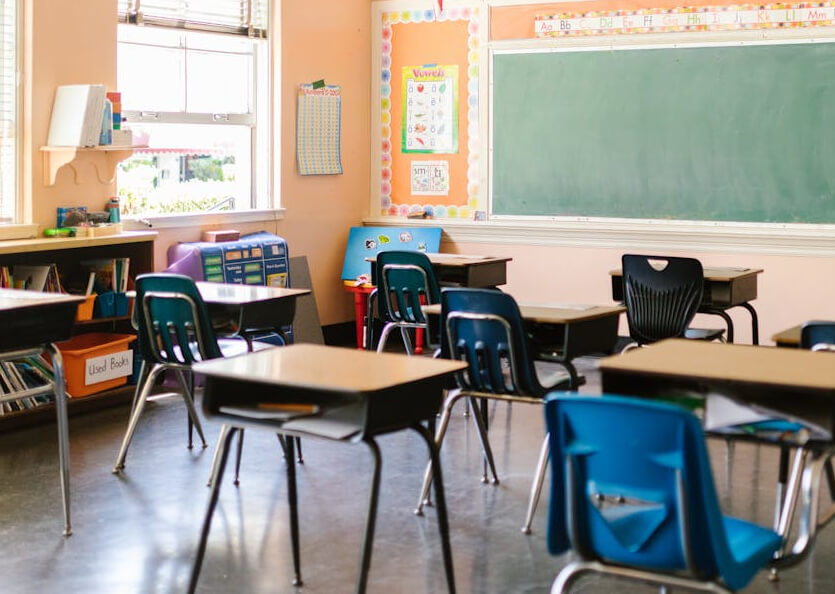
Room clears should be rare. In adequately resourced classrooms with sufficient staffing, with educational assistants trained in co-regulation, with adults who understand that compliance is not wellness and frozen silence is not calm, most crises could be prevented or held without architectural intervention. But British Columbia schools operate under manufactured scarcity, austerity politics disguised as…
-

The architecture of absence data in Canada
A CBC investigation maps the landscape of what we choose to measure and what we choose to obscure, revealing a system where the simple act of knowing why children disappear from classrooms becomes an exercise in bureaucratic endurance calibrated toward opacity rather than understanding. The cost of transparency The investigation documents a routine that families, journalists, and…
-

Justice and dignity too expensive for BC NDP
In 2018, experts told BC exactly how to fix special education funding. The government has spent five years “consulting” instead. Meanwhile, your child sits in hallways. The 192% problem nobody wants to fund Between 2015 and 2024, autism designations in BC schools exploded by 192%. Total student enrolment? Up just 11.6%. The province knows this. They…
-
When delay becomes policy: British Columbia’s strategic abandonment of disabled students
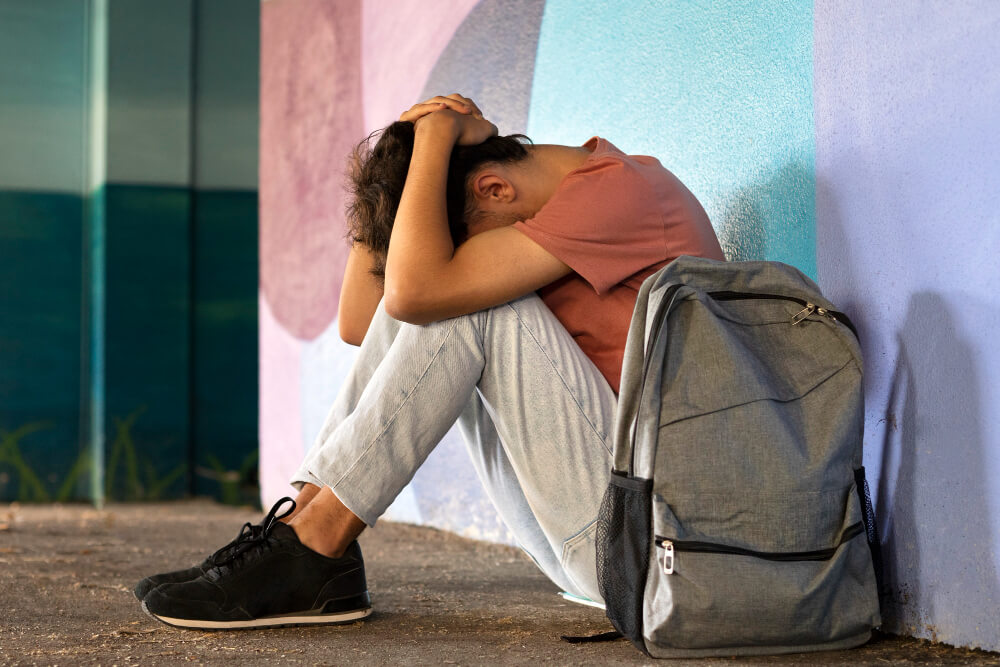
In 2018, an independent panel reviewed how British Columbia funds kindergarten through grade twelve education and recommended a prevalence model for special education funding, a shift that would allocate resources based on statistical prevalence of disability within the general student population rather than on individual diagnostic designation. The proposal threatened to expose what the existing system carefully…
-
VSB’s accessibility plan: more marketing than meaningful change
The Vancouver School Board has released its Accessibility Plan for 2025–2028, a document that positions itself as a forward-looking commitment to equity, belonging, and barrier removal, offering warm assurances about inclusion while presenting a polished institutional narrative that feels carefully tuned for public confidence rather than rooted in the depth of community experience. Families who…
-

Children as witnesses in institutional spaces
Children do not match the institutional fantasy of the perfect witness. Schools expect crisp chronology, tidy sequencing, and emotion-free narration. What children offer is perception—sharp, immediate, and grounded in the sensory truth of what happened. I learned this when my daughter was still in elementary school, when a playground supervisor grabbed her arm, twisted it…
-

Pacific Heights Elementary School (SD36): a neurodiversity-informed policy critique
The Pacific Heights Elementary Code of Conduct positions the school as a community of “learners (curiosity, humility, engagement, wonder, delight, creativity, collaboration, passion)” and emphasises “care for self, others, and the environment,” framing positive relationships as “foundational to learning.” This aspirational preface signals a relational ethos. Yet the operational sections reveal a blend of restorative…
-

Why the evolving understanding of childhood terrifies systems built on scarcity
Children now arrive at school shaped by homes that honour physiology over performance, autonomy over obedience, and co-regulation over fear, and this shift grows from a decade of relational neuroscience, trauma literacy, sensory understanding, and disability justice that families have absorbed far more quickly than schools, which leaves discipline ideology standing on crumbling ground because…
-

Look at how resilient I am
The discourse of the resilient subject converts structural scarcity into personal virtue, masking the institutional conditions that generate exhaustion.
-
Why disabled kids are missing more school than peers
Tara Carman recently wrote an article about rising absences from school and suggested that the trend may be linked to a growing mental health crisis: Why are so many kids calling in sick for school? That explanation captures part of the reality, yet it overlooks a parallel and far more specific pattern that many families…
-

A data story from Southeast Kootenay District
I lived in Nelson as a child. The racial diversity was low. I know it has increased over time, yet it remains a small community, and when a young child arrives from another country and is visibly a person of colour, that presence remains noticeable across the Kootenays. This context matters when reading district records.…
-
How do we get out of this mess?
British Columbia’s education system is breaking, and Surrey’s classroom evacuations—along with the rushed creation of the Classroom Clear Tracker—show how close we stand to systemic failure. Desperate times create desperate actions, and the crisis unfolding in public education pushes people into hurried choices shaped by urgency, fear, and the belief that any action feels better…
-

The architecture of responsibility in systems that harm
When a system produces predictable, patterned harm — exclusion, restraint, academic abandonment, institutional gaslighting, attrition framed as “choice,” disability-based discrimination — that harm arises from the structural design of the system itself, because structures generate outcomes with the same reliability that rivers carve their beds, and structures reveal the priorities of the province long before…
-
Every bureaucracy overvalues secrecy and undervalues the inevitability of exposure
Bureaucracies function through layers of reporting and review, and these layers create an administrative environment where information moves upward in controlled pathways that privilege institutional interests, because officials rely on curated datasets to demonstrate capability, and these curated datasets shape public understanding. The structure rewards leaders who present clean numbers and reassuring summaries, and this…