The International Council of Multiple Birth Organisations published a study in 2020 examining school placement decisions for twins and higher-order multiples across eighteen countries, surveying 2,842 families whose children had attended school for at least one year. The findings confirm what families of multiples already know from lived experience: schools operate placement policies that prioritise administrative convenience over child wellbeing, dismiss parental expertise even when backed by research, and force families into exhausting advocacy battles just to secure what should be routine accommodation.
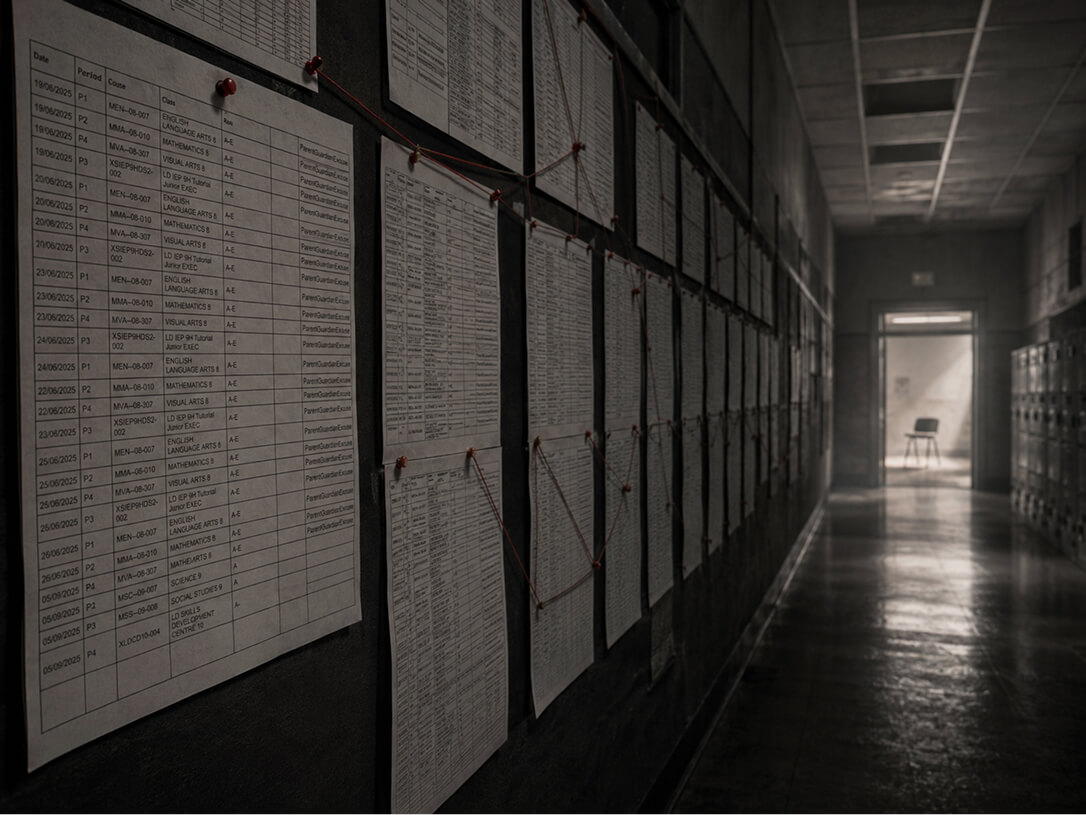
Nearly one-quarter of families—23.6%—were denied their desired school placement for their multiples at least once during their children’s education, despite making explicit requests grounded in intimate knowledge of their children’s needs. This denial rate matters because it reveals a structural pattern operating beneath the surface of what schools frame as individualised professional judgment. When almost one in four families face institutional refusal regardless of context, country, or evidence presented, the system itself becomes visible as the problem.
-

Double the love, double the discrimination
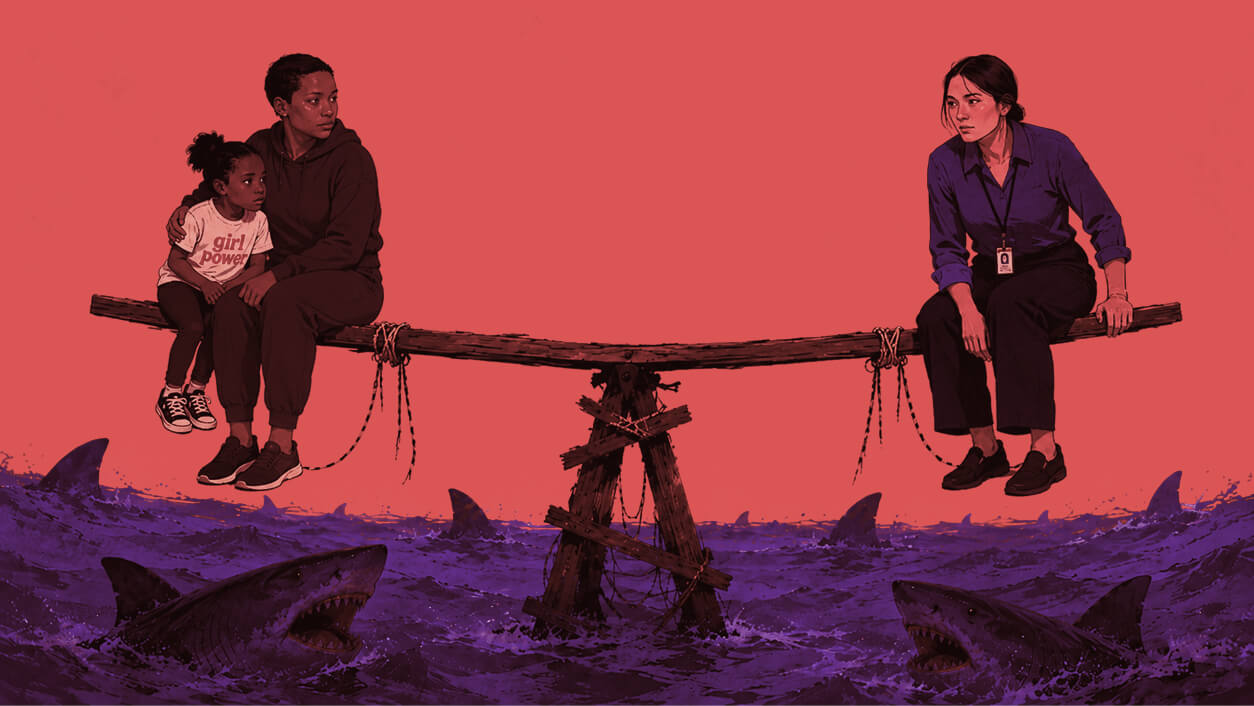
Public education systems punish families of multiples by forcing impossible choices between their children—often withholding support until one child reaches visible crisis, while the other’s suffering is…
The goodwill ledger operates internationally
The study documents precisely the emotional accounting system I have described as The Goodwill Ledger—the invisible bookkeeping through which schools determine how much empathy a family deserves, how many requests may be tolerated, how much emotion is acceptable before someone becomes too much. Parents across continents reported identical patterns: initial requests met with vague promises, follow-up inquiries generating institutional frost, advocacy reframed as interference, and support withdrawn the moment families exceeded an unspoken threshold of acceptable need.
One parent wrote that achieving desired placement required “constant contact with higher administrative levels,” while another described needing to “fight every year” despite a state law protecting parental choice. These are not isolated incidents of miscommunication. They are evidence of systemic resistance operating as policy even in jurisdictions with explicit legal protections. The architecture of exhaustion functions identically whether the family lives in British Columbia, Massachusetts, or Madrid—wearing down parents until they accept less than their children require, or until they are marked as difficult and face retaliation disguised as professional discretion.
Research evidence as currency in a scarcity economy
The study reveals another devastating pattern: families arrived prepared with research documentation, legal statutes, professional recommendations, and clear articulation of their children’s needs—and were still refused. Parents cited work by Coks Feenstra, studies from Cambridge and Curtin universities, publications from multiple birth organisations, letters from paediatricians and psychologists. They presented empirical evidence that separation harms some twins while benefiting others, that placement decisions must attend to individual children rather than blanket policies, that parental knowledge deserves institutional respect.
And schools said no anyway.
This matters because it exposes the fiction that institutional resistance stems from lack of information. Schools do not refuse to place twins together because they are unaware of the research—they refuse because accommodating parental expertise threatens the efficiency of administrative sorting mechanisms. When a family brings evidence, asks questions, follows up on promises, and refuses to accept deflection, they disrupt the smooth operation of systems designed to process children in batches rather than support them as individuals. The evidence becomes another item on the ledger, another mark against families who should have known to stay quiet and grateful.
-

Epistemic silencing of disabled children’s primary caregivers
Epistemic silencing in BC schools discredits mothers’ knowledge, reframes advocacy as aggression, and erases disabled children’s pain, leaving families punished for truth.
Triage masquerading as inclusion
The study captures what I have experienced directly with my own twins: schools treating two children as one unit of accommodation, rationing support as though need could be split between siblings, forcing parents into impossible choices about which child’s crisis deserves immediate attention. One parent described being told a single educational assistant was sufficient for both autistic children. Another wrote about keeping twins home on alternating days because the school could only guarantee safety for one child at a time.
This is not support. This is triage operating under the banner of inclusion—a manufactured scarcity framework that treats doubled need as administrative burden rather than predictable reality requiring proportional response. Families of multiples often arrive at school with years of therapeutic intervention already underway, documented diagnoses, clear understanding of their children’s overlapping and distinct needs. They represent not unpredictable complexity but statistically likely patterns that schools refuse to plan for, then punish families for naming.
-

Engineered famine in public education
In British Columbia schools today, we are not facing a behaviour crisis—we are facing a famine of care. This essay weaves together personal memory, systemic critique, and deep empathy for teachers and families alike to ask why our schools are starving the very…
When maternal fluency becomes institutional threat
The study documented another pattern I know intimately: schools meeting prepared, articulate, professionally experienced mothers with defensiveness and retaliation. Parents described needing to reference legal statutes, present research, document conversations, escalate to superintendents and school boards. Many had backgrounds in education, health care, law, or policy. They spoke with precision about developmental needs, sensory profiles, trauma-informed approaches, and rights frameworks.
And that fluency was treated as aggression.
One mother wrote that she “educated the principal” about state law and “provided resources to help other parents.” Another described presenting studies and court rulings, then facing a mediation that ruled in favour of the director’s categorical refusal. These are not stories of collaboration. They are accounts of institutional punishment directed at women who refused to perform deference, who brought expertise schools found threatening, who documented harm schools preferred to keep invisible.
The study confirms what disabled mothers already know: our clarity is recast as manipulation, our intensity as excess, our refusal to mask distress as evidence we are the problem. We are punished not for lacking knowledge but for possessing too much, for wielding it with confidence, for declining to soften our speech in service of institutional comfort.
-

He doesn’t go from zero to sixty
“He’s not a car,” I said, exasperated, after someone described Robin as going from zero to sixty. The withering look I received in return was pure disgust—as…
What 2,842 families prove
The ICOMBO study offers what individual families can rarely provide alone: proof of systemic pattern. When parents across eighteen countries report identical experiences of institutional resistance, delay, deflection, and retaliation, the problem becomes undeniable. This is not a matter of individual principals making unfortunate choices, teachers lacking training, or communication failures between well-meaning parties. This is structural harm encoded into education systems that prioritise administrative efficiency over child wellbeing, that treat parental expertise as interference, that ration dignity according to unspoken hierarchies of deservingness.
The study also reveals something else: families keep fighting anyway. They bring research, cite laws, document denials, escalate through administrative channels, move schools when necessary, advocate relentlessly even when institutions recast that advocacy as pathology. They refuse the impossible choice schools demand—which child matters more, which need can wait, which harm is acceptable.
Schools designed these systems to exhaust us into compliance. But we arrive already exhausted—from years of intensive caregiving, from navigating hostile institutions, from witnessing our children harmed by structures that should protect them. And still we persist, because the alternative is abandoning our children to systems that have already demonstrated their willingness to sacrifice the most vulnerable in service of operational smoothness.
The evidence exists. The patterns are documented. The harm is undeniable. What remains is whether education systems will attend to what 2,842 families have made visible, or whether they will continue designing policies that punish children for the administrative inconvenience of their existence.