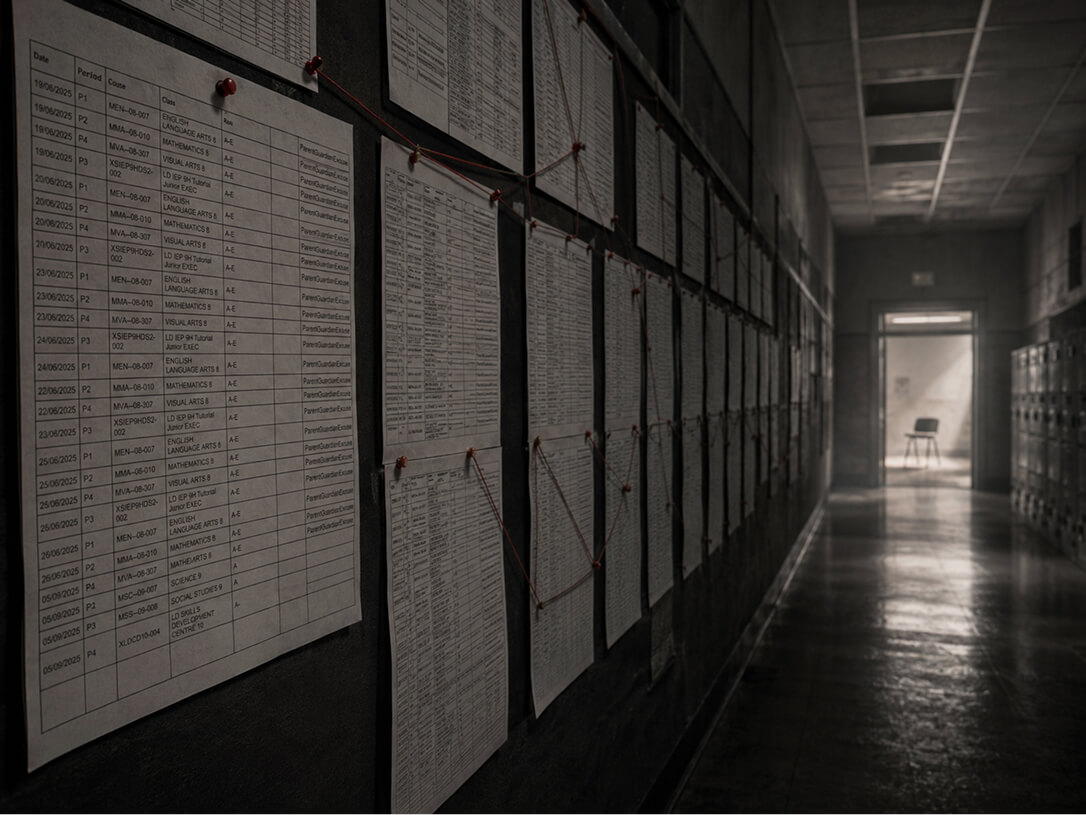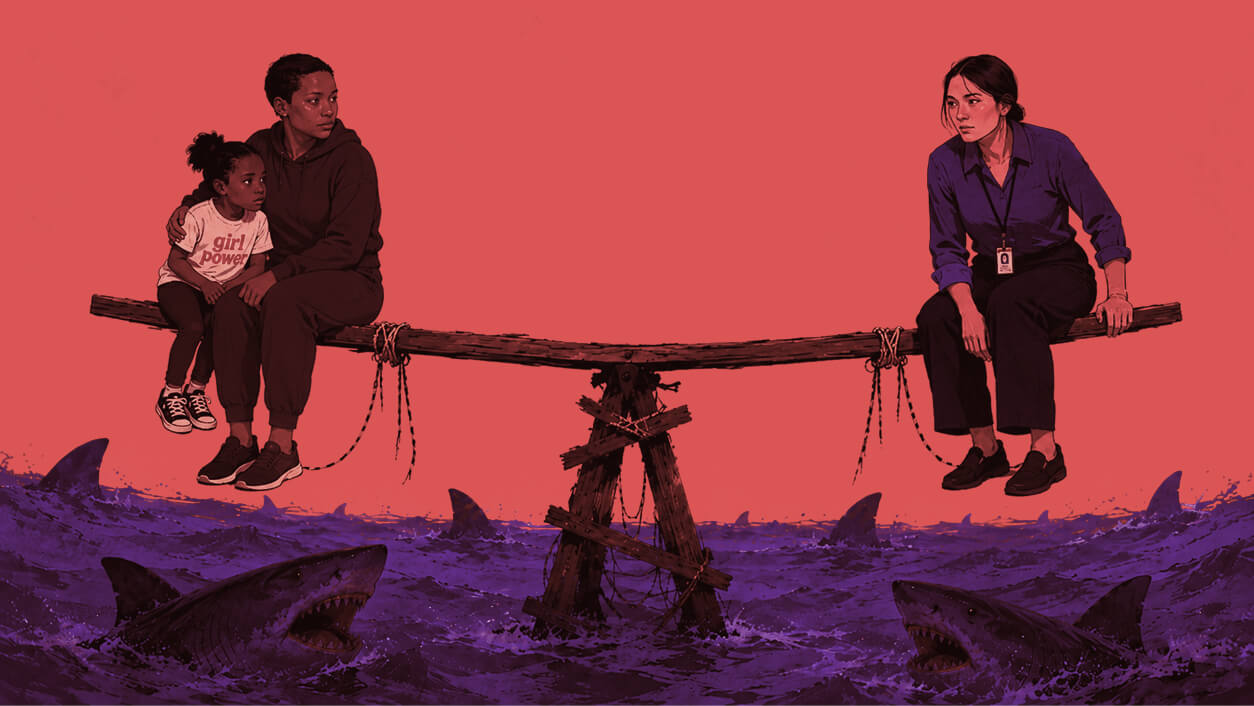
I have come to understand that my role in this landscape exists because every public system that touches disabled children in British Columbia carries a quiet, shared expectation: families will smooth the rough edges, soften the evidence, dilute the language, and narrate harm as misunderstanding or miscommunication rather than what it is—the predictable outcome of structural design.
This expectation produces an ecosystem in which truth becomes volatile. It must be handled with diplomatic gloves. Advocacy organisations are expected to temper it in order to remain “constructive.” Institutions treat it as a threat to stability rather than as a prerequisite for accountability.
I never intended to occupy this space, but the moment I began describing what happened to my children in clear, unornamented language, I discovered that accuracy itself was being read as hostility—as negativity, as a failure of collaboration. In a system organised around scarcity and containment, clarity registers as political trespass.
-

Neural evidence exposes the steep cost of sacrificing vulnerable children to punitive myths
Neural evidence from Altered Neural Responses to Punishment Learning in Conduct Disorder offers a precise account of how punitive school discipline collides with the neurodevelopmental profiles of vulnerable children, because the study shows that punishment learning relies on the anterior insula’s capacity to transform discomfort…
The myth of negativity
I have spent months writing about exclusion, behavioural ideology, administrative evasion, and the quiet erosion of childhood that unfolds through partial days, crisis responses, and coerced compliance. Each time I present the evidence in its full shape, I feel the familiar reflex: Am I being too negative?
Am I amplifying harm rather than balancing it with hope?
Am I failing to offer solutions by documenting the collapse of the ones that exist?
Over time, the answer has become unmistakable. Truth is neutral. It carries no inherent moral valence. It becomes “negative” only when what it reveals is intolerable to the system it describes.
A school district that delivers genuine support experiences accurate reporting as affirmation. A district that delivers harm experiences the same reporting as attack. The emotional charge does not reside in the witness; it resides in the institution.
Truth is neither gracious nor ungracious, neither diplomatic nor impolite. It is simply truth. When it reads as negative, the problem lies not in the telling, but in the conditions being told.
-

Finding my voice here
I speak in long sentences because I have waited long enough to say what I mean, because I think in spirals, and because the shape of my truth requires breath, pregnant pauses, and circling. I write the way I do because it is…
The containment of truth as institutional survival
Across FOI disclosures, board packages, internal memos, urgent-response protocols, and conduct codes, the same choreography repeats. Information is managed, softened, reframed, anonymised, or erased—not because it is unclear, but because its unfiltered form would expose the scale of unmet need and the political decisions that produced it.
Harm becomes complexity.
Exclusion becomes adjustment.
Crisis becomes behaviour.
Attrition becomes choice.
Underfunding becomes challenge.
Systemic failure becomes areas for growth.
Institutions speak in euphemism because euphemism is cheaper than reform.
Even advocacy organisations—whose work I value deeply—operate under pressure to remain palatable. Access must be preserved. Relationships must be maintained. Adversarial framing must be avoided. Civility, optimism, and diplomacy become survival strategies inside the system, but they also set limits on how fully harm can be named.
Diplomacy becomes a kind of gag order.
Families absorb the lesson quickly: truth is dangerous; precision is impolite; clarity is combative. The emotional burden of advocacy must be translated into “constructive suggestions” rather than accurate accounts of trauma.
This is how silence is cultivated: by making truth socially expensive.
-
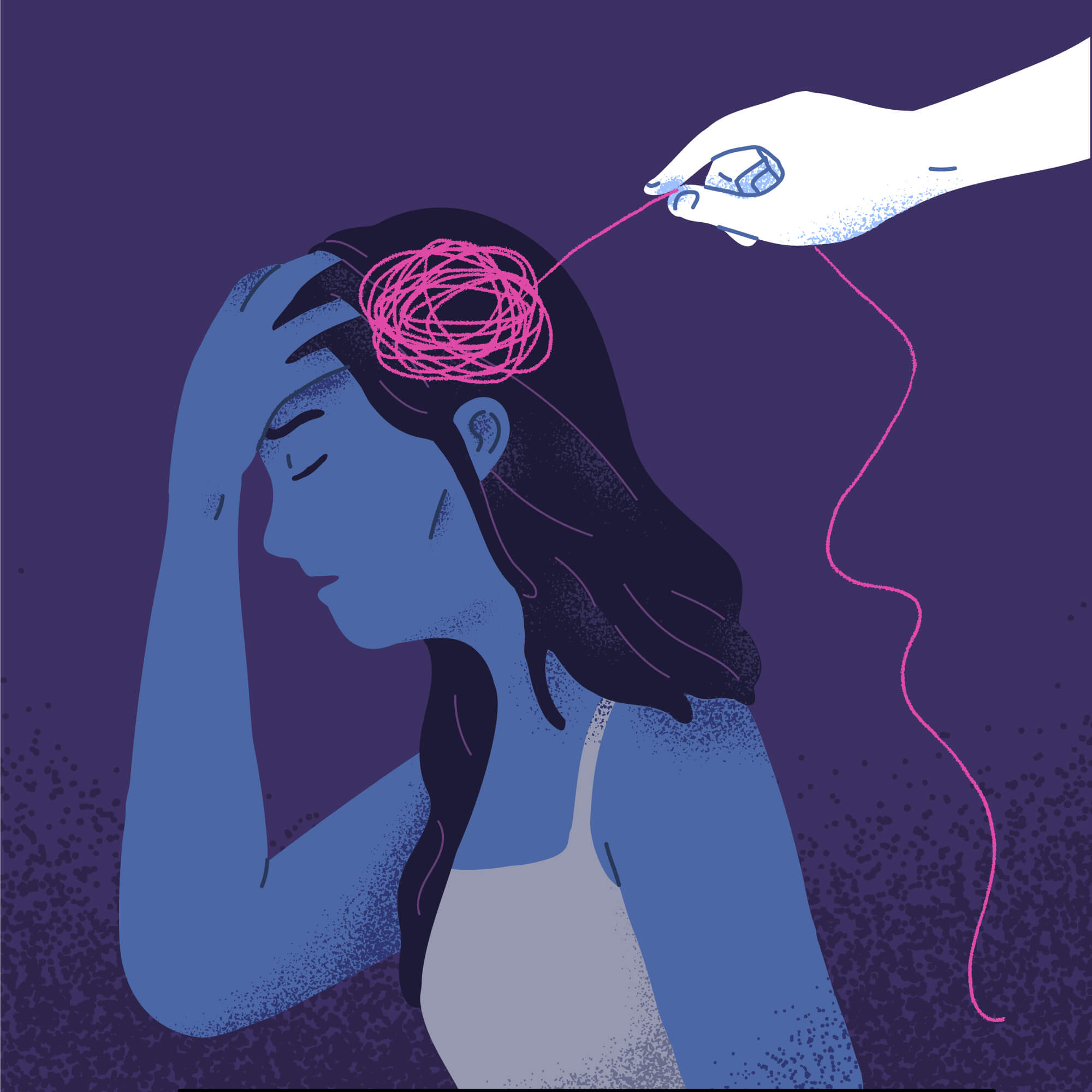
The unseen wounds of advocacy: caregiver burnout, moral injury, and embodied grief
Caregiver burnout in BC schools reflects moral injury and systemic…
The parent as unacceptable narrator
I did not choose to become the person who names what others will not.
I would have preferred a world where teachers held the line, where district leaders acknowledged patterns instead of isolating incidents, where the Ministry tracked what mattered rather than what was convenient, where advocacy groups could speak plainly, and where journalists received the data without translation.
Instead, the system required someone to say what is always true and always inconvenient:
This harm is real.
This harm is patterned.
This harm is foreseeable.
This harm is structural.
This harm is a choice.
When institutions stabilise themselves through euphemism, the parent who refuses euphemism becomes the problem. I am often framed as “negative” because I decline to participate in the consensus that protects institutional comfort. But my responsibility is not to safeguard reputations, relationships, or feelings. My responsibility is to safeguard my children.
When the system refuses to hold its truth, the parent becomes the archive.
-

Children as witnesses in institutional spaces
Children do not match the institutional fantasy of the perfect…
The illusion that naming harm creates harm
There is a persistent inversion in British Columbia’s education landscape: those who describe harm clearly are accused of amplifying it, while those who produce it quietly are praised for maintaining order.
This inversion depends on the belief that harm must be contained, hidden, or softened to preserve the system that generates it.
But naming harm does not create harm.
Naming harm makes harm legible.
If my writing appears negative, it is because outcomes for disabled children in this province are negative, and honesty cannot pretend otherwise. If the truth reads like an indictment, it is because the system functions like one. If the tone feels sharp, it is because the conditions are sharp.
Truth is not a preference.
Truth is an obligation.
If institutions find truth destabilising, destabilisation may be overdue.
Just a Parent
Accountability, not antagonism
I want to be clear—especially to myself. I do not write to punish the system. I write because the system has already punished children. I write because silence protects the wrong people. I write because trauma deepens when it is unnamed. I write because systems built on scarcity and behaviourism cannot heal while believing their own narratives. I write because children deserve more than euphemism.
My role is not to design alternative pedagogy. That responsibility belongs to institutions, policymakers, researchers, and educators. My role is to ensure that truth survives long enough to reach someone with the power to act.
I am the voice a containment-based system did not anticipate: one that refuses to translate distress into politeness, refuses to prioritise diplomacy over children, and refuses to accept that accuracy must be softened to be heard.
If telling the truth destabilises an institution, the institution is the problem.
Truth is never negative.
Truth is simply the truth.
And I will continue to tell it.